Top 10 Cat Anxiety Medications — Vet‑Led Review of Safe & Effective Options
Cat Anxiety Medications are a crucial topic to consider, especially if you’ve ever noticed how your cat darts to the nearest corner during a thunderstorm. While this response may seem peculiar, it highlights a significant concern: many cats experience anxiety disorders more commonly than you might think. Understanding and addressing this anxiety is vital for both your pet’s health and your own peace of mind.
When to See a Vet
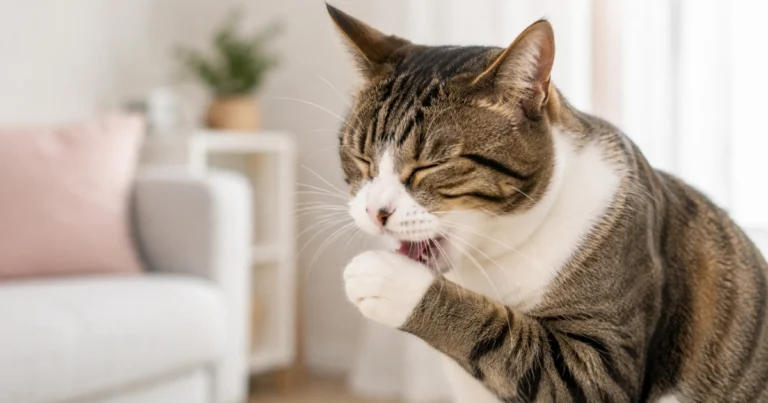
Recognizing the signs that your pet needs veterinary attention can be crucial in ensuring their well-being. One of the most concerning anxiety symptoms, like excessive self-grooming, Frequent urination, urinary tract infection may indicate underlying stress or discomfort. If you notice your furry friend obsessively licking or chewing at their fur, this behavior might not just be a quirk; it could signify allergies, pain, or behavioral issues that deserve a professional’s input.
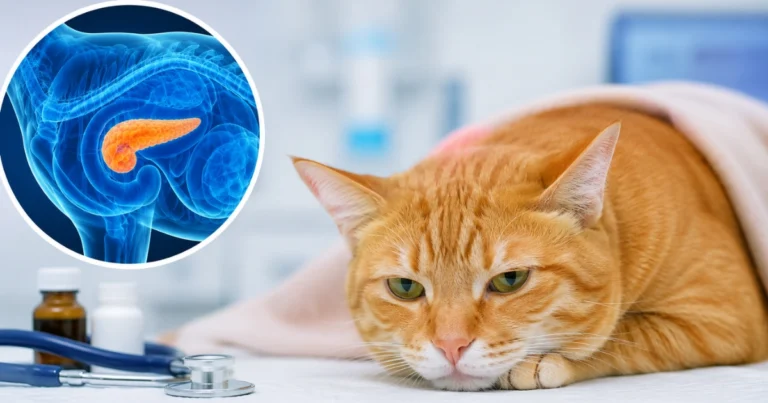
The other sign is pet’s refusal to eat or drink is a red flag that should not be ignored. Changes in appetite can stem from a variety of causes, from minor digestive upsets to more severe health concerns. If your pet is displaying these signs for more than a day, a timely visit to the vet could be the difference between a simple fix and a more serious condition.
Regular check-ups are an essential part of preventive care. Routine blood tests and urine tests can help detect health problems before they manifest into serious conditions.
How Cat Anxiety Medications Work
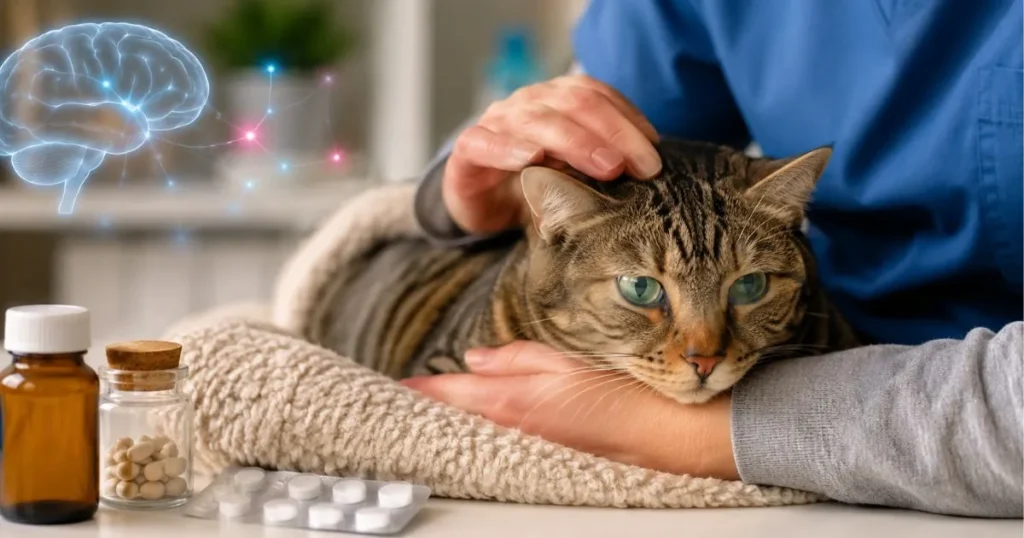
Cat anxiety medications primarily function by modulating neurotransmitters in the brain, especially serotonin and gamma-aminobutyric acid (GABA). These chemicals play vital roles in regulating mood and stress responses. Medications like selective serotonin reuptake inhibitors (SSRIs) increase serotonin availability, which can help improve emotional well-being and reduce anxiety-related behaviors. On the other hand, benzodiazepines enhance GABA activity, leading to a calming effect that can be beneficial during particularly stressful situations, such as thunderstorms or visits to the vet.
It’s also important to recognize that not all anxiety medications are created equal; each cat may respond differently based on their unique biology and environmental factors. For some, a combination of medication and behavioral therapy can yield the best results, providing a comprehensive approach to treatment.
Long-Term Anxiety Medications for Cats
Medications like fluoxetine or clomipramine can effectively lessen anxiety symptoms, but they work best when coupled with environmental behavior modification techniques. Consider puzzle toys, interactive play, and safe spaces within the home to create a sanctuary that caters to your cat’s instinctual needs.
It’s important to consult your veterinarian about the possibility of pharmacogenomics, which examines how a cat’s genetic makeup can influence its response to specific medications. minimal side effects. Explore integrative therapies such as pheromone diffusers or acupuncture, which can complement medication and promote overall well-being, creating a holistic plan that addresses both mind and body.
Certain cat anxiety medications are taking four to six weeks to reach their full effectiveness. These medications are typically administered daily.
If you observe positive changes, it’s advisable to continue the medication for a minimum of two to three months. Once your cat’s behavior stabilizes, you may gradually reduce the dosage.
For some cats, maintaining anti-anxiety medication for six to twelve months — or even longer — might be beneficial. Such cats should undergo annual check-ups, including blood tests and behavior assessments, to ensure they remain on the most effective treatment plan for their needs.
Temporary Anxiety Medications for Cats
Temporary anxiety medications offer rapid relief for situational stress, such as vet visits, travel, or home renovations. Options like trazodone or gabapentin can help ease fear responses without altering your cat’s personality, allowing them to remain themselves during stressful events.
What many owners overlook is the importance of timing. Administering meds an hour before a stressful event can significantly enhance their effectiveness, making the experience less traumatic overall.
Overview of Cat Anxiety Medications
It’s crucial to recognize that administering human medications to manage anxiety in cats falls under off-label use. Essentially, this indicates that these drugs may be given in ways not clearly specified on their labels, including their application to particular animal species. Consequently, only a veterinarian who possesses direct knowledge of your cat’s situation can legally prescribe these medications, especially when no appropriate alternatives exist.
Numerous medications come in tablet form that can be uncomfortably large for cats to swallow. Consequently, it’s essential to seek out a specialized pharmacy to compound these drugs. This compounding process enables the medications to be reformulated into more appropriate forms, including flavored chewable tablets, capsules, palatable liquids, or transdermal applications.
Common Cat Anxiety Medications:
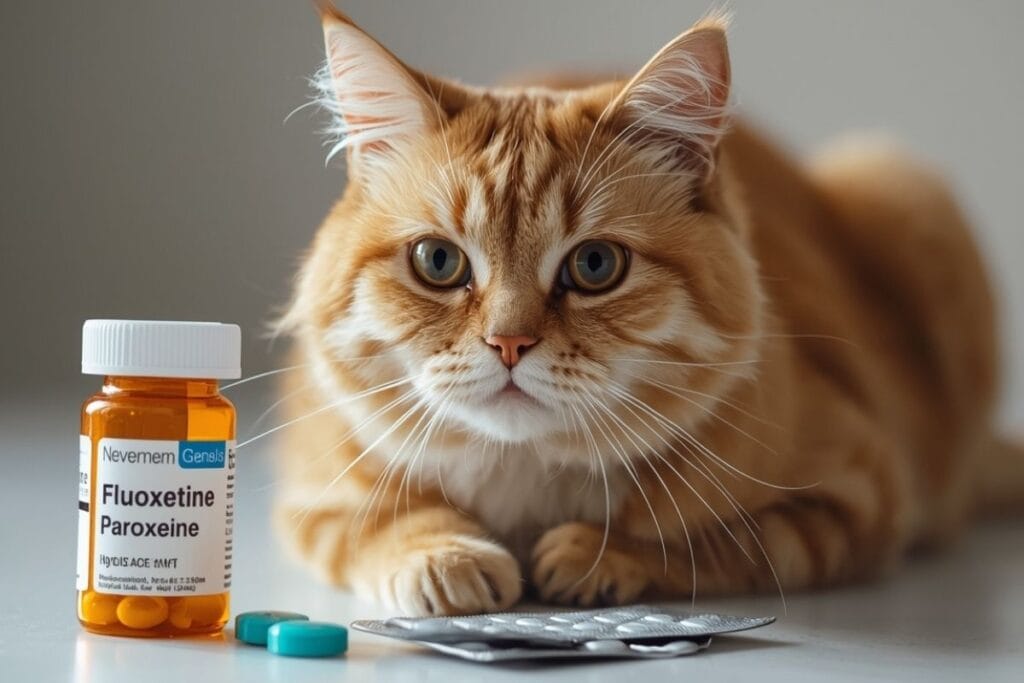
- Fluoxetine
- Paroxetine
- Sertraline
- Clomipramine
- Buspirone
- Alprazolam
- Lorazepam
- Oxazepam
- Trazodone
- Gabapentin
Fluoxetine Safe Cat Anxiety Medication
Uses:
- Generalized anxiety (moderate to severe)
- Aggression toward people or other pets
- Compulsive behaviors
- Urine spraying
- Inappropriate urination
- Panic disorders
- Fearful behaviors
- Overgrooming
Fluoxetine belongs to the class of medications known as selective serotonin reuptake inhibitors (SSRIs). It works by preventing serotonin receptors in the brain from absorbing the neurotransmitter, thus increasing the levels of serotonin available. This boost in serotonin can enhance mood and behavior, leading to reduced anxiety and impulsivity.
Possible side effects may include:
- Vomiting
- Diarrhea
- Constipation
- Agitation
- Sedation
- Lethargy
- Reduced appetite
- Issues with holding urine
Most side effects tend to diminish after the initial two weeks. If your cat experiences a loss of appetite, it is advisable to stop this medication and consider alternative options.
Paroxetine
Uses:
- Moderate to severe generalized anxiety
- Aggressive behavior towards humans or other felines
- Compulsive actions
- Urine marking
- Unwanted urination
- Fear-based behaviors
- Excessive grooming
Paroxetine is a selective serotonin reuptake inhibitor (SSRI) that enhances serotonin levels in the brain. It serves as an effective option for cats that experience agitation or reduced appetite from fluoxetine, and it tends to be less sedative.
The onset of action for this medication is typically between four to six weeks. It is administered once daily, and discontinuation should be gradual rather than abrupt. Caution is advised when using this medication in cats with pre-existing heart conditions.
Possible side effects may include:
- Drowsiness
- Lack of energy
- Constipation
- Nausea or vomiting
- Diarrhea
- Difficulty with urination
Sertraline
Uses:
- Generalized anxiety (mild to moderate)
- Inappropriate elimination
- Fearful behavior
- Urine spraying
- Issues with impulses or compulsions
Sertraline is categorized as a selective serotonin reuptake inhibitor (SSRI). It works by blocking the reuptake of serotonin in the brain, which enhances its availability. This neurotransmitter is essential for managing mood and behavior. Consequently, higher serotonin levels are linked to lower anxiety and a decrease in impulsive responses.
The full therapeutic effect of Sertraline is typically achieved within four to six weeks of daily administration. It is important to continue using the medication as prescribed and not to stop it suddenly.
Possible Side Effects:
- Drowsiness
- Fatigue
- Restlessness
- Loss of appetite
- Nausea
- Diarrhea
Notably, Sertraline tends to have fewer side effects compared to other SSRIs.
Clomipramine
Uses:
- Generalized anxiety (moderate to severe)
- Aggressive behavior towards people, cats, or other animals
- Compulsive behaviors
- Urine spraying
- Inappropriate urination
- Panic disorders
- Fearful behavior
- Separation anxiety
Clomipramine is a type of tricyclic antidepressant (TCA) that works by affecting serotonin and norepinephrine receptors. It helps reduce anxiety and aggressive behavior.
Like Sertraline, Clomipramine requires approximately four to six weeks to reach its full efficacy and is typically administered once each day. It’s important to taper off the medication gradually, following your veterinarian’s advice.
Possible Side Effects:
- Nausea
- Diarrhea
- Restlessness
- Drowsiness
- Fatigue
- Dry mouth
- Reduced appetite
- Urinary retention
Caution is advised when administering this medication to cats with pre-existing heart conditions or epilepsy.
Buspirone
Indications:
- Mild to moderate generalized anxiety
- Fearful behavior
Buspirone is categorized as an azapirone and operates on serotonin and dopamine receptors within the brain. The onset of this medication typically occurs within four to six weeks. It should be administered once daily and must not be stopped suddenly.
Possible side effects may include:
- Nausea
- Diarrhea
- Restlessness
- Drowsiness
- Heightened affection towards the owner and increased self-assurance
Moreover, some cats that face bullying from other cats in the house might actually become more confident. Instead of running away, they may decide to stand their ground.
Alprazolam
Indications:
- General anxiety
- Phobias
- Panic disorders
- Fear-related issues
- Urine marking
Alprazolam belongs to the benzodiazepine category and is thought to boost the activity of gamma-aminobutyric acid (GABA) in the brain. This neurotransmitter plays a crucial role by dampening the effects of excitatory nerve signals.
This medication takes effect rapidly, typically within 30 minutes, and should be administered every eight to twelve hours. Nevertheless, using it daily can result in the development of tolerance and dependence. Consequently, it’s crucial to avoid abruptly discontinuing the medication, particularly for cats that have been using it for an extended period.
If you’re contemplating alprazolam for cats that exhibit aggressive behavior, exercising caution is vital. This medication may lower their inhibitions, potentially leading to an increase in aggression
Common side effects may include:
- Drowsiness
- Sedation
- Impaired motor skills
- Increased appetite
- Hyperactivity
- Aggressive tendencies
Lorazepam
Uses:
- Anxiety
- Phobias
- Panic disorders
- Fear responses
Lorazepam belongs to the benzodiazepine class and works by boosting the effects of gamma-aminobutyric acid (GABA) in the brain.
This medication works quickly, usually producing effects in about 30 minutes, and can be taken every 12 hours. Users should be aware that taking it daily might result in tolerance and dependency. Like alprazolam, if you need to stop using it, it’s best to slowly decrease the dosage to prevent withdrawal symptoms.
Possible side effects can include:
- Lethargy
- Sedation
- Impaired motor skills
- Increased appetite
- Unusual excitement
- Escalated aggressive behavior
Caution is advised when using this medication in cats that exhibit aggressive tendencies.
Oxazepam
Uses:
- Anxiety
- Phobias
- Panic disorders
- Fear responses
Oxazepam belongs to the benzodiazepine class and plays a role in boosting the effects of gamma-aminobutyric acid (GABA) in the brain.
Similar to Lorazepam, Oxazepam is a short-acting medication that becomes effective within approximately 30 minutes and can be administered every 24 hours.
Continuous daily use carries the risk of developing tolerance and dependency. This medication should be used cautiously in felines that display aggressive behavior.
Potential side effects include:
- Lethargy
- Sedation
- Impaired motor coordination
- Increased appetite
- Unusual excitement
- Disinhibition of aggressive behavior
In assessing medications for feline anxiety, close management and observation of both Lorazepam and Oxazepam are crucial. This is vital due to their effects and potential side effects.
Trazodone
Uses:
- Anxiety
- Aggression
Trazodone helps boost serotonin levels in a cat’s central nervous system. Serotonin acts as a neurotransmitter in the brain, crucial for regulating behavior and different bodily functions. It usually starts to take effect in about 60 to 90 minutes and offers relief for around eight to twelve hours.
Possible Side Effects:
- Lethargy
- Sedation
- Nausea
- Diarrhea
- Restlessness
- Excessive drooling
Gabapentin
Uses:
- Pain-related anxiety
- Pain-induced aggression
Gabapentin acts as an anticonvulsant and effectively alleviates increased pain sensitivity in cats with chronic conditions like arthritis, nerve injury, or cancer. This medication operates by modulating calcium ion channels in the brain.It offers significant relief and enhances the overall well-being of these animals. It’s essential to steer clear of the human oral solution because it contains xylitol, which is toxic to cats.
This medication also acts quickly, usually taking 60 to 90 minutes to take effect and lasting about eight to twelve hours.
Potential Side Effects:
- Lethargy
- Sedation
- Nausea
- Loss of coordination
- Restlessness
- Excessive drooling
Both Trazodone and Gabapentin serve important roles in managing Cat Anxiety Medications, targeting anxiety and aggression in cats effectively.
Conclusion
This article presents a variety of methods to ease anxiety, encompassing both natural solutions and prescription medications. It is important to consult your veterinarian prior to initiating any treatment to ensure its safety and suitability for your cat’s particular circumstances. By implementing these proactive strategies, you can significantly improve your cat’s contentment and contribute to a peaceful home environment.