How to Stop a Puppy from Biting
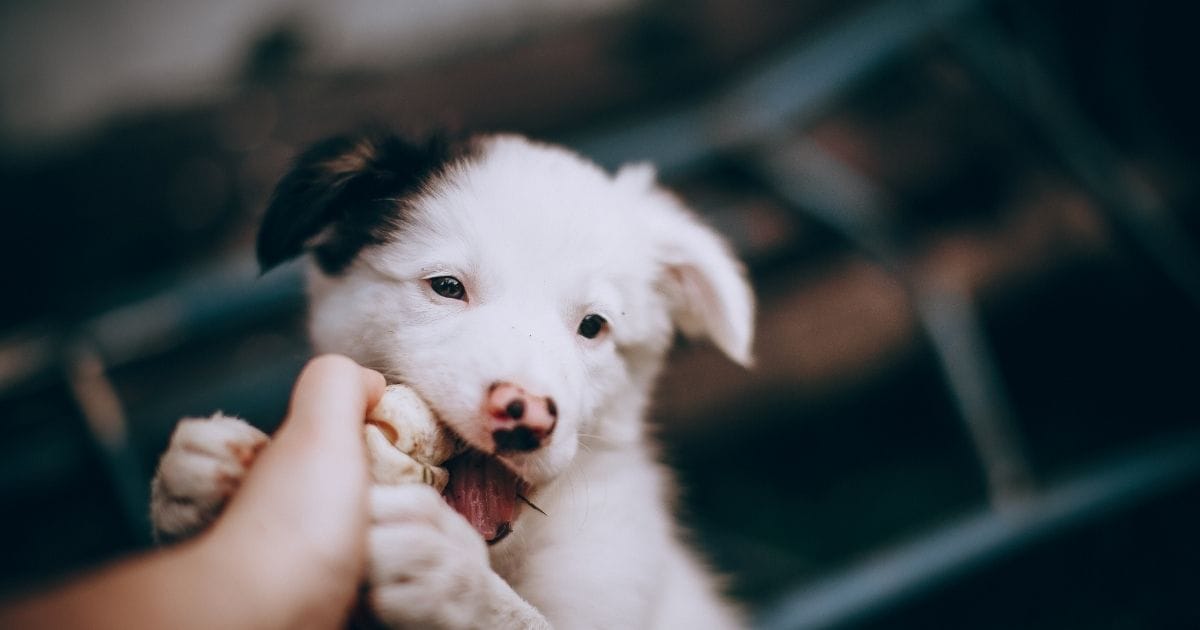
Picture this: you’re snuggling with your new puppy, and suddenly, those playful nibbles turn into sharp bites. Much like potty training, learning how to stop a puppy from biting is a vital part of your pet’s development. It’s not just about protecting your hands; it’s about teaching your pup how to interact positively with the world. This article provides insights and actionable steps to help you manage biting behaviors, so you can enjoy a harmonious life with your furry companion.
Key Takeaways:
- Puppies often bite while developing, especially during teething from 12 to 16 weeks, aiding their exploration and learning about bite inhibition.
- To discourage biting hands and feet, redirect their focus and disengage when they nip.
- Avoid severe punishments as they can increase fear or aggression.
- For older puppies or adult dogs that still bite, seeking professional advice may be helpful.
Why Puppies Bite and Chew?
It’s perfectly natural for puppies to utilize their teeth while playing and exploring their environment. This behavior is essential for their learning process and plays a critical role in their social development. Additionally, during the teething phase, puppies tend to gnaw on a variety of objects — including you and your clothing.
Here are a few reasons why puppies exhibit biting behavior.
1. Exploring Their Environment
Puppies gain valuable insights through biting, whether it’s their fellow pups, their human caregivers, or various objects. This helps them understand how hard they can bite different things, what they taste like, and how to adjust their behavior based on the responses they receive.
Depending on the feedback — like taste and texture or the reactions elicited from their actions — puppies will either continue biting, modify their bite pressure, or cease the behavior altogether.
2. Teething Stage
Between 12 and 16 weeks of age, puppies begin to grow adult teeth, which can lead to tender gums during this phase. As a result, biting behavior often escalates around 13 weeks of age.
During this time, it’s common for puppies to chew on various items, including you, your clothing, and possibly even your hair.
Puppy Play Biting Behavior
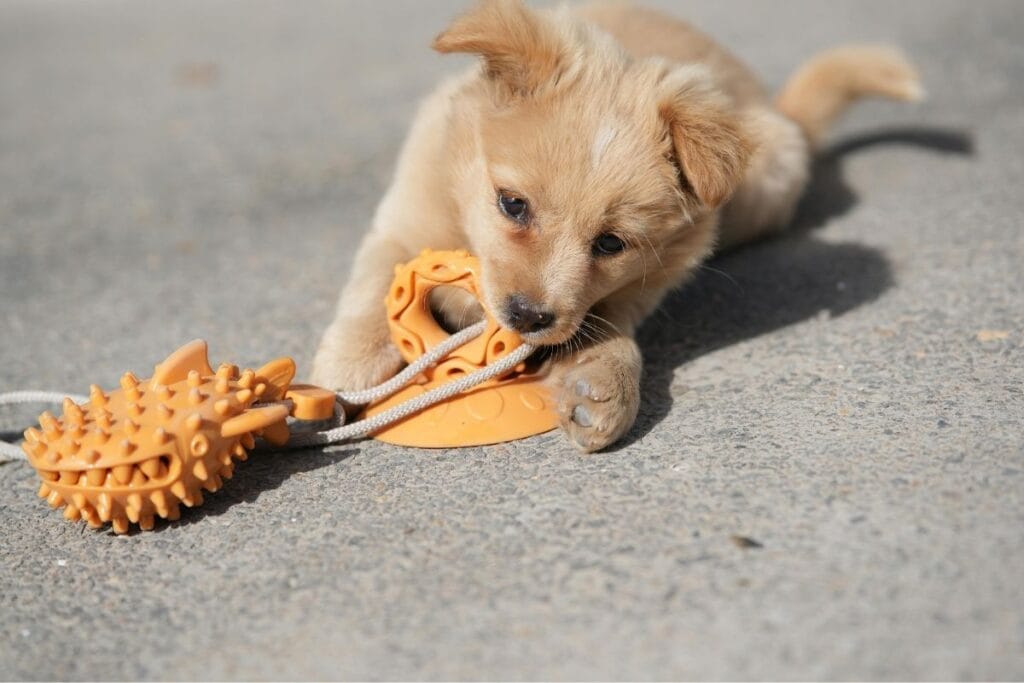
Puppies often nip as a playful way to interact, a behavior essential for their growth known as bite inhibition. During these play sessions, they learn about bite pressure and its impact. For example, if Puppy A bites too hard, Puppy B might yelp and pull away, indicating that the bite was too strong.
This feedback teaches Puppy A that excessive biting can disrupt play, prompting him to adjust his bite strength in future encounters. While some puppies may learn this quickly, others might require multiple play sessions to understand how to soften their bites.
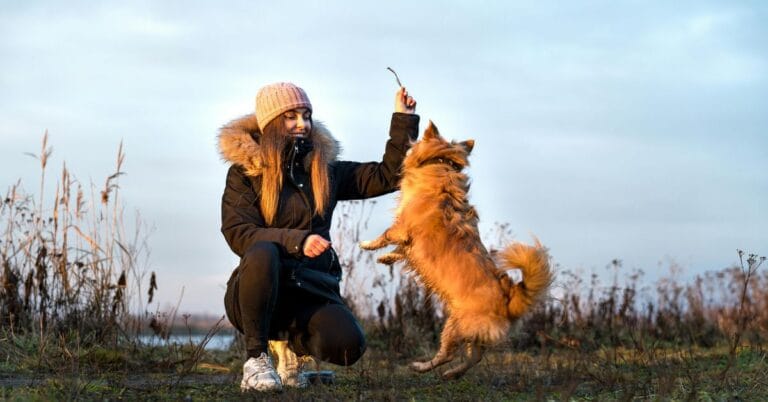
It’s also common for puppies to try to play with you by biting. To effectively manage this behavior, it’s crucial to provide clear and gentle guidance on how to stop a puppy from biting. Understanding this play behavior can help you encourage positive interactions.
How to Stop a Puppy from Biting: Strategies for Success
Managing your puppy’s tendency to bite and nip involves understanding the root causes behind this behavior. Here are some effective strategies to help you learn how to stop a puppy from biting under common circumstances.
When Your Puppy is Chewing on Your Belongings
Establishing a consistent routine for your puppy, including exercise, play, and mental activities, is essential. Make sure they have quiet time for rest, as excess energy or boredom can lead to chewing on unwanted items. A crate or playpen may help facilitate rest.
Provide a variety of chew toys and keep household items out of reach. If your puppy starts chewing something inappropriate, gently steer them towards a suitable toy and offer praise when they engage with it.
Puppy Teething Stage
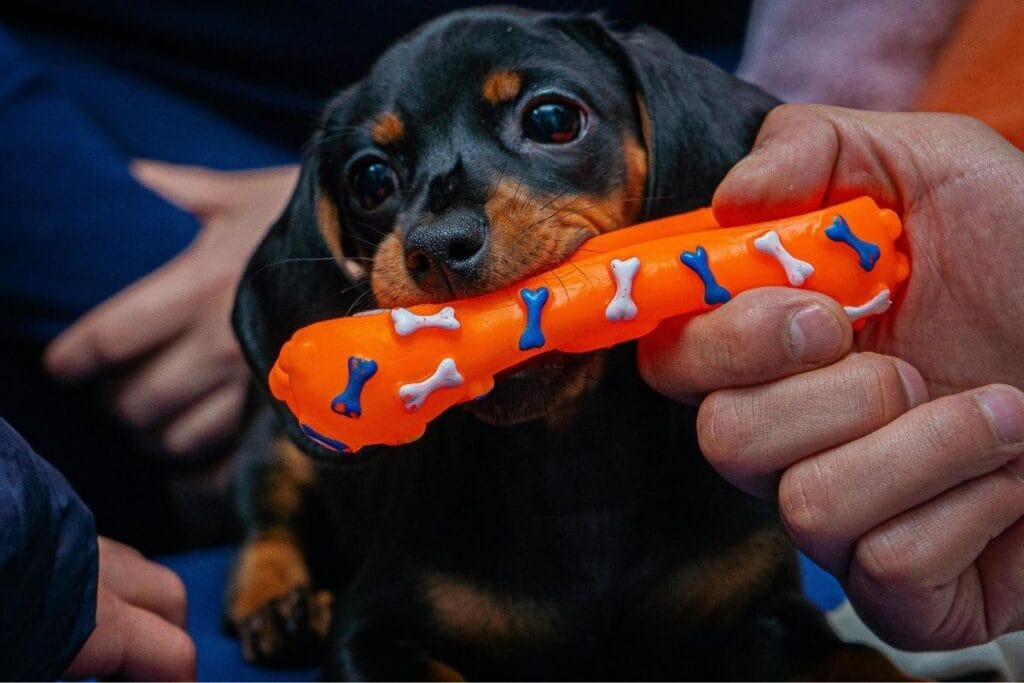
Identifying your puppy’s teething stage is crucial, as it plays a significant role in their development. During this phase, they may feel gum discomfort, prompting them to chew on various objects.
Providing appropriate chew toys for teething can alleviate your puppy’s gum pain and redirect their chewing habits. To discourage biting, consistently train your puppy with positive reinforcement by rewarding them when they use the right toys.
Additionally, regular exercise can keep them mentally engaged, reducing the likelihood of chewing inappropriate items. With a patient and strategic approach, you can successfully navigate this challenging time while protecting your possessions.
What to Do If Your Puppy Is Biting to Play
If your puppy tends to bite as a way to initiate play or during playtime, and you can’t redirect them to a toy, it’s essential to promptly remove yourself from their vicinity. Move to another room or place a barrier like a dog gate so the puppy cannot follow you.
When you feel it’s appropriate to return, bring a toy with you and re-engage in play. You may need to repeat this approach several times for it to be effective.
Keep in mind that a tired puppy is more likely to bite. Encouraging your puppy to take a nap can help reduce this behavior.
Avoid fostering nipping habits by enticing your puppy to chase your hands or feet. As your puppy grows, their teeth will become sharper, and what once seemed harmless can evolve into painful bites.
Tips to Stop Puppy Biting
While some level of biting is a normal aspect of a puppy’s development, it’s crucial to manage this behavior appropriately. Patience and consistency are key. If you’re feeling overwhelmed by your puppy’s behavior, it may be helpful to consult a certified behavior consultant, an applied animal behaviorist, or a veterinarian who specializes in behavior.
Here are some effective strategies for stopping your puppy from biting:
Avoid Harsh Corrections
Using harsh verbal or physical corrections doesn’t teach your puppy how to behave; instead, it often leads them to suppress their behavior or react defensively. Punishing your puppy can create fear and anxiety, which is counterproductive.
Instead, focus on using positive reinforcement methods during training sessions. Whether you’re aiming to stop your puppy from biting or teaching basic commands like “sit” and “stay,” positive reinforcement is the way to go.
Provide Age-Appropriate Toys for Your Puppy
Start by providing your puppy with age-appropriate, safe toys, such as soft rubber toys, a size-appropriate rubber ball, a tug rope, and a squeaky plush toy.
Each puppy has unique preferences, so it’s essential to learn what they enjoy. Make playtime interactive by enticing them with the toys.
When your puppy engages with a toy, offer enthusiastic verbal praise. If they begin to nibble on your hand or clothes, remain calm and stop the interaction, leaving the room as needed.
If your puppy tries to nip at your feet, gently move to another area or behind a gate to signal that biting ends playtime.
After about 20 to 30 seconds, return. When your puppy approaches, immediately encourage them to play with a toy. Eventually, they’ll recognize that toys are more fun than biting you.
Consider Puppy Socialization Classes
Puppy socialization classes are not only beneficial but essential for your puppy’s development. These classes offer opportunities for puppies to learn how to interpret other dogs’ body language, understand bite inhibition, and effectively communicate with their peers.
In a controlled setting, your puppy can observe appropriate play behaviors and distinguish between acceptable and unacceptable interactions with other dogs. It’s important to verify that all participants are indeed puppies and that those with adult teeth do not join the group.
By following these tips on how to stop a puppy from biting, you can foster a positive environment that promotes healthy play habits and socialization.
FAQs About How to Stop a Puppy from Biting
Is biting a normal behavior for puppies?
Yes, biting is typical puppy behavior as they learn about their surroundings and engage during play. However, it should be redirected to appropriate objects.
How to Stop a Puppy from biting hands and feet?
To prevent your puppy from nipping at your hands and feet, ensure all play involves toys to divert their attention. Move calmly to reduce the likelihood of your feet becoming targets. If they bite while being petted, redirect them to a suitable chew toy. Seek help from a behavior professional if their bites include pressure, tension, growling, or head shaking.
Why does my puppy bite my ankles while walking?
Puppies often bite ankles due to playfulness and excitement. They view it as a game or a way to get your attention.
Are there specific breeds more prone to biting?
While all puppies may exhibit biting behavior, some active or high-energy breeds may be more prone to nipping. Training is essential regardless of the breed.
Conclusion
To stop a puppy from biting effectively, it’s essential to incorporate consistent training, positive reinforcement, and a solid grasp of canine behavior. Redirect biting towards suitable toys and promote calm play to cultivate better habits. Teaching the “gentle” command can also help your puppy learn bite control. Focus on rewarding desirable actions rather than punishing undesirable ones to prevent fear and anxiety. With patience and commitment, you can raise a well-behaved puppy. Start applying these methods today to enhance your relationship and learn how to stop a puppy from biting.
Explore More: Best Puppy Food Pyramid Guide for Healthy Growth