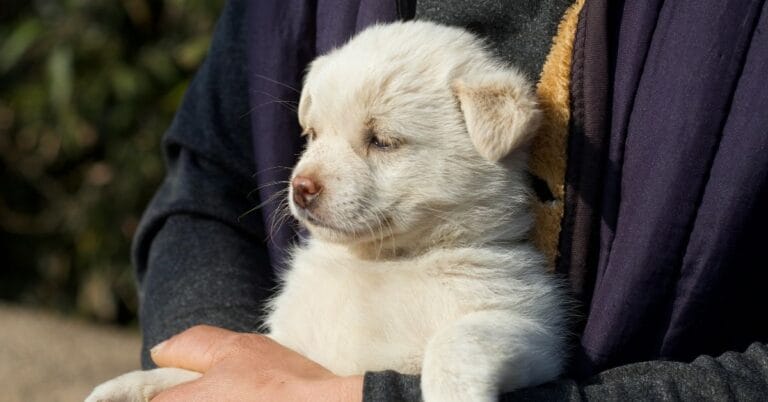

Scottish Terrier Dog Breed Health & Care
Often referred to as “Scotties,” Scottish Terriers have been popular in the United States since the 1890s. Originally bred in Scotland to hunt vermin in the early 1800s, they generally stand around 10 inches tall and weigh between 18 and 22 pounds. Despite their small stature, Scottish Terrier dogs are full of energy and intelligence, necessitating regular exercise and mental stimulation to keep them content and fit.
Caring for a Scottish Terrier Dog
The Scottish Terrier is a lively breed that thrives on companionship with their owners. To ensure their well-being, they require regular exercise and mental enrichment, although not excessively. The Scottish Terrier Club of America (STCA) recommends daily activities like running, playing fetch, and enjoying lengthy walks.
In addition to physical activity, grooming is an essential aspect of care for your Scottish Terrier Dog. While they are not particularly challenging to maintain, according to the STCA, these dogs benefit from bathing, hand-stripping, or clipping every two to three months. Prospective owners should consider whether they can afford professional grooming services or if they have the time for DIY grooming before bringing a Scottish Terrier puppy into their home.
Health Considerations for Scottish Terriers

Scottish Terriers are typically a hardy breed, with an expected lifespan of approximately 12 years. Nonetheless, they can be prone to specific genetic health issues that owners need to keep in mind. For families considering a Scottish Terrier, acquiring pet insurance may be a wise choice.
Scottie Cramp
One condition that may affect Scottish Terriers is Scottie Cramp, a genetic disorder that influences the neurotransmitter responsible for muscle control. This can lead to episodes that may appear similar to seizures. Symptoms can include:
- A curved back
- Stiff movement
- Rolling onto their side
- Muscle spasms
Scotties often experience these episodes following intense play or during moments of excitement or anxiety. It is important to note that Scottie Cramp is not painful and does not compromise the dog’s overall quality of life. With veterinary guidance, pet owners can effectively manage these episodes.
Von Willebrand Disease (vWD)
Von Willebrand Disease is an inherited disorder that impairs the blood’s ability to clot, resulting in a tendency for excessive bleeding. Owners of Scottish Terrier dogs should collaborate with their breeders to ensure that the puppy’s parents have been screened for this condition.
Dogs affected by vWD can enjoy normal lives with the appropriate care. However, indicators to watch for include unusual bruising and bleeding from minor injuries.
Liver Shunt
A liver shunt occurs when there is an abnormal connection between blood vessels, causing blood to bypass the liver. This can lead to a build-up of toxins in the bloodstream, resulting in:
- Stunted growth
- Confusion
- Circling behavior
- Seizures
Treatment varies based on the severity of the condition but typically involves surgery and ongoing medical care.
Cerebellar Abiotrophy (CA)
Cerebellar abiotrophy is a neurological condition that affects coordination. Scottish Terrier puppies are born appearing healthy, but they may develop a shaky gait over time, often noticed months or years later.
While CA is not painful, it does worsen with age and may hinder your Scottie’s ability to run, navigate stairs, or engage in other physical activities.
Hypothyroidism
Hypothyroidism occurs when a dog’s thyroid gland fails to produce sufficient thyroid hormone. Symptoms to watch for include:
- Unexplained weight gain
- Lethargy
- Seeking warmth
- Dry, brittle fur
- Increased occurrences of skin and ear infections
If you notice these signs, consult your veterinarian for comprehensive blood tests to identify the problem. With proper weight management and medical treatment, dogs with hypothyroidism can lead long, fulfilling lives.
Best Diet for a Scottish Terrier
To ensure your Scottish Terrier stays healthy, it’s essential to provide a dog food that adheres to the nutritional guidelines established by the Association of American Feed Control Officials (AAFCO). Additionally, your dog’s diet should be customized to their specific life stage, whether they are a puppy, adult, or senior.
Consult with your veterinarian to determine the most appropriate food for your Scottish Terrier dog.
How to Properly Feed a Scottish Terrier
Scottish Terriers do best with a minimum of two meals each day rather than one substantial meal. For puppies, it’s recommended to provide food three to four times throughout the day.
Given their keen intelligence, Scottish Terriers can gain from engaging with puzzle feeders, treat-dispensing toys, or snuffle mats, which can enhance their cognitive stimulation at mealtime.
How Much Food Does a Scottish Terrier Need?
The appropriate feeding amount for your Scottish Terrier dog varies based on their individual health, activity level, and size. You can refer to the feeding guidelines on your AAFCO-approved dog food packaging, but your veterinarian can provide the most customized advice.
Nutritional Tips for Scottish Terrier
Healthy Scottish Terriers usually do not need additional supplements if they are consuming a high-quality, AAFCO-approved food. However, if deemed necessary, your vet may suggest specific supplements or a special diet.
Behavior and Training for Scottish Terriers
Personality and Temperament

Scottish Terrier dogs are known for their loyalty and affection towards their families, but they also exhibit a strong sense of independence. Many will prefer to lie next to you rather than snuggle on your lap, and they can manage being alone at home. Nevertheless, it’s advisable not to leave your Scottish Terrier alone for extended periods (more than four hours at a time, as recommended by the Scottish Terrier Club of America) to avoid potential separation anxiety.
Scottish Terrier Behavior
Scottish Terriers possess a natural inquisitiveness and a strong instinct for hunting, rooted in their terrier lineage. To keep them safe outdoors, they should always be leashed or in a well-fenced area. If they are left unattended, make sure the fence is sturdy enough to deter jumping, climbing, or digging, as Scotties have a reputation for digging.
Their strong prey drive also means that introductions to smaller pets, such as cats, should be approached gradually and thoughtfully. Like all dogs, Scottish Terriers require effective training and socialization to coexist well with other animals, new people, and children.
Training Your Scottish Terrier Dog
While intelligent, Scottish Terriers may require a considerable amount of time and patience for training because of their independent streak. Employ positive reinforcement techniques, and keep training sessions brief, enjoyable, and engaging.
Socializing your Scottish Terrier puppy is crucial for developing a well-adjusted and confident adult dog. Inquire with your breeder about their socialization practices during the puppy’s early weeks, and continue to expose your new companion to a variety of situations once you bring them home.
Enjoyable Activities for Scottish Terriers
- Obedience training
- Agility sessions
- Hiking adventures
- Nose work exercises
- Scent walks
- Fetching games
- Earthdog activities
Grooming Your Scottish Terrier Dog
Scottish Terriers possess a double coat that can be found in various colors including black, brindle, silver, red, or wheaten. Regardless of the shade, their coat generally sheds minimally; however, inadequate grooming can lead to increased shedding.
Skin Care
Scottish Terriers have relatively simple skin care requirements, mainly involving regular bathing. If you observe any changes in your dog’s skin, it’s advisable to consult your veterinarian, as recurring skin infections could indicate hypothyroidism, a condition that is commonly seen in Scottish Terriers.
Coat Maintenance
Scottish Terriers are recognized for their unique shaggy coats and prominent beards, which necessitate regular grooming to avoid matting. Their double-layered coat features a tough outer layer and a softer undercoat. To maintain its wiry texture, regular clipping or hand-stripping is recommended every two to three months. While professional grooming can help, owners should brush their Scottie’s coat several times each week at home.
Eye Maintenance
Keep your Scottie’s eyes clean and check them regularly for any problems, like cloudiness or abnormal discharge. If you notice anything worrying, reach out to your veterinarian for advice.
Ear Maintenance
Discuss with your veterinarian about how frequently you should clean your dog’s ears, and be vigilant for indicators of ear infections.
Considerations for Dog Owners
Although Scottish Terriers are known for their independent nature, they do not enjoy being left alone for extended periods. This breed flourishes in settings with plenty of interaction. While they can adapt to apartment living provided they receive regular outdoor activity, they are happiest in homes with fenced yards where they can enjoy running, playing, and exploring.
It’s essential to keep your Scottie stimulated, as boredom can lead to destructive habits like digging in gardens. Dedicate time each day to ensure they get enough physical activity and mental challenges.
FAQs
Are Scottish Terriers suitable for families?
With appropriate training and socialization, Scottish Terriers can be compatible with families. It is important to educate children on how to interact respectfully with dogs, and always supervise any interactions between kids and pets.
What is the price range for a Scottish Terrier?
The cost of a Scottish Terrier puppy can start at $500 or more, influenced by factors such as pedigree, breeder reputation, and geographical location.
Do Scottish Terriers enjoy cuddling?
While Scottish Terriers are known for their affectionate nature and often develop strong connections with their family members, they aren’t typically characterized as cuddly pets. As noted by the breed club, these dogs tend to prefer sitting next to their owners rather than snuggling in their laps.
Conclusion
To wrap up, the health and care of a Scottish Terrier involve a blend of vigilance, education, and love. Recognizing the breed’s predisposition to specific health concerns means that owners can take necessary steps to prevent or manage these issues effectively. Routine veterinary visits, a balanced diet, and mental stimulation play crucial roles in maintaining your dog’s vitality and happiness.
Moreover, understanding their unique personality traits can enhance your relationship and make training more effective. With the right approach to care, your Scottish Terrier can thrive and bring joy to your life for many years ahead.