What to Do if Your Cat Is Vomiting White Foam and Not Eating
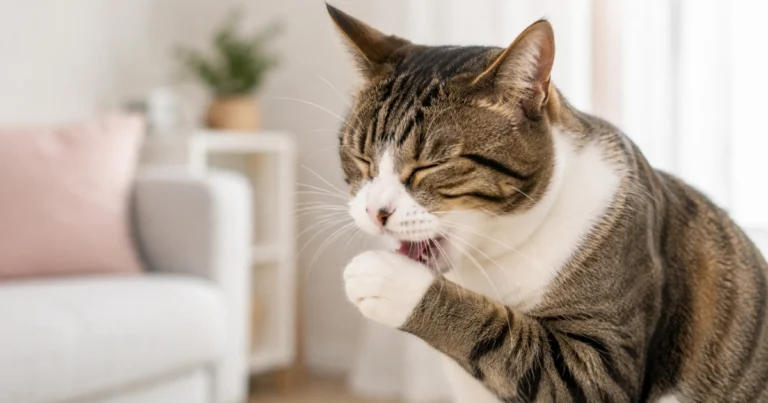
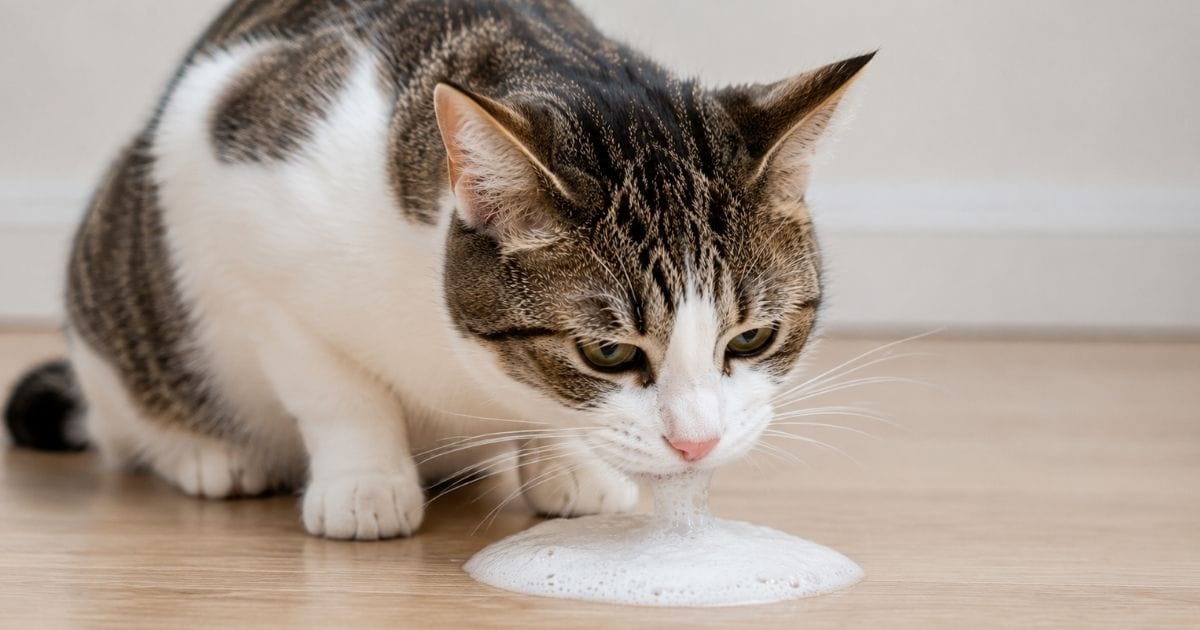
If your cat is vomiting white foam and not eating, it can be a distressing situation. White foam may occur when a cat has an empty stomach or experiences digestive irritation. One common reason could be gastritis or an irritated stomach lining, possibly triggered by dietary indiscretion. Observe their behavior; if they appear lethargic or show signs of dehydration, it’s critical to act quickly. If the vomiting persists or if your cat shows no interest in food for more than 24 hours, reaching out to your veterinarian is essential.
Cat is Throwing up White Foam and Clear Liquid
When a cat is vomiting a white foamy liquid but acting normally, it can be perplexing and concerning. While occasional vomiting might not always signal a serious issue, persistent episodes could indicate underlying health problems, such as thyroid issues, particularly hyperthyroidism. This condition can accelerate metabolism, leading to nausea and vomiting. It’s essential to monitor any changes in behavior.
Food intolerance or allergy is another significant contributor to this troubling symptom. Grains, dairy, or even specific proteins might not sit well with them, causing digestive upset.
Indigestion: Cat Is Vomiting White Foam
When cats experience indigestion, it’s often due to the imbalance of various gastric juices, including hydrochloric acid, which can lead to discomfort. In more pronounced cases, a cat may vomit yellow bile, a clear indicator that something isn’t quite right internally.
Ensuring that your cat stays hydrated can improve gastrointestinal health and digestion. Incorporating high-quality, easily digestible foods may also play a significant role in preventing future episodes of indigestion.
Hairballs in Cats
Cats naturally swallow small amounts of fur while grooming themselves every day. Most of the time, it passes through the digestive system, but sometimes it can build up in the stomach and form a hairball.
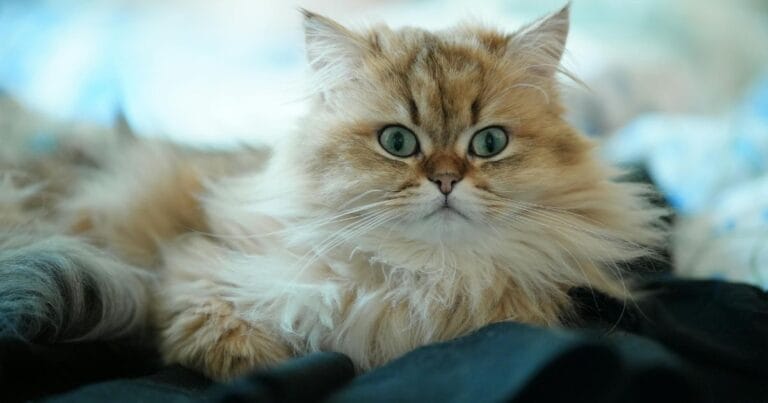
Most hairballs are made of fur mixed with saliva, forming a soft mass that can become a problem if it is not expelled properly. Some cats are more prone to hairballs than others, depending on their grooming habits and coat type. Long-haired breeds, such as Persians, are especially susceptible because of their thick coats. Regular brushing can help remove loose fur before it is swallowed, reducing the chances of hairball formation.
Irritable Bowel Syndrome in Cats Sypmtoms
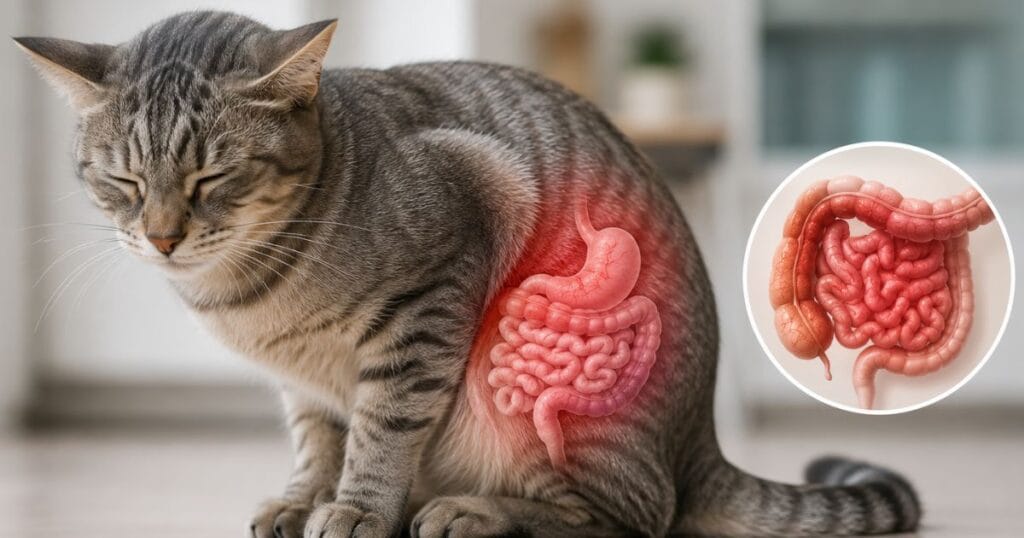
This condition is characterized by symptoms such as chronic diarrhea, constipation, and abdominal discomfort. IBS typically arises from increased sensitivity in the intestines, often triggered by dietary changes. Cats may experience IBS episodes due to anxiety, dietary intolerances, mucus, allergies, or change in colon function.
Diabetes in Cats
Diabetes in cats occurs when the cat’s body either doesn’t produce enough insulin or becomes resistant to its effects, leading to elevated blood sugar levels. Recognizing the signs early on, such as increased thirst and frequent urination, is important. This condition is more common in cats that weigh over 9 pounds.
Cats are obligate carnivores, and a high-protein, low-carbohydrate diet may help manage diabetes in some cats by supporting better blood glucose control.
Pancreatitis
Symptoms of pancreatitis in cats include lethargy, lack of appetite, vomiting, low body temperature, jaundice, fever, and abdominal pain. Many cat owners might misattribute these signs to general malaise or a minor gastrointestinal upset, potentially delaying diagnosis and treatment. Understanding that pancreatitis can result from factors such as obesity, dietary indiscretion, or concurrent diseases adds another layer to this complex condition.
Acute Liver Failure in Cats
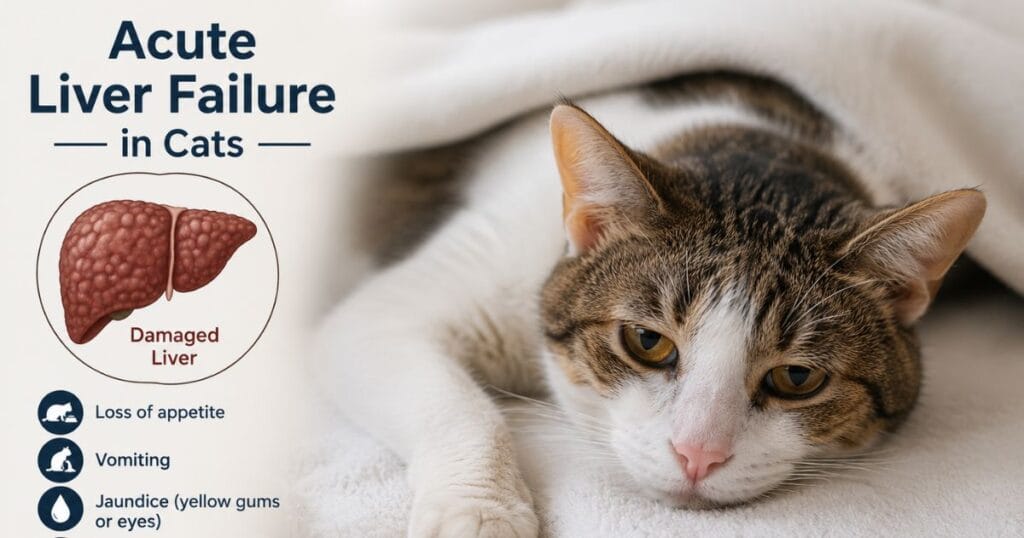
The liver plays a crucial role in producing various proteins and clotting factors, purifying waste and toxins, regulating blood sugar levels, and supporting digestion and metabolism. Cats with liver disease can experience jaundice, characterized by a yellow tint to their skin and the whites of their eyes.
Due to its extensive functions, the liver is particularly vulnerable to damage from numerous factors. It possesses a remarkable ability to regenerate after injury. Research indicates that liver failure occurs when over 70% of the liver’s tissue is compromised.
Kidney Failure
Chronic Kidney Disease (CKD) manifests through many indicators, such as increased thirst, changes in urine production, signs of dehydration, low energy levels, a dull coat, and overall weakness. Much like kidney disease is not treatable, but its symptoms can be effectively managed. If you observe any urinary changes in your senior cat, it is essential to consult your veterinarian.
Hyperthyroidism
Hyperthyroidism in cats is a common endocrine disorder, primarily affecting middle-aged and older felines. One of the leading causes of this condition is the overproduction of thyroid hormones due to benign tumors on the thyroid gland.
Weight loss is often accompanied by hyperactivity, excessive vocalization, and poor grooming. Diagnosing hyperthyroidism typically involves a thorough physical examination and blood tests to measure thyroid hormone levels. Once diagnosed, treatment options vary from antithyroid medications to more permanent solutions like radioactive iodine therapy or surgical removal of the thyroid gland.
Cat Vomiting White Foam and Died
A cat that was vomiting white foam before it died may have had a serious health problem. White foam can occur with digestive upset, poisoning, or serious illnesses such as intestinal blockages and organ disease. This symptom alone cannot explain the cause of death. A veterinarian may recommend a necropsy to help determine what happened.
When To Call the Vet
Recognizing when to call the vet is important for maintaining your cat’s health. If your cat is vomiting repeatedly or shows signs of dehydration, weakness, lethargy, abdominal pain, it is important to take these symptoms seriously.
If your cat has blood in its vomit, continues to vomit, is spitting up white foam, or cannot keep food down, these signs can indicate that your cat is sick. You should also contact your veterinarian if you suspect your cat has swallowed string, plastic, or another foreign object.
Cats are skilled at hiding pain, so sudden changes in behavior, eating, drinking, or litter box habits should not be ignored. Acting quickly can help prevent more serious health complications.
Final Thoughts: My Cat Is Vomiting White Foam
If your cat is vomiting white foam, it may be due to indigestion, an empty stomach, or another underlying issue. Watch for repeated vomiting, changes in appetite, low energy, or other unusual symptoms. If the vomiting continues or your cat seems unwell, contact a veterinarian for proper advice and care.
FAQS on Cat Pucking up White Foam
My Cat Is Vomiting White Foam and Has Diarrhea: Should I Be Worried?
Yes, vomiting white foam along with diarrhea can indicate a digestive problem, such as gastroenteritis, dietary changes, or an infection. If your cat is also refusing to eat, vomiting repeatedly, acting weak, or showing signs of dehydration, contact your veterinarian promptly. Blood in the vomit or stool, severe abdominal pain, or an inability to keep water down requires urgent veterinary attention.
My Cat Is Vomiting Yellow Liquid: What should I do?
Yellow liquid in a cat’s vomit is often bile, which may appear when the stomach is empty. It can also occur with digestive upset or other underlying health problems. If your cat vomits yellow liquid, remove access to plants, spoiled food, or other substances that could cause stomach irritation. Offer fresh water and monitor for further vomiting. If the vomiting continues, your cat refuses to eat, or you notice yellowing of the eyes or gums, contact your veterinarian promptly.