Cat Anxiety: Symptoms, Causes & Treatment
Cat anxiety is a common issue that can cause episodes of anxiety and nighttime restlessness. Behaviors like hiding, litter box issues, excessive grooming, and unusual vocalizations may indicate that your feline is experiencing distress. Identifying these signs early can help you understand what your cat may be going through and provide the right support. Here we know about causes and signs of cat anxiety and how it can affect your cat’s health and daily routine.
Cat Anxiety Symptoms
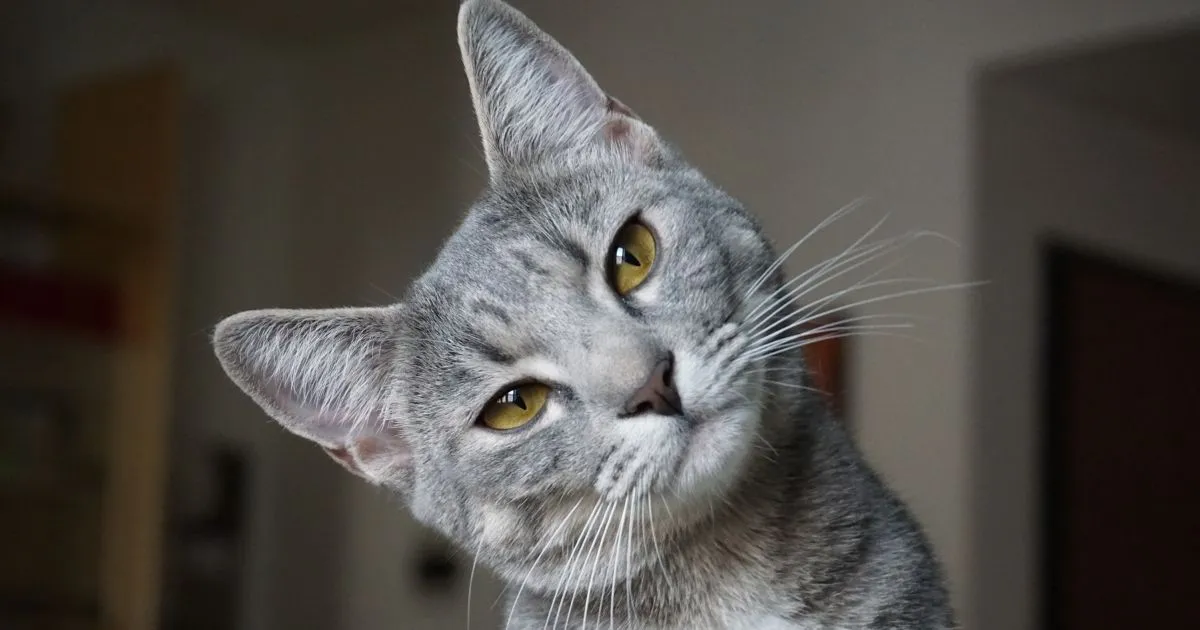
f your cat suddenly seems fearful, it may express its anxiety through signs like flattened ears and wide eyes. An anxious cat may show changes in behavior, eating habits, and body language. Signs of anxiety in cats include:
- Excessive Meowing
- Litter Box Issues
- Aggression
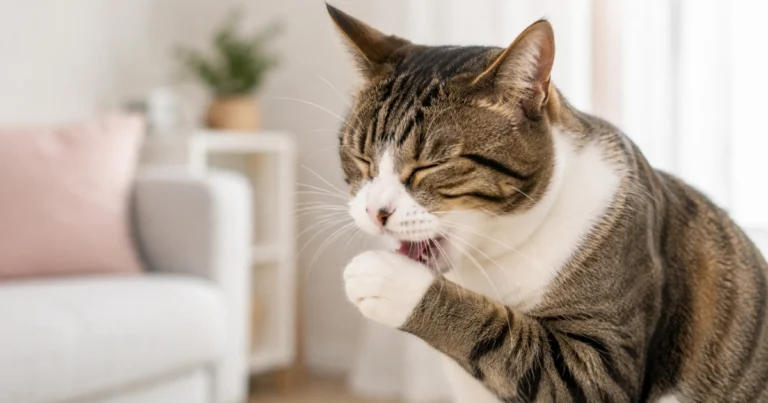
- Over-Grooming
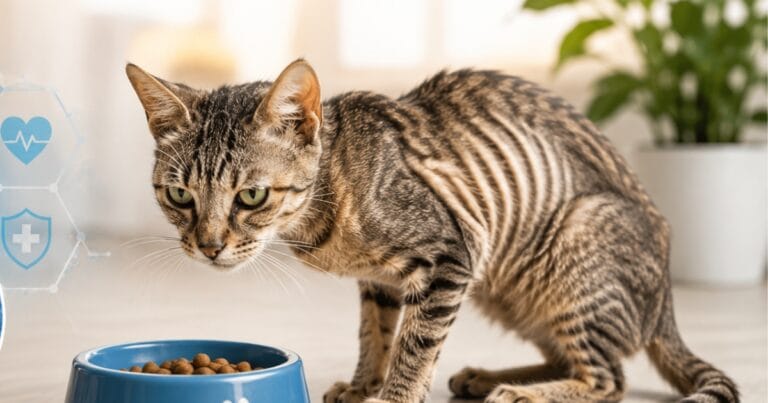
- Appetite Changes
- Body Language Cues
- Scratching Furniture
- Urine Spraying
- Vomiting
- Diarrhea
- Panic Attack
What to Do When Your Cat Is Anxious or Scared
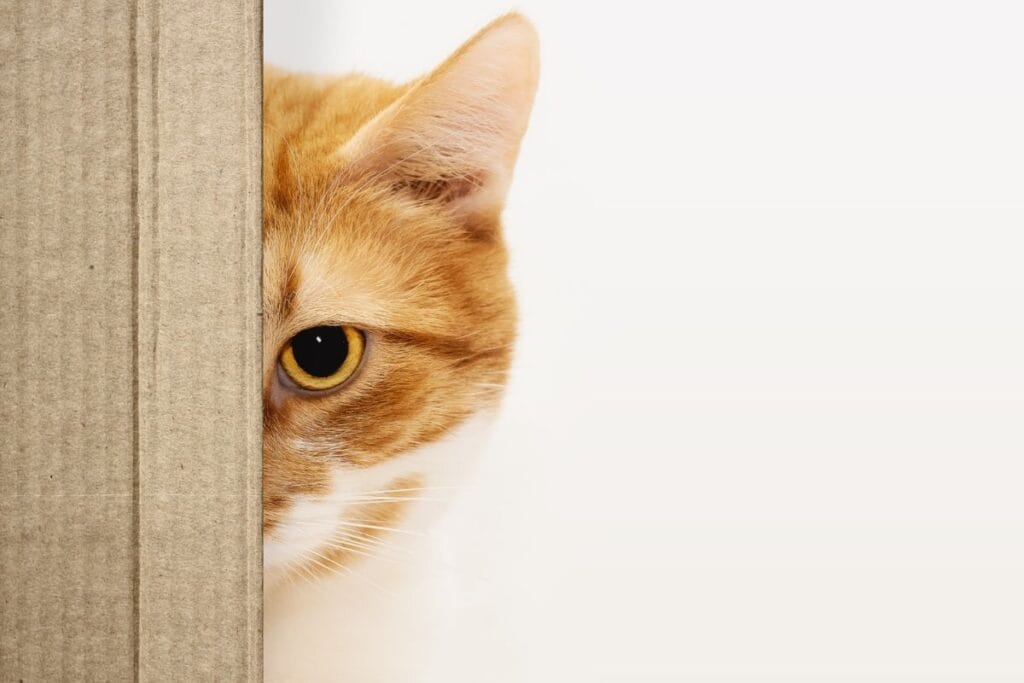
If your cat is scared of you, it’s essential to create an environment where they feel safe and secure. Start by establishing a safe space where your cat can retreat when feeling anxious. This could be a cozy bed in a quiet corner or a designated room. Let your cat approach you when they feel ready instead of cornering or pressuring them.
You can also try the treat drop method, which helps build positive associations without forcing interaction. Cats thrive on consistency, so regular feeding times, play sessions, and quiet moments may help reduce stress. Pheromone diffusers or sprays may also help some cats feel calmer by creating a more relaxing environment. Provide plenty of hiding spots, such as cozy nooks, covered beds, and cat trees, so your cat has options when they need space.
Note: If anxiety is severe, sudden, or affecting eating, litter box habits, or daily behavior, consult your veterinarian.
What Causes Anxiety in Cats
Various factors can trigger anxiety in cats, including:
Health Issues or Discomfort
Any underlying health problems or physical discomfort can lead to increased anxiety in your cat or worsen existing fears. Conditions related to aging, infections, or toxic exposures (like lead poisoning) can manifest as behavioral issues, including heightened fears and anxieties.
Past Trauma
Cats may develop anxiety as a response to a traumatic event. It’s important to recognize that what might seem insignificant to you could be profoundly distressing for your cat. The key factor is your cat’s perception of the event, regardless of how you view it.
Lack of Proper Socialization
Cats that miss out on positive interactions and enriching experiences during their critical socialization window (between 7 to 12 weeks) can become chronically fearful or anxious. Anxiety can also arise from situations where a cat feels trapped by stressors, such as being confined during loud fireworks or living with an intimidating pet.
Separation Anxiety: Can Cats have Separation Anxiety?
When a cat experiences anxiety, especially related to separation from their owners, they may display signs like inappropriate elimination, such as pooping outside the litter box or even vomiting. Cats that form strong bonds with their owners may experience increased anxiety during absences. Although cats are often seen as independent, they can still feel lonely and stressed when left alone. An anxious cat may become lethargic, withdrawn, or less interested in play. Separation anxiety may develop after rehoming, frequent changes in the home, or becoming strongly attached to one caregiver. Cats that are used to constant human company may also feel distressed when left alone.
How Is Cat Anxiety Diagnosed?
Diagnosing anxiety in cats often begins with a thorough medical assessment to rule out any underlying physical issues. Vets typically evaluate the cat’s behavior, noting any signs of distress such as excessive grooming, hiding, or aggressive reactions. To understand the root of your cat’s anxiety, your veterinarian will start by eliminating other potential health issues, including pain or thyroid disorders. This process involves a comprehensive physical examination along with blood and urine tests. Depending on the initial findings, further testing may be advised.
Gathering a detailed history of your cat’s behavior is crucial for accurate diagnosis. Any videos capturing your cat’s anxious moments can provide valuable insights into the triggers and contexts of their anxiety if no medical reasons are identified.
Cat Anxiety Treatment
This may include environmental management, administering supplements or medications designed to alleviate anxiety, and implementing behavior modification strategies. It’s also vital to treat any underlying medical issues concurrently. Without intervention, anxiety disorders in cats can worsen over time. Most treatment plans are long-term endeavors, often lasting several years, depending on the severity and duration of the symptoms.
Integrating interactive toys or puzzle feeders can provide mental stimulation and distract them from anxiety triggers. CBD oil and other hemp-based products should only be used for cats under veterinary guidance, as their safety, effectiveness, and proper dosage are not well established. Calming treats containing ingredients such as chamomile or valerian root may help some cats, but they are not suitable for every pet. Always check with your veterinarian before giving your cat any supplement or over-the-counter anxiety treatment.
How to Deal with Anxious Cat
Effective management includes minimizing exposure to situations that trigger fear or anxiety in your cat. If your cat is particularly stressed and requires immediate protection while medications take effect, which might take several days to weeks, hospitalization may be necessary. In other cases, home care is essential, and you’ll need to create a safe space for your cat to prevent any self-harm until they settle. For cats with specific fears, such as those that are anxious around unfamiliar faces, it’s important to limit their exposure to new visitors, ensuring a low-stress environment.
Behavior Modification to Relieve Cat Anxiety
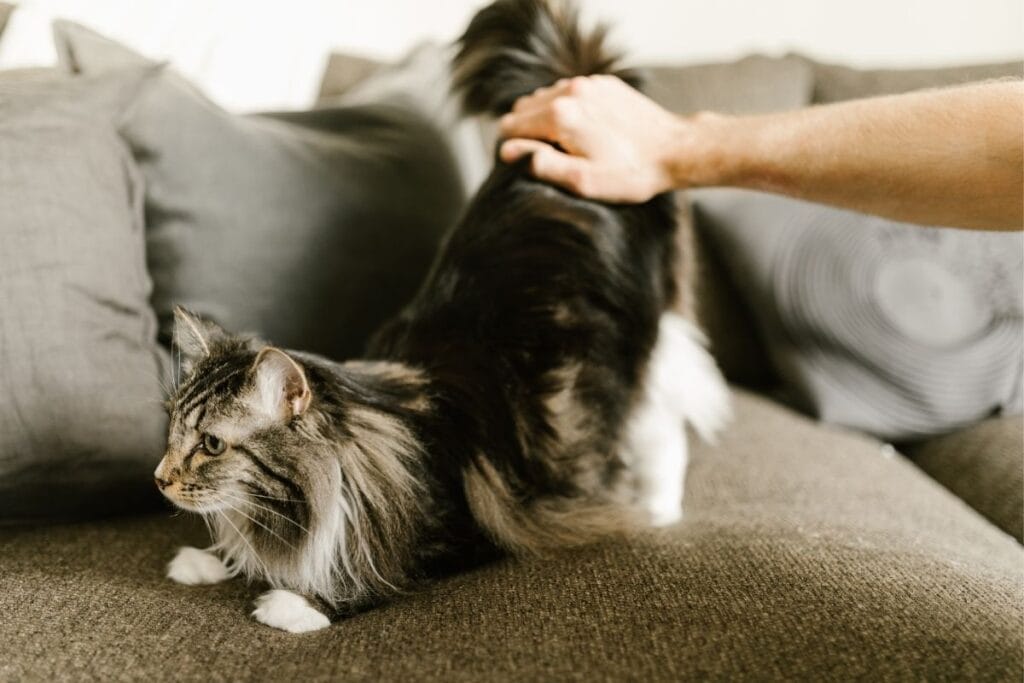
Behavior modification focuses on altering your cat’s emotional response to anxiety-inducing triggers, such as thunder, which leads to a better prognosis rather than perpetually avoiding the situation. Two recommended techniques that your veterinarian might suggest are desensitization and counterconditioning. Both strategies require precise timing and the skill to interpret your cat’s body language, particularly tail movements, to detect early signs of fear and stress.
Desensitization
Desensitization involves intentional and gradual exposure to the stimulus that triggers your cat’s anxiety or fear. A common approach includes exposing your cat to a sound that frightens them at a very low volume, ensuring they remain calm. After playing the sound several times without any noticeable reaction, you can gradually increase the volume and repeat the process.
Counterconditioning
Counterconditioning involves changing the emotional reaction to a stimulus, shifting it from a negative response to a positive one. If a cat is scared of the family dog, offering her favorite treat whenever she sees the dog can help change her feelings over time. Eventually, she may start to associate the dog’s presence with the enjoyment of the treat, moving from fear to positive feelings.
How Can You Prevent Anxious Behavior in Newly Adopted Cats?
When bringing a cat into your home, consider selecting one that displays friendliness towards people .The socialization phase for kittens typically concludes by 7 weeks of age, but studies have indicated that effective socialization practices can still be beneficial for cats up to 14 weeks old.
To minimize the chances of fearful behavior, introduce your cat to diverse social experiences and environments in a positive manner during their early development. It’s essential to avoid forcing your cat into stressful situations. Subjecting them to scenarios that induce noticeable fear can exacerbate anxiety rather than alleviate it.
Conclusion
Cat anxiety is a multifaceted issue that can significantly impact both cats and their owners. Knowledge of the symptoms and underlying causes empowers cat owners to take proactive steps towards helping their anxious pets. Treatment options, ranging from environmental enrichment to professional guidance, can lead to notable improvements in a cat’s overall demeanor.
FAQs
Are certain breeds more prone to anxiety?
Yes, some breeds, like Siamese and Burmese, may be more predisposed to anxiety, but any cat can experience it depending on their individual environment and experiences.
How long does it take to see improvement in an anxious cat?
Improvement can vary, but many cats show signs of relief within a few weeks of consistent treatment and environmental changes. Patience and regular monitoring are key.
What is cat anxiety disorder?
Cat anxiety disorder is a behavioral condition in which a cat experiences excessive fear or stress, often leading to changes in behavior such as hiding, aggression, or inappropriate elimination.