Ultimate Guide to Maine Coon Kitten Prices in 2026
Male Maine Coons commonly weigh 13 to 18 pounds and can stretch 40 inches from nose to tail tip. They also have a tail like a feather boa and a habit of trailing you from room to room. With a Maine Coon lifespan of around 12 to 15 years, these gentle giants can be loving companions for many years.
If you are thinking about bringing one home in 2026, the first thing to understand is the Maine Coon kitten price, since it is higher than what most first-time buyers expect. This guide covers what a kitten typically costs in the US, what pushes that number up or down, and what the first years of ownership look like on a budget.
Maine Coon Breed History
The Maine Coon developed in the northeastern United States, where it became associated with the state of Maine. Its exact origins are uncertain: the breed’s early history was not documented in a way that establishes a single founding story. Popular tales linking Maine Coons to raccoons or to Marie Antoinette are legends, not confirmed explanations of the breed’s ancestry.
By the 19th century, Maine Coons were recognized as working cats on farms and in homes, valued for their ability to hunt rodents. They later entered organized cat shows; one well-known early show cat, Cosey, won a major prize at the 1895 Madison Square Garden show in New York. The breed’s popularity eventually declined as other pedigreed cats gained attention, before Maine Coon enthusiasts helped renew interest and establish formal recognition. That history helps explain how a regional working cat became one of the country’s best-known pedigreed breeds.
Maine Coon Physical Characteristics

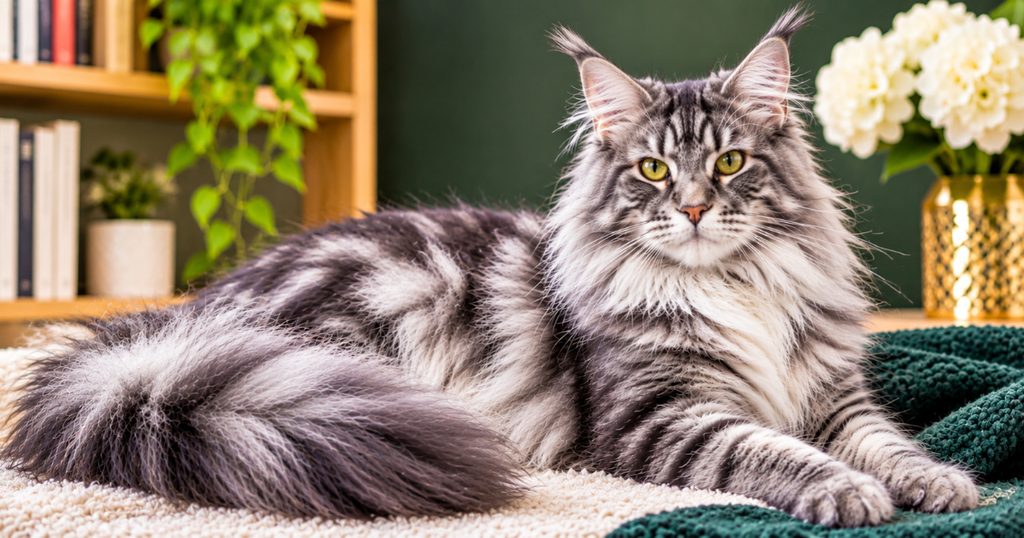
The Maine Coon has a large, sturdy frame, with a long body, broad chest, and muscular build. Its size is balanced by a rectangular outline and substantial bone structure, giving the breed a powerful appearance without looking delicate. Individual cats vary, but many continue growing for several years before reaching their full size.
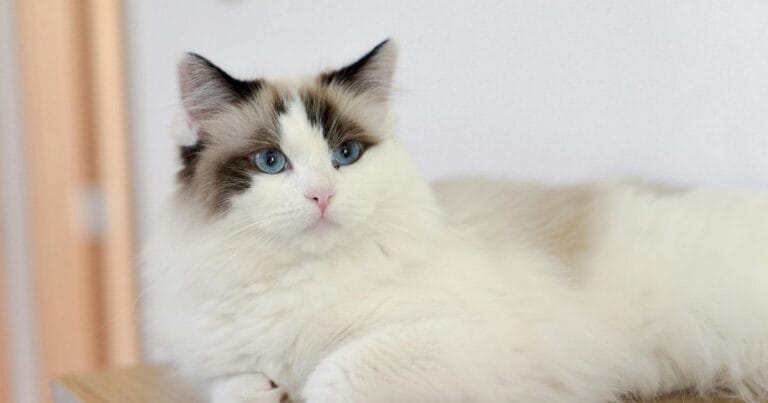
A long, shaggy coat adds to the Maine Coon’s distinctive look. Fur is shorter over the shoulders and longer around the stomach and hind legs, while a full ruff frames the chest. Large ears often have tufts at the tips, and broad paws may have fur between the toes. The long, bushy tail is another hallmark, helping complete the breed’s unmistakable silhouette. Male Maine Coons are generally larger than females, and a male’s weight can reach or exceed 20 pounds.
Maine Coon Personality and Temperament
Maine Coon cats are often sociable, curious companions who enjoy being near their people without demanding constant attention. Many adapt well to family life and like to follow household activity, explore their surroundings, or settle nearby. As with any breed, individual personalities vary, so a cat’s comfort with children, visitors, or other pets depends on its experiences and temperament.
Maine Coons are also known for communicating with more than a typical meow. They may chirp, chatter, and trill to get attention or respond to people, and these sounds can become part of their everyday interaction. Paying attention to a cat’s usual vocal patterns and body language helps you understand what it is communicating and build a comfortable routine together.
How Much are Maine Coons?
The Maine Coon kitten price in the US typically ranges from $4,000 to $8,500 when buying from a reputable cattery, based on the higher-end breeders listed below. Prices have climbed steadily over the past decade, from an average of roughly $2,000 around 2016. A healthy, well-bred pet kitten usually costs around $4,500, while rare colors and championship bloodlines can push the price toward the higher end of the range.
These figures are estimates, and the final cost depends on where you live, the breeder you choose, and the kitten’s qualities. Always confirm current pricing directly with the breeder.
Maine Coon Price by Quality Type
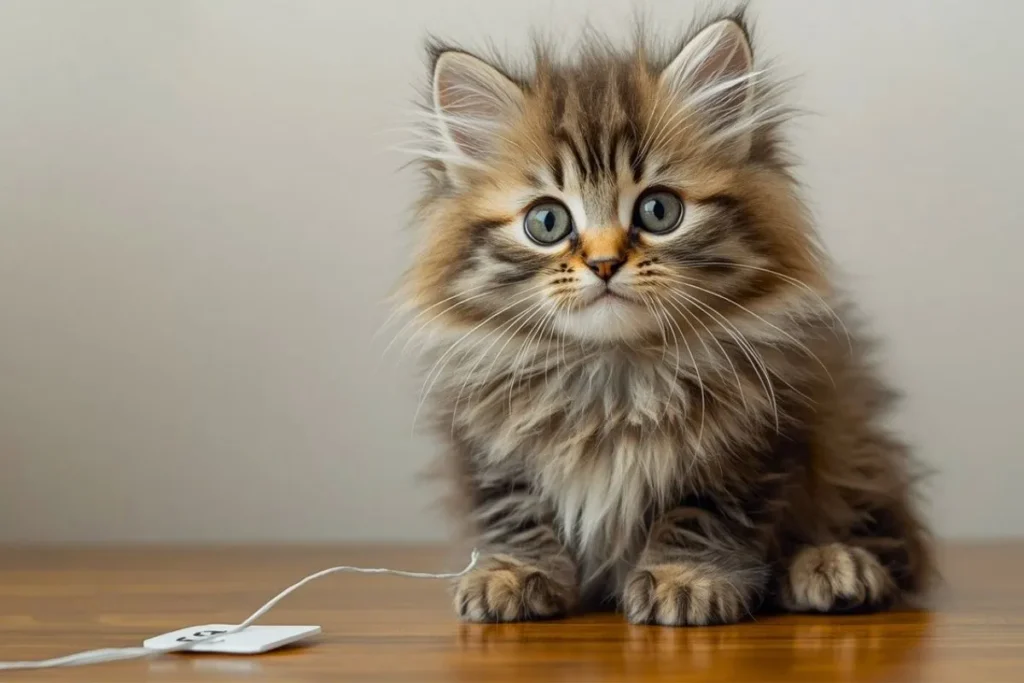
Breeders generally sort kittens into three categories, and each one carries a different price tag.
| Type | Typical Price (USD) |
|---|---|
| Pet-quality kitten | $4,000 – $6,000 |
| Show-quality kittens | $5,500 – $8,500 |
| Retired adult | $500 – $2,750 |
Pet-quality kittens are healthy, affectionate, and simply do not meet strict show standards, which makes them a great fit for families who want a companion. Buyers who plan to show or breed pay more because the cat comes with registration rights and a pedigree to match. Retired adults are the budget-friendly route, and they often arrive litter-trained, calm, and already comfortable around people.
Maine Coon Prices at Popular US Catteries
Costs shift quite a bit from one breeder to the next. The table below shows estimated ranges at several well-known catteries, so you can see how widely the market varies.
| Cattery | Location | Estimated Price Range |
|---|---|---|
| Sassy Koonz | Florida | $5,500 – $8,500 |
| Luxe Kittens | AZ / WA / OK / CA | $5,000 – $9,000 |
| Windy Hill Pets | Ohio | $3,000 – $9,000 |
| Atty Cats | Texas / Florida | $4,500 – $8,500 |
| Royal Maine Coons | North Carolina | $3,800 – $6,800 |
| MNM Maine Coons | Utah | $3,800 – $6,800 |
| EuroCoons | Kansas City | $4,000 – $6,500 |
| Colorado Maine Coons | Colorado | $4,500 |
Demand, location, and reputation can move any of these figures by 10% to 30%, so treat the table as a starting point rather than a quote. A breeder who offers a written health guarantee is worth a slightly higher price almost every time.
Why Are Maine Coon Kittens So Expensive?

Limited Supply and Strong Demand
Responsible breeders keep litters small and infrequent because they care more about the mother’s health than about volume. That careful approach means there are never enough kittens to go around, and waitlists often stretch beyond a year.
The Real Cost of Breeding Well
Raising healthy kittens takes serious money before a single one is sold. Breeders pay for premium food and supplements suited to a large breed, routine and emergency vet visits for both mother and litter, and DNA screening for inherited conditions. They also cover registration with groups such as TICA and CFA, which proves the kitten’s pedigree.
Health Guarantees
Some genetic issues do not appear until a cat is a year old or more. Good breeders stand behind their kittens with a written guarantee, and that long-term promise is built into the price. Testing and screening lower the risk of inherited disease but cannot remove it entirely, so ask to see the parents’ health results before you commit.
Maine Coon Health Issues
Maine Coons can inherit certain health conditions that may affect their quality of life. Knowing about these health issues can help you recognize early warning signs and seek veterinary care when needed.
Hypertrophic Cardiomyopathy (HCM)
Hypertrophic cardiomyopathy is a heart condition involving thickening of the heart muscle. It may not cause obvious signs in the early stages, so a Maine Coon can appear healthy while the condition is present. As the disease progresses, some cats may develop breathing difficulties, lethargy, or signs of heart failure. Genetic testing can help identify certain inherited mutations, while a veterinarian may recommend regular heart screenings, such as an echocardiogram.
Hip Dysplasia
Hip dysplasia occurs when the hip joint does not develop or fit together normally. It can contribute to discomfort, stiffness, or difficulty moving, though signs vary between cats. Your Maine Coon may avoid jumping, have trouble climbing stairs, or show changes in how it walks. Weight management, a suitable diet, medication, and, in severe cases, surgery may help manage the condition. A veterinary examination can help determine the best treatment.
Spinal Muscular Atrophy (SMA)
Spinal muscular atrophy, or SMA, is an inherited neurological condition that affects the nerves controlling muscles. Maine Coon kittens may begin showing signs around 3 to 4 months of age. Symptoms can include muscle weakness, reduced muscle tone, an unsteady walk, and tremors. Although the condition affects movement, it does not usually affect a cat’s intelligence. Cats with SMA can still enjoy a good quality of life with appropriate care. Genetic testing can help identify affected kittens and carriers.
Polycystic Kidney Disease (PKD)
Polycystic kidney disease (PKD) is an inherited condition that causes fluid-filled cysts to develop in the kidneys. It can affect cats of different breeds and is not considered one of the main health conditions specifically associated with Maine Coons.
Chronic Gingivitis
Chronic gingivitis is a dental condition that causes ongoing inflammation of the gums. It can affect cats of any breed and may lead to redness, swelling, discomfort, and difficulty eating.
Traits That Can Raise the Price
Some features make a kitten more valuable, and breeders price them accordingly.
- Championship and European lines: Kittens from show-winning parents or well-established pedigrees may cost more because of their lineage and show potential.
- Rare coat colors: Silver shaded, chinchilla, high smoke, and solid white coats are harder to produce and cost more.
- Striking eyes: Deep blue eyes, or odd eyes with two different colors, tend to draw a premium.
- Extra toes: Polydactyl paws are uncommon and give a kitten a one-of-a-kind look.
Not every cattery follows this approach. Sassy Koonz, for example, charges one flat price for all of its pet kittens regardless of color or gender.
A Budget-Friendly Option: Retired Maine Coons
Not everyone wants a tiny kitten, and not everyone can spend $5,000 or more. A retired adult usually costs between $500 and $2,750, which is a fraction of the kitten price and often includes a calmer, more settled personality.
Breeders retire cats for several practical reasons:
- The cat has produced the number of litters the cattery planned for.
- One of its offspring is old enough to take over as the next breeding cat.
- The breeder is bringing in fresh bloodlines.
- The cat is simply happier in a quiet household than in a busy cattery.
- A health concern appeared, and the cat was removed from the program right away.
- The breeder changed direction and no longer needs the cat.
How to Avoid Maine Coon Scams
Fake listings are common, and scammers often borrow a trusted breeder’s name and photos to collect deposits for kittens that do not exist.
- Ask for a live video call so you can see the kitten and the parents in real time.
- Be wary of anyone who only accepts gift cards, wire transfers, or payment apps with no buyer protection.
- Request pedigree and registration papers, then verify them with the registry.
- Treat prices far below the market average as a warning sign, not a bargain.
- Look for reviews, a real website, and a breeder who answers questions openly.
Take your time with this decision. A breeder worth buying from will never rush you.
What It Costs to Raise a Maine Coon Kitten
Over a lifespan of 12 to 15 years, the estimated cost of ownership can range from approximately $23,040 to $51,300, not including the kitten’s purchase price.
| Expense | Monthly Cost |
|---|---|
| High-quality, protein-rich food | $60 – $90 |
| Cat litter | $20 – $35 |
| Grooming supplies | $10 – $20 |
| Pet insurance | $30 – $60 |
| Routine vet care | $40 – $80 |
Food matters most. A large, muscular cat needs quality protein, and cheap fillers will not support healthy growth. Insurance is worth serious thought as well, because the breed is prone to heart disease (hypertrophic cardiomyopathy) and hip dysplasia, and a single emergency visit can cost more than a year of premiums.
You will also have one-time costs at the start, such as vaccinations, spay or neuter surgery, a microchip, a sturdy carrier, and extra-large furniture.
Money-saving tip: Start brushing early. A kitten that learns to enjoy the brush grows into an adult who is easy to groom, which can save you hundreds on professional appointments later.
Caring for a Maine Coon Kitten
These felines are known for their playful and social nature. Toys that stimulate their hunting instincts, like feather wands and puzzle feeders, help strengthen your bond with them. Here are a few facts to help new owners prepare.
- Slow growth: Maine Coons continue to grow until they are three to five years old.
- A love of water: Many of them enjoy splashing in a sink or following you into the bathroom. Their water-resistant coat helps them stay warm and dry.
- Regular grooming: Their thick, long fur tangles easily, so plan to brush them two or three times a week. Pay attention to the tufts on their ears and the fur between their toes.
- Room to move: Standard litter boxes and cat trees are often too small, so choose extra-large versions that give your cat space to stretch and climb.
- Smart feeding: A high-protein diet supports their large frames, but watch the portions. Extra weight puts pressure on the joints and can shorten a cat’s active years.
Final Thoughts
Maine Coon kittens are a wonderful choice for families looking for a friendly, intelligent, and affectionate companion. In 2026, the Maine Coon kitten price in the United States depends on the breeder, pedigree, coat color, and location. However, the initial purchase price is only part of the total cost. Food, litter, vaccinations, regular veterinary visits, grooming supplies, and unexpected medical expenses can add up over time.
With proper planning and responsible care, your Maine Coon can become a cherished part of your family for many years. The best choice is not simply the kitten you can afford today, but the one you can comfortably care for throughout its life.
If you want complete information about this breed, from temperament to grooming and lifespan, read our full Maine Coon cat guide.
FAQs
How Long Do Maine Coons Live?
The average Maine Coon lifespan is 12 to 15 years with proper care. A balanced diet, regular exercise, and routine vet visits help support a longer, healthier life. Genetics and inherited health conditions can also affect how long they live.
Are Maine Coons Good Pets?
Yes, Maine Coons make excellent pets because they are friendly, affectionate, and intelligent. They generally get along well with children and other pets. Their playful nature and gentle personality make them wonderful family companions.
How Big Do Maine Coon Cats Get?
Maine Coon cats are one of the largest domestic cat breeds. Adult males typically weigh 13 to 18 pounds, while females usually weigh 8 to 12 pounds. They can reach up to 40 inches in length, including their long, bushy tails.