Toy Poodle Dog Breed Information
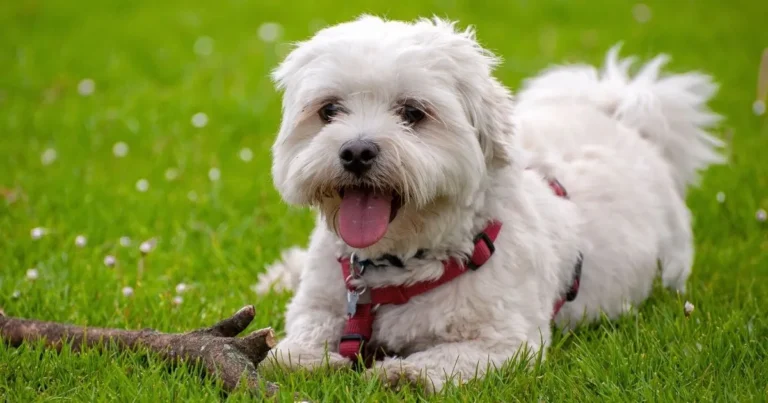
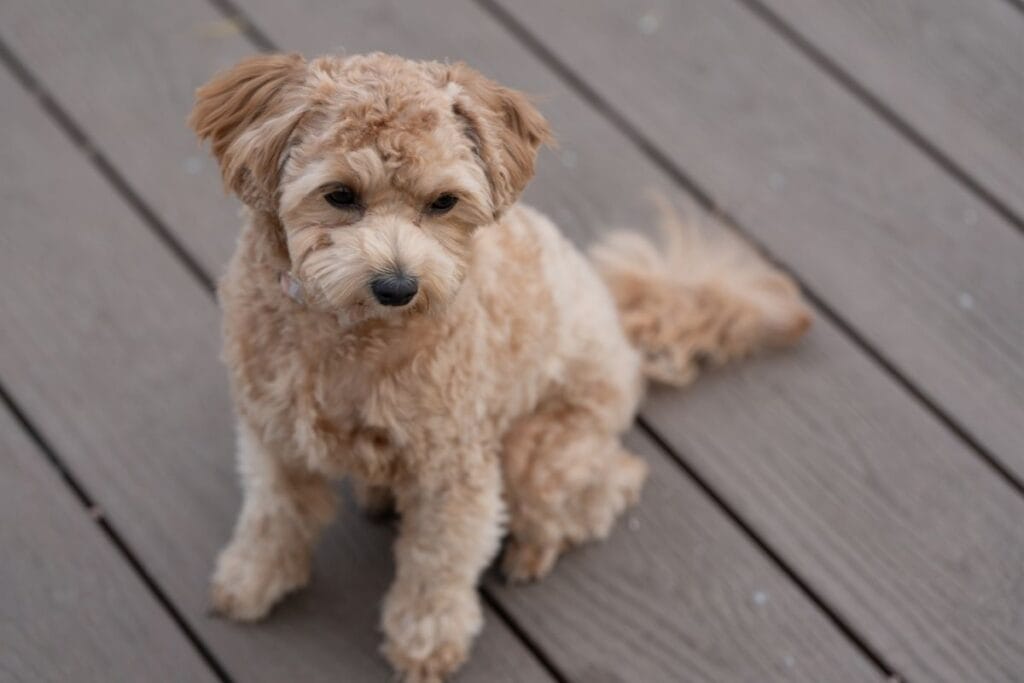
The Toy Poodle dog is one of the smartest dog breeds and is known for its intelligence, playful nature, and affectionate personality. Standing no more than 10 inches tall and typically weighing around 4 to 6 pounds, this small dog makes a wonderful companion.
Whether you’re considering bringing home a Toy Poodle or already own one, understanding its health and care needs is essential. This guide covers common health concerns, grooming, nutrition, and daily care.
Toy Poodle Caring
| Characteristics | Information |
|---|---|
| Height | Under 10 inches |
| Lifespan | Ranges from 10 to 18 years |
| Breed Type | Toy breed |
| Shedding Rate | Very minimal |
| Temperament | Affectionate but tends to be somewhat anxious |
| Energy Requirements | Generally low energy |
| Typical Health Concerns | Dental problems, patellar luxation, ear infections, and tracheal collapse |
Toy Poodles are intelligent and eager to please, making them relatively easy to train. They have curly coats that grow continuously and need regular brushing and professional trimming every four to six weeks. Their low-shedding coats may also suit some people with allergies, although no dog is completely hypoallergenic.
Toy Poodle Full Grown Size
A fully grown Toy Poodle typically stands no more than 10 inches tall at the shoulder and weighs around 4 to 6 pounds. Its small size makes it suitable for many homes, including apartments, but it still needs daily exercise and playtime.
Some people also search for a Teacup Poodle when looking for an especially small dog. This is not an officially recognized Poodle size, and extremely small dogs may have additional health risks. Always choose a healthy puppy from a responsible breeder.
Health Issues for the Toy Poodle Dog Breed
The Toy Poodle lifespan typically ranges from 10 to 18 years, and this breed is generally considered healthy. Toy Poodles may develop certain health issues during their lives that require proper attention and care.
Reputable breeders of Toy Poodles often conduct health screenings to minimize the risk of passing on inherited health problems, thereby producing healthier puppies. Understanding your Toy Poodle’s potential health risks can help you make informed decisions about preventive care. Your veterinarian may recommend appropriate health screenings or genetic testing based on your dog’s breed and family history.
Progressive Retinal Atrophy (PRA)
Progressive retinal atrophy (PRA) refers to a collection of conditions that lead to the degeneration of photoreceptor cells in the retina. Initially, affected dogs may struggle with night vision, and over time, this can progress to total blindness. PRA is hereditary, and unfortunately, no effective treatments currently exist.
Patellar Luxation
In a healthy dog, the patella, or kneecap, fits snugly in a groove within the femur (thigh bone) at the knee joint. In the case of patellar luxation, the kneecap may dislocate from this groove, particularly when the knee is bent. This misalignment can lead to pain and possibly develop into arthritis eventually.
Dogs may display signs of discomfort, such as limping or running on three legs when the kneecap is out of position. While some instances may resolve on their own, more severe cases often require intervention. Mild cases may be managed through veterinary monitoring, maintaining a healthy weight, and adjusting activity when needed. More severe cases may require surgery, depending on the dog’s condition.
Legg-Calve-Perthes Disease
Legg-Calve-Perthes disease involves the breakdown of the femoral head, located at the top of the thigh bone, usually due to poor blood circulation. This condition commonly causes pain and limping.
It mainly impacts young dogs, especially Toy Poodle puppies younger than 18 months. While mild cases can often be treated with pain relief medications, more severe cases might require surgery to remove the femoral head.
Ear Infections
Ear infections in dogs arise from an overgrowth of yeast or bacteria in the ear canal. Symptoms may include visible debris, redness, foul odor, head shaking, and persistent scratching.
If you observe any of these symptoms, it’s essential to consult a veterinarian for a thorough examination. Often, ear infections can be treated effectively through cleaning the ear with veterinarian-approved solutions, administering prescribed medications, and investigating any underlying causes, such as allergies.
Toy Poodles may develop ear infections because their floppy ears and hair around the ear canals can contribute to moisture buildup and debris. Ask your veterinarian whether trimming excess ear hair is appropriate for your Toy Poodle. Avoid plucking ear hair unless your veterinarian specifically recommends it. For dogs that experience frequent or chronic ear infections, addressing potential allergies is important for long-term relief.
Dental Disease

Dental disease ranks among the most frequently encountered health issues in dogs, particularly in smaller breeds like the Toy Poodle. This condition arises from the accumulation of tartar and plaque, which can lead to bacterial infections in the tissues surrounding the teeth and beneath the gumline. If left untreated, it can result in the decay of teeth and bone.
To effectively prevent dental disease, daily brushing with toothpaste formulated for dogs is highly recommended. Additionally, certain diets, treats, and chew toys can assist in reducing plaque and tartar buildup.
Regular dental check-ups are essential for assessing your Toy Poodle’s oral health. These cleanings help to remove plaque and tartar, polish the teeth, and address any severely unhealthy teeth through treatment or extraction. Untreated dental disease can cause pain, tooth loss, and infections that may affect your dog’s overall health.
Tracheal Collapse
Tracheal collapse is a condition where the trachea, commonly referred to as the windpipe, becomes flattened. This phenomenon often results from weakened cartilage rings or sagging membranes along the trachea.
Affected Toy Poodles may show symptoms such as a dry cough, which tends to worsen during eating or excitement. While most cases are manageable with medication, severe instances that hinder breathing might necessitate surgical intervention.
Maintaining a healthy weight and using a well-fitted harness instead of attaching the leash directly to the collar can help reduce pressure on the neck. These steps may help prevent additional irritation, but they cannot guarantee that tracheal collapse will be avoided.
Von Willebrand’s Disease in Toy Poodle Dog Breed
Von Willebrand’s disease (vWD) is an inherited bleeding disorder that can affect Toy Poodles. It occurs when the body has insufficient or poorly functioning von Willebrand factor, a protein that helps platelets attach to damaged blood vessels and supports normal blood clotting.
Dogs with this condition may experience nosebleeds, bleeding from the gums, blood in their urine, or prolonged bleeding after an injury or surgical procedure. The severity of symptoms can vary, and some affected dogs may show no obvious signs until an injury or surgery occurs.
Veterinarians can recommend blood tests to help diagnose vWD. Responsible breeders may also screen breeding dogs for this inherited condition. If your Toy Poodle is scheduled for surgery, including spaying or neutering, discuss appropriate testing with your veterinarian beforehand.
Nutritional Guidance for the Toy Poodle
To provide your Toy Poodle with a well-rounded diet, consider feeding commercial kibble or wet food that adheres to the nutritional standards set by the Association of American Feed Control Officials (AAFCO).
For puppies, it’s best to select food specifically formulated for their developmental needs or suitable for all life stages. Adult Toy Poodles may benefit from dental-focused diets, which your veterinarian might recommend to help mitigate dental health issues.
For tailored advice on the most appropriate food for your Toy Poodle, consult your veterinarian. Brands like Royal Canin offer specialized diets designed for both Poodle puppies and adult dogs.
How to Properly Feed a Toy Poodle

Toy Poodles, being a small dog breed, thrive on two to three meals each day. In contrast, Toy Poodle puppies require three to four smaller meals daily on a regular schedule to help regulate their blood sugar levels and avoid hypoglycemia.
How Much Food Does a Toy Poodle Need?
The ideal caloric intake for a Toy Poodle can vary based on several factors such as their size, metabolism, whether they are neutered, and their activity level. Consulting with your veterinarian is the best approach to accurately assess your dog’s nutritional requirements.
Moreover, dog food packaging typically offers helpful serving recommendations for pet owners. It’s important to note that for smaller breeds like the Toy Poodle, caloric intake from treats can accumulate rapidly.
Treats should constitute no more than 10% of your Toy Poodle’s daily calorie consumption, while the remaining 90% should be sourced from their regular dog food.
Nutritional Advice for Toy Poodle Dog Breed
Omega-3 fatty acids, including EPA and DHA, may support skin, coat, and joint health in dogs. They are found in some commercial dog foods and supplements. Ask your veterinarian whether your Toy Poodle needs an omega-3 supplement and what amount is appropriate.
Toy Poodle Behavior and Training
Personality and Temperament of Toy Poodles
The Toy Poodle dog breed is known for its remarkable intelligence and strong desire to please its owners. They are lively and self-assured, especially when properly socialized from an early age.
While generally composed, Toy Poodles thrive on interactive play and exercise with their families. They are typically gentle around other pets and children; however, supervision is crucial during interactions due to their small size, as they can be inadvertently injured during play.
Behavior Patterns of Toy Poodles
These affectionate dogs form strong attachments to their families and may experience separation anxiety if left alone for long durations. They can also be sensitive to stressful situations, which may cause digestive issues due to sudden changes in their surroundings.
Given their high intelligence, Toy Poodles require mental engagement to prevent boredom — which can lead to excessive barking, jumping, or destructive behaviors. It’s important to keep your Toy Poodle occupied with a variety of interactive activities, toys, and training exercises.
Training Your Toy Poodle Dog Breed
Training is most effective when centered around positive reinforcement, which involves offering praise and tasty treats. It’s essential to monitor their treat intake to avoid overfeeding.
Engaging Activities for Toy Poodle
- Obedience training
- Nose work and tracking exercises
- Enrichment puzzles
- Agility courses
Toy Poodle Dog Grooming
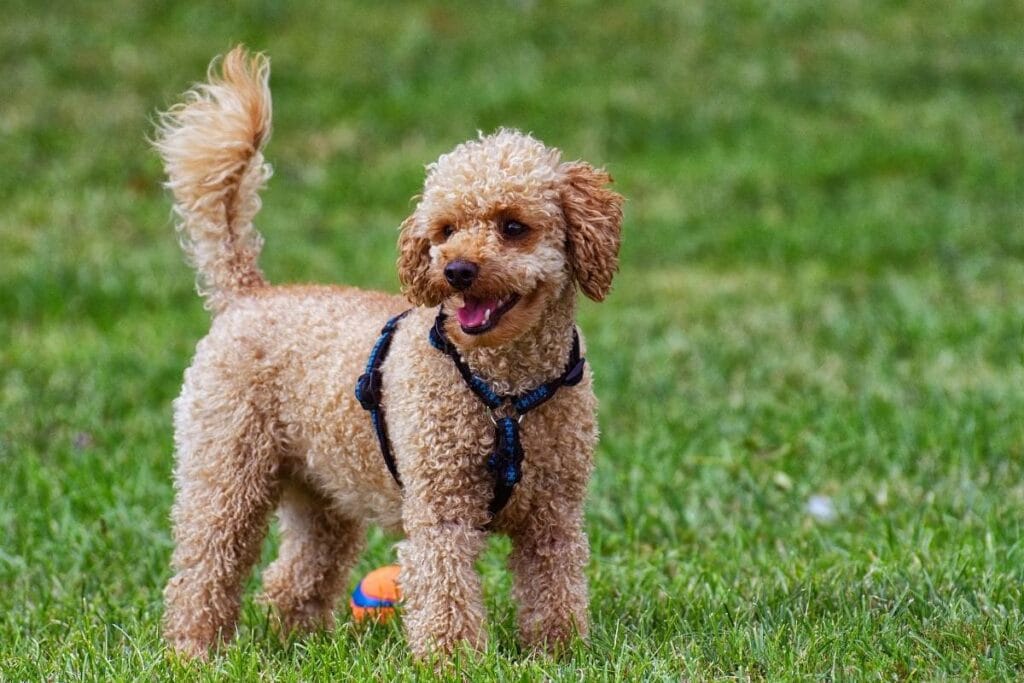
Toy Poodles have dense, curly coats that shed very little but can develop mats without regular care. Daily brushing and professional grooming help keep their coats clean and manageable.
Skin Care:
Toy Poodles should receive a bath every two to four weeks. Your veterinarian might suggest more frequent baths based on your dog’s health and any existing medical issues. A mild, dog-specific shampoo and conditioner are ideal for maintaining their curly coat.
Coat Care:
Unless your Toy Poodle has a very short clip, it is essential to brush their hair daily to avoid matting. Make sure to detangle the hair right down to the roots.
Originally, Poodles were styled in the traditional Continental clip for hunting purposes. This grooming technique minimized the bulk of heavy hair, while still protecting key areas of the body from cold and wet conditions. Nowadays, this style is less frequently seen on household pets, as the short puppy cut demands less maintenance at home.
Eye Care:
Daily cleaning of your Toy Poodle’s eyes with a soft, damp cloth or a veterinarian-recommended eye cleaner can help eliminate debris. Some Poodles are susceptible to significant tear staining around their eyes, but rinsing the corners daily with saline can help mitigate this issue.
The hair around your Toy Poodle’s eyes should be trimmed carefully to prevent irritation. If you observe squinting or any eye discharge, consult your veterinarian, as these symptoms may indicate a more serious eye condition.
Final Thoughts on Toy Poodle Dog
The Toy Poodle is a small, intelligent breed that can make a wonderful family companion. Regular veterinary check-ups, proper nutrition, dental care, and consistent grooming help support its long-term health. By understanding common health concerns and providing daily care, owners can help their Toy Poodle enjoy a comfortable and healthy life.
Frequently Asked Questions
How Big Does a Toy Poodle Get?
A fully grown Toy Poodle usually stands up to 10 inches tall at the shoulder and weighs approximately 4 to 6 pounds. Its adult size can vary slightly depending on genetics and individual development.
Is a Toy Poodle a Good Dog?
Yes, a Toy Poodle can make an excellent companion. These dogs are intelligent, affectionate, and playful. Their small size makes them a good fit for apartments and smaller homes. They enjoy spending time with their families and need daily playtime, exercise, and attention.
How Expensive Is a Toy Poodle?
In the United States, a Toy Poodle puppy from a reputable breeder typically costs around $1,200 to $3,000. Prices can vary based on the breeder, location, pedigree, and health testing. Adoption through a rescue organization or shelter may cost less. Remember to budget for food, grooming, veterinary visits, and other ongoing expenses.
Do Toy Poodles Have Behavior Problems?
Toy Poodles are generally well behaved, but they may develop certain behavior problems without proper training and attention. Common issues include excessive barking, separation anxiety, and difficulty being left alone. Early socialization, positive reinforcement, regular exercise, and mental stimulation can help prevent or manage these behaviors.
What Type of Breed Is a Toy Poodle?
A Toy Poodle is the smallest of the three officially recognized Poodle sizes: Standard, Miniature, and Toy. It belongs to the non-sporting group according to the American Kennel Club (AKC). Toy Poodles are known for their curly coats, high intelligence, and affectionate personalities.