
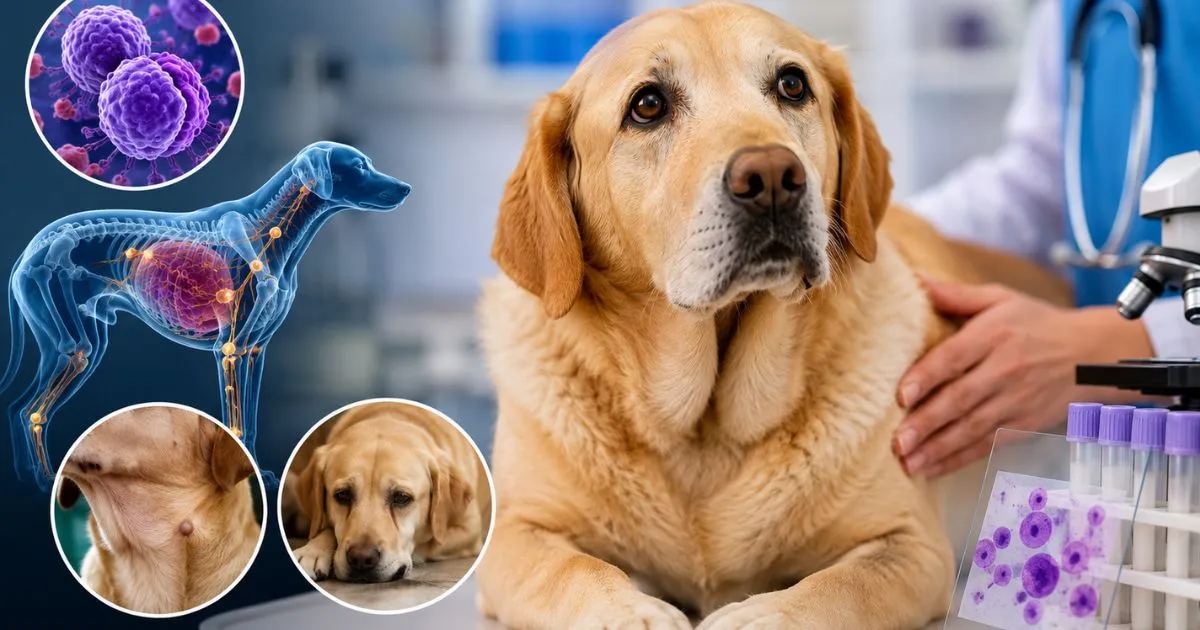
Lymphoma in Dogs: Symptoms, Stages, and Treatment
Lymphoma is one of the most common types of cancer diagnosed in dogs, and it can be an aggressive disease. It affects the lymph nodes and other specialized lymphatic organs vital to a dog’s immune system, often leading to symptoms like weight loss and loss of appetite. This article will cover the symptoms of lymphoma in dogs, the various stages of the condition, and the available treatment options.
What Is Lymphoma in Dogs?
This cancer develops when lymphocytes, a type of white blood cell that plays a key role in fighting infection, begin to grow and divide uncontrollably. Over time, these abnormal cells can build up in lymph nodes and other lymphoid tissues, including the spleen, bone marrow, and tonsils.
As the disease progresses, affected lymph nodes often become noticeably enlarged, which is usually the first sign owners notice. In more advanced cases, cancerous lymphocytes can enter the bloodstream and spread to other organs, making the disease harder to treat and manage.
Symptoms of Lymphoma in Dogs
Lymphoma often first appears as firm, painless lumps caused by enlarged lymph nodes. These are easiest to feel under the jaw, in front of the shoulders, or behind the knees. One or several lymph nodes may become enlarged. As the disease progresses, dogs may develop broader symptoms, including:
- Unexplained weight loss
- Reduced appetite
- Swelling of the face or limbs
- Increased thirst and urination
- Low energy or reduced exercise tolerance
Depending on the area affected, other signs may include:
- Flaky skin, sores, or changes in skin color
- Unexplained hair loss
- Vomiting or diarrhea
- Persistent coughing
- Difficulty breathing
These symptoms can occur with many other health conditions, so a veterinarian should examine your dog to determine the underlying cause.
Types of Lymphoma in Dogs
Lymphoma is a common cancer in dogs, most often affecting middle-aged and older dogs. It can develop in different parts of the body, causing symptoms based on the area involved.
- Multicentric Lymphoma: The most common type, affecting multiple lymph nodes and causing noticeable swelling, especially around the neck, shoulders, and legs.
- Alimentary (Gastrointestinal) Lymphoma: Affects the stomach and intestines and may cause vomiting, diarrhea, poor appetite, and weight loss.
- Cutaneous Lymphoma: Affects the skin and may cause redness, sores, scaly patches, lumps, or thickened skin.
- Mediastinal (Thymic) Lymphoma: Develops in the chest and may put pressure on nearby structures, causing coughing, breathing problems, or difficulty swallowing.
- Central Nervous System Lymphoma: Affects the brain or spinal cord and may cause seizures, weakness, coordination problems, or behavior changes.
- Extranodal Lymphoma: Develops outside the lymph nodes, affecting organs such as the eyes, kidneys, lungs, or other tissues.
Stages of Lymphoma in Dogs
Lymphoma is divided into five stages based on how far it has spread in the body. Stages I and II are uncommon, as most dogs aren’t diagnosed until the disease has already progressed further.
- Stage I: Lymphoma is localized to a single lymph node. Symptoms may be mild and are often limited to swelling in the affected area.
- Stage II: The disease spreads to multiple lymph nodes in the same region. The dog may exhibit signs of illness such as weight loss or a decreased appetite. Diagnosis typically involves physical examinations.
- Stage III: Lymphoma has spread to lymph nodes throughout the body. Symptoms intensify and may include fatigue and a persistent fever. Monitoring for changes in behavior and appetite can aid in timely intervention.
- Stage IV: The disease now impacts the spleen and liver, leading to more systemic symptoms. Dogs may experience pronounced lethargy and potential jaundice.
- Stage V: Lymphoma has spread to the bone marrow or other organs.
Diagnosing Lymphoma in Dogs
It’s worth noting that swollen lymph nodes don’t always mean cancer. Infections, autoimmune conditions, and other illnesses can also cause lymph nodes to enlarge. Diagnosis typically follows these steps:
- Physical examination: The veterinarian reviews the dog’s medical history, symptoms, and overall health, checking for enlarged lymph nodes and signs of illness in other organs.
- Fine-needle aspiration (FNA): A small sample is collected from an enlarged lymph node and examined under a microscope to confirm lymphoma. This is typically the first diagnostic tool used because it’s quick, minimally invasive, and can often be done without sedation.
- Tissue biopsy: May be recommended when FNA doesn’t provide enough detail, allowing closer examination of the affected tissue’s structure. Biopsies generally require a short anesthetic procedure but offer a more definitive diagnosis than FNA alone.
- Blood work: Includes a complete blood cell count to check red blood cells, white blood cells, and platelets, along with serum biochemistry to assess how well internal organs like the liver and kidneys are functioning. This also shows whether a dog is strong enough to tolerate chemotherapy.
- Chest X-rays and abdominal ultrasound: Reveal whether internal organs such as the spleen or liver are involved and show how far the lymphoma has spread.
- Bone marrow aspirate: Checks whether lymphoma has reached the bone marrow, which can influence both prognosis and treatment choices.
- Immunohistochemistry: Uses specific markers to identify B-cell or T-cell lymphoma, offering useful insight into prognosis.
- Flow cytometry: Examines individual cells to classify their type, often used alongside immunohistochemistry for a more complete picture.
Dogs with B-cell lymphoma generally respond better to treatment and tend to have longer survival times than those with T-cell lymphoma, making this distinction valuable when planning treatment.
Treatment of Lymphoma in Dogs

Chemotherapy is the primary treatment for lymphoma in dogs and offers the best chance of achieving remission. Most protocols involve a series of injections given on a weekly or biweekly schedule over several months. Unlike humans, dogs generally tolerate chemotherapy quite well. Hair loss is rare, and most pets continue to eat, play, and act like themselves throughout treatment. When side effects do occur, they’re usually mild and may include an upset stomach, loose stools, or a temporary dip in appetite.
For dogs that aren’t good candidates for chemotherapy, whether due to other health conditions or the cost involved, prednisone offers a more affordable alternative. While this steroid doesn’t cure the cancer, it can shrink swollen lymph nodes and ease symptoms for a limited time. Surgery or radiation therapy is occasionally used too, but only in specific situations, such as a single, localized tumor that hasn’t spread elsewhere in the body.
Supportive care can also make a real difference in how a dog feels during treatment. A high-quality diet helps maintain strength and body condition throughout the process, while a calm, low-stress environment supports comfort and emotional health. Some owners also explore complementary options like gentle massage, though these should always be viewed as an addition to veterinary care rather than a replacement for it.
Prevention of Lymphoma in Dogs
Lymphoma can’t be fully prevented since genetics play a major role, but a few habits may help support your dog’s health. Feed a balanced diet with fresh fruits, vegetables, and fish oil to boost immunity and reduce inflammation. Schedule regular vet checkups to catch any unusual lumps early. Limit exposure to pesticides and harsh household chemicals, and keep your dog active with regular exercise.
Conclusion
Lymphoma is a serious condition in dogs that requires careful attention and prompt action. Recognizing the symptoms and understanding the various stages can help you navigate the treatment process more effectively, ultimately providing your pet with the best chance for recovery.
FAQs
How long will a dog live with lymphoma?
Survival time depends heavily on treatment. Without any treatment, most dogs live only four to six weeks after diagnosis. With chemotherapy, many dogs achieve remission and live an average of about one year.
What are the signs of end stage lymphoma in dogs?
As the disease reaches its final phase, dogs often become very weak and lose significant body weight. Appetite typically disappears completely, and breathing may grow labored if the chest or lungs are affected.
What is stage 4 lymphoma in dogs?
Stage 4 means the cancer has spread beyond the lymph nodes into major organs such as the liver or spleen. This stage generally comes with a more guarded prognosis compared to earlier stages.
Can a dog recover from lymphoma?
While lymphoma isn’t considered curable, many dogs respond remarkably well to treatment and enter remission, a period where symptoms disappear and quality of life improves greatly.