How to Care for Your Senior Dog: A guide for their golden years
Caring for a senior dog is not just a matter of providing food and shelter; it’s about understanding their evolving requirements and ensuring they maintain a high quality of life. In this guide, we’ll explore essential tips and strategies to help you support your aging companion in comfort and happiness. The age at which a dog is considered a senior depends on its size.
Key Takeaways
- Older dogs may face issues like pain, mobility challenges, or vision changes.
- Veterinarians can spot early signs of common conditions, like arthritis or dental problems.
- Consider mobility aids, such as ramps and orthopedic beds, for comfort.
- Make routine adjustments, like shorter walks and more frequent bathroom breaks, to reduce stress and discomfort.
- Small home changes can help senior dogs move safely.
- Looking after a senior dog can be challenging, so don’t hesitate to ask for help.
- Regular vet checkups help detect health problems early.
When is my dog considered a senior?
For large dogs occurs around 6 to 7 years old, while small dogs often enter this phase between 8 and 10 years. These age ranges reflect various physical and behavioral changes that signal the onset of seniority, such as a decrease in energy levels, possible weight gain, or even slower reaction times.
Why are routine senior dog wellness exams important?
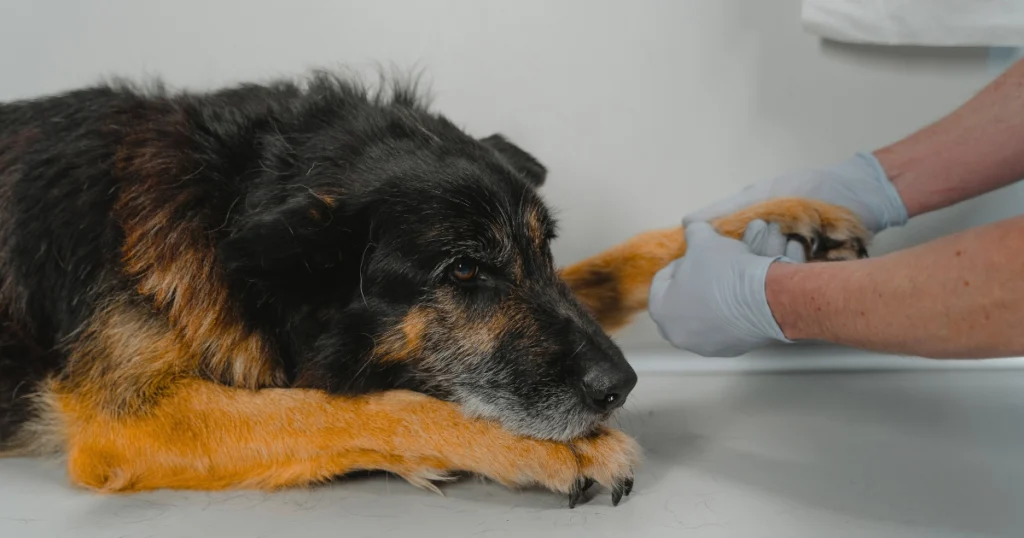
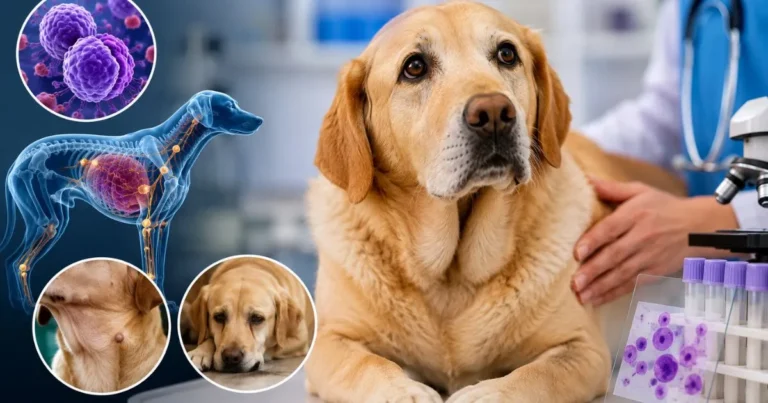
As dogs get older, their bodies undergo significant changes, including health issues such as high blood pressure, kidney problems, and even cancer. These exams offer an opportunity to identify subtle changes, helping to maintain your dog’s strength. Regular check-ups can catch these issues before they develop into more serious conditions.
Senior dogs often tire more easily and may exhibit signs of frailty. These changes can sometimes be mistaken for normal aging, but a comprehensive wellness exam can differentiate between simple aging and more serious health concerns.
What your vet checks during senior visits
Body temperature, heart rate, and breathing are assessed to detect any underlying issues early. Weight, body condition, and muscle tone are equally important. Senior dogs can experience fluctuations in weight. Routine wellness tests such as blood work or urinalysis allow veterinarians to screen for common age-related diseases.
What routine tests can tell us about your senior dog
Routine blood tests, urine tests, and stool tests are essential tools for understanding your senior dog’s health. These diagnostic tests can reveal underlying issues such as kidney problems, liver abnormalities, and potential infections, often before noticeable symptoms arise. A simple blood test can identify abnormal enzyme levels and other changes that may indicate an underlying health problem.
If tumors or other abnormalities are suspected, your veterinarian may recommend additional cancer screening tests. X-rays or ultrasounds provide a deeper look at your dog’s internal structures, helping detect issues such as organ enlargement, tumors, or other internal problems.
Physical changes you may notice as your dog ages
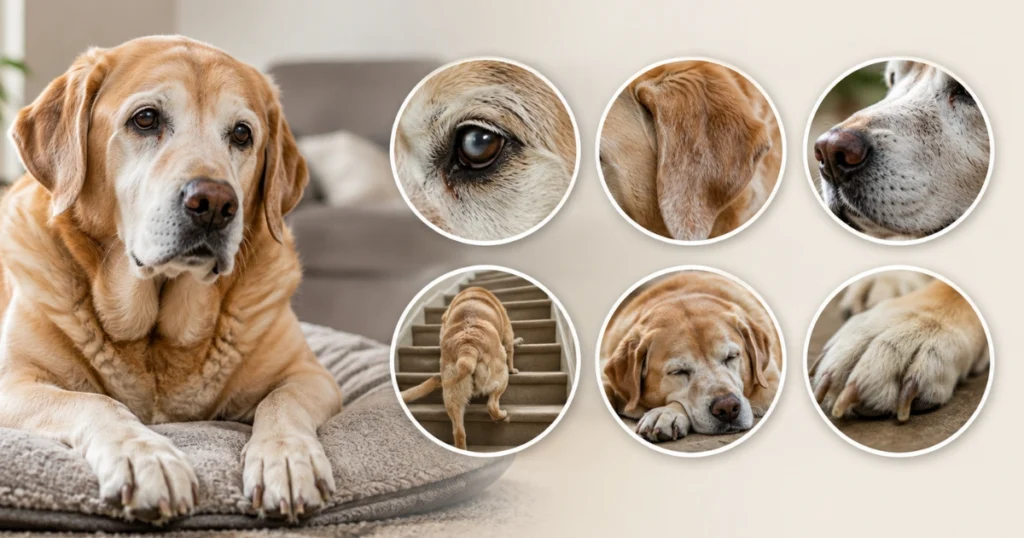
- Senior Dogs you may notice changes in weight or body shape that signal the aging process. Some dogs might become less active, leading to weight gain, while others may lose muscle mass, resulting in a leaner physique.
- Changes in coat and skin: You might observe your dog’s fur becoming grayer or thinner, and their skin may lose elasticity, making it saggy or dry. This shift can be a natural part of aging.
- dental and mouth changes are common as dogs grow older. You might see an increase in tartar buildup or even periodontal disease, which can cause pain and discomfort.
- Vision and hearing changes: your dog may start to show signs of difficulty navigating familiar environments or may not respond to cues as easily as before. Alongside these sensory changes, many older dogs experience lower stamina or endurance, making short walks or playtime essential for their well-being.
Spotting pain: the quiet ways dogs ask for help
- Moving more slowly than usual
- Finding it difficult to stand or settle down
- Hesitating to use stairs or jump onto furniture
- Resting less comfortably, pacing, or withdrawing
- Showing unusual irritability or avoiding interaction
- Reacting negatively when a painful area is touched
Changes in behavior and thinking: when the world feels different to them
When you observe your companion hesitating in familiar rooms or getting “stuck” in corners, these signs are often more than just the effects of aging; they are meaningful clues about their cognitive state. Such hesitations can indicate confusion or anxiety.
Nighttime wandering juxtaposed with increased daytime napping can also be telling. This pattern might reflect a disrupted sleep cycle, indicative of age-related mental issues.
- Cognitive Shift in Aging Dogs: As dogs reach the age of 6-8 years, their mental functions may begin to change, resulting in observable cognitive shifts.
- Signs of Confusion: Senior dogs might display confusion or appear disoriented, such as staring into space or forgetting familiar paths during walks.
- Owner Concerns: Such behaviors can be distressing for both the dog and their owners, who may find it challenging to adapt to these new patterns.
- Changes in Behavior: You might observe alterations in your senior dog’s social behavior. Pets that used to be affectionate may start to pull away from family members, exhibit increased barking, or display signs of fear and anxiety.
- House-Training Issues: These behavioral changes can sometimes lead to accidents indoors, indicating that your dog may be struggling with cognitive decline or discomfort.
Key Considerations for Senior Dog Nutrition
- Diet: An older dog’s food should be adjusted according to its individual health and nutritional needs.
- Senior Diet: Some dogs may benefit from a diet designed to provide nutrients that support healthy joints, muscles, and brain function.
- Weight: Keep track of your dog’s weight, as sudden gain or loss may mean their current diet needs to be reviewed.
- Appetite: A noticeable decrease in appetite can sometimes point to a health concern and should be discussed with your veterinarian.
- Muscle Condition: Maintaining muscle is important for senior dogs. A balanced diet with quality protein can help support strength and mobility.
- Joint Health: Nutrients such as omega-3 fatty acids may help support comfortable movement and healthy joints.
- Brain Health: Certain nutrients may help support normal brain function in older dogs experiencing age-related mental changes.
Evaluating your senior dog’s health requires a personalized approach to nutrition. Regular vet consultations enable informed decisions about dietary modifications to enhance their quality of life.
Helping Your Dog Move Safely at Home
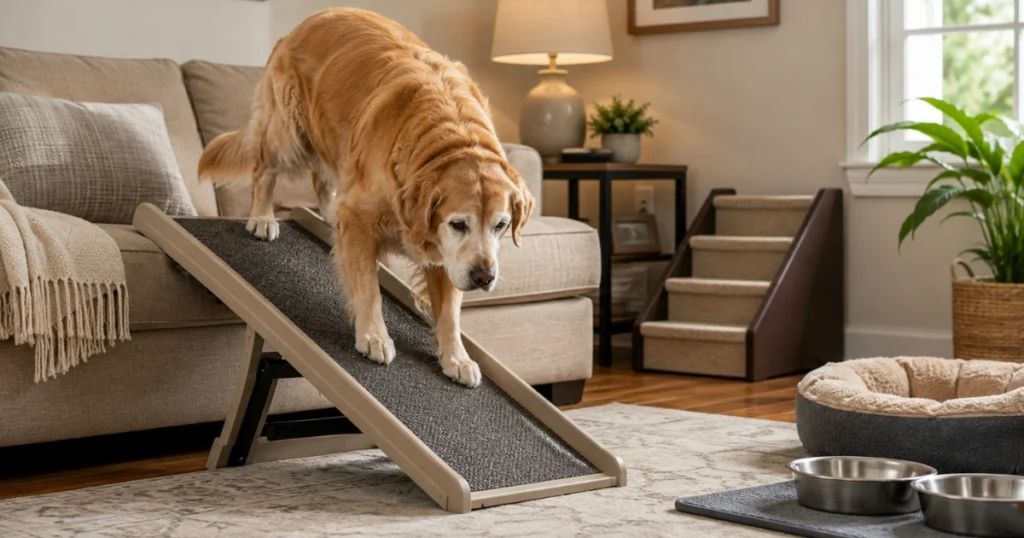
As dogs get older, moving around the house can become more difficult. Weak muscles, joint discomfort, balance problems, or changes in vision may make familiar areas harder to navigate. Simple changes around the home can help your senior dog move with greater confidence and reduce the risk of falls.
Dogs with reduced vision may have more difficulty in dark rooms or unfamiliar areas. Good lighting can make it easier for them to see obstacles and move around safely. A few simple ways to improve your dog’s safety at home include:
- Adding rugs or mats to slippery floors to provide better grip and reduce slipping.
- Using ramps or steps for beds, furniture, or cars so your dog does not have to jump.
- Improving lighting in hallways, stairways, and areas your dog uses at night.
- Keeping furniture in the same place and removing unnecessary clutter to make familiar paths easier to follow.
- Taking short, gentle walks to keep your dog active and help maintain muscle strength.
- Providing easy bathroom access so your senior dog does not have to travel far or manage difficult surfaces.
Keep track of any changes you notice in your dog’s movement or daily habits and mention them during veterinary visits. Your veterinarian can also check your dog’s mobility during senior wellness exams and suggest ways to keep them comfortable and active.
Caring for Yourself While Caring for a Senior Dog
As your dog’s needs change, you may sometimes feel worried, tired, frustrated, or sad. These emotions are completely understandable. Caring for a senior pet involves adjusting to new routines while making decisions that keep your dog comfortable and happy.
Consider these simple ways to make the experience easier:
- Ask for help: Family members or trusted friends can help with walks, feeding, transportation, or other daily tasks when you need a break.
- Stay connected with your veterinarian: Keep a list of questions or changes you have noticed and discuss them during appointments. Your vet can help you understand what to expect as your dog ages.
- Keep a predictable routine: Regular times for meals, walks, medication, rest, and bathroom breaks can make daily life easier for both you and your dog.
- Give yourself time to rest: Caring for an older dog can become demanding, especially when mobility or health problems require extra attention. Take breaks without feeling guilty.
- Prepare for changing needs: Your dog may gradually need more assistance with movement, grooming, eating, sleeping, or bathroom routines. Planning ahead can reduce stress when these changes occur.
- Talk about your feelings: Sharing your experience with someone you trust can make difficult moments easier. Other senior-pet owners may also understand the emotional challenges you are experiencing.
- Focus on what your dog can still enjoy: Instead of concentrating only on limitations, look for comfortable activities your dog enjoys, such as gentle walks, relaxing outdoors, playing with familiar toys, or spending quiet time together.
- Notice the good moments: Taking photos, keeping a simple journal, or recording special memories can help you appreciate the time you have together.
When you have enough energy and emotional support, you are better able to provide patience, attention, and comfort to your senior companion.
Making the Most of Your Dog’s Golden Years
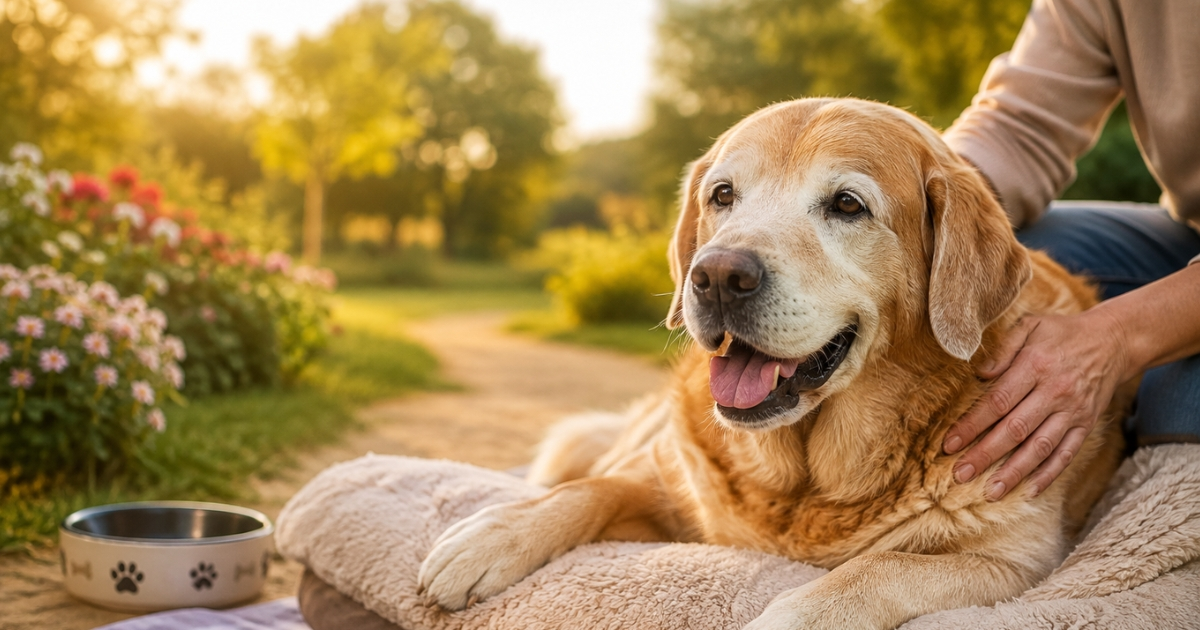
As our companions advance in age, the white around their muzzle serves as a tender reminder of the countless adventures. While walks may take on a slower tempo.
Observing the deeper naps that define this stage of their life can also teach us valuable lessons in rest and contentment. like a cozy spot in the sun or a well-worn favorite toy, we, too, can learn to appreciate the serenity in stillness. Understanding the nuances of their needs be it adjusting diet, incorporating gentle exercise, or providing orthopedic bedding shows our commitment to enhancing their golden years.
Conclusion
Caring for a senior dog involves understanding their unique needs and making necessary lifestyle adjustments. Adequate nutrition, regular veterinary visits, and appropriate exercise play vital roles in maintaining their well-being.
FAQs
Should I adjust my dog’s diet if I suspect they’re in pain?
Consult your veterinarian for dietary advice. Sometimes, pain can affect appetite, leading to weight loss or changes in nutritional needs.
What physical changes should I watch for in my senior dog?
Monitor for weight loss, stiffness, limping, or changes in grooming habits. Difficulty in jumping or climbing stairs may also indicate pain.
What vaccines are typically recommended for senior dogs?
Core vaccines like rabies and distemper are generally recommended. Non-core vaccines may vary based on exposure risk, such as Bordetella for kennel environments.
What are titers, and should they be considered for senior dogs?
Titers are blood tests that measure immunity levels to specific diseases. They can help determine whether a senior dog needs a vaccine booster, making them a valuable option for some pets.
Why Is My Senior Dog Drinking More Water Than Usual?
Increased thirst can sometimes be linked to health problems such as kidney issues or diabetes. If your senior dog suddenly starts drinking much more water, consult your veterinarian to find the cause.
Why Is My Dog Eating Dirt?
Eating dirt or other non-food items can sometimes be caused by boredom, stress, or nutritional problems. It may also be related to digestive issues. If your dog starts eating dirt regularly, talk to your veterinarian.