Coughing in cats: Causes, Symptoms & When to See a Vet
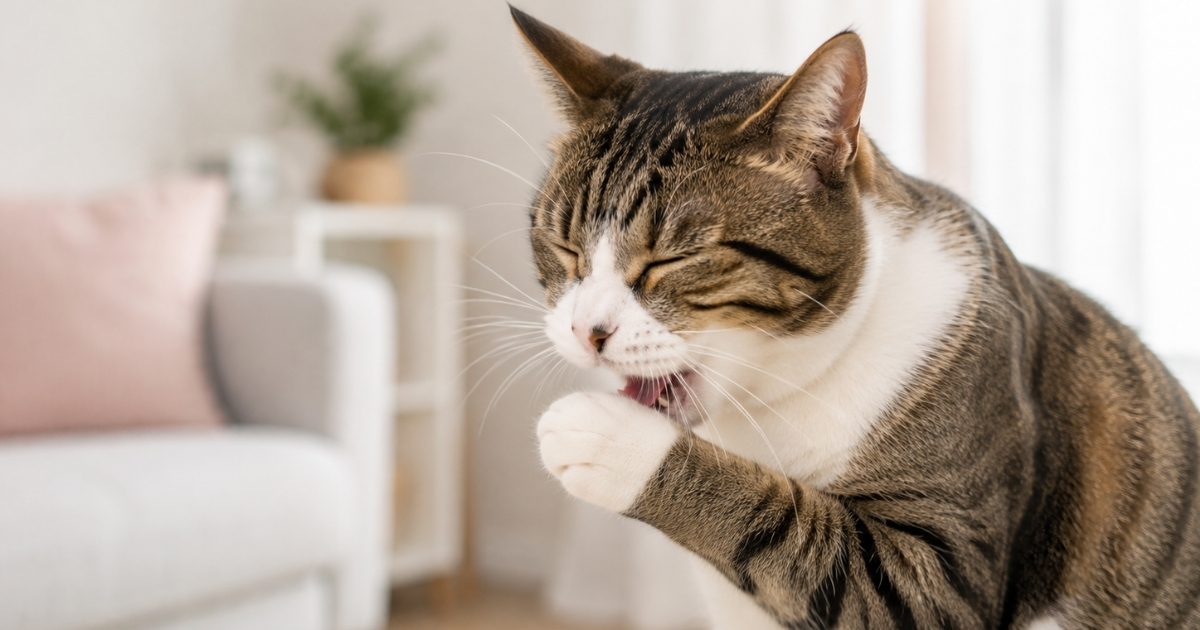
When your cat is crouching low with its neck stretched out and making a rough, hacking sound, you might wonder, Why is my cat coughing so much? It can mean a lot of things; sometimes it’s just a hairball working its way up, while other times it points to something deeper in the lungs. In this guide, we’ll walk through the most common reasons for cat coughing, from everyday triggers like allergies to less obvious causes such as foreign objects.
Why Does My Cat Keep Coughing?
Cats may cough for various reasons, and understanding these can help pet owners respond effectively. Here are some common causes:
- Collapsing Trachea: This condition occurs when the trachea loses its structural integrity, leading to coughing fits, especially when the cat is excited or exercising. It’s more prevalent in certain breeds and can require veterinary intervention for relief.
- Bronchitis: Chronic bronchitis in cats causes inflammation of the airways, resulting in persistent coughing. Often linked to environmental irritants.
- Upper Respiratory Infections: Cats can suffer from upper respiratory infections that lead to coughing. These infections can be viral or bacterial and are often accompanied by other symptoms such as sneezing or nasal discharge.
- Heartworm Disease: Although more common in dogs, cats can also be affected by heartworms, which may lead to coughing. This serious condition requires quick diagnosis and treatment to ensure the health.
- Allergies: Just like humans, cats can develop allergies to pollen, dust, or even specific food ingredients, triggering a cough as their bodies react.
- Asthma: This chronic condition is not uncommon in felines and often leads to coughing.
- Foreign object: If a cat swallows or inhales a foreign object, such as a small toy or hairball.
- Other parasites: Intestinal parasites or lungworms can also cause coughing in cats, impacting their overall health and leading to respiratory issues.
- Tumors: Less frequently, tumors in the lungs or adjacent tissues can cause persistent coughing, indicating a need for veterinary evaluation.
- Environmental Irritants: Dust, pollen, smoke, and strong perfumes can trigger coughing in cats.
Diagnosing Cat Coughing
Your vet will begin with a full physical exam, listening closely to your cat’s heart and lungs. They may also gently press on the throat to bring on a cough and hear how it sounds.
- Chest X-rays: If your cat is coughing persistently, your vet may recommend chest X-rays to assess the lungs and heart. This imaging can help identify any abnormalities such as fluid buildup, tumors, or infections that could be causing the coughing.
- Chest ultrasound: In cases where X-rays are inconclusive, a chest ultrasound may be performed. This diagnostic tool provides detailed images of the heart and surrounding structures, allowing the vet to evaluate issues like pulmonary disease or cardiac problems that may be contributing to your cat’s cough.
- Blood work: Comprehensive blood work can offer invaluable insights into your cat’s overall health. By checking for infections, inflammatory markers, heartworm disease, illness or signs of underlying diseases.
- Intestinal Parasite Screening: Your vet may recommend fecal tests to identify specific parasites like roundworms, lungworms and determine a treatment plan.
- Bronchoscopy: A vet inserts a thin tube into the sedated cat’s airway to examine the lungs and collect a fluid sample for checking signs of infection or inflammation.
- Thoracocentesis: While your cat is sedated, the vet uses a small needle to draw fluid from the chest, which is then tested for diseases or parasites that could be causing the cough.
What does a cat cough look like?
If you’ve ever seen your cat coughing, you may have noticed a very specific posture and movement. Most cats will:
- Crouch low to the ground.
- Stretch their neck forward while coughing.
- Puff up their chest slightly.
- Splay their elbows outward slightly.
Recognizing these signs can help you better understand what your cat is experiencing and provide your veterinarian with helpful details about the cough.
- Coughing vs. hairballs: A cough usually sounds dry and hacking and is often related to respiratory problems rather than digestive issues.
- Coughing vs. gagging or retching: Gagging or retching may appear more forceful and can involve repeated throat or stomach movements, while coughing often sounds dry.
- Coughing vs. sneezing: Cats may sneeze in response to irritants, and sneezing is often followed by nasal discharge. Coughing mainly affects the airways and lungs.
What does a cat cough sound like?
A cat cough usually sounds like:
- A hacking noise that repeats a few times in a row
- A raspy sound at times, almost like the cat is clearing its throat
- A dry sound where nothing comes up
- Sometimes a wet or gurgly sound
It also helps to know how coughing compares to other sounds cats make:
- Hairballs: Usually louder, and something actually comes up
- Gagging: Deeper and more forceful, like a full body heave
- Sneezing: Short, sharp bursts, often several in a row
- Wheezing: A high pitched whistle when your cat breathes out, sometimes heard alongside coughing
When cat coughing or wheezing is serious
If your cat is coughing a lot, especially when the coughing keeps happening or is accompanied by breathing problems, it may need veterinary attention.
- Difficulty catching breath or rapid respiration
- Mouth-breathing behavior
- Persistent wheezing
- Discolored gums (blue or pale)
- Extreme fatigue
- Recurring or escalating coughs
Why is my kitten coughing?
One common reason for a kitten’s cough is a respiratory infection, which can be caused by viruses or bacteria. If it is accompanied by other symptoms like sneezing or nasal discharge, it may indicate a more serious problem. Environmental irritants, like smoke or strong fragrances, can also trigger coughing fits. Kittens are particularly sensitive to their surroundings, and even dust or mold can cause irritation. Some kittens may cough due to underlying conditions like feline asthma, a chronic inflammatory disease that affects their airways. If your little one seems to be coughing frequently, there could be more serious issues, such as a foreign object lodged in their throat or parasites affecting their respiratory system.
When to contact your vet for cat coughing
If your cat’s cough hasn’t cleared up after a few days of home care, it’s time to call your vet.
- The cough sticks around for more than a few days
- Coughing fits get worse or happen more often
- Breathing changes, like wheezing or rapid breaths, show up
- Your cat seems off or unwell in general
- Your cat is a kitten under 1, a senior over 7, or already has a health condition
Treatment depends on the cause and may include antibiotics, anti inflammatory medication, or parasite treatment. Only give medication your vet has actually prescribed.
Cat Coughing Treatment
When your feline starts coughing, understanding treatment options is essential for their health. Here’s a breakdown of key treatments you might consider:
- Antibiotics: Useful when bacterial infections are identified, medications like Amoxicillin can help clear up respiratory issues.
- Anti-inflammatory drugs: Non-steroidal options like Meloxicam can alleviate swelling and discomfort in the airways, providing relief from persistent coughing.
- Bronchodilators: These medications, such as Albuterol, work by relaxing air passages, making it easier for your cat to breathe.
- Surgical intervention: In cases where structural abnormalities exist or serious blockages need attention, surgery may be necessary for a lasting solution.
- Anti-parasitic treatments: Medications like Fenbendazole are effective against parasites that may contribute to respiratory issues.
Home Remedies for Cat Coughing
Using a humidifier in your cat’s space helps loosen mucus and moisturize the airways, especially useful during dry seasons or in homes with central heating. Getting enough rest supports your cat’s immune response and speeds up recovery. Fresh food and clean water keep their nutrition and hydration on track. Good hydration also helps keep mucus thin and easier to clear.
Final Thought
A cat’s cough can come from something as simple as a hairball or point to something more serious like an infection, allergy, or even heart trouble. Watching for other signs, such as low energy or changes in appetite, helps you catch problems early. Regular vet visits and a clean living space go a long way in keeping your cat’s airways healthy.
Cat Coughing FAQs
My cat has cough a lot how to stop a cat from coughing?
The right fix depends on the cause, so a vet visit is the safest first step before trying anything at home. Once the cause is known, things like a humidifier, reduced dust exposure, or prescribed medication can help ease the cough.
My Cat Is Coughing: Should I Be Worried?
An occasional cough may not be serious, but frequent or persistent coughing can indicate an underlying problem. If your cat is coughing repeatedly, wheezing, breathing rapidly, or seems unusually tired, contact your veterinarian for an evaluation.
Will a cat’s cough heal itself?
A mild, one time cough, like one caused by a small hairball, can clear up on its own. But a cough that keeps returning or lasts several days usually points to something that needs a vet’s attention.
My Cat Is Coughing: Should I Be Worried?
An occasional cough may not be serious, but frequent or persistent coughing can indicate an underlying problem. If your cat is coughing repeatedly, wheezing, breathing rapidly, or seems unusually tired, contact your veterinarian for an evaluation.