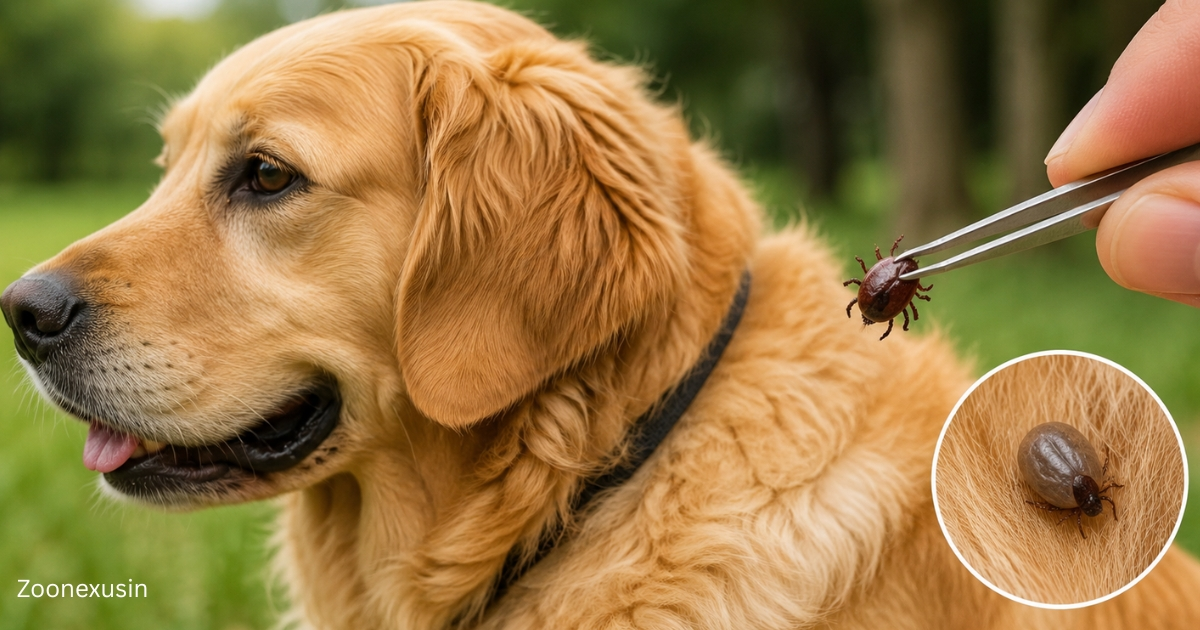
Tick-Borne Disease in Dogs
Exploring the outdoors with your dog is one of the joys of pet parenthood, but hidden dangers like ticks can quickly turn a fun hike into a health emergency. Across the United States, from wooded trails in the Northeast to backyards in the Southeast, tick-borne diseases pose a serious threat to canine health. Understanding how these blood-sucking parasites transmit infections, recognizing subtle early symptoms, and choosing the right year-round preventive care can keep your pup safe and active throughout the year.
Key Takeaways
- Ticks are spreading to new regions due to development and changing weather, increasing risk for dogs.
- Infected ticks can transmit diseases like Lyme disease through their bite.
- Your vet can assess your dog’s risk and recommend prevention or treatment.
- Tools like CAPC’s Parasite Prevalence Maps help track disease trends in your area.
- Contact your vet if your dog shows unusual behavior, illness signs, or skin irritation near a tick bite.
Types of Tick-Borne Disease in Dogs
Ticks can transmit several different diseases to dogs. The most common include:
- Anaplasmosis
- Ehrlichiosis
- Lyme disease (Borreliosis)
- Rocky Mountain spotted fever
- Babesiosis
- Hepatozoonosis
Symptoms of Tick-Borne Disease in Dogs
Recognizing the symptoms of tick-borne diseases in dogs is crucial for swift treatment and recovery. Here are some key symptoms to watch out for:
- Fever
- Lethargy
- Loss of appetite
- Joint pain or swelling
- Skin irritations or rashes
- Unexplained weight loss
- Coughing or difficulty breathing
- Lameness or difficulty walking
- Pale gums
- Vomiting or diarrhea
- Yellow tint to skin or eyes (jaundice)
- Blood in urine
- Redness, or irritation at the bite site
Early detection is vital; timely intervention can prevent more severe complications, such as kidney damage or chronic illness.
What to Do If a Tick Head Stays in Your Dog
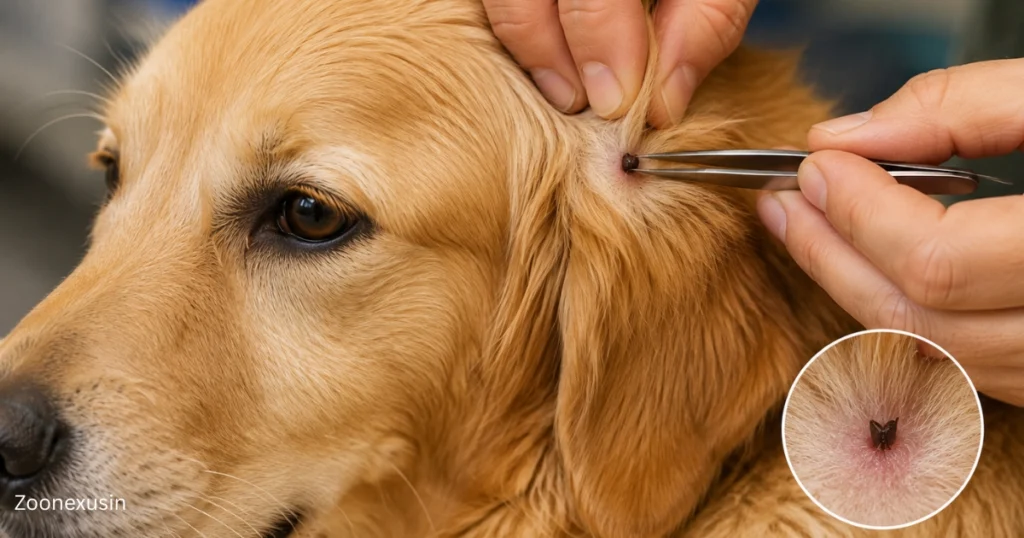
If a tick head is stuck in your dog after removal, it may happen when the tick isn’t gripped closely enough to the skin during extraction. Use fine-tipped tweezers and grasp the tick head as close to the skin’s surface as possible. Pull straight out with steady pressure, avoiding any twisting or jerking motions that could cause further damage or push the head deeper.
If you’re wondering what happens if a tick head is left in a dog, avoid digging around the area or squeezing the skin, as this can cause further irritation. After removal, clean the site thoroughly with antiseptic and monitor for signs of infection such as increased redness, swelling, or discharge. Keep an eye on your dog for any unusual behavior, and if these signs occur or if the area does not start healing, contact your veterinarian.
Why Is the Risk of Tick-Borne Diseases Changing?
The risk of tick-borne diseases in dogs is not the same everywhere or throughout the year. Tick populations can expand, disappear from certain areas, or become active for longer periods as their surroundings change. Several factors can influence where ticks live, reproduce, and come into contact with dogs:
- Changes in land and habitat: Development, construction, and changes to wooded areas can disturb existing tick habitats. At the same time, newly planted forests, overgrown vegetation, leaf litter, and brush can create favorable places for ticks.
- Wildlife populations and movement: Ticks often depend on wildlife for feeding and transportation. Deer, rodents, and other mammals can carry ticks into different environments.
- Travel and movement of pets: A dog does not have to live in a high-risk area to encounter a tick. Hiking trips, camping, vacations, relocation, and visits to parks can expose dogs to ticks from other regions. Ticks can also be carried home on a pet’s coat, creating an opportunity for continued exposure.
- Temperature and moisture: Weather conditions affect tick development, survival, and activity. Changes in temperature, humidity, and seasonal patterns may make some environments more suitable for particular tick species.
- Longer periods of tick activity: Cold weather does not always eliminate ticks. Depending on the species and local conditions, ticks may remain protected beneath leaves, soil, vegetation, or other sheltered areas and become active again when temperatures rise. In regions with milder winters, some ticks may remain active during much of the year.
- Expansion of tick habitats: As suitable conditions become available in new locations, established tick populations can gradually expand their range. This can increase opportunities for dogs to come into contact with infected ticks.
Because these factors can change from one season or location to another, a dog’s risk of tick-borne illness may change over time. Areas once considered relatively low risk may eventually experience greater tick activity. Year-round awareness, regular tick checks, and veterinarian-recommended tick prevention for dogs can help reduce the chance of exposure.
How to Stay Informed About the Changing Threat of Tick-Borne Diseases
As ticks continue to move into new regions, dogs that once had little to no exposure risk may now be encountering infected ticks for the first time. One of the clearest signs of this shift is a rise in positive test results for tick-borne diseases, like Lyme disease, in areas that were previously considered low risk. Staying informed about these changing patterns allows pet owners and veterinarians to make more accurate, timely decisions about testing and prevention.
The Companion Animal Parasite Council (CAPC), a nonprofit organization dedicated to educating pet owners and veterinarians about parasite-related risks, offers a free public tool called the Parasite Prevalence Maps. Updated monthly, these maps show real testing data from veterinary clinics across the country, allowing you to see exactly how tick-borne disease activity is changing in your area or any region your dog may travel to.
What You Can Do With the CAPC Parasite Prevalence Maps
The CAPC Parasite Prevalence Maps use real veterinary test results to show where dogs are testing positive for tick-borne diseases across the country.
With this tool, you can:
- View data by disease, going back to 2012
- Track how risk has changed over time in any region
- Zoom from state-level data down to individual counties
- Compare positive test rates across counties near you
Share what you find with your veterinarian so you can work together on a testing schedule and prevention plan that fits your dog’s actual risk.
How to know if your dog is at risk for tick-borne diseases
Not every dog faces the same level of risk when it comes to tick-borne illness. Location, lifestyle, and even coat type all play a part in determining how likely your dog is to encounter an infected tick. Understanding these factors can help you take the right precautions before a problem develops.
Where You Live Matters
Different tick species thrive in different parts of the country, and the diseases they carry vary by region. CAPC’s Parasite Prevalence Maps make it possible to check exactly which tick-borne diseases have been diagnosed near you.
- Lyme disease, transmitted by the blacklegged tick (commonly known as the deer tick), is heavily concentrated in the Northeast and Upper Midwest, where these ticks are most established.
- Ehrlichiosis tends to be more prevalent across the Southern U.S., largely due to the lone star tick’s presence in that region. That said, the brown dog tick — found nationwide, including indoors — can also spread this disease, meaning no region is completely risk-free.
Lifestyle and Exposure Level
A dog’s daily routine has a direct impact on tick exposure. Dogs that frequently hike, camp, or explore wooded trails naturally come into contact with ticks far more often than dogs that mostly stay indoors or stick to a fenced yard. Breeds with thick, long, or shaggy fur are more prone to brushing against vegetation where ticks wait to attach, and their coats can also make ticks harder to spot and remove quickly.
Ticks Aren’t Just a Woodland Problem
While hiking trails and forests are common tick habitats, they’re far from the only ones. Ticks can just as easily be found in tall grass, overgrown brush, and even a well-maintained backyard. Certain species are even capable of surviving indoors. Because of this, no dog — regardless of lifestyle or location — is entirely exempt from tick exposure, so regular tick prevention can help reduce your dog’s risk of exposure.
How Veterinarians Diagnose Tick-Borne Disease in Dogs
Veterinarians employ a multifaceted approach to diagnose tick-borne diseases in dogs, beginning with a thorough physical examination and a detailed medical history. Key diagnostic tools include Snap 4Dx, a convenient in-clinic test that detects antibodies against several common tick-borne diseases like Lyme disease and ehrlichiosis. This rapid serological test provides immediate insights.
Snap 4Dx, serology allowing for the detection of specific antibodies in the bloodstream, which further confirms infection. A blood smear may also be conducted to identify any abnormal cells or pathogens present, providing a visual confirmation of tick-borne diseases. For more definitive diagnoses, veterinarians often turn to polymerase chain reaction (PCR) techniques, which amplify the genetic material of pathogens, ensuring even trace amounts can be detected.
Routine blood work is essential not only for diagnosing tick-borne diseases but also for assessing the overall health of the dog and identifying any organ dysfunction that might complicate treatment. Complementing this, a urinalysis can reveal signs of dehydration or organ stress, offering a more comprehensive view of the dog’s health status.
How to protect your dog from diseases carried by ticks
Consistency is what makes tick prevention effective. Here’s what actually helps:
- Use tick prevention year-round: Ticks can stay active even in mild winters, so don’t stop protection once summer ends. Ask your vet which product, such as a topical, oral, or collar option, suits your dog best.
- Make your yard less tick-friendly: Mow regularly and clear leaf litter, brush, and wood piles where ticks hide.
- Check your dog after outdoor time: Run your hands over the ears, armpits, between the toes, and around the collar, since these are common spots ticks hide.
- Remove ticks the right way: Use fine-tipped tweezers to pull straight out, close to the skin. If you have trouble removing the tick, the bite area becomes irritated, or your dog seems unwell, contact your veterinarian.
- Don’t skip annual testing: Annual testing can help veterinarians identify tick-borne infections, including cases where a dog may not yet show obvious signs.
- Ask about the Lyme vaccine: Worth discussing with your vet if your dog hikes often or lives in a high-risk area.
- Check disease trends in your area: Risk shifts over time, so review the CAPC Parasite Prevalence Maps occasionally to stay current.
- Groom long-haired dogs regularly: This makes ticks easier to spot before they attach.
Treat prevention as routine, not seasonal. Making tick prevention part of your dog’s regular routine can help reduce the risk of tick exposure throughout the year.
How Veterinarians Diagnose Tick-Borne Disease in Dogs
Veterinarians utilize a multifaceted approach to diagnosing tick-borne disease in dogs, starting with a thorough medical history of your pup. Understanding your dog’s recent travel history is crucial, as certain regions are more prone to specific tick species. Since many tick-borne diseases share similar symptoms, your veterinarian relies on diagnostic testing to pinpoint the exact cause.
- The Snap 4Dx test is a popular choice, requiring just a few drops of blood and delivering rapid results for Lyme disease, ehrlichiosis, and anaplasmosis in mere minutes. This test is particularly beneficial for dog owners looking for quick answers.
- Serology is another method for diagnosing these diseases. By sending a serum sample to a specialized lab, veterinarians can identify antibodies indicative of tick-borne infections.
- A blood smear involves a simple technique where a drop of blood is spread on a slide, allowing vets to visually identify any signs of infectious organisms under a microscope.
- The polymerase chain reaction (PCR) method analyzes blood or joint fluid samples in a lab, providing highly accurate results.
- Blood work assesses a dog’s overall health, including the function of red and white blood cells and internal organs. Urinalysis can reveal information about kidney function and detect protein levels in urine, which may suggest a tick-borne infection.
Treatment of Tick-Borne Disease in Dogs
Treatment depends on the specific tick-borne disease diagnosed, and some dogs may be fighting more than one infection at once, so an accurate diagnosis always comes first.
- Antibiotics: Doxycycline is the go-to treatment for bacterial infections like Lyme disease, anaplasmosis, ehrlichiosis, and Rocky Mountain spotted fever, typically given for three to four weeks to fully clear the infection.
- Antiprotozoal medications: Babesiosis is treated with imidocarb dipropionate, while hepatozoonosis usually requires pyrimethamine alongside antibiotics such as trimethoprim-sulfa and clindamycin.
- Anti-inflammatory support: Corticosteroids like prednisone or NSAIDs may be added to ease joint pain, swelling, and discomfort during recovery.
Conclusion
Staying informed about the types of ticks in your area and the diseases they can transmit, including Lyme disease and ehrlichiosis, can help you protect your dog. Regular veterinary care, appropriate tick prevention, routine tick checks, and knowing the warning signs of tick-borne illness can support early detection and treatment. Taking these simple precautions can help reduce your dog’s risk and keep them healthier year-round.
FAQs
Can a dog recover from tick-borne disease?
A proper course of antibiotics or other targeted medication typically clears the infection within a few weeks, and most dogs start showing improvement within just a couple of days. Delayed treatment can lead to lasting complications, like joint damage or kidney issues.
How do you know if your dog has a disease from a tick?
Common signs of tick-borne disease in dogs include fever, fatigue, loss of appetite, lameness, and swollen joints. A veterinarian can confirm the infection through an examination and appropriate blood tests.
How to remove a tick from a dog?
Use fine-tipped tweezers to grasp the tick as close to your dog’s skin as possible and pull it out steadily. Clean the area afterward and contact your veterinarian.
How long after a tick bite will a dog have symptoms?
Symptoms of tick-borne diseases may appear days or even weeks after a tick bite, depending on the disease.