How Much Is An African Grey Parrot
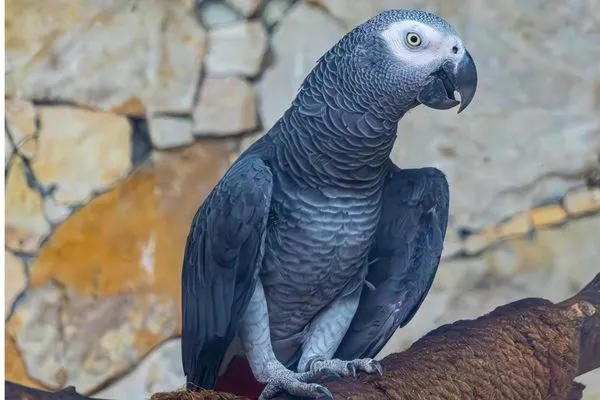
The African Grey Parrot, scientifically known as Psittacus erithacus, is a social and highly intelligent bird that can grow to about 12 to 13 inches long. Known for its impressive vocal abilities and playful personality, this parrot is a popular choice among experienced bird owners. Understanding the African Grey’s appearance, behavior, care needs, lifespan, and cost can help you decide whether this intelligent bird is the right companion for you.
What is an African Grey Parrot?
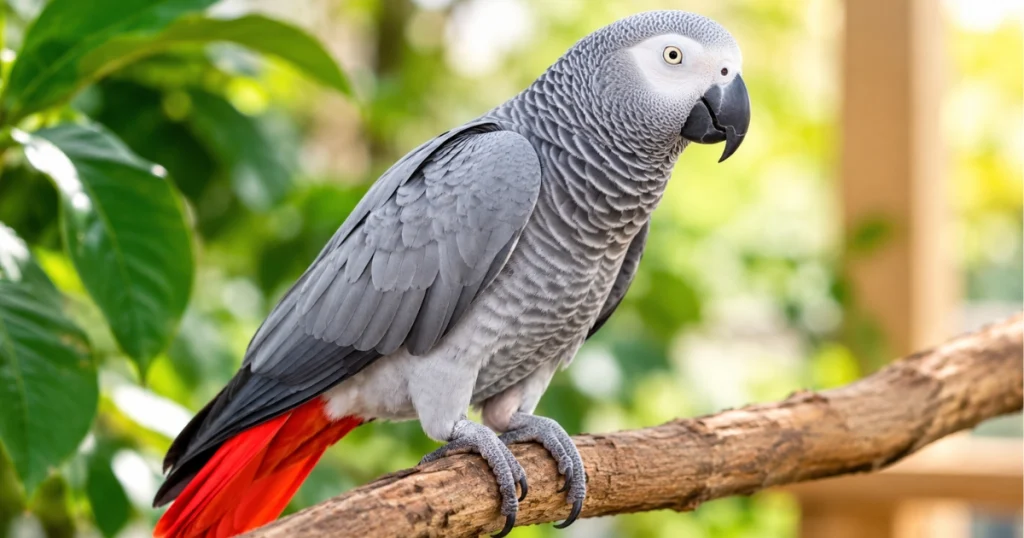
African Greys are native to parts of West and Central Africa. Their grey feathers, pale facial area, and bright red tail make them easy to recognize. The colorful tail adds a beautiful contrast to their grey plumage. What sets African Greys apart is their remarkable ability to mimic human speech and sounds. They can learn and repeat many words, sounds, and phrases, making them popular with owners who enjoy an interactive and vocal companion.
African Grey Parrot Personality
African Grey parrots are known not only for their striking appearance but also for their intelligent and social nature. They can learn to recognize familiar voices and respond to changes in their owners’ tone and body language. Their intelligence goes beyond mimicking words and sounds, as they also enjoy learning new things and interacting with people.
Their curiosity encourages them to explore their surroundings and solve simple problems. They may learn how to open toys, move objects, or find treats hidden inside puzzle toys. However, African Gray parrots need regular attention because they can become bored or lonely when left alone for long periods. Providing interactive toys, daily playtime, and regular social interaction helps keep them mentally active and emotionally healthy.
African Grey Parrot Personality Problems
African grey parrots are known for their high intelligence, often exhibiting behaviors that can challenge even the most dedicated owners. These birds need mental stimulation and, without it, may resort to destructive behaviors or develop anxiety. Understanding their cognitive needs is important, as they require not just physical activity but also interactive games and problem-solving tasks that challenge their sharp minds. Providing varied environmental enrichment can prevent the onset of behavioral issues.
They can easily pick up on the emotions of their human companions, and a household filled with tension can lead to drastic changes in behavior. This particular sensitivity implies that a calm and nurturing atmosphere is necessary for their psychological well-being. Their strong emotional needs mean they form deep attachments, both to their owners and their routines; significant changes, like moving or the introduction of new pets, can trigger anxiety, leading to problematic behaviors such as feather plucking or excessive vocalization.
African Grey Parrot Price in 2026 (USD)
| Type | Typical Price | Notes |
|---|---|---|
| Congo grey, hand-raised baby (US breeder) | $2,750 to $6,000 | Around $3,500 is a common midrange price from a specialist breeder |
| Timneh grey, hand-raised baby (US breeder) | $3,500 to $5,700 | Prices vary depending on availability, breeder, age, and socialization. |
| Certified breeder (overall range) | $3,500 to $7,500 | Includes DNA sexing, health tests, and early socialization |
| Online marketplace listings (average) | around $6,389, with most between $5,391 and $7,978 | Based on 46 listings, so it reflects asking prices, not final sale prices |
| UK (pound sterling) | £800 to £3,000+ | Young Timneh at the low end, well-socialized Congo at the high end |
| Under $1,000 | Not realistic | Treat ads below this as a warning sign when sold as breeder birds |
What Affects the Price
| Factor | Effect on Cost |
|---|---|
| Subspecies | Congo and Timneh prices vary depending on availability, breeder, age, and other factors. |
| Age and hand-feeding | Age, hand-feeding, DNA sexing, and health testing all move a bird’s price within a range |
| Breeder reputation | Certified, health-tested birds cost more than unverified private sales |
| Location | Prices differ between the US and UK, and between regions |
Ongoing Costs After Buying
| Cost | Estimate |
|---|---|
| First-year setup (cage, toys, diet, vet) | $1,500 to $3,000 |
| Monthly expenses | $150 to $350 |
African Grey Parrot Lifespan
Most pet African Greys live around 45 years, and many reach 40 to 60 years in captivity with good care. In the wild, they live much shorter lives, about 23 years on average.
| Setting | Average Lifespan | Notes |
|---|---|---|
| Wild | about 23 years | Based on a study of 120 wild birds |
| Captivity (typical pet) | around 40 to 50 years | A mean of about 45 years is commonly cited |
| Captivity (best care) | up to about 60 years | Possible, but not the usual result |
| Longest documented pet | just under 50 years | The longest reliably recorded age for the species |
You may see claims online that African Greys live 60 to 80 years or more. These claims are usually unverified, because the longest well-documented pet grey lived just under 50 years, and many owners only know their bird’s age from what a previous owner told them.
Why Wild Greys Live Shorter Lives
In the wild, greys face predators, disease, food shortages, habitat loss, and trapping for the pet trade. Captive birds are protected from most of these risks, which is a big reason pets live roughly twice as long.
What Helps an African Grey Live Longer
- Diet: A balanced mix of quality pellets, fresh vegetables, and a small amount of fruit helps prevent illness. Seed-only diets shorten lives.
- Mental stimulation: Greys need daily interaction, toys, and puzzles. Boredom and stress can lead to feather plucking and poor health.
- Vet care: Regular checkups with an avian vet help catch hidden problems early, since birds hide signs of illness.
- Safe environment: Keep your bird away from smoke, fumes, and household hazards.
Conclusion
African Greys are among the most intelligent birds you can keep as pets, with a talent for mimicking speech and a personality that bonds closely with their people. But they are not a casual purchase. A hand-raised grey typically costs between $2,750 and $7,500 from a reputable breeder, and the real cost continues with food, vet care, and a large cage for the 40 to 50 years or so that many pet greys live.
If you are ready for that commitment, buy only from a verified breeder, avoid unusually cheap ads, and plan for daily interaction and mental stimulation. A well-cared-for African Grey can be a rewarding companion for decades.
FAQs
Are African greys a good pet?
They can be wonderful pets for the right owner, but they are not ideal for beginners. Greys are intelligent, affectionate, and bond closely with their people, but they also need daily interaction, mental stimulation, and a large cage. A bored or lonely grey can develop problems like feather plucking or screaming. They also live for decades, so owning one is a long-term commitment, both in time and in money.
How much do African grey parrots cost in Australia?
African greys in Australia usually cost around A$3,500 to A$7,000, depending on age and how they were raised. One large Victorian bird retailer lists super-tame hand-reared African Greys from around $6,999, and parent-raised babies for around $4,000. Recent classified listings show similar asking prices, with a hand-reared male Congo at $6,999 and younger birds from about $3,000 to $4,500. Be careful of ads priced far below this, as they are often scams.
Are African grey parrots aggressive?
African greys are not naturally aggressive, but they can bite when they feel scared, stressed, bored, or overstimulated. They are sensitive, cautious birds, so rough handling, sudden changes, or lack of attention can lead to nipping or biting. Hormonal periods, especially in adult birds, can also make some greys moodier. With patient, gentle handling, regular routines, and plenty of mental stimulation, most greys stay calm and affectionate. If your grey suddenly becomes aggressive, check with an avian vet, since pain or illness can change a bird’s behavior.
Are African Grey Parrots Dangerous?
African Grey parrots are not naturally dangerous, but they can bite when frightened, stressed, or uncomfortable. Their strong beaks can cause painful injuries. Learning their body language, respecting their boundaries, and using positive reinforcement can help prevent biting and build trust.
Read More: Pet Birds: Top 12 Species, Care Tips, Diet $ Lifespan Guide