Bengal Cat Breed Information
Known for their distinctive appearance and lively personality, Bengal cats have a unique charm that sets them apart from many other cat breeds. Bengal cats can sometimes show territorial behavior toward other cats, especially when they feel threatened or are not properly introduced.
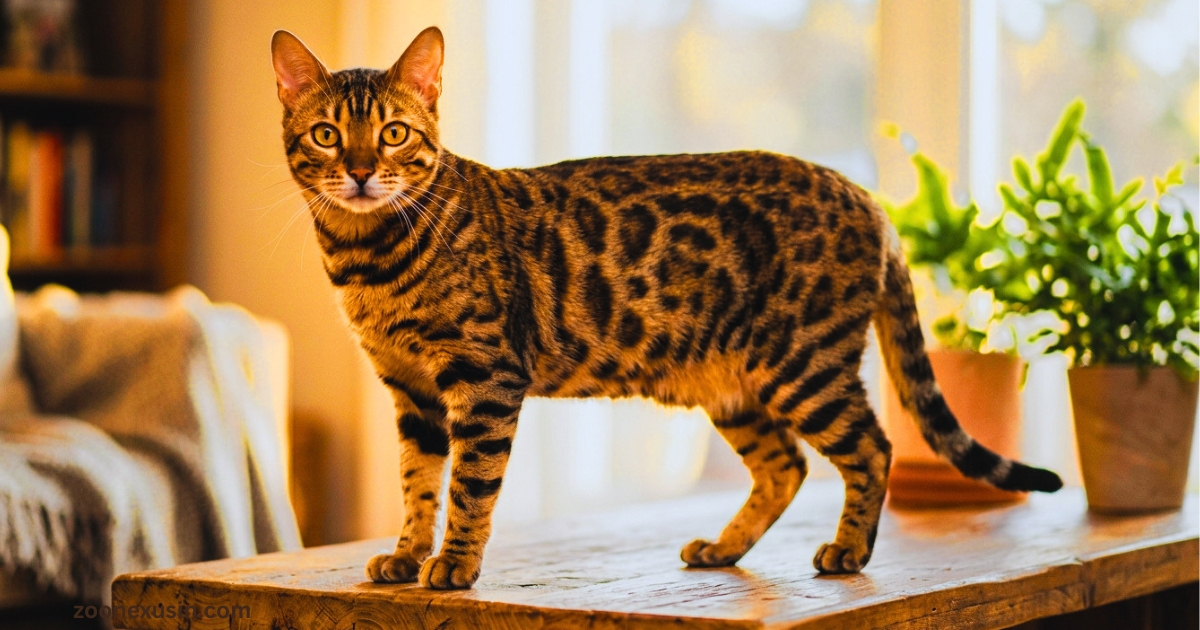
The average Bengal cats lifespan is 12 to 16 years, and some can live up to 20 years with proper care. These well-balanced cats are not just a feast for the eyes, with their thick, luxurious coats; they also possess personality traits that make them captivating companions. Characteristics of Bengal cats include their unique physical features, such as small ears, wedge-shaped heads, and neat paws.
What is a Bengal Cat
Their muscular and athletic body reflects their wild ancestry. The Bengal cat size is typically 8 to 15 pounds, making them larger than many domestic cats. This robust build supports their high energy levels, making them incredibly playful and agile, as they leap and explore their surroundings with remarkable grace. They thrive on interaction and engage in playful antics that reveal their quirky personalities, often jumping onto counters or chasing after toys with unbridled enthusiasm.
Bengal Cat History
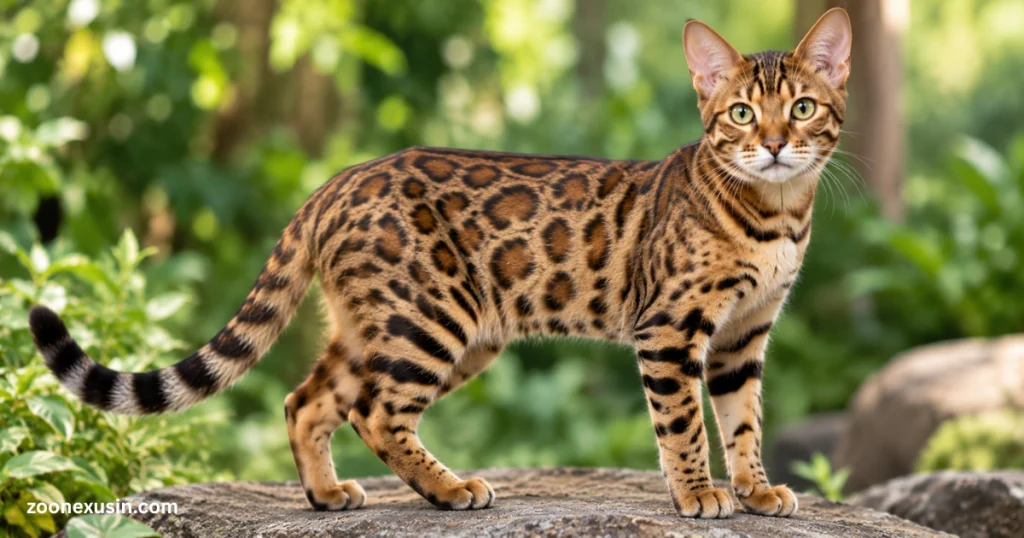
The breed’s origins trace back to the 1800s, when breeders began intercrossing domestic cats with the wild Asian leopard cat (Prionailurus bengalensis). The goal was to create a cat that retained the leopard cat’s striking spotted coat while having the temperament of a domestic companion.
In the 1960s and 1970s, Dr. Willard Centerwall, a prominent geneticist, continued research into hybridizing domestic cats with the Asian leopard cat. His work contributed to the development of early-generation Bengals, although the breed’s development involved several breeders and breeding programs over time.
Early-generation hybrids, particularly F1 through F3 Bengals, could display more noticeable wild characteristics, including distinctive coat patterns, athletic builds, and high energy levels. Bengals are classified by filial generation, such as F1, F2, and F3, based on how many generations they are removed from their wild ancestor.
This ambitious development continued into the 1980s, when registries such as The International Cat Association (TICA) began recognizing the Bengal. In 1991, TICA awarded the Bengal full championship status, a major milestone that helped establish the breed in the cat fancy community. This recognition also contributed to the Bengal’s growing popularity among cat enthusiasts.
Bengals Care
Bengal cats are active, intelligent, and athletic. Provide vertical spaces such as multi-level cat trees and shelves where they can jump. To support their characteristic lean, muscular build, feed them a high-protein, meat-based diet. Dividing an adult meals into two to three portions daily can help manage their exuberant metabolism and prevent overeating. Regular access to fresh water aids in digestion and helps prevent urinary tract issues.
Bengal cats have a short, dense coat; therefore, weekly brushing is important to minimize shedding and keep their fur gleaming. Regular nail trimming and cleaning their ears periodically help prevent infections that can arise from excessive wax build-up. Trim their nails every two to three weeks to prevent overgrowth and reduce the risk of injury. To support their energetic minds and bodies, provide them with 30 to 60 minutes of exercise daily.
Bengal Cat Health
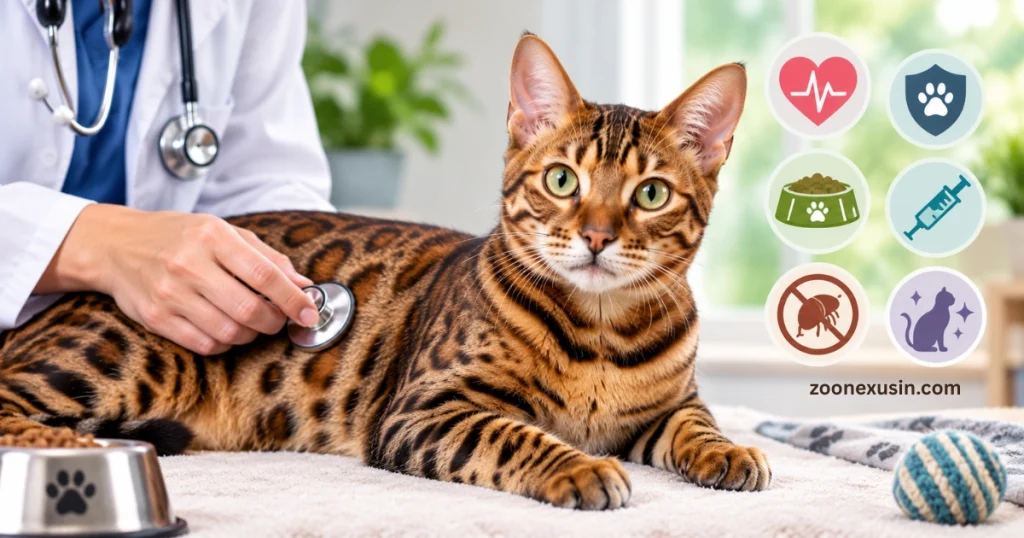
Bengal cat health can be supported through regular veterinary checkups, a balanced diet, exercise, and early attention to unusual symptoms.
- Hypertrophic Cardiomyopathy (HCM): A genetic heart condition present in many breeds, including Bengal cats. Causes thickening of the heart muscle, which can lead to heart failure if not regularly monitored.
- Obesity-Related Issues: Maintaining a healthy weight can help reduce the risk of painful complications associated with feline urological syndrome.
- Behavioral Changes as Health Indicators: Noticeable shifts in behavior or appetite can signal potential health problems. For example, increased scooting may point to gastrointestinal distress or anal gland issues requiring urgent veterinary care.
- Thyroid Imbalances: Bengals can develop thyroid issues with age, leading to weight loss or unusual fur conditions such as matting.
- Progressive Retinal Atrophy (PRA-b): A degenerative eye disorder that can lead to vision loss. Symptoms may emerge quietly, causing significant visual impairment before detection.
- Pyruvate Kinase Deficiency (PK-Def): A blood disorder affecting red blood cells in Bengal cats, leading to anemia. Some cats may not exhibit severe symptoms, but risks include lethargy and weakness.
- Joint and Mobility Concerns: Conditions such as Patellar Luxation and Hip Dysplasia can affect overall mobility and joint health in Bengal cats.
Bengal Cat Appearance
Unique head shape that combines a broader forehead with a slightly rounded skull. Their medium-sized, pronounced cheekbones add to their wild aesthetic. The ears, which are short and wide at the base, often taper to a rounded tip and are adorned with a distinctive tuft.
The eyes of a Bengal cat are typically large and oval-shaped, conveying a keen intelligence and playfulness. They often come in captivating hues, ranging from green to deep gold. Bengal coat colors include brown tabby (the most common), seal sepia tabby, seal mink tabby, seal lynx point, black silver tabby, seal silver sepia tabby, seal silver mink tabby, and seal silver lynx point. The markings range from brown to black, with brown tabbies often showcasing a white undercoat on areas like their whisker pads, chin, chest, belly, and inner legs.
Bengal Cat Diet
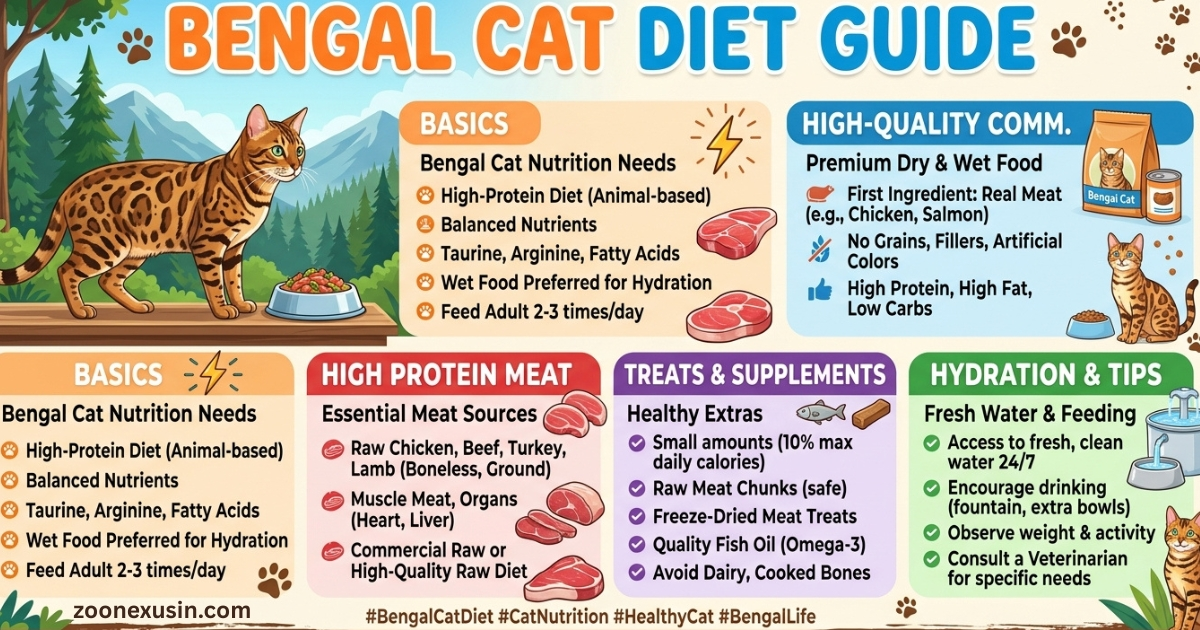
Bengal cats thrive on a high-protein, meat-based diet. These energetic and active felines require a diet predominantly composed of high animal protein to support their muscle maintenance and overall vitality. Opting for quality sources, such as chicken, turkey, or fish, ensures that they receive essential amino acids, particularly taurine, which is important for heart health and vision. Fatty acids provide energy and promote a healthy coat. While fats are beneficial, it is important to maintain a low carbohydrate intake to prevent obesity and other health issues. Look for cat food formulas that prioritize protein and fat while limiting fillers like corn, soy, and wheat.
Bengal Cat feeding tips
Many cat owners often default to dry kibble. Incorporating wet and raw food options can make a significant difference in your Bengal’s health. Wet food offers the dual benefits of hydration and palatability, appealing to their gourmet sensibilities, whereas raw food mimics their natural hunting instincts and supports their lean musculature. Common household items such as onions, garlic, chocolate, and certain fruits like grapes and raisins can be harmful.
Portion and Routine
- Adult Cats: Adult Bengals typically require around 25 to 30 calories per pound of body weight daily.
- Kittens: They require 3 to 4 meals a day, each consisting of high-quality, protein-rich cat food. This frequent feeding schedule supports their developing muscles and bones.
Where to adopt or Purchase Bengal Cat
If you’re interested in acquiring a purebred Bengal cat, you can look for a breeder nearby. If you prefer to adopt, consider visiting the following rescue organizations:
- Great Lakes Bengal Rescue
- Rescue Me
- Petfinder
- Adopt a Pet
- OLX
- The International Cat Association
Conclusion
Bengal cats are a unique and captivating breed known for their striking appearance and playful temperament. Their energetic nature, coupled with their intelligence and curiosity, makes them ideal companions for active households. While they require ample stimulation and mental engagement, their affectionate demeanor makes them a joy to have around.
FAQs
Are Bengal Cats Good Pets?
Yes, Bengal cats can make excellent pets for the right owner. They are intelligent, playful, active, and affectionate, with some dog-like behaviors like following their owners, playing fetch, and learning tricks. They need plenty of exercise, mental stimulation, and attention. Their energetic and curious nature may not suit everyone, especially those looking for a calm, low-maintenance cat.
Are Bengal cats hypoallergenic?
Bengal cats have a short, sleek coat that generally sheds less than many other breeds, which may make them a better choice for people with mild cat allergies. Allergies are not caused by fur alone. Proteins found in a cat’s saliva and skin can also trigger allergic reactions, so no cat breed is completely hypoallergenic.
Are Bengal cats legal in the US?
Yes, Bengal cats are legal in most parts of the United States, but the rules vary depending on the cat’s generation and where you live. F5 and later Bengals are generally permitted in most states, while earlier generations such as F1 through F4 may face restrictions, bans, or permit requirements. Hawaii and New York City prohibit Bengal cats regardless of generation, while some other cities and states have their own regulations. Before bringing home a Bengal, always check both your state and local laws to make sure the specific generation is legal in your area.
How much do Bengal cats typically cost?
Bengal cats usually range from $1,500 to $3,000 depending on factors like lineage, breeder reputation, and geographic location.