Persian Cat Breed Profile: History, Personality, Nutrition, Grooming, Health & Care
Persian cats are one of the oldest cat breeds, dating back to the 1600s. If you’re considering welcoming this luxurious breed into your home, understanding their unique characteristics and care needs is essential. In this guide, we will explore the distinctive traits of the Persians, along with valuable tips for nurturing and pampering your feline companion.
Related: Smartest Cat Breeds: Top 7 Most Intelligent Cats Ranked
Breed Overview
| Persian Cat Overview Temperament: The Persian cat is known for its sweet, gentle, and affectionate nature. Weight Range: Typically weighs between 7 to 12 pounds. Size: Length ranges from 14 to 17 inches. Fur Specifications: Features a long-haired coat. Color Variations: Available in shades such as blue, black, white, red, cream, chocolate, lilac, silver, and golden. Coat Patterns: Exhibits patterns like solid, tabby, tortoiseshell, and bicolor. Eye Colors: Possible eye colors include copper, blue, green, blue-green, hazel, and a mix of different colors. Lifespan: Generally lives between 15 to 20 years. Hypoallergenic Status: Not considered hypoallergenic. Geographic Origin: Hails from Persia and Iran. |
Persian Cat Characteristics
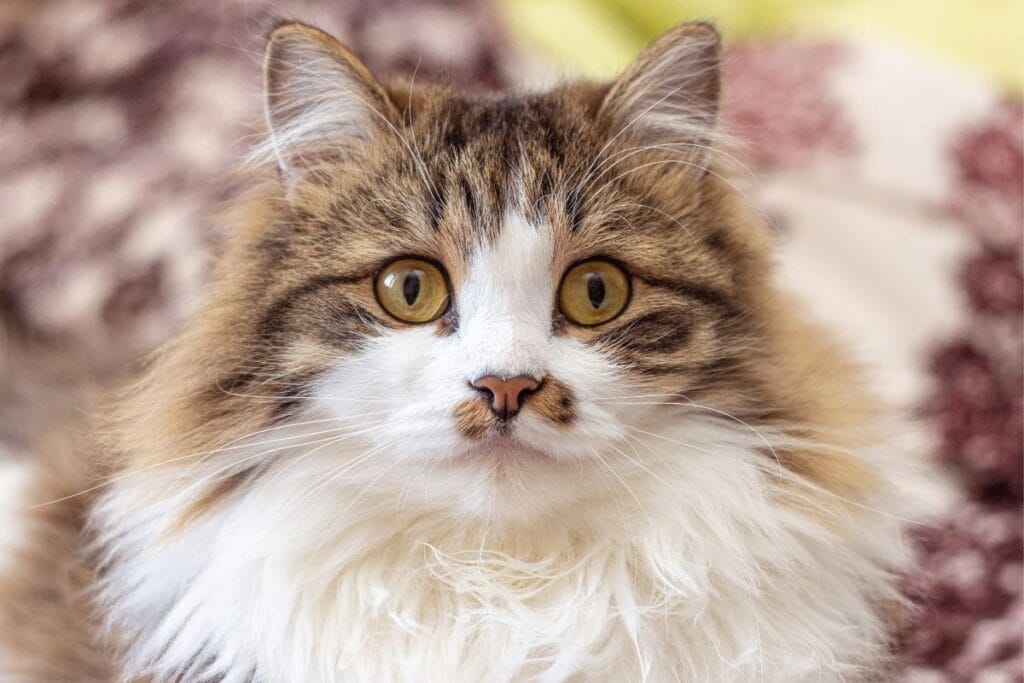
Persian cats are known for their sweet, gentle, and calm temperament, making them one of the most loved companion breeds in the US. Once they feel secure in their home, they become warm, affectionate lap cats who enjoy quiet company over active play.
Temperament: Calm, easygoing, and non-vocal, communicating mostly through their expressive eyes rather than meowing. They rarely get irritated and prefer walking away from discomfort instead of reacting aggressively.
Handling: Friendly but delicate, so gentle handling is a must. Avoid rough play or sudden movements, especially around young children. Persians do best with calm, considerate kids who enjoy soft petting.
With Strangers vs. Owners: Can seem a bit reserved around unfamiliar people at first, but form deep, loyal bonds with their owners over time.
Lifestyle: Home-loving and routine-oriented, preferring peaceful environments over loud or chaotic households. They enjoy relaxing in cozy spots with a good view, like a chair or cat tree, and stay grounded rather than climbing high.
Play Style: Mostly relaxed with occasional short bursts of playful energy. They enjoy interactive toys but need some encouragement from owners to stay active.
History
The origin of the Persians trace back to the early 1500s, although some specialists believe this breed might extend even further back in time. Ancient hieroglyphs from areas that once saw these cats portray longhaired cats, which are believed to be ancestors of the modern Persian breed.
The first cat show, held in London in 1871, showcased early examples of the Persian cat. Queen Victoria developed a fondness for the breed, acquiring several Persians, which contributed to its popularity among other royals and the British elite.
In the late 19th and early 20th centuries, the Persian cat made its way to the United States, where it quickly captured the affection of American cat lovers. The Cat Fanciers’ Association (CFA) officially recognized the Persian cat as one of its foundation breeds in 1906.
The International Cat Association recognizes the Himalayan as a separate breed within the Persian group. These cats are marked by their lighter bodies and darker “points” on their faces, ears, legs, and tails. In contrast, the Cat Fanciers’ Association evaluates Himalayan-patterned cats together with other Persian color variations.
Caring for Persian Cats
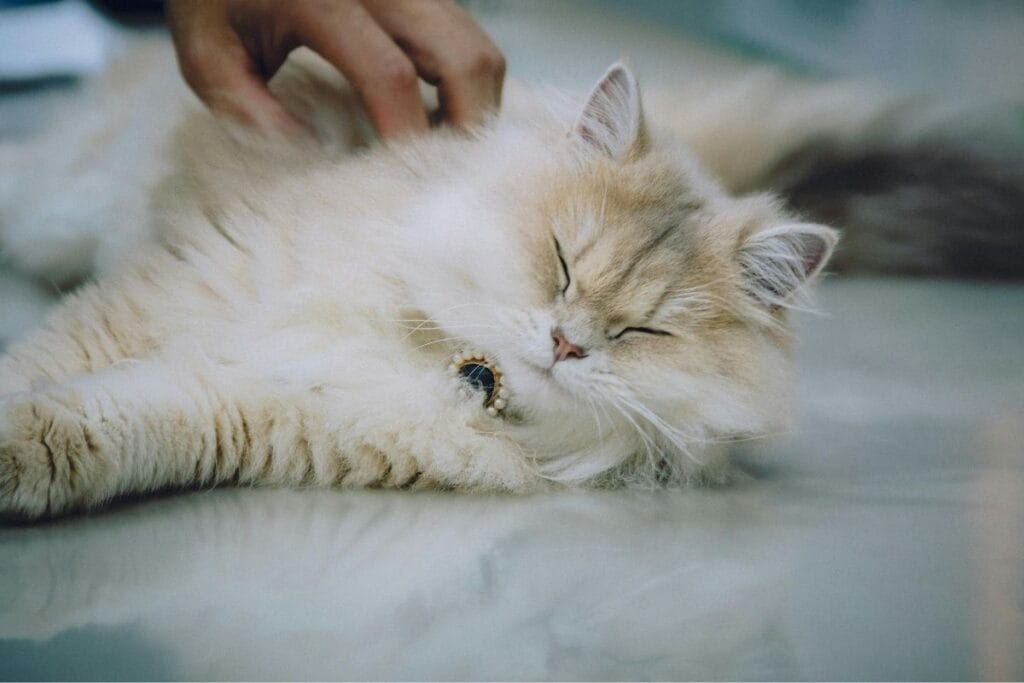
While Persian cats are relatively low-maintenance when it comes to exercise and mental stimulation — requiring just a few play sessions a day — their luxurious coats demand considerable attention. Without regular grooming, the Persian’s fur can mat, causing discomfort and pain for the cat. Proper care is essential to maintain both their physical wellbeing and overall health.
Exercise for Persian Cats
Persian cats may be calm by nature, but they still enjoy regular playtime, especially with feather wands and teaser toys. Multiple short play sessions throughout the day help keep your Persian physically fit and mentally engaged, preventing boredom and supporting a healthy weight.
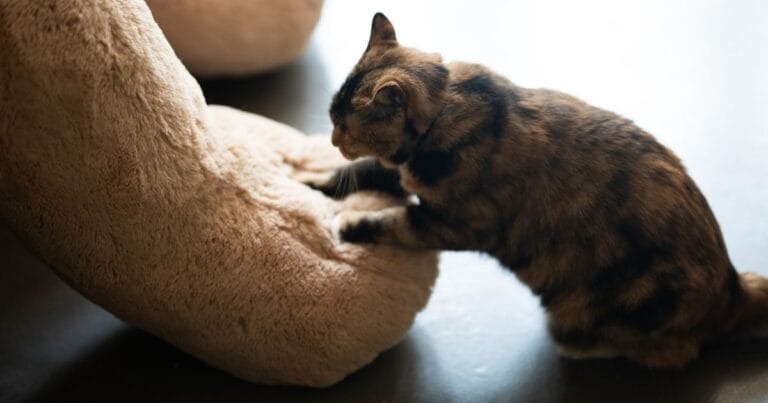
Scratching is also a natural instinct that shouldn’t be overlooked. Setting up designated scratching areas around your home encourages healthy habits and protects your furniture. It’s best to offer a mix of vertical options, like tall scratching posts or cat trees, along with horizontal choices, such as flat cardboard or sisal scratchers, so your Persian can scratch in whatever way feels most natural to them.
Shedding
Persian cats are moderate shedders, but because of how dense and long their fur is, loose hair tends to stay trapped within the coat instead of falling away on its own. This is different from breeds that shed heavily but require less coat maintenance overall.
Owners should expect more loose fur around the house during seasonal shedding periods, typically in spring and fall, when Persians naturally shed their undercoat to adjust to temperature changes. Using a dedicated deshedding tool during these periods can help manage the extra volume of loose hair more effectively than a standard comb alone.
Persian Cat Grooming
Persian cats need daily grooming to prevent their long coat from matting, since their thick double coat can tangle quickly and they can’t manage it on their own due to their jaw structure.
Daily Coat Care: Use a wide-toothed metal comb first, working carefully down to the skin to catch any tangles forming underneath the long fur. Follow up with a soft slicker brush for a smooth, final touch-up.
Bathing: Regular baths help keep the coat clean and manageable. After bathing, dry your Persian gently using a low-heat, pet-specific hairdryer rather than a regular human one, since their skin is sensitive and can overheat easily.
Eye and Face Care: Because of their round, prominent eyes, Persians are prone to tearing, so their face should be gently wiped clean every day to prevent staining and irritation.
Nail, Ear, and Dental Care: Trim nails every one to two weeks, check ears regularly for dirt or buildup, and brush teeth often to help prevent dental issues, which are common in this breed.
Professional Grooming: Given how much upkeep is involved, many owners bring their Persian to a professional groomer. A groomer can trim the belly fur to reduce bulk and lower the risk of matting in the stomach and armpit areas. A popular option is the “lion trim,” where the body is clipped short while a fluffy mane is left around the head, legs, and tail.
Physical Appearance
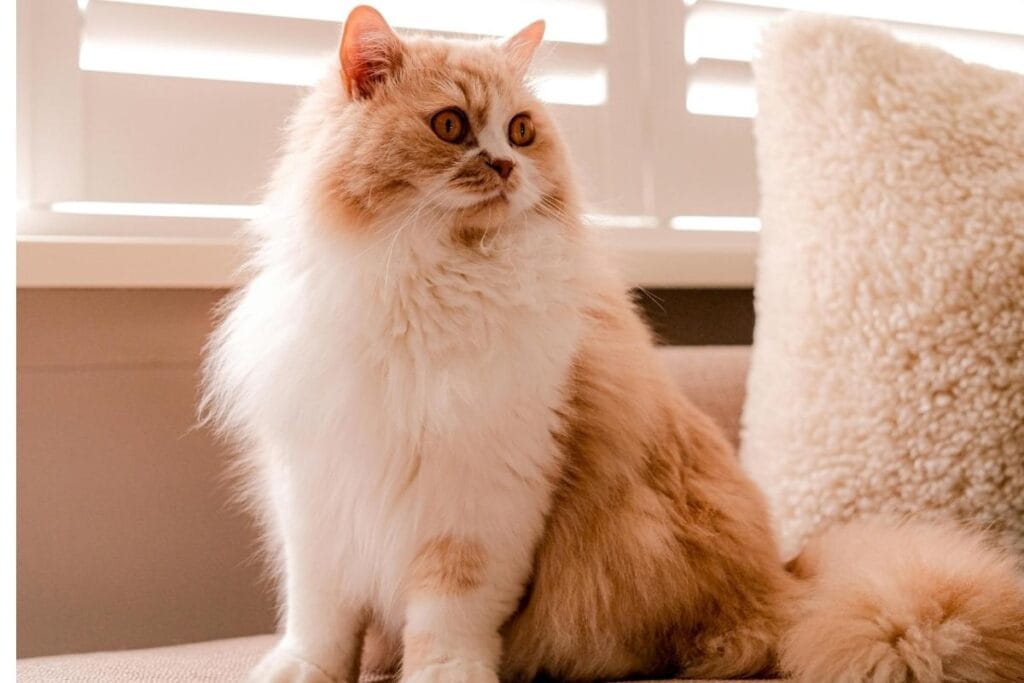
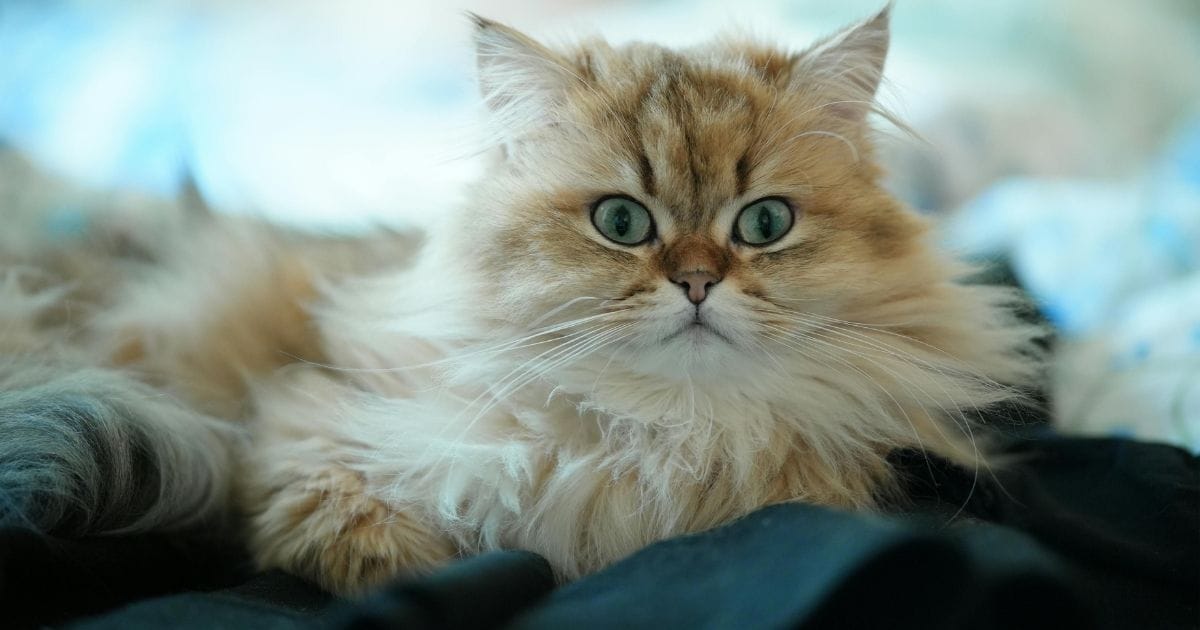
Persian cats are instantly recognizable thanks to their round face, big soulful eyes, short snub nose, and small rounded ears. Their body is sturdy with a broad chest, thick short legs, and large round paws. But their real signature is the coat long, dense, and silky, often reaching almost to the floor in show-quality Persians, giving them a bigger, fuller look than their actual size. They come in a huge range of colors and patterns, from solid black and white to tabby, tortoiseshell, and colorpoint.
Diet and Nutrition
Persian cats, like all cats, are obligate carnivores, meaning their bodies depend on meat to get essential amino acids they can’t produce on their own. They need a diet rich in high-quality protein, along with key nutrients like taurine, healthy fats, and a proper balance of vitamins and minerals suited to their life stage.
Quality Matters: A premium, well-balanced diet is essential for Persians. After spaying or neutering, they become more prone to weight gain, so owners should watch both the quality and the quantity of food being served.
Feeding Style: Because of their flat face and shortened nose, Persians can be somewhat messy eaters. A shallow, wide dish makes mealtime easier and more comfortable for them.
Meal Frequency: Most adult Persians do well with two meals a day, though splitting food into several smaller portions can also work well, closer to how cats naturally eat in the wild. Puzzle feeders or treat-dispensing toys can make feeding more engaging and mentally stimulating.
Portion Control: Accurate portioning is important. Overfeeding can lead to obesity, while underfeeding can leave a Persian short on essential nutrients. Following age and lifestyle-appropriate feeding guidelines helps keep their weight in a healthy range.
Dry vs. Wet Food: Dry food offers several benefits for Persians, including better dental support through chewing, easier portion control, and compatibility with puzzle feeders for enrichment. Wet food can also be included for hydration and variety.
Hydration: Fresh water should always be available, ideally kept a little distance away from the food bowl since strong food smells can discourage some cats from drinking. Many Persians respond especially well to water fountains, which encourage more consistent water intake and help keep the fur around their chin and chest cleaner and drier.
Where to Obtain a Persian Cats
Persian cats, known for their pure lineage, come with a hefty price tag, often starting at $1,000 or higher.
To locate a trustworthy breeder of Persian cats, consider the following organizations:
Alternatively, if you prefer to adopt, Persian cats can also be found in animal shelters or through cat rescue organizations. Local breeders may have information about adults in need of rehoming.
For adoption opportunities, explore these platforms:
- Specialty Purebred Cat Rescue
- Petfinder
- Rescue Me!
Advantages of Persian Cats
- Calm and gentle demeanor
- Affectionate towards adults, children, and other pets
- Comfortable spending some time alone
Disadvantages of Persian Cats
- Sensitive to loud and chaotic environments
- Requires daily face cleaning to manage tear stains
- Coat needs regular grooming, including daily brushing and possibly professional care
Explore More Breeds
If the Persian cat appeals to you, you might also consider these breeds:
- Exotic Shorthair
- Himalayan
- Ragdoll
Conclusion
To sum it up, the Persian cat stands out as a charming breed, famed for its opulent fur and gentle nature. Their distinctive physical traits, paired with a loving temperament, make them cherished pets among many cat lovers. Caring for Persian cats requires consistent grooming due to their dense coats, along with a focus on their health through regular veterinary visits.