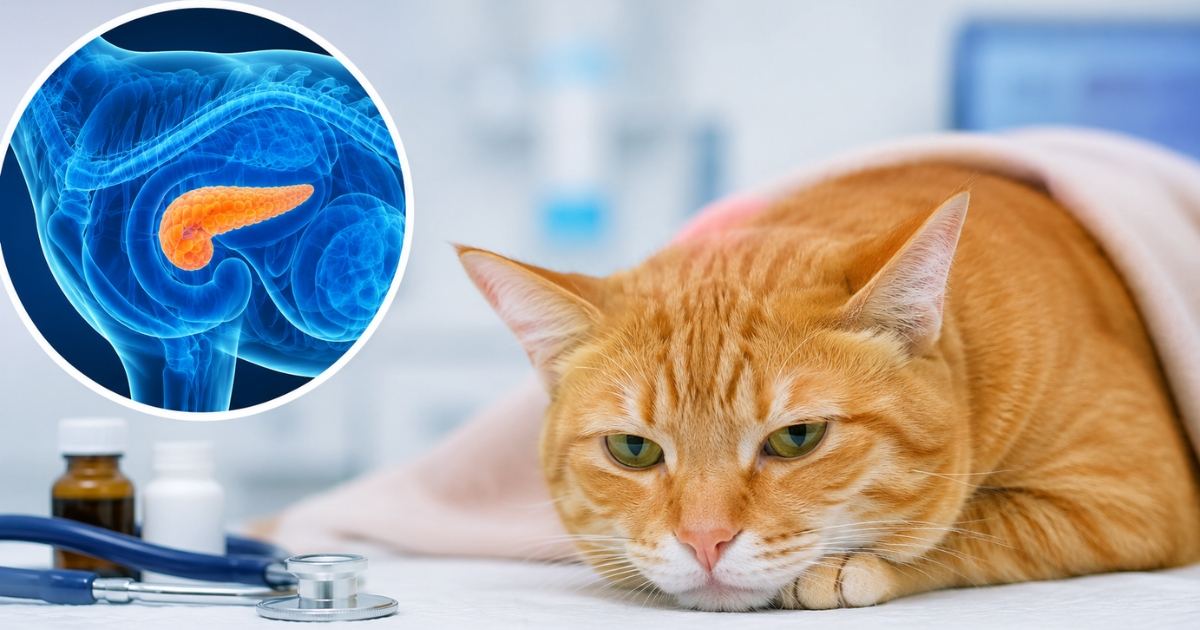
Pancreatitis in Cats: Symptoms & Treatments
Pancreatitis in cats can manifest in a range of symptoms, from mild lethargy to severe abdominal pain. This inflammation of the pancreas disrupts its crucial roles, including the production of enzymes essential for food digestion, as well as hormones vital for blood sugar or glucose metabolism. This inflammation can significantly disrupt the pancreas’s dual functionality.
The organ contains both endocrine and exocrine components; the endocrine side is responsible for hormone production, including insulin and glucagon, which regulate blood sugar levels. When compromised, these hormone imbalances can lead to secondary issues, further complicating the cat’s health. The exocrine part of the pancreas produces digestive enzymes. In cases of pancreatitis, these enzymes can start to damage surrounding tissues instead of aiding in digestion.
What causes pancreatitis?
Pancreatitis is a perplexing condition, where normally dormant pancreatic enzymes unexpectedly activate within the pancreas rather than in the small intestine. Imagine a time-release capsule intended to deliver medication over hours, but instead, it ruptures prematurely this describes how digestive enzymes begin to “digest” the pancreas itself. The clinical signs of pancreatitis can vary widely, as the severity often hinges on the extent of organ involvement.
In cats, pancreatitis often arises without an obvious trigger. It can manifest as a secondary condition tied to underlying issues like inflammatory bowel disease or diabetes mellitus. For more details health challenges, refer to the handouts “Inflammatory Bowel Disease in Cats” and “Diabetes Mellitus in Cats.” Understanding this relationship is crucial for both prevention and management, as targeting the root cause can ultimately help mitigate the risks associated with pancreatitis and improve overall feline health.
Symptoms
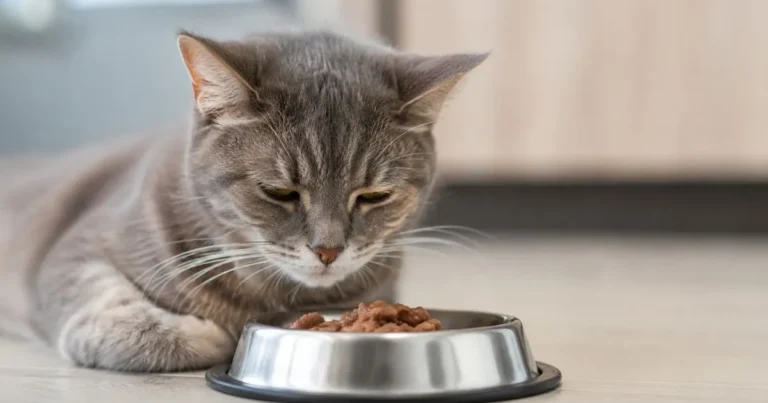
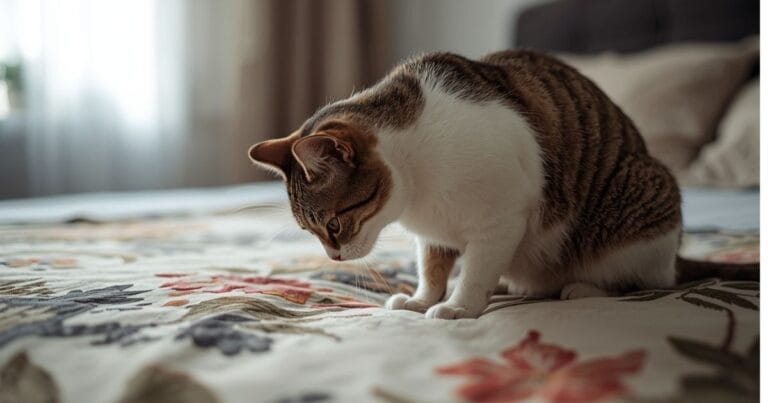
Common signs are vomiting, lethargy, loss of appetite, and abdominal pain, though these may vary widely in intensity. Importantly, some cats may exhibit subtle changes like increased vocalization or unusual hiding behaviors, which can be easily overlooked.
Diagnosis
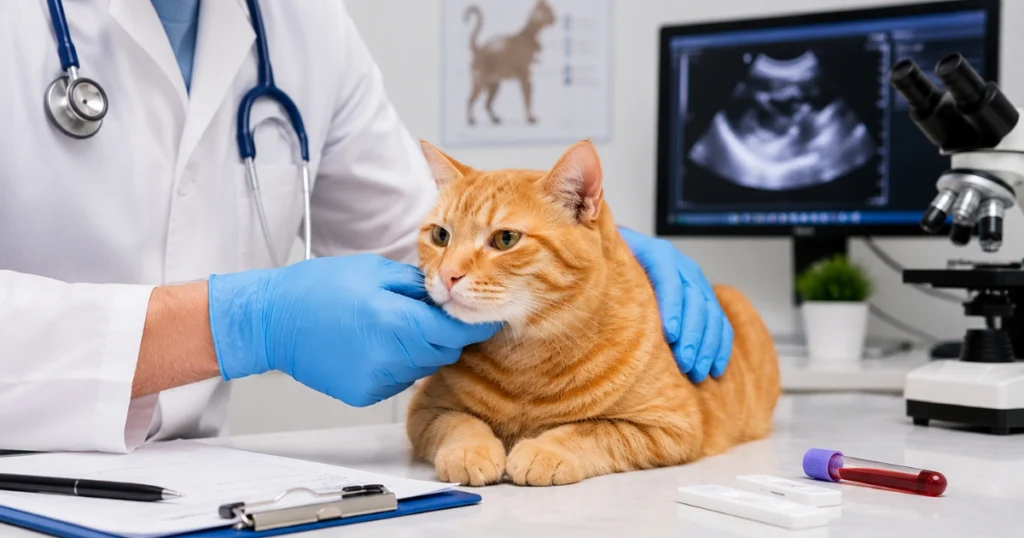
The diagnosis of pancreatitis in cats is often a complex endeavor, as there is no singular test that can definitively confirm the condition. Veterinarians rely on a combination of clinical signs, multiple blood tests, and imaging results to piece together the puzzle. While general screening blood work, including a complete blood count and chemistry panel, may often appear normal, it can still exhibit non-specific changes indicative of underlying issues.
Elevated liver enzymes are commonly observed among afflicted cats, alongside fluctuations in electrolyte levels attributed to persistent vomiting. Dehydration can skew results, leading to an increased red blood cell count or mild elevations in kidney values.
Diagnosing pancreatitis in cats can be a nuanced challenge, its symptoms often overlap with various gastrointestinal disorders. Blood tests, particularly the feline pancreas-specific lipase immunoreactivity (fPLI), are essential for making an accurate diagnosis. Veterinary professionals frequently rely on two distinct testing methods: the SNAP fPL test, which provides rapid results, and the more sensitive Spec fPL test that measures lipase levels more precisely.
These tests can reveal that up to two-thirds of cats presenting with gastrointestinal distress have underlying pancreatitis, underscoring the importance of thorough diagnostics.
Blood tests and imaging techniques such as x-rays can play a vital role in the diagnostic process. While x-rays may not show inflammation directly, they can other conditions, like intestinal obstructions or tumors, that might mimic the signs of pancreatitis. A biopsy may be necessary to diagnose pancreatitis and rule out other gastrointestinal disorders. This procedure involves anesthesia and abdominal surgery, which, while invasive, can yield valuable tissue samples for analysis.
Treatment
Pancreatitis in cats requires prioritizing hydration, pain relief, and balanced nutrition. Addressing dehydration is very essential veterinarians often administer intravenous fluids to restore hydration levels, especially in acute cases. For cats experiencing nausea, medications like antiemetics prescribed so they can eat without discomfort.
This condition often involves careful hospitalization for intravenous therapy, which is important for the recovery process. This method cat receives the necessary hydration and fluid support, which is vital for flushing out toxins and maintaining overall health. Veterinarians may monitor electrolyte levels closely, adjusting fluids as needed to prevent complications such as dehydration or electrolyte imbalances. Besides fluid therapy, dietary becomes integral to recovery. A low-fat, easily digestible diet can help minimize stress on the pancreas and promote healing.
Anti-nausea medications for Pancreatitis in cats
Anti-nausea medications (Cerenia) being a popular choice among veterinarians. This medication not only helps to prevent vomiting but also enhances the cat’s appetite, which can be particularly challenging during a pancreatitis flare-up. Tackling nausea effectively, maropitant helps maintain nutritional intake, a vital component for healing. Buprenorphine, opioid, offers a gentle yet effective solution, so that cats remain comfortable throughout their recovery. The analgesic properties of buprenorphine provide much-needed relief without causing significant sedation.
Nutritional Support for Cats with Pancreatitis
Early nutritional support managing feline pancreatitis. When cats experience pancreatitis, their appetite often diminishes, but studies indicate that resuming eating promptly can lead to better prognoses. when these do not stimulate appetite, veterinarians may turn to appetite stimulants like mirtazapine. Available in both pill form and as a transdermal preparation applied to the inside of the ear, mirtazapine can effectively coax even the most reluctant cats back to their food bowls.
Feeding tubes and Treatment Options
Should these steps fail, placing a feeding tube becomes an option, In this way nutrients reach the cat’s system directly. This intervention serves as a preventative strategy against complications such as hepatic lipidosis. While other treatments like steroids or antibiotics are not typically recommended for standard pancreatitis cases, they may be necessary if other health issues are concurrently present, emphasizing the importance of a tailored veterinary approach.
FAQs about Pancreatitis in Cats
What is feline pancreatitis, and what are its symptoms?
Feline pancreatitis is a condition where the pancreas, a vital organ responsible for producing digestive enzymes and insulin, becomes inflamed. Common symptoms include vomiting, diarrhea, loss of appetite, lethargy, and abdominal pain.
Does anyone know of any sort of financial aid for emergent vet visits?
Various options include grants, low-interest loans, veterinary charity programs, and payment plans offered by some veterinary clinics.
Is it normal for a cat to fluctuate while recovering from pancreatitis?
Yes, recovery from feline pancreatitis can be slow, and cats often experience fluctuations with good and bad days before fully recovering.
Why is my cat still throwing up yellow bile or having bad breath after starting treatment?
Yellow bile vomiting often occurs when a cat’s stomach is empty due to a lack of appetite caused by pancreatitis nausea. Bad breath can result from dehydration, digestive upset, or underlying oral issues. If these symptoms persist after starting treatment, consult your vet promptly as medications or fluid support may need adjustment.