Dog Walking Tips: How to Walk Your Dog the Right Way
For pet owners, taking your dog out for a walk may feel like second nature. Yet, many don’t realize that your behavior and the items you bring can greatly enhance the experience for your dog. By following effective dog walking tips, you can ensure your pet’s safety while transforming a routine task into an enjoyable adventure.
In this guide, we’ll outline key practices every beginner should learn. These tips will help you create smoother, safer, and more enjoyable daily walks for both you and your furry companion. Let’s get started!
Dog Walking Tips: What to Avoid
When you take your dog for a walk, remember that both of you have certain etiquette to uphold. Just as you expect your dog to behave, there are clear rules for you to follow.
First, avoid crowded areas if your dog gets easily excited. Additionally, using a long retractable leash in public spaces can lead to chaos, so it’s best to skip that.
Keep your dog on the safe side of the road, away from traffic. Also, ensure your dog doesn’t relieve itself on someone else’s property.
Be respectful of others. Don’t let your dog approach other animals unless you’ve asked the other pet owner. Likewise, always seek permission before allowing your dog to interact with strangers.
Now, let’s look at some common mistakes to avoid while walking your dog.
Using a Short Leash
Short leashes, especially those under 3 feet, limit your dog’s ability to explore. Dogs love to stretch their legs and leave their scents on their walks.
With a shorter leash, your dog may end up pulling if they stray off the path. While a short leash can be useful in crowded areas, it restricts your dog’s freedom.
For a pleasant walk, opt for a 6-foot leash. This length provides enough space for your dog to enjoy their outing while keeping them safe.
Avoiding “No” to Sniffing
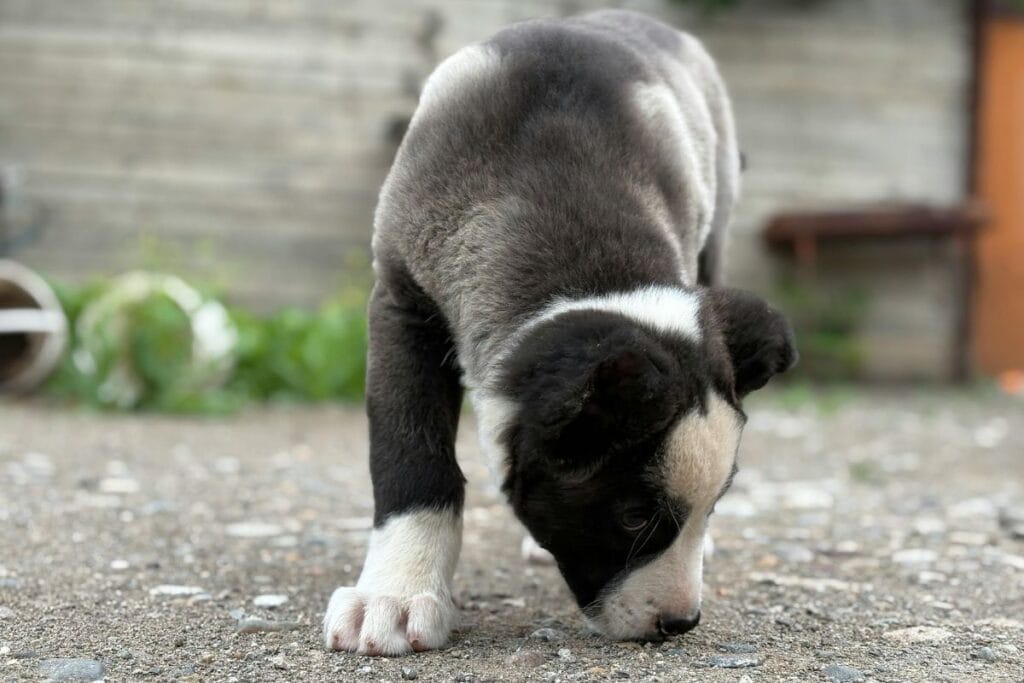
Dogs navigate their world largely through their sense of smell.
They rely on their noses much like we rely on our eyes. Therefore, insisting that they walk without sniffing is unfair.
Rushing your dog during walks takes away a vital source of enrichment vital for their well-being.
Sniffing provides mental stimulation. A dog that is allowed to explore with its nose is likely to tire out more easily than one that is not given this opportunity.
Staying Present on Your Walk
While walking your dog, it may seem tempting to zone out or meditate. However, staying engaged is crucial for numerous reasons.
Being aware helps you prevent your dog from picking up harmful items like litter and bones. It also keeps them from marking your neighbor’s flower beds. If your dog suddenly lunges for a squirrel or wanders too close to traffic, you need to be ready.
Engaging in conversation while walking can distract you, limiting your ability to react. If a squirrel darts out, you might not notice until it’s too late — your dog could be halfway down the street before you realize what’s happening.
Remaining focused during walks allows for quicker reactions in high-stress situations, enhancing safety for both you and your dog.
The Risks of Phone Conversations While Walking
Engaging in phone conversations during walks elevates the risk of accidents significantly. When you’re wrapped up in a discussion and use only one hand for guidance, you become more vulnerable. For instance, a sudden appearance of a squirrel could catch you off guard, giving your dog the chance to bolt down the street before you can react.
Is hands-free a better alternative?
It’s essential to understand that talking on a cell phone — whether hands-free or not — still diverts your attention. This split focus can compromise both your safety and your dog’s training. Walks are vital bonding moments between you and your dog, so it’s advisable to keep those moments distraction-free.
Utilizing Modern Dog Walking Equipment
In the past, choke collars were commonly used to manage dogs that pulled on the leash. Fortunately, advancements in pet training technology provide far more humane options today.
Veterinarians now advocate for no-pull collars, such as Halti® collars, over traditional choke collars or harnesses. These devices are designed to discourage pulling without causing pain. It’s crucial for pet owners to opt for training methods that promote positive reinforcement rather than discomfort.
By implementing these dog walking tips, you can enjoy safer, more focused outings with your furry companion.
Exploring New Paths with Your Dog
While variety can enhance the walking experience, many dog owners often find themselves sticking to familiar trails. Although your dog likely enjoys the routine, they could benefit from exploring different areas within your neighborhood, which can provide a fresh sense of excitement.
You don’t necessarily need to embark on extensive trips each time you go for a walk. Simply changing your route — such as walking on a parallel street or reversing your usual path — can offer new experiences for both you and your dog.
Dogs offer us unconditional love and companionship, and in return, it’s important to give them opportunities to sniff, roam, and investigate their surroundings during walks.
To deepen the bond between you and your dog, consider putting away your phone and engaging more with your pet as you explore less familiar paths.
Incorporating these small changes into your walking routine can significantly enrich the experience for your dog. Keep these tips in mind during your next outing to foster a more meaningful connection.
A Guide to Proper Dog Walking
Ultimately, the key to a successful dog walk is that both you and your furry companion return home happy and fulfilled.
To enhance the safety and enjoyment of your outing, consider the following dog walking tips:
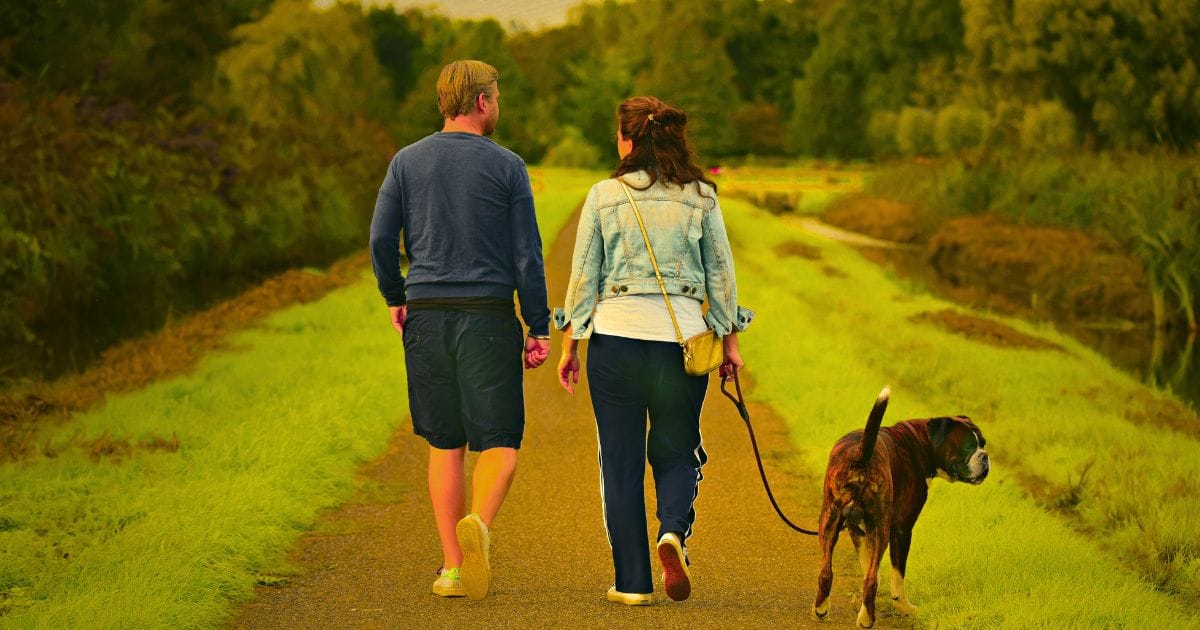
Choose a calm and secure environment for your walks, away from excessive distractions. Utilize a leash that is no longer than 6 feet and a collar that helps manage your dog’s behavior, preventing them from pulling or jumping on others.
Alternate between walks that emphasize exercise and those focused on exploration. Exercise-based walks prioritize speed and distance, while exploratory walks allow your dog to take their time discovering scents and surroundings in new or familiar areas.
Be mindful that not everyone may share your enthusiasm for your dog, and some animals might not be as sociable. Keep your dog under control at all times and avoid letting them approach others without permission. Always clean up after your dog immediately.
Prepare yourself for walking in varying weather conditions, whether it’s hot or cold.
Most importantly, savor the experience with your dog! Avoid distractions like texting or phone calls to fully engage during your time together.
While there may not be strict rules for dog walking, the goal remains the same: return home with a happy and satisfied pup!
Conclusion
Proper dog walking techniques can significantly enhance your pet’s behavior, health, and general quality of life. By choosing appropriate gear, recognizing your dog’s body language, and adhering to safe walking guidelines, you can ensure that each outing is pleasant and low-stress. Regular walks not only keep your dog physically active but also foster a deeper connection between you two. With careful preparation and a bit of patience, dog walking can evolve into a beneficial and fulfilling part of your daily routine for both you and your furry friend.