How Much Does a Dog Teeth Cleaning Cost? Complete Guide
The average dog teeth cleaning cost ranges from $350 to $500. If your dog needs advanced treatments, the total can climb above $1,500. Knowing these potential expenses helps you prepare for your dog’s dental needs and avoid surprise veterinary bills.
This guide explores the factors that impact dog teeth cleaning costs. We will also provide practical tips to help you manage your pet’s dental care effectively.
Dog Teeth Cleaning Costs
The final price usually depends on several factors:
- The severity of your dog’s dental problems
- Any further treatments that may be needed
- If a general veterinarian or a veterinary dentist with specialization performs the cleaning
- Your location.
Breakdown of Dog Teeth Cleaning Costs:
| Expense | Average Cost |
|---|---|
| Basic teeth cleaning by a general vet | $350 – $500 |
| Teeth cleaning by a veterinary specialist | $1,500 |
| Tooth extraction | $500 – $2,500 each |
| Blood work | $75 – $200 |
| Pain relief medication | $35 |
| Antibiotics | $35 – $85 |
What’s Covered in the Price of Dog Teeth Cleaning?
Anesthesia: To prioritize your dog’s comfort and safety, the veterinarian administers anesthesia along with sedation, and a tracheal breathing tube is inserted. This technique is designed to be gentle and stress-free, while also ensuring that the airway remains clear of any fluid, facilitating a comprehensive examination and treatment.
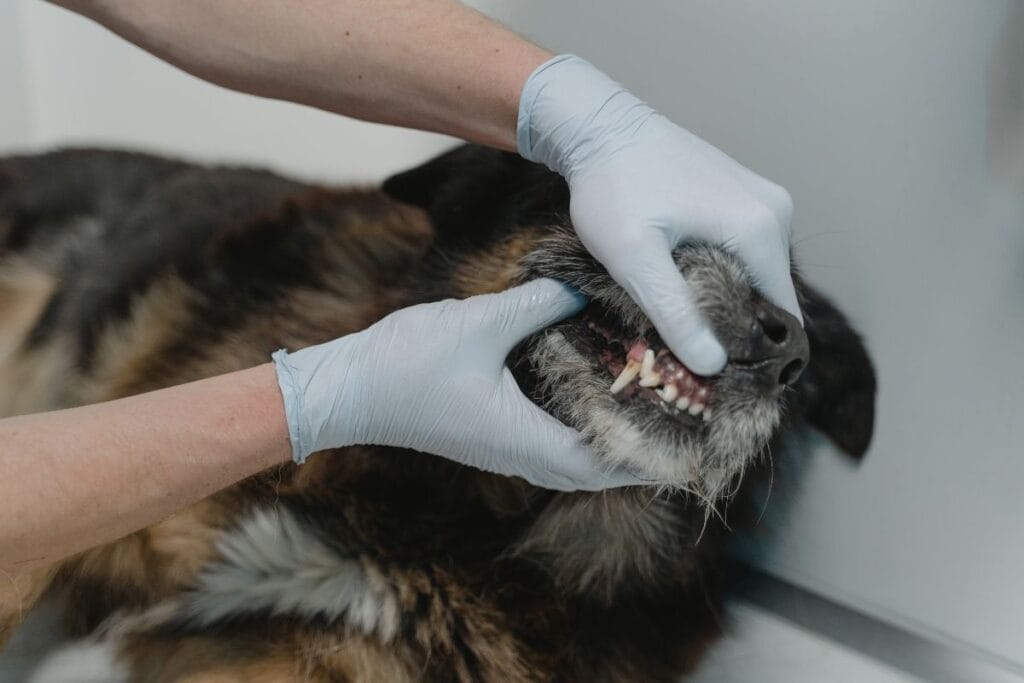
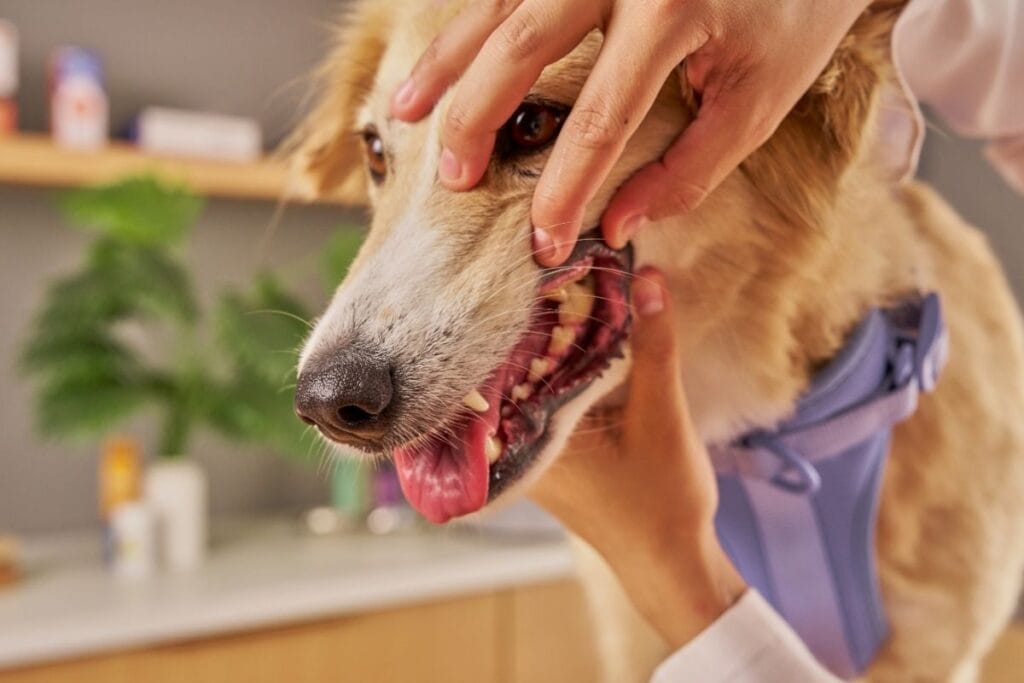
Oral Examination: The veterinarian conducts measuring gum pockets to evaluate periodontal health. They also check for broken or loose teeth and look for signs of cavities. In addition, the vet performs an intraoral examination, assessing the soft tissues of the mouth, including the tongue and throat, for any indications of ulcers or abnormal growths.
Scaling and polishing are essential steps in dental cleaning. Scaling effectively eliminates plaque and tartar from areas above and below the gumline. After finishing the procedure, dental professionals polish the teeth to create smooth surfaces. This smooth texture is essential for reducing the likelihood of future plaque and tartar accumulation.
Dental X-rays: It’s advisable to have dental X-rays done during each cleaning session. These images aid veterinarians in spotting various issues such as bone loss, oral cancers, infections, and cysts. X-rays are also essential before and after tooth extractions. Although this may extend the anesthesia time slightly, the advantages often far exceed the risks involved.
It’s important to discuss the dog teeth cleaning cost with your veterinarian. They will perform a blood test before the cleaning to check your dog’s health and confirm they’re fit for anesthesia. The price for this blood work can range from about $75 for a healthy young dog to as much as $200 for older dogs or those with health issues.
Factors Influencing Dog Teeth Cleaning Cost
The expense associated with cleaning your dog’s teeth can fluctuate significantly due to various key elements. One of the primary determinants is the degree of your dog’s dental health; more serious conditions typically necessitate additional interventions, raising overall costs. If treatments like extractions or X-rays are required, this will further contribute to the total bill.
Another important aspect is the type of professional conducting the cleaning. General veterinarians generally have lower fees compared to veterinary dental specialists, whose advanced skills can lead to higher charges.
Services that Can Increase Dog Teeth Cleaning Cost
Several services may contribute to a higher overall cost for dog dental cleaning:
- Tooth Extractions
- When a tooth is significantly damaged and causes pain or swelling, it often needs to be removed. The expenses for this procedure range from $500 to $2,500 per tooth, influenced by factors like tooth size, the complexity of the extraction, and the length of the surgery.
- Nerve Blocks
- Local anesthetics, known as nerve blocks, are injected into specific regions of the mouth to relieve discomfort during procedures such as tooth extractions.
- Root Canals
- A root canal involves taking out the inner components of a tooth, including nerves and blood vessels, and filling it with a dental material. This treatment aims to save the tooth instead of opting for extraction.
- Pain Medications
- If your dog requires further dental procedures, your veterinarian might prescribe pain relief medications like Deramaxx to enhance comfort during their recovery.
- Antibiotics
- When your veterinarian discovers serious infections in the gums, jawbone, or teeth, they might recommend oral antibiotics like Antirobe or Clavamox. Alternatively, they could provide an antibiotic injection, such as Convenia, to address the issue effectively.
General Veterinarian vs. Veterinary Dentist
Veterinary dentists are experts certified by the American Veterinary Dental College (AVDC). They undergo extensive residency programs that provide advanced training in areas such as dentistry, pain management, imaging (like X-rays and CT scans), and anesthesia.
You might consider consulting a veterinary dentist if your dog:
- Has pre-existing health conditions
- Needs a root canal
- Requires cancer removal
- Has less common issues (like dentigerous cysts, retained tooth roots, or a broken jaw)
- Requires specialized anesthesia
Is Dog Dental Cleaning Covered by Insurance?
It’s essential to thoroughly examine your pet insurance policy, as not all plans include coverage for dental care. Often, any dental issues that were already present prior to enrollment may be classified as pre-existing conditions and thus won’t be covered.
Different insurance companies have varying policies regarding dental procedures such as extractions, X-rays, or root canals. Therefore, pet owners should carefully evaluate their coverage details prior to arranging any dental treatments to prevent any surprise expenses.
How Frequently Should You Clean Your Dog’s Teeth?
The American Animal Hospital Association (AAHA) advises that small to medium dogs should have their first dental cleaning by age 1, while larger breeds should wait until age 2.
Small dogs commonly need annual cleanings because their small mouths can lead to dental problems like gingivitis from overcrowded teeth. Breeds with short snouts, such as Pugs, French Bulldogs, and Boston Terriers, face higher risks of serious dental issues.
For larger dogs, cleanings can usually be done every 1.5 to 2 years, though some may need annual care based on specific requirements. It’s important to include dental checks during yearly vet appointments.
Be on the lookout for signs that your dog might need professional dental cleaning, including:
- Bad breath
- Red, swollen, or bleeding gums
- Difficulty eating or reduced appetite
- Dropping food while eating
- Loose teeth
- Teeth chattering
Tips for Reducing Costs on Dog Dental Cleanings
Let’s explore some strategies to help you save money on your dog’s dental care while also preventing future oral health issues.
Implement At-Home Dental Care
Maintaining good dental hygiene at home is crucial for your dog’s teeth. By staying proactive about their oral health, you can help avoid periodontal disease, which could lead to costlier treatments down the line.
Consider incorporating veterinarian-recommended dental chews, such as Greenies. These treats are specifically designed to help control plaque and tartar when given daily.
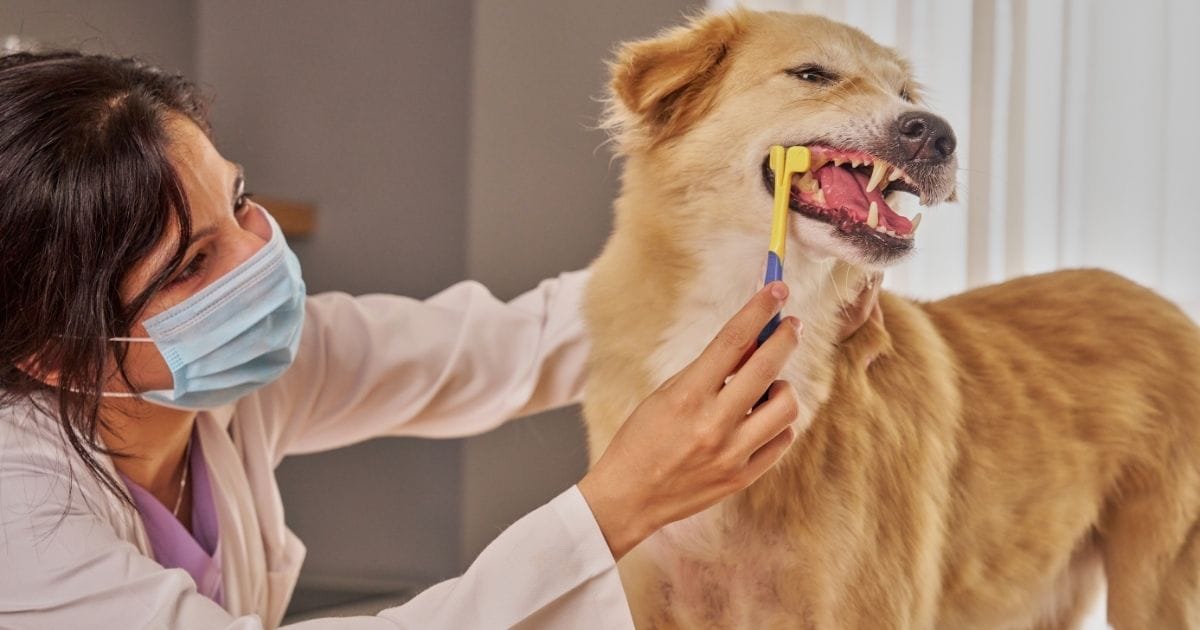
Brushing your dog’s teeth is another effective method. Aim to do this every day, using a toothbrush and toothpaste made for dogs — select flavors that your pet enjoys to encourage cooperation.
You can also explore other at-home dental products like dental diets, sprays, wipes, and water additives to further support your dog’s dental health.
Schedule Early Dental Cleanings
Arranging dental cleanings early in your dog’s life is a smart long-term strategy that can save you money and improve their overall oral health.
Addressing mild dental issues with regular cleanings is generally more cost-effective than waiting until more severe problems develop, which may require expensive treatments for older dogs.
Don’t hesitate to consult your veterinarian during annual check-ups regarding when your dog might need a cleaning.
If your pet undergoes yearly blood work, try to align the dental cleaning with those tests to avoid incurring additional costs later on.
Selecting the Appropriate Pet Insurance Policy
When considering pet insurance, it’s crucial to examine the specifics of dental coverage, particularly if you own an older pet. Certain policies may exclude dental care as a pre-existing condition. Benefits can vary significantly from one plan to another.
Additionally, some veterinary clinics provide discounts during February, which is recognized as Pet Dental Health Month, or they may include dental cleanings as part of their annual wellness packages. It’s also worth inquiring if your veterinarian collaborates with third-party financing solutions.
Avoid Anesthesia-Free Procedures
Be cautious of anesthesia-free dental cleanings, often termed “awake” cleanings. These methods do not effectively address dental diseases and pose safety risks to pets.
While they might seem more economical, these procedures fail to eliminate plaque and tartar buildup beneath the gum line, neglect to treat any underlying conditions, and can cause unnecessary stress for your pet.
Both the American Animal Hospital Association (AAHA) and the American Veterinary Dental College (AVDC) do not support these practices. The initial savings may lead to greater costs for both you and your pet in the future.
Dog Teeth Cleaning Cost FAQs
Is Investing in Dog Teeth Cleaning Justified?
Investing in dog dental care is essential. A 2023 study found that 73% of dogs and 64% of cats suffer from dental issues. If left untreated, these can lead to serious complications like pain, bleeding, and trouble eating. Regular dental cleanings can prevent and even reverse such problems, improving your pet’s health overall.
How Frequently Should Dogs Have Their Teeth Cleaned?
Smaller dogs and brachycephalic breeds should receive professional dental cleanings from a veterinarian annually. In contrast, larger dogs typically require cleanings every 18 months to two years.
Are there Alternatives to Professional Cleanings?
Professional dental cleanings are irreplaceable.
Although daily dental care — like brushing, providing dental chews, and feeding special diets — can reduce plaque and tartar buildup and slow dental disease, they can’t match the comprehensive cleaning a veterinarian performs under anesthesia. Such cleanings are crucial for treating pain and infections below the gumline.
Conclusion
In conclusion, while the dog teeth cleaning cost can be high, the long-term health benefits for your pet usually justify the expense. Regular dental care helps prevent painful diseases and supports overall health, potentially saving you money on future veterinary bills. By investing in professional cleanings and keeping up with at-home dental care, you can significantly improve your dog’s quality of life. Make sure to consider your pet’s individual needs and your budget when deciding, and consult your veterinarian to ensure the best choice for your furry companion.