8 Cat Stress Symptoms You Shouldn’t Ignore (And How to Help)
Have you noticed any odd behavior in your cat lately? As responsible pet owners, it’s only natural to wonder if our cats are feeling stressed. We often look for cat stress symptoms, especially when our typically serene friends start hiding more or meowing frequently.
Cats excel at hiding their discomfort, making it tough to pinpoint when they’re under stress. Whether caused by changes in their environment or potential health issues, recognizing cat stress symptoms is vital for helping your feline feel safe again. In this guide, we’ll examine the eight most common signs of stress in cats and provide effective techniques to calm your anxious companion.
Increased Vocalization: A Key Cat Stress Symptoms
When a cat is stressed, you may notice a rise in vocalizations. The various sounds a cat produces convey important information about its emotional state. Under stress, a cat might exhibit signs such as:
- Excessive Meowing: Frequent meows can signal a need for help, indicating that your cat is trying to get your attention.
- Yowling: This can be a cry of distress, suggesting that the cat is in discomfort or anxiety.
- Hissing and Growling: These are instinctive sounds that cats make when they feel threatened. They serve as warnings to other animals to stay away.
It’s essential to pay attention to these vocal signals, as they indicate that your cat is stressed and may require intervention.
Excessive Grooming as a Response to Stress
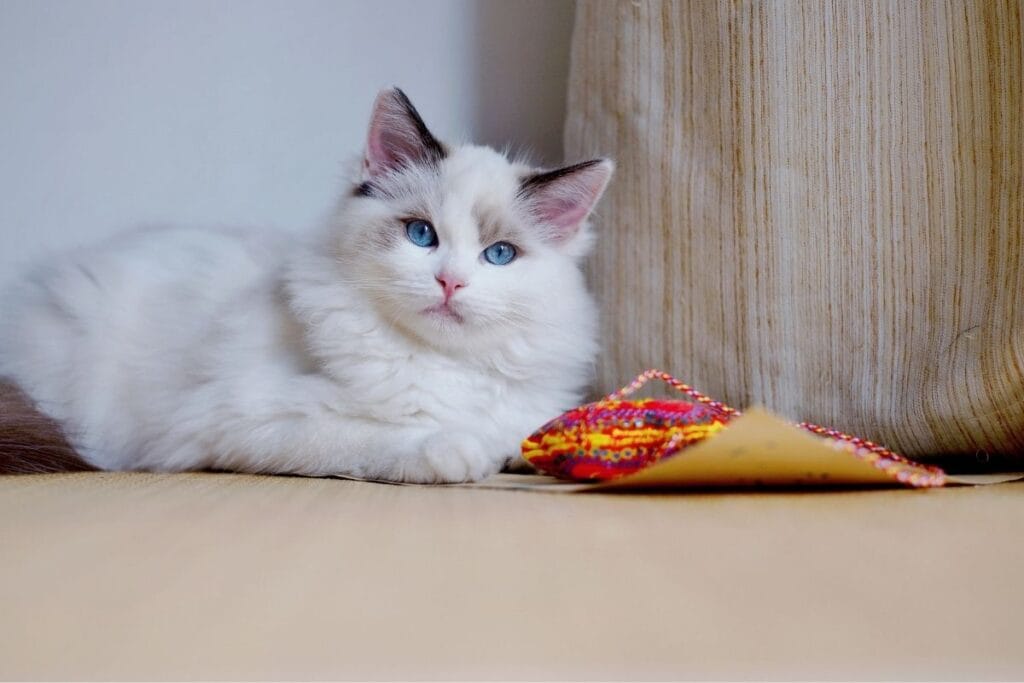
Cats naturally groom themselves, which helps release endorphins and enhances their overall happiness and well-being. However, when they encounter stressful situations, they may resort to excessive grooming as a way to cope, leading to skin irritations and a heightened urge to lick.
To curb this behavior, you might need to fit your cat with a soft recovery collar to stop overgrooming in the short term. Alongside this, incorporating strategies to alleviate stress can tackle the root causes of their anxiety and diminish the urge to groom excessively. Here are some effective measures:
- Veterinary Support: Consult your veterinarian about anti-anxiety medications, calming supplements, or pheromone diffusers designed for cats.
- Consistent Routine: Establish a daily schedule for feeding and litter box maintenance. Predictability can help reduce stress.
- Mental Stimulation: Provide various forms of enrichment, such as cat trees positioned near windows for bird watching, interactive toys, and scratching posts.
Before introducing any new medications or supplements into your cat’s routine, ensure you consult with your veterinarian to avoid potential health risks. Understanding and addressing these behaviors will help create a more comfortable environment for your stressed cat.
Urinating Outside the Litter Box
One prominent indicator that a cat is stressed is when it urinates outside its litter box. This behavior often stems from the cat’s instinctual need for comfort, as their own urine provides a familiar scent that helps soothe them. When a cat uses the litter box, the absorbent material masks that comforting aroma.
Additionally, cats may spray urine on vertical surfaces as a way to mark their territory. This territorial behavior can serve as a coping mechanism during stressful situations.
It’s important to note that urinating outside the litter box can also indicate underlying medical issues, including urinary tract infections, the presence of stones or crystals in the urinary tract, or kidney-related problems. Therefore, if you observe your cat urinating outside the litter box, it’s essential to consult a veterinarian. Addressing any health concerns should take precedence before considering stress-reduction strategies.
Aggression
A cat experiencing stress may display aggressive behaviors as a defensive response to perceived threats to its safety. Signs of aggression can include:
- Hissing
- Growling
- Stalking
- Pouncing
- Scratching
- Biting
Similar to urinating outside the litter box, aggression can also be rooted in medical issues. Older cats may experience cognitive decline, while painful conditions such as arthritis or dental disease can lead to increased aggression. It’s advisable to seek veterinary advice before trying new medications, supplements, or environmental changes to manage your cat’s aggressive behavior.
Hiding
Unlike those cats that react aggressively, many prefer to seek refuge when they’re feeling stressed and vulnerable. By choosing to isolate themselves, these cats aim to safeguard their emotional and mental health. If your cat opts to retreat to a hiding place, it’s important to let her be. Interrupting a cat in hiding could increase her stress.
To sum up, being aware of behaviors like urinating outside the litter box, showing aggression, and hiding is essential for recognizing signs of stress in your cat. Consulting with a veterinarian can help uncover any potential health issues and provide strategies to reduce your cat’s stress. Consider the following steps:
Decreased Energy Levels
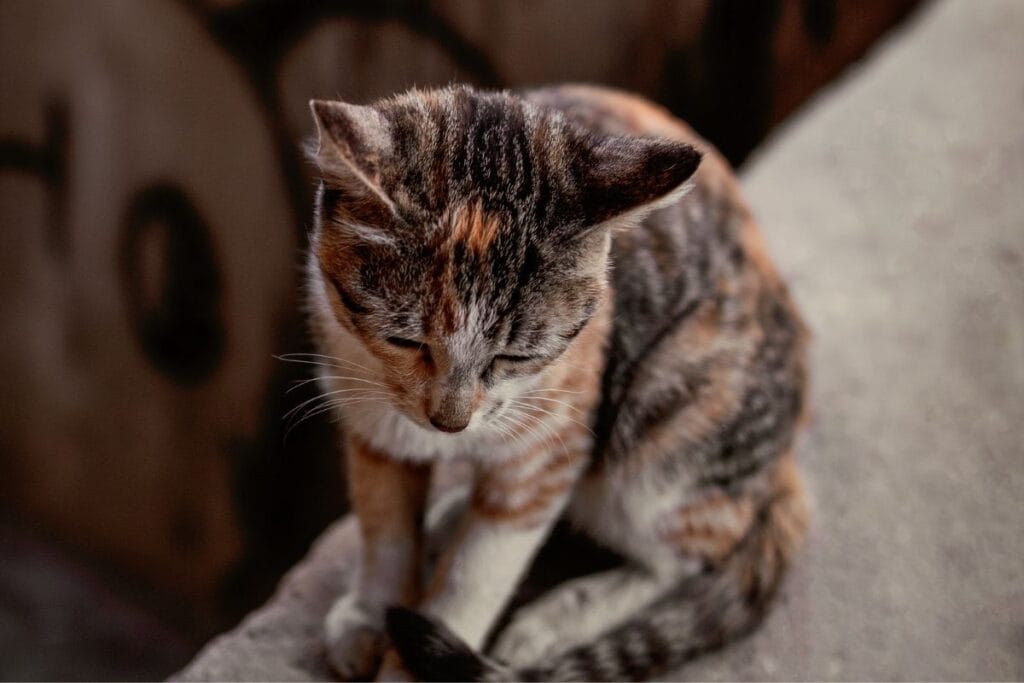
Cats naturally tend to sleep between 16 and 20 hours a day. However, if you notice your cat is even less active than normal, it could be a sign that she is stressed. Much like seeking refuge by hiding, a cat’s tendency to sleep more and engage in fewer activities can be a coping mechanism in response to overwhelming circumstances. The physical strain from stress can also cause your cat to require additional rest to recuperate.
Reduced Appetite and Water Intake
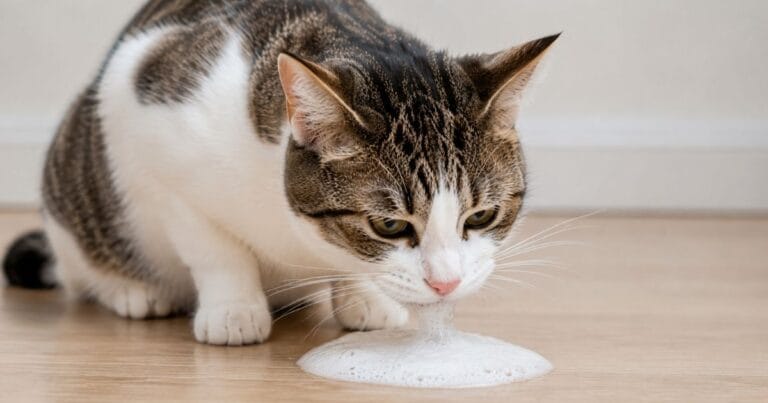
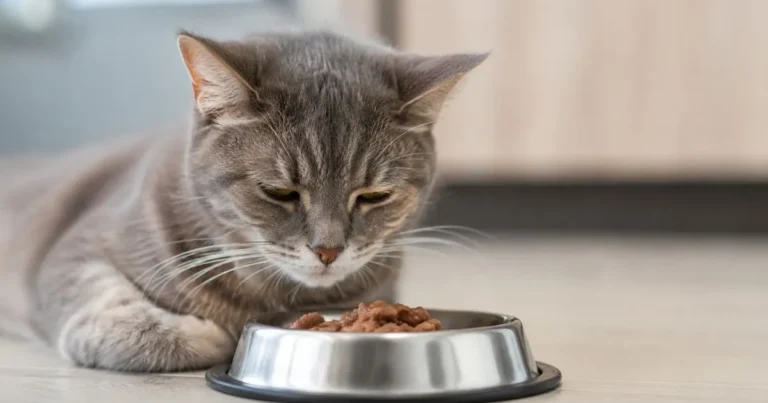
In addition to exhibiting lower energy levels, a stressed cat may show disinterest in food. The release of cortisol, a hormone associated with stress, can diminish her appetite and even trigger feelings of nausea. Consequently, if she’s spending more time sleeping, she may lack the energy to get up and eat or drink.
Gastrointestinal Disturbances
Stress can cause inflammation in your cat’s digestive tract, which may lead to issues like vomiting or diarrhea. If you observe that your cat has a decreased appetite, is not drinking enough water, or is experiencing gastrointestinal upsets, it’s essential to schedule a visit to the veterinarian. These symptoms could stem from various medical conditions that need to be evaluated.
Recognizing these signs can help you address the underlying causes of your cat’s stress and ensure her well-being.
Tips For Stressed Cat
Consult your veterinarian: Arrange an appointment with your vet to exclude any medical issues that might be making your cat stressed. They can also recommend appropriate anti-anxiety medications if needed.
Introduce anti-anxiety solutions: Start using anti-anxiety products as advised by your veterinarian to help ease your cat’s stress.
Enhance environmental stimulation: Create a stimulating atmosphere for your cat. Provide plenty of positive interactions through petting, grooming, and interactive play. Using puzzle and treat-dispensing toys filled with dry food can greatly enhance her mental engagement.
Create a comfortable space: Set up a safe zone for your cat that includes everything she needs for comfort and to express her natural behaviors. This area should have high spots for watching outside, suitable scratching posts (both vertical and horizontal), easily accessible food and water bowls to encourage regular eating and drinking, and clean litter boxes.
Establish a daily routine: Maintain a consistent schedule for your cat’s daily activities. A predictable routine can significantly help in reducing the anxiety that arises from uncertainty.
Address social stressors: If your cat is stressed due to interactions with other pets in the home, consider professional training. This can help improve socialization among your animals and reduce negative behaviors that impact your cat’s emotional well-being.
FAQs
How do I know if my cat is stressed or sick?
Many cat stress symptoms look like health issues. If your cat stops eating or has trouble using the litter box, it’s best to see a vet to be sure.
Can a change in environment cause cat stress symptoms?
Yes! Cats love routine. Moving furniture, new pets, or even loud noises can trigger various cat stress symptoms like hiding or excessive grooming.
What is the fastest way to calm a stressed cat?
Creating a quiet space, using calming pheromones, and maintaining a strict routine are great ways to reduce active cat stress symptoms.
Final Thoughts on Cat Stress Symptoms
In summary, recognizing cat stress symptoms promptly is essential for maintaining your cat’s well-being and happiness. By observing changes in their behavior, such as increased grooming or signs of withdrawal, you can take swift action to foster a more nurturing environment.
It’s important to remember that your cat depends on you for their safety and comfort. Increasing interactive playtime or providing a tranquil environment are ways to help alleviate cat stress symptoms, ultimately enhancing your relationship. If your cat continues to exhibit signs of stress despite your interventions, seek guidance from your veterinarian for personalized solutions that address your cat’s individual needs.