Why Do Dogs Paw on You? Heartwarming Meaning
Your dog nudges you with their paw while you’re engrossed in a book or chatting with friends. But have you ever stopped to ask why dogs paw on you? This fascinating behavior speaks volumes about your dog’s feelings and instincts. Join us as we explore the heartwarming meaning behind your pup’s pawing, and learn how it can deepen your mutual understanding and love.
Why Does My Dog Paw on Me?
This behavior often starts as an instinctive action in puppies. As they grow, dogs learn that pawing can effectively communicate their desires, since it typically prompts their owners to respond.
Puppies come to realize that whether it’s for food, attention, or access to something, pawing is a reliable method to get what they want.
Given that pawing is a natural behavior from the outset — puppies will paw at their mothers for milk — dogs will utilize this form of communication when they require something. Moreover, humans usually react to this gesture, reinforcing the behavior.
However, it’s essential to note that not every instance of pawing signifies a request for attention. Observing your dog’s body language can provide valuable insights into their feelings and intentions when they paw on you.
1. Seeking Your Attention: Why Dogs Paw on You
When dogs feel a touch of boredom, they might place a paw on you as a way to request your attention or to kick off some fun.
If you find yourself unable to interact with your pup at that moment, consider offering them a self-directed activity to keep them entertained. Dog puzzles and food-dispensing toys, such as Kongs or Toppls, can be excellent choices. Stuff these toys with vet-approved dog treats to keep your furry friend occupied.
Moreover, you can enhance their playtime by freezing these toys filled with peanut butter or bananas, along with Kong Stuff’N Eat fillers, making their enjoyment last even longer. This tactic allows you some quality time for yourself, free from continual pawing.
2. The Need to Go Outside
A paw on you can also indicate that your dog wants to step outside, whether for a bathroom break or simply to bask in a sunny spot. Prior to pawing, dogs might display other cues, such as positioning themselves by the door to signal their desire to go outside.
3. Hunger Signals
Many pet owners notice that their dogs become restless about half an hour before their scheduled mealtime. When their stomach begins to rumble, a paw on you may serve as a heads-up that they are hungry.
If your pup begins to paw for food and their next meal is still some time away, you might want to offer them a long-lasting treat, like a bully stick. Always consult your veterinarian before introducing new snacks into your dog’s diet, and keep treats to a maximum of 10% of their daily caloric intake.
4. Expressing Affection
Love activates a chemical response in both humans and dogs, involving neurotransmitters like serotonin, oxytocin, and dopamine. Being near someone who triggers these positive hormones naturally draws us closer.
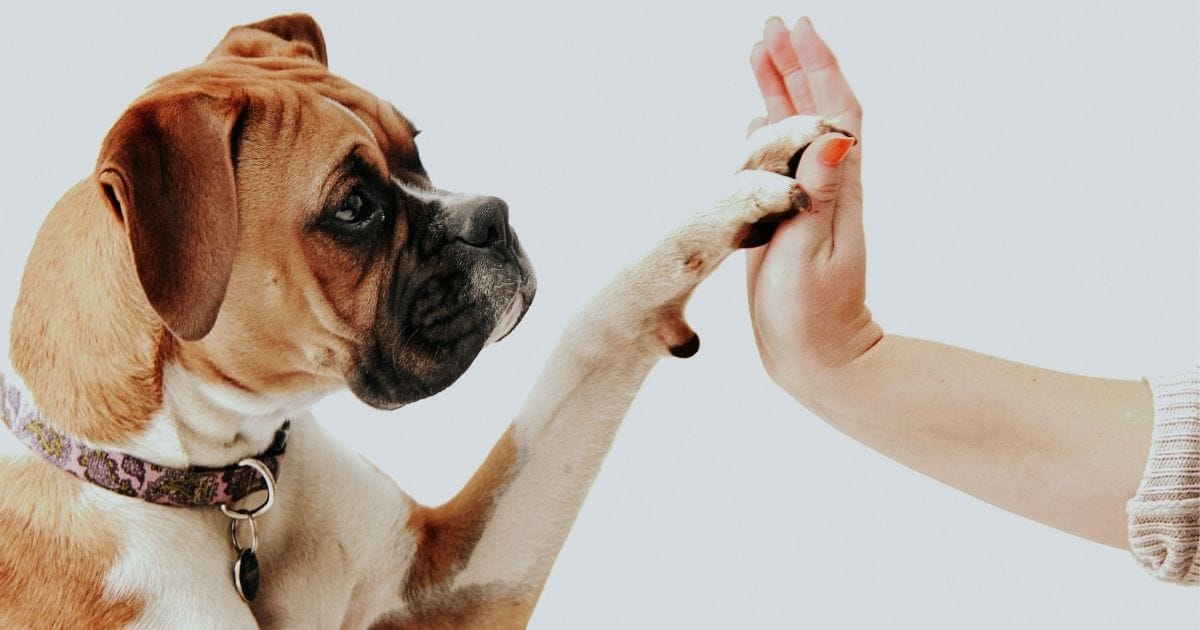
Dogs also experience love through these same chemicals, often expressing it by placing their paw on your arm. This simple gesture signifies affection and strengthens your bond.
5. Naturally They’re Feeling Anxious
Dogs can express their emotions, such as stress or anxiety, through various body language cues, including their paws.
When a dog raises a paw without making contact, it may indicate unease. Conversely, if they do touch you with their paw, it could also reflect a desire to distance themselves from a situation.
If you notice your dog exhibiting anxious pawing behaviors, it’s best to remove them from the stressful environment.
Always ensure your dog has the time and space to adjust to new experiences or unfamiliar faces. This might involve taking them for a walk, letting them play in the yard, or allowing them to observe calmly from a safe distance.
What to Do When a Dog Paws at You?
If you find that your dog is putting a paw on you, it’s essential to assess the context. The reasons behind this behavior can vary significantly; for instance, pawing due to stress, anxiety, or health issues requires different attention than playful or affectionate pawing.
Pay close attention to the actions your dog exhibits prior to pawing, as this can provide insights into their intentions. Consider the following questions:
- Does your dog approach and fixate on you?
- Do they circle the room?
- Are they looking at a toy?
- Do they go near their food dish?
- Do they head towards the door?
If you’re having difficulty determining the reason behind your dog pawing at you, consider consulting a qualified animal behaviorist for guidance.
In the case of an unfamiliar dog that places a paw on you and it makes you uneasy, it’s advisable to step back and request the owner to manage the situation.
For those dogs that enjoy pawing, they might benefit from interactive toys like the Hunger for Words Talking Dog Toy. This toy allows your dog to use their paw to press buttons with symbols, enabling them to communicate their desires effectively.
Understanding why dogs paw on you can enhance your connection with your pet and ensure a positive experience for both of you.
How to Stop Your Dog From Pawing at You
Many people unintentionally encourage their dogs to paw at them by quickly providing the desired response. Let’s consider a scenario:
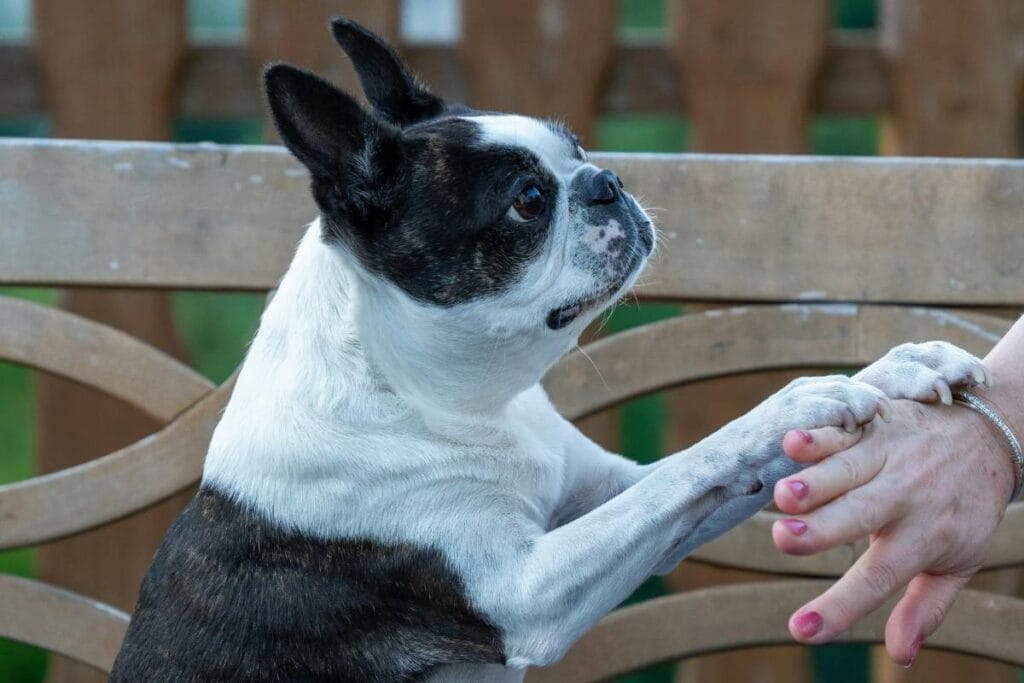
Imagine your dog is craving some affection or wants to engage in play, but you’re preoccupied. They approach you and place their paw on your lap.
In an attempt to discourage this behavior, you might say “No.” However, by standing up to interact with your dog afterward, you’ve inadvertently reinforced the action.
Despite trying to correct them verbally, like saying “no,” your dog has still received the attention they were after, leading them to understand that pawing gets them what they want.
Instead, when your dog paws at you:
1. Stand up.
2. Request an alternative action, like sitting.
3. Reward them with what they desire.
Once your dog realizes that sitting fulfills their needs, it can effectively replace the pawing behavior. This approach will help you manage when your dogs paw on you.
Conclusion For Dogs Paw on You
When dogs paw on you, it carries a touching significance, symbolizing their communication, affection, and desire for comfort. This behavior is not merely instinctual; it serves as a reminder of the profound connection we have with our dogs. By viewing their pawing as a means of interaction, we can strengthen our relationship in ways that benefit both us and our pets. Each instance of pawing is an opportunity to engage, think, and enhance our awareness of their feelings.