
Maltese Dog Breed Health And Care Guide
Did you know that the Maltese dog breed, known for its stunning white coat and playful personality, can also be prone to specific health issues? Understanding the unique care requirements and potential health concerns of this beloved breed is crucial for any current or prospective Maltese owner. In this comprehensive guide, we’ll explore essential health tips, preventive measures, and everyday care practices to keep your Maltese happy and thriving. By the end of this article, you’ll be equipped with the knowledge needed to provide the best life for your furry companion.
Maltese Dog Breed Characteristics
Height: Ranges from 7 to 9 inches
Weight: Typically weighs less than 7 pounds
Lifespan: Average life expectancy is between 12 and 15 years
Breed Classification: Belongs to the Toy group
Shedding Rate: Minimal shedding observed. Maltese dogs are perfect for those with allergies due to their low shedding. Discover additional small hypoallergenic dog breeds that also don’t shed in this guide.
Temperament: Known for being sociable and friendly
Energy Level: Generally active and playful
Common Health Issues In Maltese Dogs

The Maltese dog typically has a lifespan ranging from 12 to 15 years. Overall, they are considered a robust breed with minimal health issues; however, there are a few hereditary conditions that responsible pet owners should monitor for effective health management.
Luxating Patella
One common inherited issue in Maltese breeds is luxating patella. This condition occurs when one or both kneecaps dislocate or move out of their normal position.
While luxating patella is generally not a painful condition, it can result in the dog favoring a leg, which may increase the risk of other knee injuries, such as a torn cranial cruciate ligament, and lead to arthritis. Depending on its severity, surgical intervention may be advised to minimize further damage and enhance the quality of life for your Maltese.
Patent Ductus Arteriosus (PDA)
Another serious condition to be aware of is patent ductus arteriosus (PDA). Responsible Maltese breeders routinely screen their puppies for heart defects, including PDA. This hereditary defect occurs when the ductus arteriosus, a crucial artery connecting two major blood vessels in the heart, fails to close after birth.
The persistence of this opening disrupts normal blood flow, putting extra strain on the left side of the heart and ultimately increasing the risk of heart failure. Symptoms can vary widely based on the size of the duct, ranging from minimal signs to more severe manifestations of heart failure, such as:
- Labored breathing
- Reduced exercise capacity
- Poor growth
Surgical treatment is often recommended to close the defect. If performed before the heart reaches a compromised state, the outlook is generally positive. However, dogs already exhibiting signs of heart failure at the time of surgery may need ongoing medication post-operation.
By staying informed about these potential health issues, owners of the Maltese dog breed can take proactive steps for effective health management.
Liver Shunts in Maltese Dog
Maltese puppies are vulnerable to various congenital liver conditions, notably liver shunts. Liver shunts refer to irregular blood vessels that bypass the liver, which prevents the organ from effectively filtering out toxins, waste products, and medications from the bloodstream. As a result, dogs suffering from liver shunts may experience poor growth and various neurological symptoms, including confusion or seizures.
To diagnose liver shunts, a simple blood test can be conducted. Management of this condition typically involves dietary modifications and medication; however, surgical intervention may be necessary in some cases.
Dental Disease in Maltese Breeds
Maltese dogs, like many toy breeds, face an increased risk of periodontal disease, which is a serious type of dental condition. Periodontal disease can manifest as bad breath, swollen gums, loose teeth, and additional discomfort for your Maltese. If untreated, it has the potential to adversely affect other organs within the body.
To maintain optimal oral health in your Maltese, it is crucial to implement a daily tooth-brushing routine and schedule regular dental cleanings under anesthesia to prevent dental issues from developing.
Nutrition for Maltese Dog
Choosing the right diet for a Maltese dog requires consideration of the dog’s individual needs. Prioritizing high-quality ingredients is essential; however, it is advisable to consult with your veterinarian for tailored dietary recommendations based on your Maltese’s specific health profile.
Ensure that the dog food you select complies with the nutritional guidelines established by the Association of American Feed Control Officials (AAFCO). Moreover, you can find dog food formulas designed specifically for Maltese dogs. It’s a good idea to talk to your veterinarian to see if these choices are appropriate for your pet.
Feeding Guidelines for the Maltese Dog Breed

Maltese puppies, due to their diminutive size, are particularly vulnerable to hypoglycemia (low blood sugar) if they do not consume adequate food throughout the day. To prevent this condition, it is advisable to feed your Maltese puppy small meals three to four times per day until they reach around four months of age.
At approximately four months, Maltese puppies become more capable of maintaining stable glucose levels and can successfully transition to two meals a day. Some owners may choose to feed their adult Maltese three meals daily instead. Generally, adult Maltese dogs thrive on a diet consisting of two meals, typically served in the morning and evening.
It’s also important to monitor your Maltese for weight gain, as they have a tendency to become obese. To encourage a healthy body condition, avoid overfeeding your pup.
Determining Portion Sizes for Your Maltese Dog Breed
The quantity of food you provide your Maltese will depend on various individual factors. It is essential to adhere to the serving guidelines found on your dog food packaging, as these recommendations are tailored according to your dog’s specific weight.
If you have any uncertainties regarding portion sizes or dietary needs, consulting with your veterinarian is a wise choice. They can provide personalized advice that takes into account your Maltese’s unique lifestyle and health requirements.
Nutritional Tips For a Maltese Dog
For Maltese dogs suffering from luxating patella, incorporating joint supplements that contain glucosamine and chondroitin may be beneficial. These ingredients support joint health and mobility. Additionally, omega-3 fatty acids, often derived from fish oil, can further enhance joint protection and contribute to a healthy, vibrant coat.
By following these feeding and nutritional guidelines, you can help your Maltese dog maintain optimal health and well-being.
Maltese Dog Personality and Temperament

Every dog has its own personality, but the Maltese breed is particularly known for being loving and sociable. These dogs thrive in family settings, although it’s crucial for adults to supervise their interactions with young kids. Their small size puts them at risk of injury from playful youngsters. Families with older children who know how to treat pets kindly may find the Maltese to be a great match.
Maltese dogs develop strong bonds with their owners and like to remain close by. If left alone for long periods, they may experience separation anxiety.
Maltese Dog Behavior
Maltese thrive on daily activities, although they do not require intense exercise to maintain their physical or mental well-being. They usually enjoy leisurely neighborhood walks, playing in the yard or living room, and mastering new tricks. However, if a Maltese becomes bored or feels isolated, it may resort to undesirable behaviors, such as excessive barking.
Training Tips for Maltese Dogs
The Maltese dog breed is intelligent and can understand training commands rapidly, especially when positive reinforcement techniques are employed. It’s advisable to keep training sessions brief and enjoyable, akin to playing a game, to maintain your dog’s focus.
It’s important to be cautious with the number of treats given during training, as their small size means that calorie accumulation can happen quickly. Alternatives such as praise and toys can also serve as effective positive reinforcement during training.
Engaging Activities for Your Maltese
To keep your Maltese stimulated and happy, consider integrating the following activities into their routine:
- Walking: Regular walks are essential for exercise and mental stimulation.
- Indoor/Outdoor Play: Encourage playtime in varied environments to keep them engaged.
- Obedience Training: Reinforce good manners and obedience through consistent training.
- Agility Training: Set up fun courses to challenge their agility and promote physical fitness.
- Learning Tricks: Teaching new tricks can be a rewarding activity for both you and your Maltese.
Maltese Grooming Guide
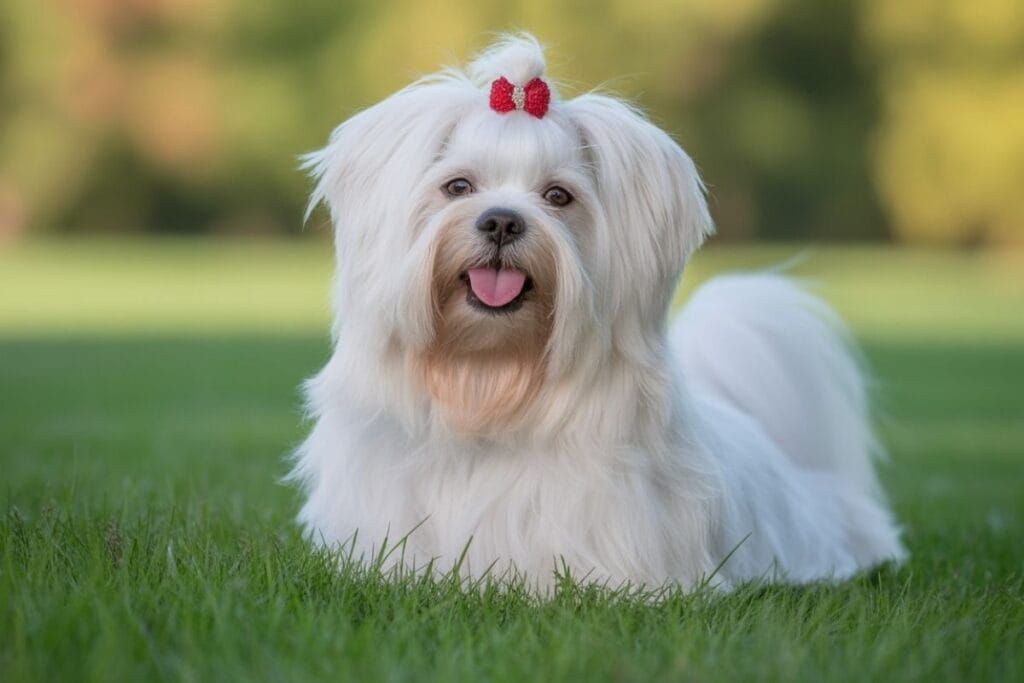
The Maltese dog breed is known for its long, silky white fur. Daily grooming is essential to avoid matting and tangling. Regular brushing or combing helps keep their coat in good condition. Bathing them periodically also supports skin and coat health.
If you prefer less maintenance, you can choose from various shorter haircuts that still highlight the breed’s appealing features.
By understanding the Maltese’s needs in terms of behavior, training, and grooming, you can create a happy home. This will strengthen the bond between you and your dog.
Maltese Skin Care
The skin care regimen for the Maltese dog breed can differ based on each dog’s unique requirements. Generally, Maltese dogs do not possess particularly sensitive skin. To ensure their skin remains healthy, it’s essential to engage in regular grooming practices, including brushing and bathing with a canine-specific shampoo.
If you observe any alterations in your Maltese’s skin, such as irritation, redness, or unusual patches, it’s advisable to consult your veterinarian promptly.
Maltese Coat Care
The Maltese dog breed is characterized by its long, luxurious coat, which is susceptible to matting. Unattended mats can lead to skin infections and discomfort; therefore, daily brushing is crucial to keep their fur free from tangles and knots.
When grooming your Maltese, it is vital to rinse thoroughly during baths and ensure that the coat is completely dried afterward. This helps prevent irritation or infections that can arise from residual shampoo or excess moisture. Regular maintenance is key to a healthy and beautiful coat for your Maltese.
Important Considerations for Maltese Dog Breed Owners
The Maltese Dog Breed is a small, toy-sized dog. It has an elegant look and a lively personality. This breed features a long, silky white coat and a playful attitude. Dog lovers cherish the Maltese for its affectionate nature. It hails from the Mediterranean region and has a rich history. The Maltese adapts well to different living situations. With the right care and socialization, it thrives as a loyal and engaging pet. This breed is great for both families and individuals.
FAQs
What is the average lifespan of a Maltese dog?
Maltese dogs typically live between 12 to 15 years, although some may live longer with proper care.
What vaccinations do Maltese dogs need?
Maltese should receive core vaccinations like rabies, parvovirus, and distemper, along with regular vet visits to keep their immunizations current.
What should I feed my Maltese teacup?
A high-quality, small-breed dog food formulated for their size and age is recommended. It’s important to control portion sizes to prevent obesity, as Maltese are prone to weight gain.
What is the average cost of a Maltese ?
The average cost of a Maltese puppy typically ranges from $600 to 2,000, depending on the breeder, location, and lineage.
Do Maltese dogs shed a lot?
Maltese dogs have a single, long coat that sheds very little, making them an excellent choice for allergy sufferers, although regular grooming is necessary to prevent matting.
Can Maltese dogs live in homes with allergy sufferers?
Yes, many allergy sufferers successfully live with Maltese dogs. It’s crucial to monitor individual reactions and maintain a clean living environment to manage allergies effectively.
Conclusion
Caring for a Maltese dog involves understanding their unique health and care needs for a happy, long life. Essential practices include regular vet visits, a nutritious diet, and sufficient exercise. Grooming is vital to maintain their beautiful coat and prevent matting, while being aware of breed-specific health issues like dental problems and patellar luxation is important. By following these guidelines, you ensure your Maltese receives the loving care they need.