Pet Birds: Top 12 Species, Care Tips, Diet & Lifespan Guide
Pet birds are some of the most vibrant, intelligent, and captivating companions you can invite into your home. Ranging from small finches to large parrots, these avian friends come in various sizes and shapes, with each species exhibiting distinct personalities, care requirements, and unique appeal.
If you’re new to the world of pet birds, selecting the right one may seem challenging. This comprehensive guide outlines the top 12 types of pet birds, providing vital information such as care instructions, dietary tips, and life expectancy. By reviewing this information, you will be better equipped to make an informed decision on the ideal pet bird for your household.
Top 12 Pet Birds You Can Keep at Home
1.Budgerigar (Budgie):
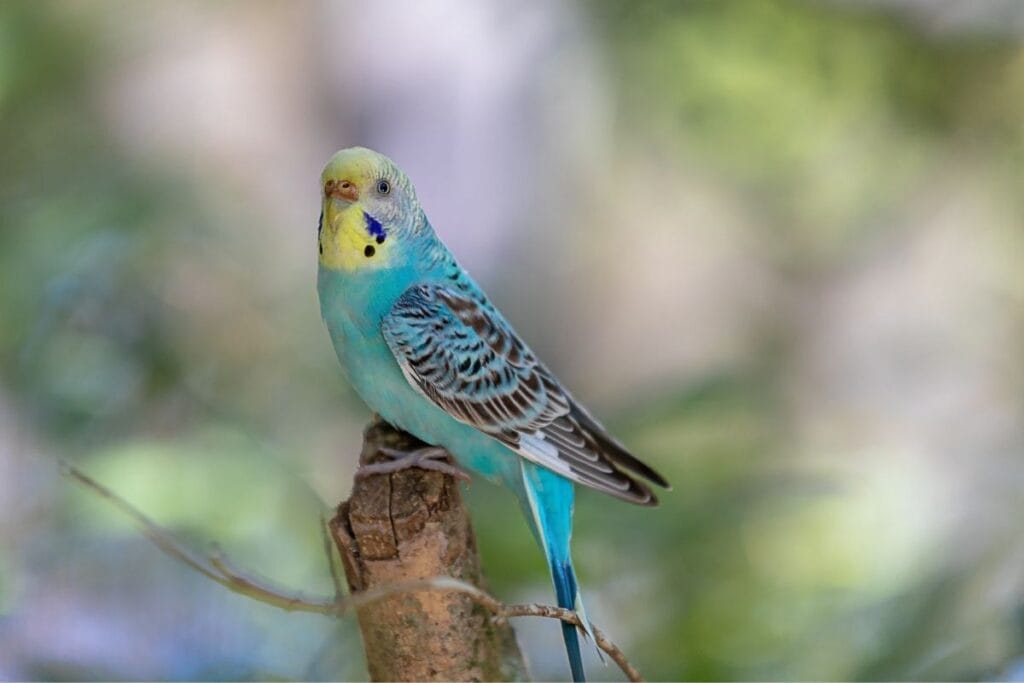
Budgerigars, commonly known as budgies, are small, sociable pet birds celebrated for their smarts, making them perfect for novice owners. To encourage their natural climbing instincts, a roomy cage with horizontal bars is necessary. Regular engagement and diverse toys are crucial for their mental and emotional health.
To maintain their well-being, a nutritious diet of seeds combined with fresh fruits and veggies is recommended, with millet occasionally offered as a treat.
Species Overview
| Common Name: Budgie or Shell Parakeet Scientific Name: Melopsittacus undulatus Size: Approximately 7 to 8 inches long Lifespan: Ranges from 5 to 15 years Diet: Includes seeds, pellets, and leafy greens Budgerigars, or budgies, are highly popular pet birds known for their sociable behavior and bright plumage. |
2.Cockatiel
Cockatiels are beloved pet birds recognized for their friendly demeanor and entertaining whistling habits. Pet birds are favored among enthusiasts due to their cheerful demeanor.
Offering cockatiels a variety of chew toys is important for maintaining their beak health. Regular interaction helps strengthen the bond between you and your cockatiel.
To ensure your cockatiel thrives, it’s essential to focus on their daily engagement. Spend time with them consistently to build trust and companionship. A well-balanced diet featuring a mix of seeds, quality pellets, and leafy greens is also key to keeping your pet bird healthy and energetic.
Species Overview
| Popular Names: Cockatiel, tiel, quarrion (also spelled quarrian), weiro (or weero) Scientific Classification: Nymphicus hollandicus Size of Mature Birds: Approximately 12 to 13 inches in length, with a weight ranging from 2 to 4 ounces Lifespan: Typically, these pet birds can live between 15 to 20 years with appropriate care, and although it’s uncommon, they may reach ages of up to 30 years. |
3.Lovebirds:
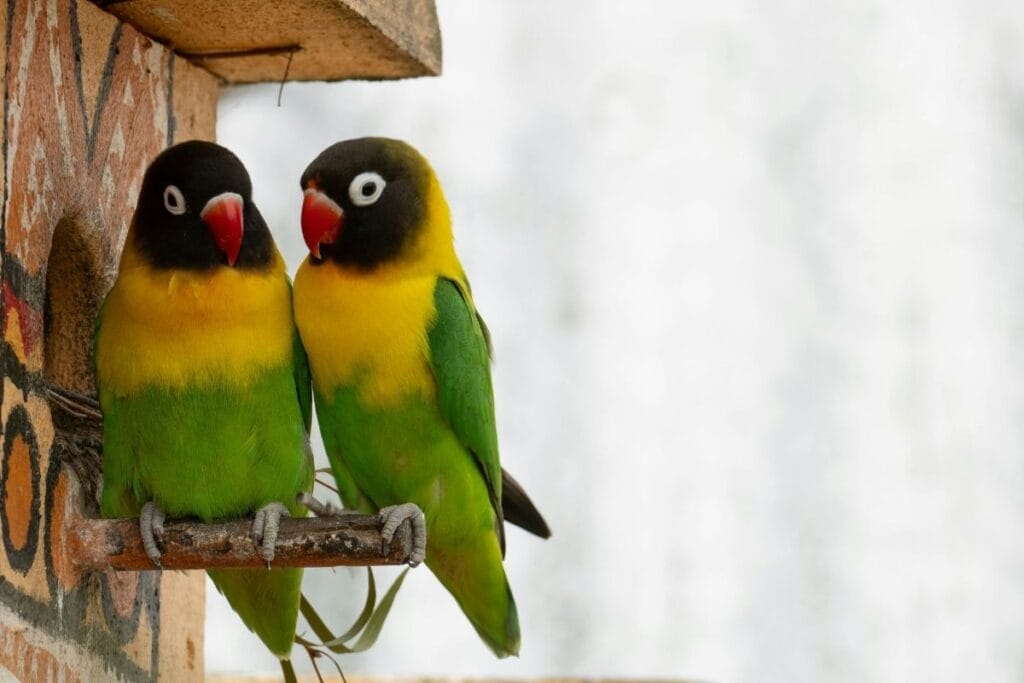
Lovebirds are colorful and energetic pet birds celebrated for their deep social connections with one another and their owners. They flourish best when kept in pairs, emphasizing the importance of companionship for their overall happiness.
To keep lovebirds healthy, provide a variety of perches to support their natural climbing behavior. A balanced diet should consist of seeds as a dietary staple, alongside fresh fruits for vitamins and leafy greens for essential nutrients. With proper care, lovebirds can enjoy a lifespan of 10 to 15 years, making them a long-term commitment for pet bird enthusiasts.
4.African Grey Parrot
Renowned as one of the smartest species among pet birds, the African Grey Parrot is particularly acclaimed for its impressive talking skills.
Parrots require consistent mental stimulation and social interaction to stay healthy and happy. Keeping their minds active is essential, so providing them with puzzle toys and other enrichment activities can help prevent boredom and promote well-being.
Regarding nutrition, it’s crucial to feed them a well-balanced diet, which should consist of high-quality pellets, various vegetables, fresh fruits, and some seeds. These intelligent companions not only bring joy to your home but also enhance your environment with their vibrant personalities and vocal talents.
Species Overview
| Common Names: Commonly known as the Grey Parrot, African Grey, or Congo African Grey, this bird is popular among pet bird enthusiasts.. Scientific Classification: Identified scientifically as Psittacus erithacus. Size and Weight: These pet birds typically reach a size of approximately 13 inches in length and weigh around 0.9 pounds. Lifespan: In captivity, they are known to have a lifespan ranging from 40 to 60 years, making them a long-term commitment for bird enthusiasts. |
5.Macaw:
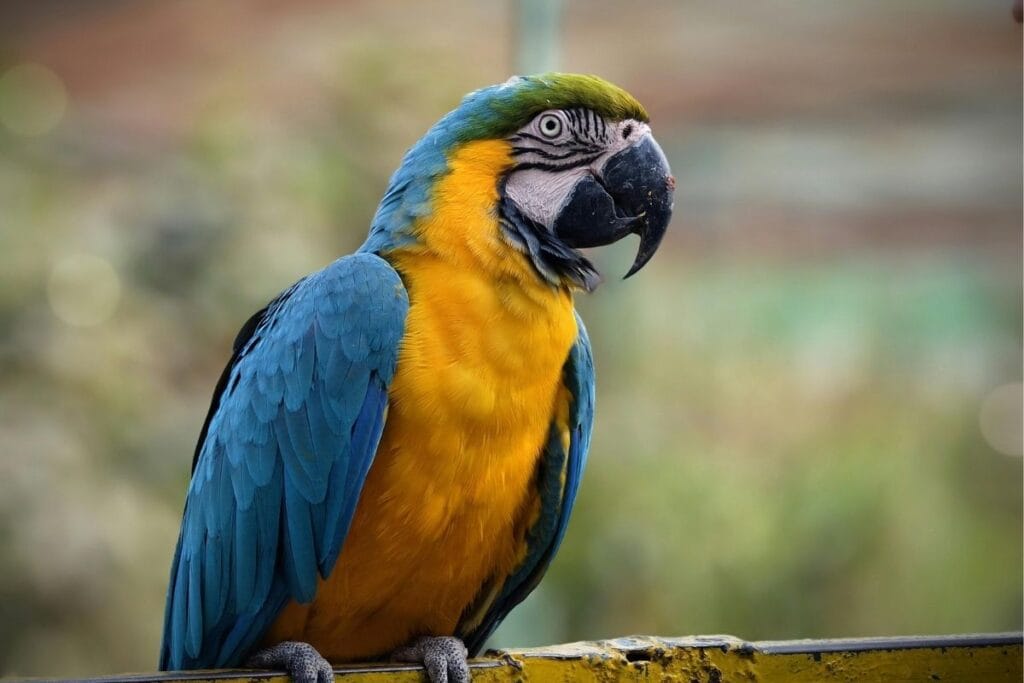
Macaws are vibrant, sizeable birds known for their striking plumage and social behavior.
When caring for pet birds, it’s important to offer an adequately sized cage or aviary that suits their needs for space and movement. Additionally, encouraging regular exercise outside the cage is essential for their overall health and vitality.
A nutritious diet for macaws, as part of caring for pet birds, should consist of a mixture of fruits, nuts, vegetables, and quality pellets. This variety ensures that they receive the essential nutrients for their well-being.
Species Overview
| Common Name: Scarlet Macaw Scientific Classification: The scientific designation for the scarlet macaw is Ara macao, which is further divided into two subspecies: Ara macao cyanoptera found in Central America, and Ara macao macao native to South America. Adult Dimensions: These vibrant birds typically measure around 35 inches in length and weigh between 2 to 3 pounds. Lifespan: In terms of longevity, scarlet macaws can live for over 80 years, although a more common lifespan ranges from 40 to 50 years, making them a long-term commitment for pet bird enthusiasts. |
6.Canary
Canaries are cherished as pet birds due to their melodious songs and ease of care.
For optimal health, ensure your canary has enough space to fly and avoid excessive handling to reduce stress. A balanced diet consisting of seeds, fresh leafy greens, and occasional egg-based foods is essential for their well-being.
Species Overview
| Common Designations: Domestic Canary, Canary Scientific Classification: Serinus canaria domestica Adult Dimensions: Ranging from 4 3/4 to 8 inches in length and typically weighing under 1 ounce Lifespan: 5 to 15 years This information is particularly relevant for those interested in keeping pet birds. |
7.Finch
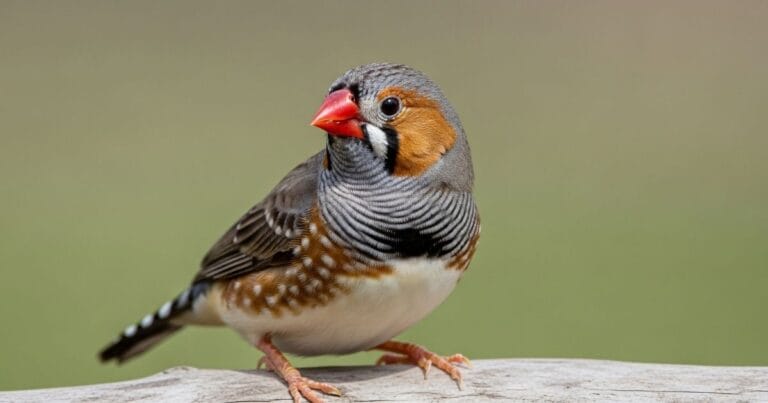
Finches are lively, colorful pet birds known for their cheerful personalities. These sociable creatures prefer to live in pairs or small groups, as this provides them with a sense of security. Unlike parrots, finches require less human interaction, making them perfect for those who enjoy watching rather than handling their pets. Their spirited antics and continuous activity make them a charming choice for any household.
Species Overview
| Common Names: The zebra finch is known by several names, including the chestnut-eared finch and spotted-sided finch. In addition, it has Aboriginal Australian names such as “nyi-nyi” and “nyeen-ka.” Scientific Classification: Taeniopygia guttata (Zebra Finch) Size of Adult Birds: These finches reach a length of about 4 inches, making them relatively small among their finch counterparts. Lifespan: While zebra finches can live anywhere from 3 to 15 years, the average lifespan typically falls between 3 to 5 years. These delightful creatures make excellent pet birds, adding charm and liveliness to any home. |
8. Cockatoo
Cockatoos are known for their friendly and playful nature, establishing deep connections with their owners. These pet birds are easily recognizable due to their vibrant crests and lively demeanor.
To thrive, cockatoos need regular interaction and enjoy having chew toys, which help keep their minds active and engaged.
Species Overview
| Popular Species: Black-and-red, red-tailed, white, black-and-yellow, and yellow-tailed cockatoos, all considered pet birds. Scientific Classification: Cacatua: White cockatoos Calyptorhynchus: Dark cockatoos Nymphicus: Cockatiels Eolophus: Galahs Callocephalon: Gang-gang cockatoos Probosciger: Palm cockatoos Lophochroa: Major Mitchell’s cockatoos Adult Size: Ranges from 12 to 24 inches, depending on the specific species. Lifespan: Varies by species, generally between 30 to 70 years, with some living even longer. Cockatiels typically have a lifespan of around 20 years. These birds make fascinating pets due to their longevity and unique personalities. |
9.Sun Conure
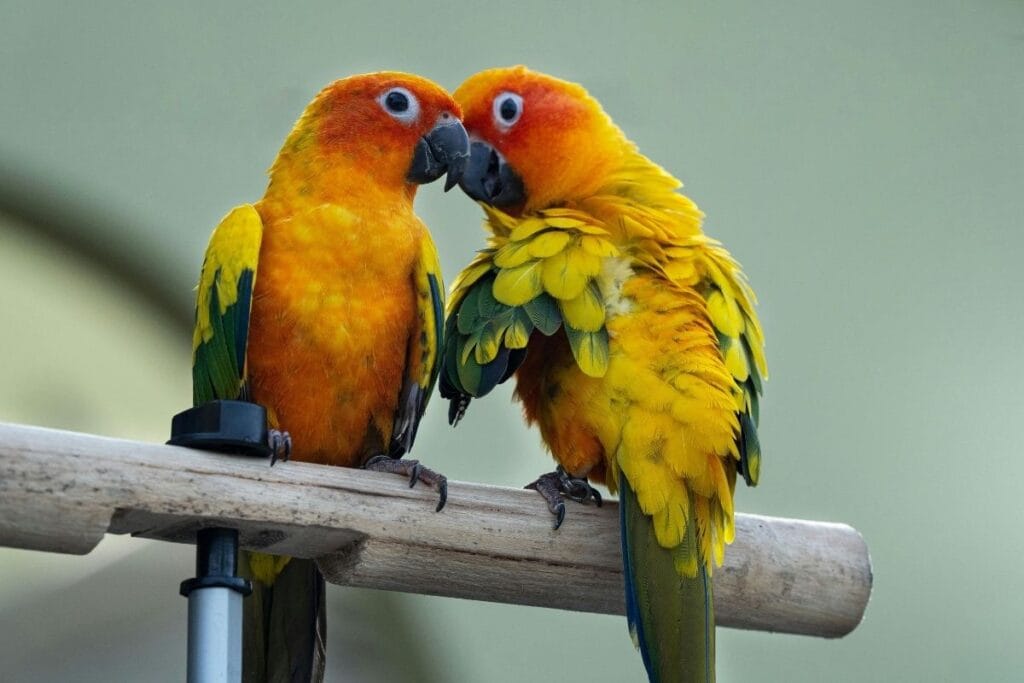
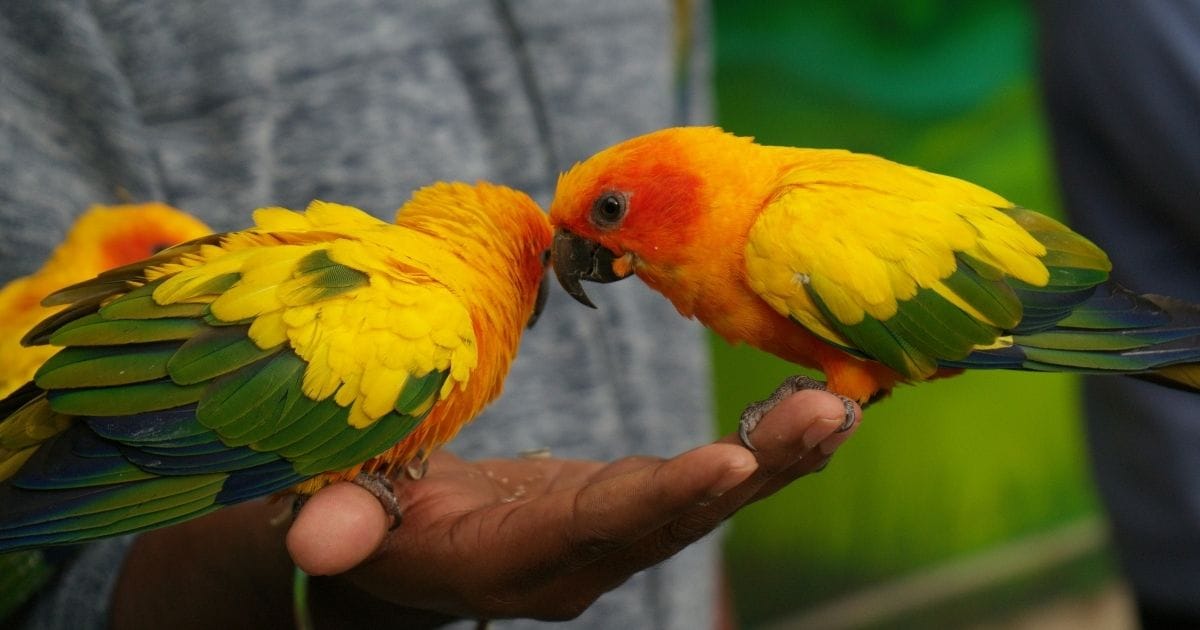
The sun conure is a vibrant and sociable pet bird, popular for its intelligence and playful nature, making it ideal for families. However, potential owners should be aware that this medium-sized parrot is quite loud and not suitable for beginners. They require ongoing training, daily interaction, and regular socialization to remain well-mannered.
Species Overview
| Popular Names: Sun conure, sun parakeet Scientific Classification: Aratinga solstitialis Average Length: 12 inches Lifespan: 15 to 30 years in a domestic environment Category: Pet Birds |
10. Eclectus Parrot
Eclectus parrots are striking, clever, and charming, making them popular choices as pet birds. Their vibrant plumage, ability to mimic speech, and friendly nature have contributed to their appeal. Being one of the larger parrot species, they need an owner who can provide ample time and space.
Species Overview
| Common Names: Eclectus parrot, Solomon Island eclectus, Grand eclectus, and more. Scientific Name: Eclectus roratus Size: 17 to 20 inches, Weight: 13 to 18 ounces Lifespan: 30 to 50 years |
11. Blue-Fronted Amazon Parrot
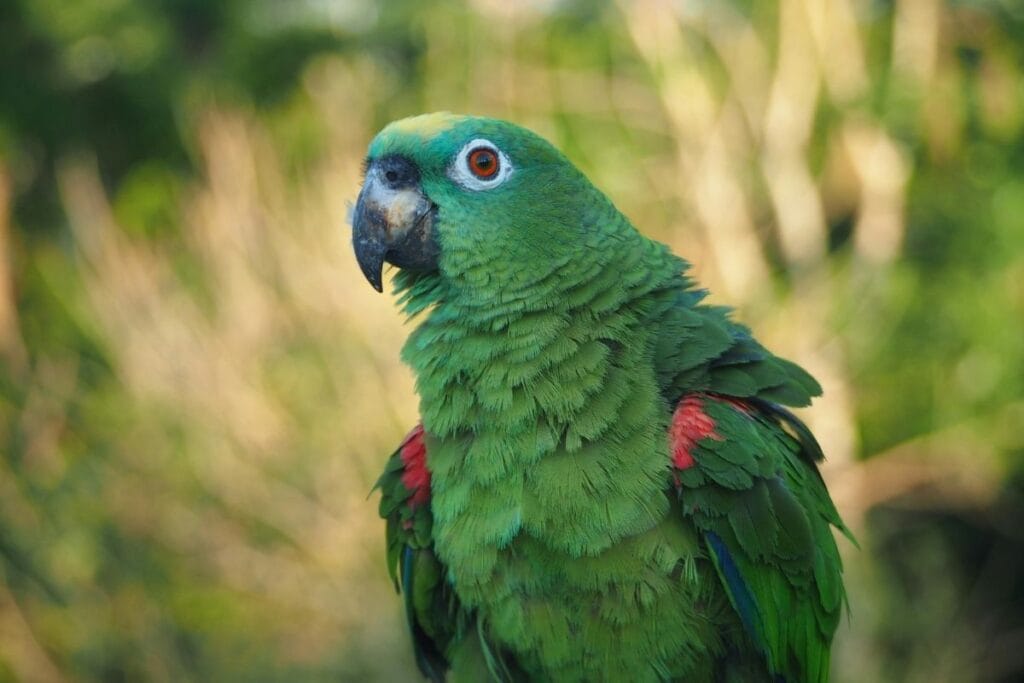
Blue-fronted Amazon parrots rank among the top pet birds for their vocal abilities. With their vibrant colors and unique feather patterns, these sociable birds have playful personalities. They thrive on interaction with their human companions, making them wonderful pets. Due to their size, ample space and dedicated attention are essential.
Species Overview
| Common Names: Blue-fronted Amazon parrot, turquoise-fronted Amazon parrot Scientific Name: Amazona aestiva Adult Size: 15-17 inches in length, weighing 14-15 ounces Life Expectancy: 40 to 60 years, commonly around 40 years. |
12.Bronze-Winged Pionus
The bronze-winged pionus is a medium-sized, stocky parrot with distinct color patterns and a short tail. Known for its gentle nature, this bird is an ideal companion, especially for first-time owners and families, as it is less prone to biting compared to other parrots.
Species Overview
| Common Names: Bronze-winged pionus, bronze-winged parrot Scientific Name: Pionus chalcopterus Adult Size: 11 to 12 inches in length; weight ranges from 7 to 9 ounces Pet birds can live 25 to 40 years with appropriate care. |
Essential Care Tips for Pet Birds
To keep pet birds healthy and happy, follow these essential care tips:
- Cage Size and Hygiene: Ensure a roomy and tidy living space.
- Nutrition: Offer fresh food and clean water daily.
- Mental Engagement: Provide toys for mental stimulation.
- Exploration Opportunities: Allow safe time outside the cage.
- Veterinary Visits: Arrange regular health checkups.
Comprehensive Diet Guidelines for Pet Birds
A balanced diet is essential for the health of pet birds:
- Pellets: Pet birds should primarily consume these..
- Fruits and Vegetables: Provide a range of fresh options daily.
- Seeds: Offer occasionally and in limited amounts.
- Toxic Foods: Avoid harmful items like avocado, chocolate, and caffeine.
Lifespan of Pet Birds: Understanding Variability
The lifespan of pet birds can differ widely depending on their species:
- Small Pet Birds: Budgerigars (budgies) and finches typically have a life expectancy ranging from 5 to 10 years.
- Medium-Sized Pet Birds: Cockatiels and conures often live between 10 and 25 years.
- Large Pet Birds: Macaws and African Grey parrots are known for their impressive longevity, often reaching 40 years or more.
To maximize the lifespan of pet birds, it is crucial to provide them with proper care, a well-balanced diet, and a supportive living environment. These elements play a significant role in enhancing their overall health and longevity.
Conclusion
Pet birds make for intelligent, social, and vibrant companions, enriching your life with their presence. Whether opting for a small bird like a budgie or a larger parrot such as a macaw, understanding their specific care, dietary requirements, and lifespan is crucial in providing a stress-free and happy home. By offering the right environment and care, your feathered friend can become a cherished companion for many years, filled with character and charm.
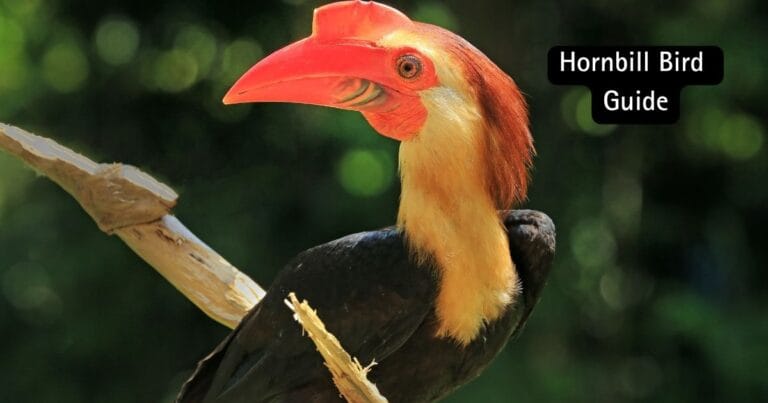
Explore More: Hornbill Bird Guide: Amazing Facts & Behavior