Finch Bird: Care, Feeding, Price & Lifespan
The Finch Bird is a small, enchanting species found globally. Renowned for their bright colors, gentle songs, and friendly disposition, they are popular among avian enthusiasts, whether kept as pets or enjoyed in gardens.
These lively birds are sociable and continuously chirping, making them entertaining to observe and listen to. They require minimal upkeep, making them suitable for novice bird keepers.
This guide provides essential information on finches, covering common varieties like the red and yellow finches, as well as tips on feeding, housing, and caring for baby finches.
Finch Bird Species Summary
Size: 4 inches
Weight: 0.5 ounces
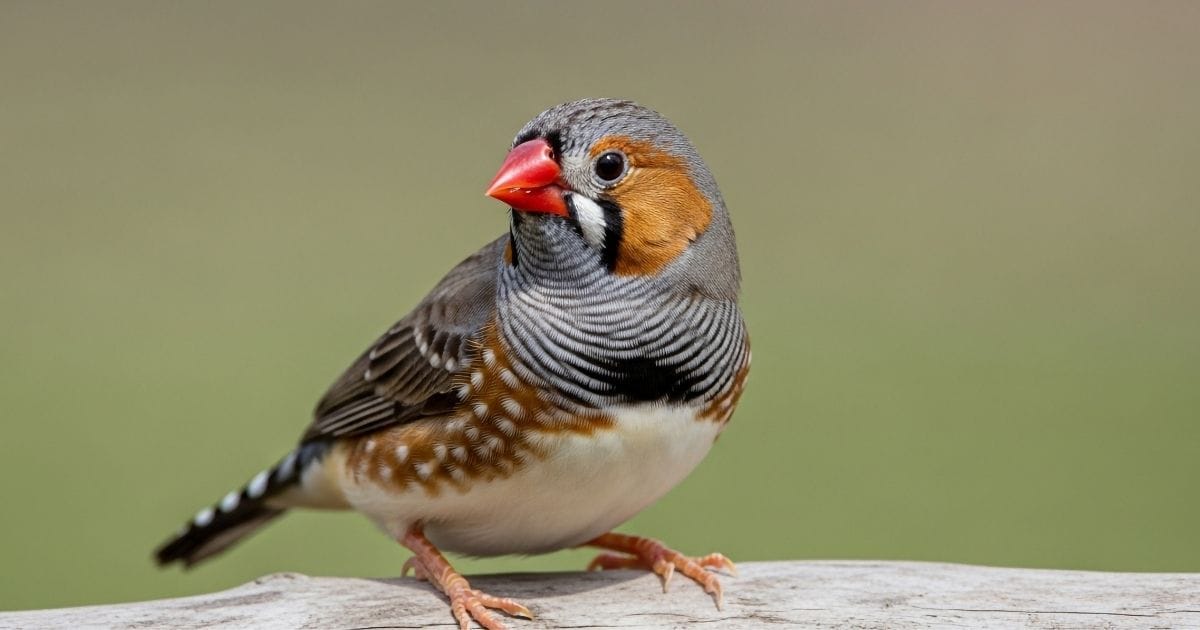
Physical Traits: Male zebra finches display striking black and white throat bands, vibrant orange cheek patches, and a red-orange bill. In contrast, female zebra finches are generally gray and possess a less brightly colored beak.
Common Types of Finch Birds
Globally, there are over 200 finch species, each exhibiting distinct colors and behaviors, though some are more commonly appreciated.
Red Finch Bird
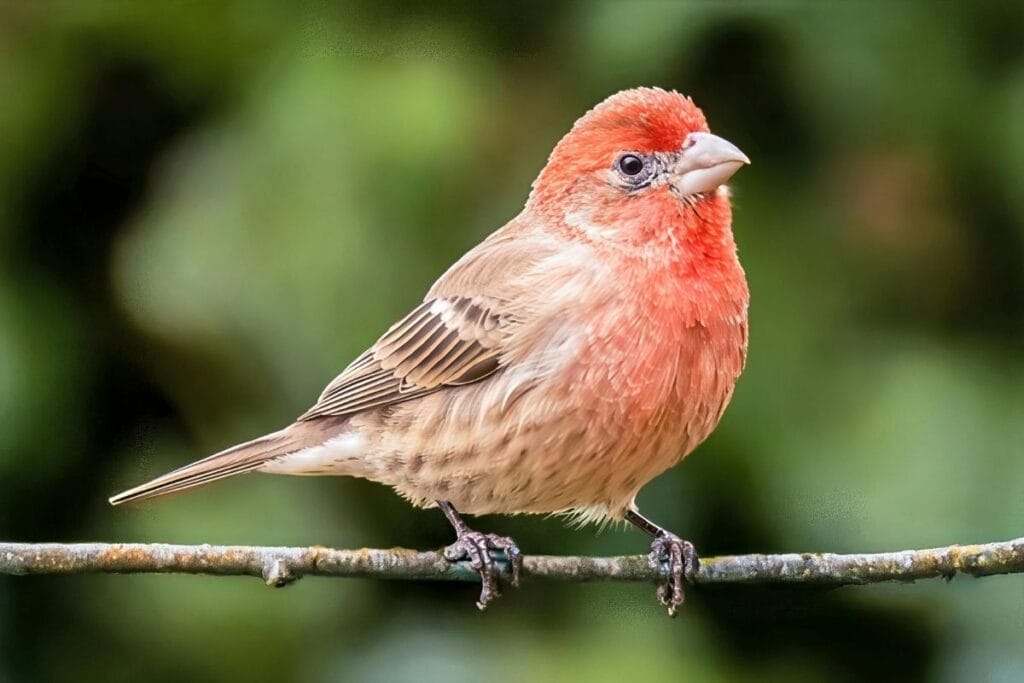
The red finch is particularly striking, with males showcasing bright red or rosy hues, while females are typically brownish.
Key Characteristics:
- Color: Vibrant red plumage in males.
- Habitat: Common in gardens, forests, and urban areas.
- Song: Produces a melodious, pleasant sound.
- Behavior: Known for being friendly and social.
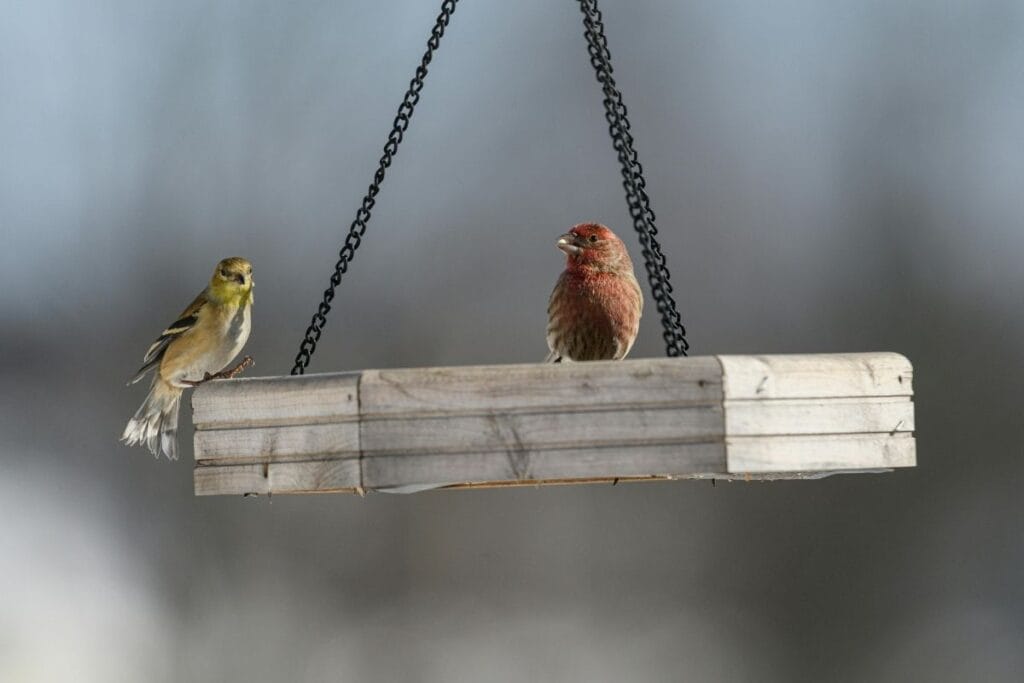
These birds are frequently seen at feeders, especially if sunflower or Nyjer seeds are available.
Interesting Fact:
The intensity of a red finch’s color is often influenced by its diet, with better nutrition resulting in more vivid plumage.
Yellow Finch Bird
The yellow finch is a vibrant bird known for its association with joy and warmth, characterized by its striking yellow plumage.
Key Features:
- Color: Bright yellow during breeding season
- Wings: Black with white markings
- Body: Small and lightweight
- Behavior: Energetic and social, often seen in groups
These birds are commonly found in open fields, gardens, and near water. They are lively and entertaining to watch in their natural habitats.
Other Popular Finch Birds
Beyond the well-known red and yellow finches, several other species are notable:
- Zebra Finches: Popular among pet enthusiasts due to their low maintenance needs.
- Society Finches: Known for their sociable nature, making them perfect for novice bird owners.
- Gouldian Finches: Renowned for their vibrant, multicolored plumage.
While each variety has its unique appeal, they all require similar care.
Finch Bird Feeding Guide
Providing a nutritious diet is crucial for the health, vibrancy, and longevity of your finch birds.
Diet for Finch Birds
While finches mainly consume seeds, a well-rounded diet enhances their well-being. Key food items include:
- Nyjer Seeds: The favorite choice among finches.
- Millet Seeds
- Hulled Sunflower Seeds
- Fresh Fruits: Apples, bananas, and berries are beneficial.
- Vegetables: Spinach, lettuce, and cucumber can be offered.
- Small Insects: Important for protein, especially during breeding seasons.
Incorporating a variety of these foods will provide comprehensive nutrition.
Best Finch Bird Feeders
Selecting the appropriate feeders is vital for attracting and nourishing finches. Recommended types include:
- Tube Feeders: Feature small ports ideal for Nyjer seeds.
- Mesh Feeders: Allow finches to cling while feeding naturally.
- Sock Feeders: Simple cloth options suitable for thistle seeds.
Feeding Recommendations
- Maintain clean feeders to minimize disease risk.
- Regularly restock food supplies.
- Position feeders in safe, quiet locations.
- Refresh water daily.
Establishing a consistent feeding routine helps build trust, encouraging finches to return frequently.
Nesting & Housing: Finch Bird House Setup
To create a suitable habitat for finches, whether they are kept as pets or are wild visitors, consider the following aspects of a finch bird house:
Key Features:
- Nesting Space: Small, enclosed areas for nesting.
- Materials: Soft substances like grass, feathers, or coconut fiber.
- Ventilation: Ensure airflow for a comfortable environment.
- Protection: Shield nests from predators and severe weather.
Optimal Placement:
- Install at a height of 5 to 10 feet.
- Select a quiet, low-traffic location.
- Avoid areas with direct sunlight or strong winds.
- Position near shrubs or trees for added safety.
Finches thrive in calm surroundings, especially during the nesting period.
Nesting Behavior:
Finches are skilled at nest construction, typically building cup-shaped nests from soft, lightweight materials in sheltered or concealed areas. During the breeding season, they display increased protective behavior and become less social.
Caring for a Baby Finch Bird
Caring for baby finches, also known as chicks, requires careful consideration due to their fragile nature.
Key Characteristics:
- Born without feathers and blind
- Reliant on their parents for survival
- Highly sensitive to temperature fluctuations
Though they grow rapidly, their initial days are crucial for their development.
Tips for Caring for a Baby Finch Bird
- Maintain Warmth
- Ensure a consistently warm environment
- Shield them from cold drafts
- Nutritional Needs
- Provide soft, easily digestible foods
- Feed them small portions frequently
- Sanitation
- Keep their nesting area clean
- Regularly dispose of waste
- Limit Handling
- Minimize direct contact
- Avoid stress to encourage healthy growth.
For in-depth information on bird health and nutrition, check reliable sites such as PetMD.
Feeding a Baby Finch Bird
Proper nutrition is crucial for their survival and development.
Recommended Foods:
- Soaked seeds
- Egg food (high in protein)
- Commercial hand-feeding formula
Feed every few hours, adjusting for the birds’ age.
Growth Stages:
- 0–5 days: Completely dependent on caregivers
- 1–2 weeks: Begin feather development
- 3 weeks: Start to explore their surroundings
- 4 weeks: Prepare to leave the nest
Witnessing their growth can be quite fulfilling.
Why Finches Are Excellent Pets and Garden Visitors
Finches are popular among bird lovers for various reasons.
Advantages of Finch Birds
- Low maintenance
- Less attention required than parrots
- Vibrant colors and patterns
- Soothing vocalizations
- Social and lively behavior
Attracting Finches to Your Garden:
If you prefer to enjoy wild finches, consider these tips:
- Install finch bird feeders
- Offer fresh water
- Provide a safe finch bird house
- Plant seed-producing flowers
This will transform your garden into a vibrant habitat.
Common Mistakes to Avoid
Though finches are generally easy to care for, some pitfalls to avoid include:
- Overcrowding cages
- Providing only one kind of seed
- Neglecting cleanliness
- Positioning feeders in noisy areas
- Handling baby finches excessively
By steering clear of these errors, you can ensure the health and happiness of your finches.
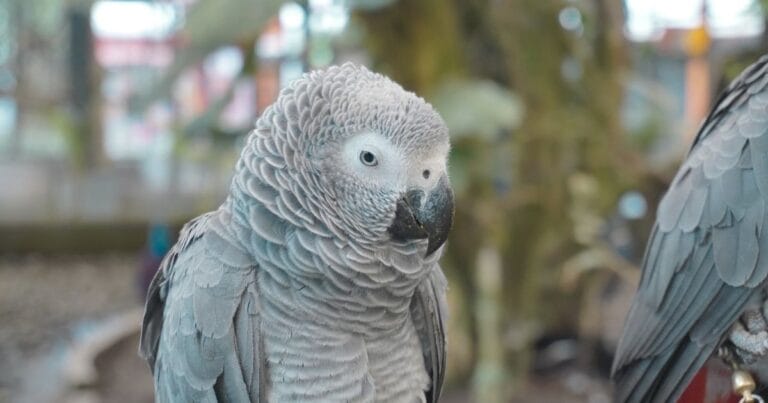
For those fascinated by larger, exceptionally intelligent avian species, we invite you to check out our comprehensive guide on the African Grey Parrot, which offers in-depth insights and details.
Finch Bird Price and Lifespan
Before you decide to welcome a Finch Bird into your home, it’s essential to comprehend both its financial implications and its expected lifespan.
Finch Bird Price
The cost of acquiring a Finch Bird can significantly differ based on factors such as species, geographic location, and availability.
Typical Price Ranges:
- Common Finches (e.g., Zebra, Society): $10 – $50
- Colorful and Rare Finches (e.g., Gouldian): $50 – $150 or more
- Recommended Pair of Finches: $40 – $200
Price Insights for Pakistan:
- Local Finches: Approximately PKR 1,500 – 6,000 for a pair
- Imported or Rare Finches: Starting at PKR 10,000 and up
Important Note: Finches are highly social creatures, and it’s advisable to keep them in pairs rather than alone to ensure their well-being.
Finch Bird Lifespan
The lifespan of Finch Birds is influenced by various factors, including their diet, care, and living conditions.
Average Lifespans:
- Pet Finches: 5 – 10 years
- Finches Receiving Excellent Care: Up to 12 years
- Wild Finches: Generally 3 – 7 years
Ways to Enhance Finch Longevity
To maximize the lifespan of your finches, consider adopting the following best practices:
- Nutritional Needs: Offer a well-rounded diet that includes seeds along with fresh fruits and vegetables.
- Hygiene Maintenance: Regularly clean the cages and feeders to promote a healthy environment.
- Hydration: Ensure that fresh water is available every day.
- Stress Management: Avoid overcrowding and minimize stressors in their environment.
- Health Monitoring: Keep a close eye on your birds for any signs of illness or distress.
By understanding these aspects, you can provide a loving and supportive home for your finch companions, enhancing their quality of life.
FAQ’s
What is the diet of finch birds?
Finch birds primarily consume seeds, as well as a variety of fruits and vegetables.
What is the lifespan of a finch bird?
With appropriate care, a finch bird typically has a lifespan ranging from 5 to 10 years.
Is it necessary for finch birds to have a companion?
Yes, finch birds are sociable creatures and it is best to keep them in pairs.
Conclusion
Finch birds are captivating creatures, showcasing a variety of colors and behaviors that can bring joy to your space. Whether it’s the vibrant red finch, the sunny yellow finch, or nurturing a baby finch, these birds can enhance your life.
To care for finches effectively, it’s essential to provide nutritious food, appropriate feeders, and a cozy birdhouse, ensuring they have a suitable environment to thrive.
Finches are not only attractive but also low-maintenance, ideal for both novice and seasoned bird lovers. By providing adequate nutrition, suitable feeders, and a secure habitat, you can foster a thriving environment for them. Whether as pets or in your garden, finches add vibrancy and joy to everyday life.