
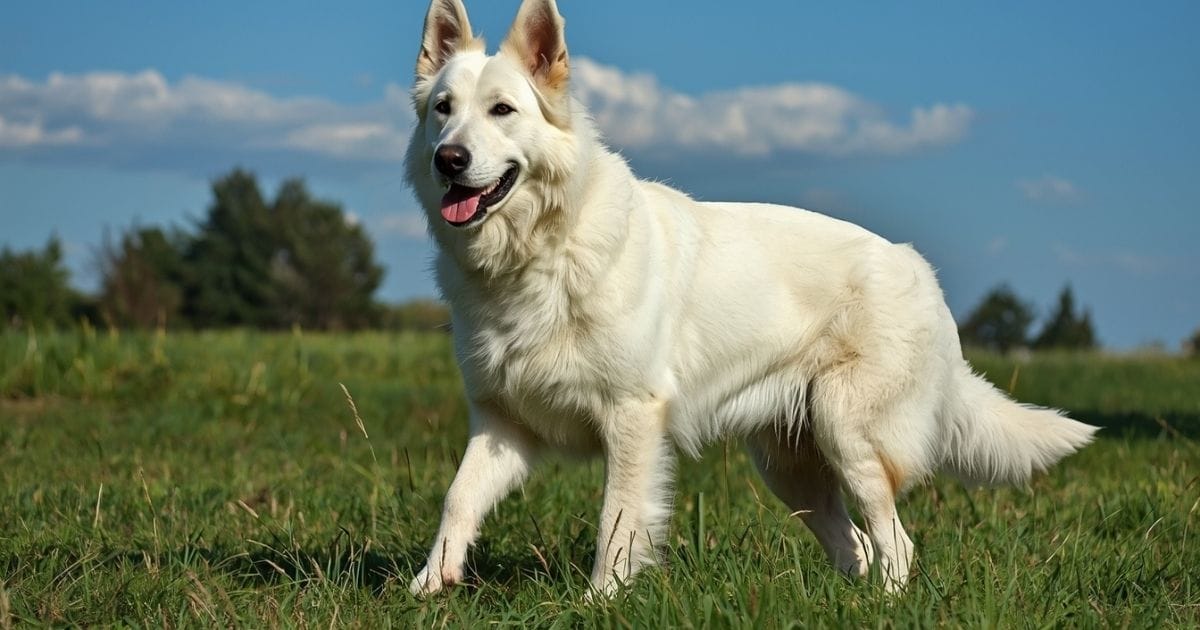
White German Shepherd
The White Shepherd dog, often seen as a rare gem among dog breeds, has a fascinating history that dates back to the early 20th century. This breed is not just another pretty face; it combines elegance and athleticism in a way that captivates dog lovers everywhere.
In this article, we’ll cover everything you need to know, including its key characteristics, training needs, socialization tips, and factors influencing the White German Shepherd price. Because of their thick, luxurious double coat, White German Shepherds are often admired among white fluffy dog breeds. When they are young, these fluffy white puppies look like little snowballs before growing into majestic, athletic dogs.
Consider the Black German Shepherd, a distinctive breed known for its sleek all-black coat.
White Shepherd History
The history of the White German Shepherd, often referred to as the white GSD, unveils a unique chapter in the broader narrative of the German Shepherd breed. Contrary to popular belief, the white coat is not merely an aesthetic variation; it reflects a fascinating blend of genetics and selective breeding practices.
When discussing traditional German Shepherd colors, organizations like the American Kennel Club (AKC) typically feature black and tan, sable, or solid black. However, the white coat has historically been excluded from the AKC breed standard and is considered a disqualifying color in conformation shows.
Alsatian Dog White
These dogs, historically known as the White Alsatian in parts of Europe, were prized for their high intelligence and versatility in working roles. They excelled in diverse tasks, including livestock herding, property protection, and early police work. Despite their capabilities, concerns surrounding strict aesthetic standards led to a temporary decline in white-coated lines within mainstream German Shepherd breeding.
Fortunately, dedicated breeders across the United States and Europe preserved these lineages. This effort eventually paved the way for the recognition of the White Swiss Shepherd, a breed that celebrates the distinctive white coloration while upholding the working qualities of its ancestors. Now, the White German Shepherd stands as a symbol of beauty, resilience, and a gentle temperament.
White Shepherd Physical Appearance
Distinctive Characteristics:
- Features a thick double coat
- Has a dense, weather-resistant undercoat
- Outer coat may be straight or slightly wavy
- Coat color ranges from bright white to a light cream shade
- Typically has a black nose and dark eyes, creating strong facial contrast
- Has a strong, athletic build suited for endurance and agility
Size Overview:
- Males typically stand 24 to 26 inches tall
- Females usually stand 22 to 24 inches tall
- Weight generally ranges from 50 to 90 pounds
White Shepherd Temperament
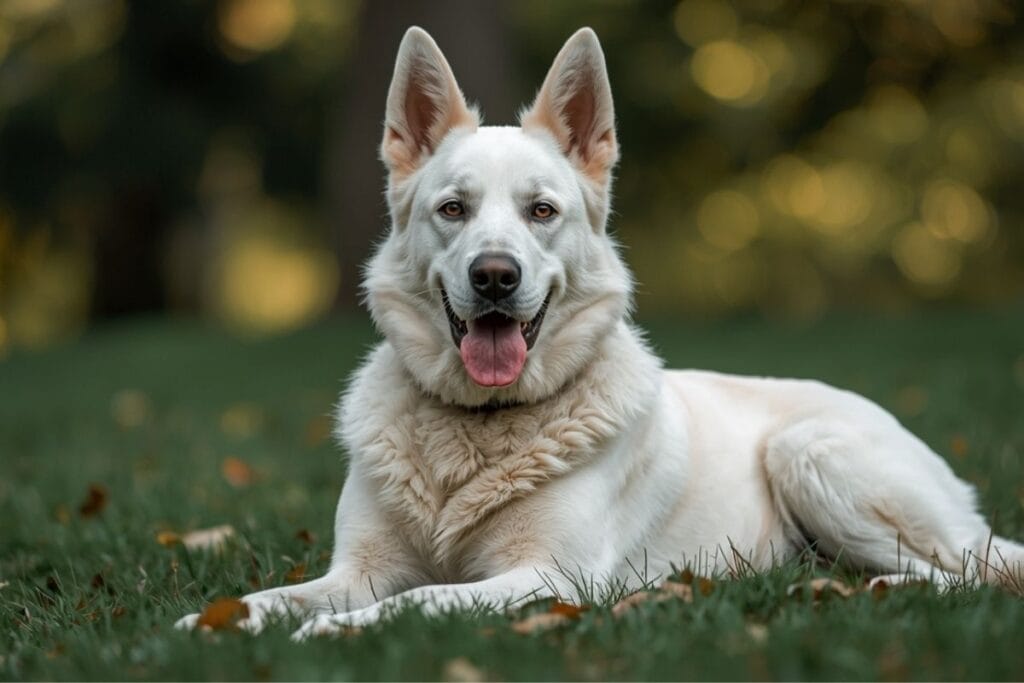
White German Shepherds are known for their calm, affectionate, and loyal nature. Their white shepherd temperament is generally gentle and family-oriented, although individual personalities can vary. Like other German Shepherds, they can be alert and protective while remaining friendly when properly trained and socialized.
Key personality characteristics include:
- Highly intelligent and quick to learn new commands
- Deeply loyal and protective of their families
- Calm and affectionate with their owners
- Generally good with children when properly socialized
- Alert and confident without being unnecessarily aggressive
- Social and adaptable with consistent training and positive experiences
White German Shepherd Puppies
German shepherd puppies are often mistaken for an entirely separate breed. These puppies offer the same versatility as standard German shepherds, excelling in training and companionship. Their unique coat color results from a recessive gene, giving them a distinct look.
Caring for a white German shepherd puppy requires special attention to their exercise and socialization needs. Early training is important, as these puppies are energetic and require consistent guidance to reach their full potential. Their beautiful appearance often leads to high demand; however, it’s essential for prospective owners to focus on breeding ethics and ensure they adopt from reputable sources. Raising a white shepherd puppy involves not only physical care but also nurturing their mental stimulation.
Exercise and Training Requirements for a Healthy Lifestyle
Training Recommendations:
- Implement positive reinforcement strategies.
- Use treats and verbal praise to acknowledge good behavior.
- Begin training sessions at an early age.
- Maintain consistency and demonstrate patience throughout the process.
Exercise Guidelines:
- Aim for 60 to 90 minutes of physical activity each day.
Recommended Activities:
- Walking or jogging
- Playing fetch
- Engaging in agility training
- Participating in mentally stimulating games
Without adequate exercise, White German Shepherds may resort to behaviors linked to boredom, such as excessive chewing or barking.
White German Shepherd Grooming and Maintenance
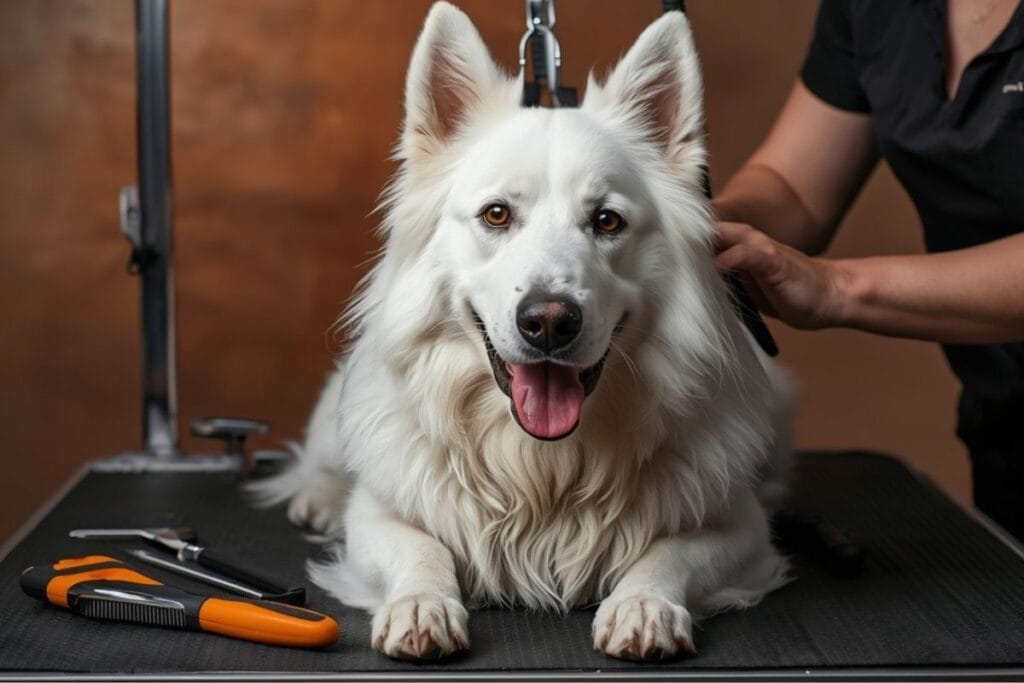
Grooming Schedule:
- Brush your dog 3 to 4 times each week.
- Increase brushing to daily during periods of significant shedding.
- Bathe your White German Shepherd every 4 to 6 weeks.
Care Recommendations:
- Always use a shampoo that’s safe for dogs.
- Clean your dog’s coat after outdoor activities to remove dirt and debris.
- Keep nails properly trimmed.
- Regularly check and clean ears and teeth.
Due to their tendency to shed, particularly during seasonal transitions, maintaining a consistent grooming routine helps manage loose fur and ensures your White German Shepherd’s coat remains bright and healthy.
Diet & Nutrition
A nutritious diet serves as the cornerstone for a vibrant and active White German Shepherd. Given their large, energetic, and muscular build, these dogs have elevated nutritional requirements compared to many other breeds. The right food, offered in appropriate portions, significantly influences their energy levels, coat health, immune function, and longevity.
Protein
High-quality protein stands out as the most crucial nutrient for a White German Shepherd. It plays a vital role in muscle growth, tissue repair, and maintaining an active, strong physique. When selecting dog food, ensure that a real meat source, such as chicken, beef, lamb, or fish, appears as the primary ingredient.
Healthy Fats
In addition to protein, healthy fats are essential. Omega-3 and Omega-6 fatty acids, which can be found in fish oil and flaxseed, enhance coat luster, mitigate inflammation, and promote cognitive health.
Carbohydrates
Nutritious carbohydrates from options such as brown rice, sweet potatoes, and oats offer sustained energy while helping to prevent unwanted weight gain.
Vitamins and Minerals
Essential vitamins and minerals, including calcium, phosphorus, and vitamin E, contribute to strong bones, joint well-being, and a robust immune system. This is particularly crucial for a breed that is at risk for conditions like hip and elbow dysplasia.
It’s important to steer clear of low-quality fillers, artificial additives, and ingredients such as corn syrup or animal by-products, as these can provide empty calories and may lead to allergies in sensitive dogs.
Food and Feeding Guide
Ensuring your White German Shepherd receives appropriate nutrition is crucial. Another key aspect to consider is understanding the optimal timing and methods for feeding a White German Shepherd. These elements play a crucial role in ensuring their long-term health and overall well-being.
Feeding Schedule by Age
| Age | Meals Per Day | Portion Size |
|---|---|---|
| 8 weeks – 3 months | 4 meals/day | Small portions (1/2 to 3/4 cup) |
| 3 – 6 months | 3 meals/day | Medium portions (3/4 to 1 cup) |
| 6 – 12 months | 3 meals/day | Larger portions (1 to 1.5 cups) |
| 1 – 7 years (Adult) | 2 meals/day | 1.5 to 2.5 cups per meal |
| 7+ years (Senior) | 2 meals/day | 1 to 2 cups per meal (lower calorie) |
Recommended Nutritional Sources
| Food Type | Best Sources |
|---|---|
| Protein | Chicken, Beef, Lamb, Fish |
| Healthy Fats | Fish Oil, Flaxseed, Omega-3 Supplements |
| Carbohydrates | Brown Rice, Sweet Potatoes, Oats |
| Fruits & Vegetables | Carrots, Apples (seedless), Spinach, Blueberries |
Foods to Avoid
| Harmful Food | Risk |
|---|---|
| Chocolate | Toxic to dogs; may be fatal |
| Onions & Garlic | Damages red blood cells |
| Grapes & Raisins | Can lead to kidney failure |
| Alcohol | Highly dangerous |
| Processed Junk Food | Can cause obesity and digestive issues |
Common Health Issues and Lifespan
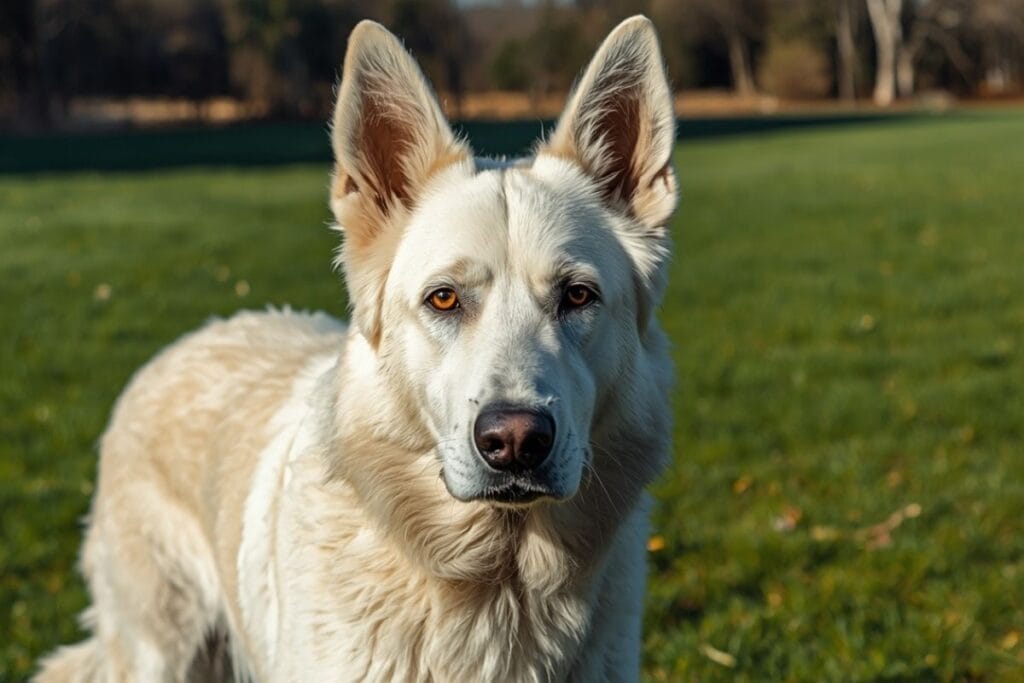
With proper care and attention, White German Shepherds typically live between 12 to 14 years.
Common Health Issues
- Hip Dysplasia: This inherited condition involves improper formation of the hip joint, potentially leading to pain and mobility difficulties.
- Elbow Dysplasia: Like hip dysplasia, this genetic issue affects the elbow joint and may result in discomfort and a decrease in physical activity.
- Bloat (Gastric Torsion): This severe and life-threatening condition occurs when the stomach twists, causing gas accumulation and restricting blood circulation.
- Skin Allergies: Allergic reactions can cause skin irritation and discomfort, often requiring veterinary intervention.
- Degenerative Myelopathy: A progressive disorder that impacts the spinal cord, leading to difficulties with movement and coordination.
By being aware of these health issues, owners of White German Shepherds can take preventive steps and seek prompt veterinary assistance when necessary.
Preventive Measures
- Regular Veterinary Checkups: Routine visits to the veterinarian can help in detecting problems early on.
- Maintaining Healthy Weight: Keeping your White German Shepherd at a healthy weight is crucial for their overall wellbeing.
- Daily Exercise: Consistent physical activity is essential for promoting good health and maintaining fitness levels.
- Choosing a Trustworthy Breeder: Selecting a reputable breeder can lessen the risk of genetic health conditions.
Utilizing proactive measures and emphasizing early detection are vital for managing health concerns in your White German Shepherd.
White German Shepherd Price Guide 2026 (USA, UK, Pakistan, India)
| Country | Price Range (USD) |
|---|---|
| USA | $800 – $2,500 |
| UK | $900 – $2,800 |
| Pakistan | $150 – $600 |
| India | $200 – $700 |
White vs Standard German Shepherd: Key Differences
| Feature | White German Shepherd | Standard German Shepherd |
|---|---|---|
| Coat Color | White | Black & tan, sable, etc. |
| Temperament | Slightly calmer | More intense and driven |
| Recognition | Limited in some clubs | Widely recognized |
| Purpose | Companion dog | Working dog |
| Popularity | Less common | Very common |
Conclusion
The White German Shepherd is an intelligent, loyal, and active dog known for its distinctive white coat and gentle temperament. With proper training, socialization, exercise, and grooming, it can make a devoted family companion. A White German Shepherd puppy needs consistent guidance, mental stimulation, and plenty of daily activity as it grows.
The White German Shepherd price can vary depending on factors such as location, breeder, bloodline, and age. If you are considering this breed, understanding its care needs and choosing a responsible breeder or reputable rescue can help you prepare for a rewarding long-term companionship.
For those who prefer smaller dogs, consider the Mini Australian Shepherd — an intelligent and energetic companion.
FAQ’s
What’s the difference between a white German shepherd and a Swiss shepherd?
Although both share common ancestry, the White Swiss Shepherd is recognized as a distinct breed with a softer temperament and a whiter coat. White German Shepherds are simply a color variation of the traditional German Shepherd breed.
Are White German Shepherds Dangerous?
No, White German Shepherds are not naturally dangerous. Like other German Shepherds, their behavior can be influenced by genetics, training, socialization, environment, and individual temperament. Proper training and early socialization are important for developing appropriate behavior.
Is a pure White German Shepherd rare?
Yes, pure White German Shepherds are relatively rare because their coat color results from a recessive gene that both parents must carry. Additionally, major kennel clubs like the AKC treat the white coat as a disqualifying fault for conformation shows, making purposeful breeding less common.
Is there any White German Shepherd?
Yes, White German Shepherds definitely exist and are full-blooded German Shepherds that inherit a specific recessive white-coat gene. While they are not eligible for standard show rings, they are fully recognized registered dogs with great athletic and working abilities.