Siamese Cat Facts: Complete Breed Information
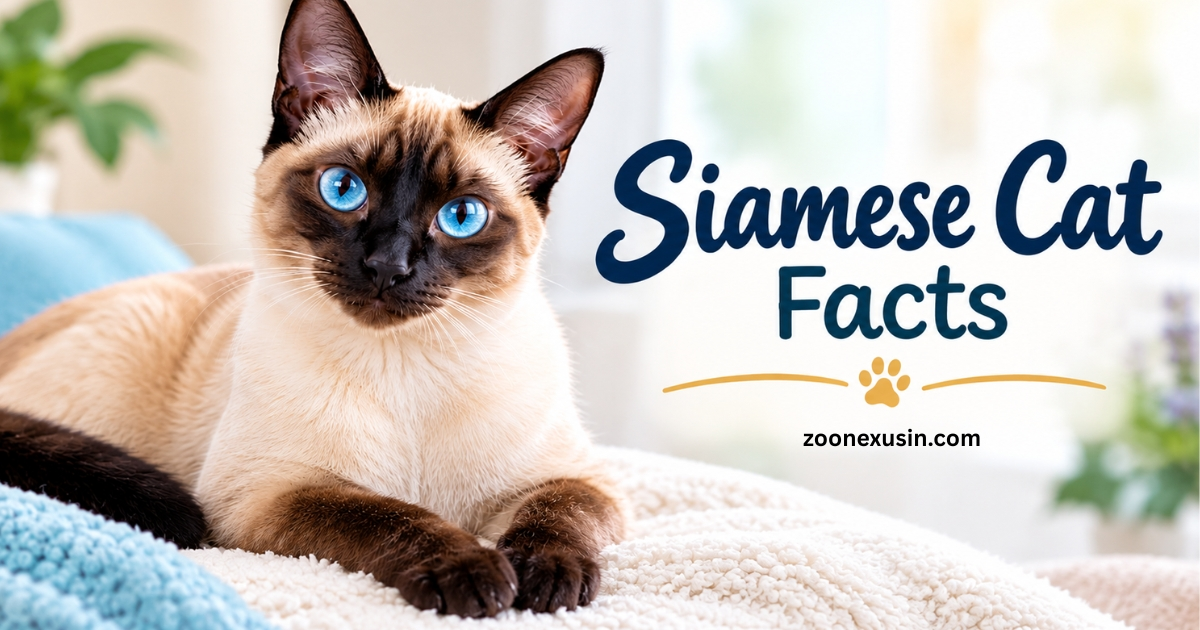
With their darker color patterns on the ears, face (mask), tail, legs, and feet, these felines are both visually stunning and uniquely vocal. Fondly referred to as “meezers,” Siamese cats are perfect companions for those who desire a sociable and engaging pet. Siamese cats are unique for their vocalizations, often referred to as “talking” cats.
Siamese Cat Personality
Male Siamese cats typically weigh between 8 and 12 pounds, while female Siamese cats range from 5 to 10 pounds. Their sleek and muscular bodies reflect not only their physical agility but also their dynamic personalities. Known for their vocal nature, these cats often engage their owners in conversation, creating a unique bond that is both playful and affectionate.
The short coat, available in a stunning array of colors like cream, chocolate, blue, and lilac, requires minimal grooming, allowing their owners to focus more on interaction and less on maintenance. Their captivating blue eyes seem to express a spectrum of emotions, making it hard for anyone to resist their charm. They have a lifespan of approximately 15 to 20 years.
Siamese Cat Breed Characteristics
Siamese cats are renowned not only for their striking appearance but also for their engaging social personalities. These cats love to explore their surroundings and often enjoy interactive playtime with their owners. Remarkably adept climbers, they are great jumpers who relish heights, whether it’s a bookshelf or the top of a cat tree.
Their trainable nature allows some owners to teach them to walk on a leash, providing an enriching outlet for their exploratory spirits. They often enjoy sitting on their owners’ laps and thrive on regular attention and interaction. Their natural curiosity makes them active and playful. They are great jumpers, enjoy climbing to high places, and love interactive toys.
Are Siamese Cats Hypoallergenic
Siamese cats are considered a potential choice for allergy sufferers due to their short, fine coats. The reality is that no cat breed is hypoallergenic. The allergens in cats primarily come from a protein called Fel d 1, found in their skin, saliva, and urine. Siamese cats do produce this protein, but some owners report fewer allergic reactions. This could be attributed to their unique grooming habits or lower dander levels, which give them a mystique among those sensitive to cat allergens.
Siamese Cats History
The Siamese cat has roots that extend deep into Thailand. Known as “Wichian Mat,” its native name translates to “moon diamond,” symbolizing its esteemed status in Thai culture. The Siamese cat’s journey to becoming a breed in America is a fascinating tale that intertwines royal heritage and diplomatic relations. In 1878, a moment occurred when the American consul in Bangkok sent a Siamese cat named “Siam” to President Rutherford B. Hayes and First Lady Lucy Hayes. This gesture not only symbolized goodwill between nations but also introduced the enchanting breed to the American populace.
When they made their way to the West, notably showcased at the London Crystal Palace Cat Show in 1871, their unique appearance captivated attendees and sparked a surge in popularity that hasn’t waned. This genetic heritage contributes to their iconic looks, from their sleek bodies to their playful antics. Interestingly, as breeders experimented with different lines, two distinct varieties emerged: the traditional Siamese, known for its more rounded face and stocky build, and the classic “Siamese,” which boasts a slender figure and long, sleek features.
Siamese Cat Care
Exercise
They are also highly energetic and intelligent creatures that require a structured routine of 30 to 60 minutes of daily exercise. Engaging them in physical activity is critical not just for their physical health but also for their mental stimulation. Regular playtime helps curb potential behavioral issues that arise from boredom, making it essential to incorporate interactive elements into their exercise regimen. One effective way to meet their exercise needs is through the use of puzzle and teaser toys.
Shedding
Unlike many long-haired breeds, Siamese cats have a fine, short coat that sheds minimally throughout the year. They do experience seasonal shedding, which can coincide with temperature changes. This means that during the warmer months, you might notice an increase in fur around your home. Maintaining a healthy diet rich in omega fatty acids can enhance your Siamese’s coat condition and reduce excessive shedding.
Grooming
Once or twice a week, grooming sessions can greatly benefit their sleek fur by helping to remove loose hairs and minimize shedding. Using a soft brush not only maintains their coat but also promotes bonding. While these cats typically keep themselves clean, occasional baths can be beneficial, especially if your kitty enjoys exploring the outdoors. Wipe their eyes, nose, and ears with soft, damp wipes specifically designed for pets. Opt for cat-specific shampoos to maintain their skin’s health. Regular tooth brushing can prevent dental issues, while routine claw trimming can spare your furniture and give your Siamese the freedom to explore without risking injury.
Common Health Problems in Siamese
One common concern is respiratory problems stemming from their distinctive facial structure. This brachycephalic trait can lead to difficulties in breathing, particularly in hot weather or during exertion, making it essential for owners to provide a comfortable environment.
Dental Disease
Siamese cats often experience periodontal problems at an early age, which can lead to more severe health complications if neglected. Regular dental check-ups and a focused dental care routine can significantly improve their quality of life and longevity. Their genetic predisposition to certain diseases, such as hypertrophic cardiomyopathy (HCM), means that regular veterinary monitoring is important for maintaining heart health over time.
Pica in cats
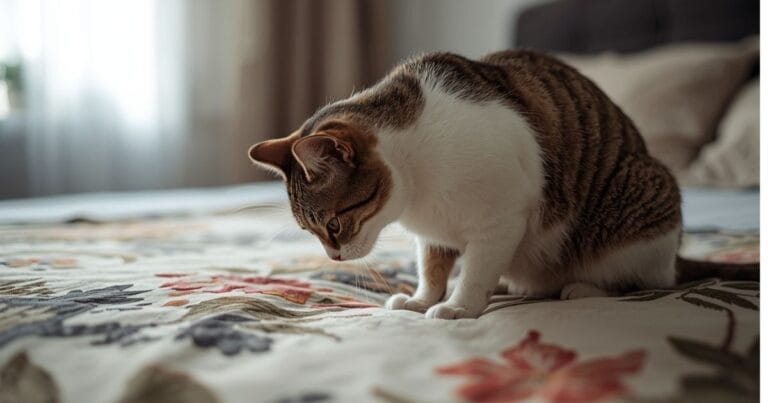
One particularly unusual condition seen in this breed is Pica, a disorder in which cats exhibit compulsive behavior by consuming non-food items such as fabric, rubber, or plastic. This can lead to serious health complications, including gastrointestinal blockages, and often stems from boredom or stress. Signs include loss of appetite, vomiting, the presence of hair ties or cardboard, damage to household goods, and low energy.
Asthma
One of the most concerning conditions is feline asthma, which affects many Siamese cats due to their unique anatomy and genetics. Pet owners must be vigilant in recognizing the signs of a flare-up, such as exposure to scented candles, perfumes, dust and litter, smoke, and aerosols; symptoms include wheezing or whistling, excessive coughing, and open-mouth or labored breathing.
Amyloidosis
This condition stems from the abnormal accumulation of amyloid proteins, particularly affecting the kidneys — known as renal amyloidosis. As these proteins build up, they interfere with the kidneys’ ability to filter waste, leading to serious complications. With an age of onset typically around five to ten years, this health risk highlights the importance of regular veterinary check-ups and monitoring for early signs of illness. Affected cats may experience symptoms like weight loss, increased thirst, jaundice in the eyes, changes in the gums, and alterations in urination habits.
What To Feed a Siamese
When it comes to feeding your Siamese cat, quality triumphs over quantity. These intelligent felines thrive on a balanced diet rich in protein to support their lean muscle mass and energetic personas. Opt for high-quality, meat-based cat foods that list real meat as the first ingredient. This not only satisfies their natural carnivorous instincts but also ensures they receive the essential amino acids necessary for optimal health.
Wet food can play a vital role in your Siamese’s hydration, which is crucial since they may be prone to urinary tract issues. A combination of wet and dry food can help keep them enthusiastic about mealtime while ensuring they remain well-hydrated. They often have distinct tastes and may enjoy variety, so rotate flavors and types, but always keep an eye out for allergens or any adverse reactions to new foods. Omega-3 and Omega-6 fatty acids can have profound effects on their coat and skin, adding a glossy finish that matches their vibrant personalities.
Siamese Cats for Adoption
- Petfinder
- OLX
- Chewy Adoptable Siamese Cats
- Siamese Oriental and Snowshoe Cat Rescue.
- Local Shelters
- Local Classified
Conclusion
Siamese loyalty and playful demeanor can enrich your life and create lasting memories. These cats often seek out human interaction, making them perfect companions for those who enjoy an interactive pet. Whether you’re a seasoned cat owner or are looking for your first feline family member, a Siamese can undoubtedly enhance your home.
FAQs
What are the different types of Siamese cats?
Siamese cats are primarily classified into traditional, modern, and applehead varieties. Each type has distinct physical features and personalities.
Are there different color variations in Siamese cats?
Yes, Siamese cats come in several color variations, including seal, chocolate, blue, and lilac, with distinct point colors on their ears, face, paws, and tail.
How much do Siamese kittens typically cost?
Siamese kittens generally range from $400 to $1200, depending on the breeder and pedigree.
Can I find Siamese cats at shelters for a lower price?
Yes, adopting from a shelter can be more affordable, typically ranging from $75 to $300, depending on the organization.