Abyssinian Cat Guide: Characteristics, Care and Fun Facts
Did you know that the Abyssinian Cat is often considered one of the oldest known cat breeds, tracing its lineage back thousands of years? With their striking appearance and playful personalities, these felines not only captivate cat enthusiasts but also bring a unique flair to any home. In this article, we’ll explore the defining characteristics of the Abyssinian Cat, provide valuable care tips, and share intriguing fun facts that highlight why this breed is worth your admiration.
Breed Overview
| Alternate Name: Aby Temperament: The Abyssinian Cat is known for its friendly demeanor, engaging nature, lively disposition, and playful personality. Weight Range: Typically weighs up to 12 pounds. Body Length: Can grow to a length of approximately 28 inches. Fur Type: Features a short coat. Coat Colors: Available in various shades including ruddy, red, blue, cinnamon, and fawn. Coat Patterns: Comes in solid and ticked patterns. Eye Shades: Displays striking green or golden eyes. Life Expectancy: May live for as long as 15 years. Hypoallergenic Traits: Has a somewhat hypoallergenic status. Geographic Origin: Primarily found in the coastal regions of the Indian Ocean and certain areas of Southeast Asia. |
Characteristics of the Abyssinian
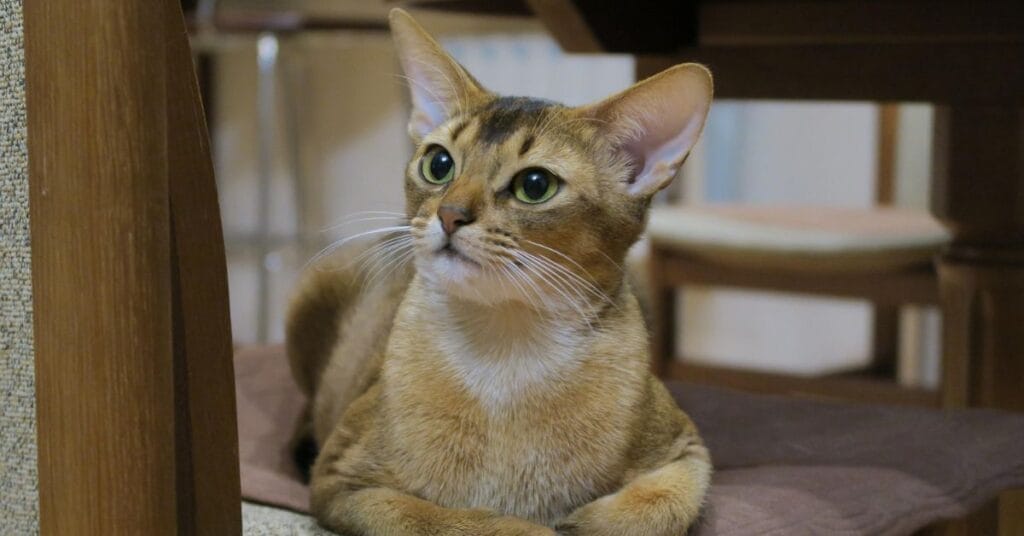
The Abyssinian Cat is characterized by its sociable and spirited demeanor, thriving on play and unable to tolerate solitude. While these medium-sized felines enjoy interacting with others, their adaptable nature and love for fun allow them to entertain themselves through activities like solving puzzles or dashing up and down stairs and scratching posts. However, it won’t be long before an Abyssinian seeks companionship from their human family or any other pets in the home.
Reaching full maturity at about one year, the Abyssinian retains a playful, kitten-like energy into adulthood, even while exuding a graceful elegance. Often affectionately called “Aby-grabbys,” these cats are known for their playful tendency to swipe and dislodge objects from surfaces. They hold the humorous title of the “clowns of the cat kingdom,” occasionally referred to as “Aby-silly-an.” Their lively and endearing antics make them compatible companions for dogs.
| Affection Level | Medium to High |
| Friendliness | Medium to High |
| Kid-Friendly | Medium to High |
| Pet-Friendly | Medium to High |
| Exercise Needs | Medium |
| Playfulness | High |
| Energy Level | High |
| Intelligence | High |
| Tendency to Vocalize | Low |
| Amount of Shedding | Low |
The History of the Abyssinian Cat
According to legend, the Abyssinian Cat was once in the possession of Egyptian pharaohs, although some argue that they originated in Britain through selective breeding of silver and brown tabby cats.
Since their enigmatic debut at the Crystal Palace Cat Show in 1871, genetic analysis suggests that Abyssinians likely emerged from coastal regions near the Indian Ocean and parts of Southeast Asia. A taxidermied specimen with the Abyssinian’s characteristic ruddy coat and ticked pattern, housed at the Leiden Zoological Museum in the Netherlands, lends credence to this hypothesis, as it is believed to have originated from India.
The name “Abyssinian” is thought to stem from a cat named Zula, showcased at the 1871 Crystal Palace Cat Show, which was reportedly imported from Abyssinia, present-day Ethiopia. Variations in coat color and patterns may have arisen from crossbreeding with other domesticated cats.
In 1900, American cat enthusiasts began importing Abyssinians, but comprehensive breeding programs did not start until the 1930s. This timing proved fortuitous, as many Abyssinians were exported from Britain to the United States, helping to rescue the breed, which faced near extinction in Europe due to World War II.
Since that period, the population of Abyssinian Cats has surged, establishing them as one of the most favored breeds globally. In 2023, the Cat Fanciers’ Association ranked the Abyssinian as the seventh most popular cat breed.
In popular culture, an Abyssinian Cat also made an appearance in the 1978 Disney film, The Cat from Outer Space.
Abyssinian Cat Care
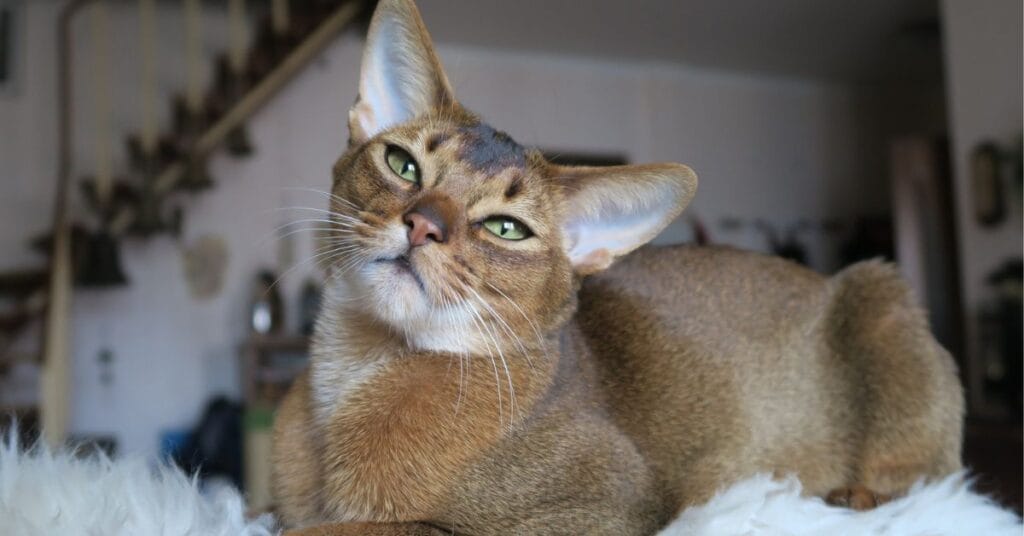
The Abyssinian cat, known for its lively energy and exercise requirements, is generally easy to care for.
Grooming
Abyssinians possess short fur that sheds minimally, which means they don’t require rigorous grooming. A once-weekly combing and occasional bathing can effectively manage dander, debris, and loose hair.
Establishing a consistent oral hygiene routine is crucial for all felines, including Abyssinians. While daily brushing is the most beneficial, brushing them just once a week can significantly reduce the risk of periodontal disease.
Weekly ear inspections are essential to check for dirt, debris, or any signs of infection. Use a soft, cotton cloth to clean away any build-up of dirt or wax, but steer clear of cotton swabs as they can injure the sensitive inner ear structures.
Exercise
The Abyssinian cat is spirited and playful, thriving on toys and engaging playtime with their owners. To enrich their environment, consider investing in a cat tree or mounted shelves, providing elevated spaces for climbing and observing their surroundings.
Additionally, an exercise wheel can be an excellent investment for your Abyssinian. This allows them to expend energy and enjoy daily exercise, giving them a fun way to stay entertained.
Common Health Concerns for the Abyssinian Cat
The Abyssinian Cat is typically a robust breed; however, certain health issues are more prevalent. It’s important to watch for signs of:
- Periodontal Disease: Periodontal disease is a dental infection that damages the tissues surrounding and supporting a cat’s teeth.
- Patellar Luxation: A genetic condition that results in the dislocation of the kneecap.
- Progressive Retinal Atrophy: A degenerative eye disorder that may ultimately cause blindness.
- Hip Dysplasia: An orthopedic issue characterized by improper development of the hip joints.
If you have any health concerns regarding your Abyssinian Cat, consulting with your veterinarian can help you take the necessary steps to promote a long, healthy, and fulfilling life for your pet.
Appearance of the Abyssinian Cat
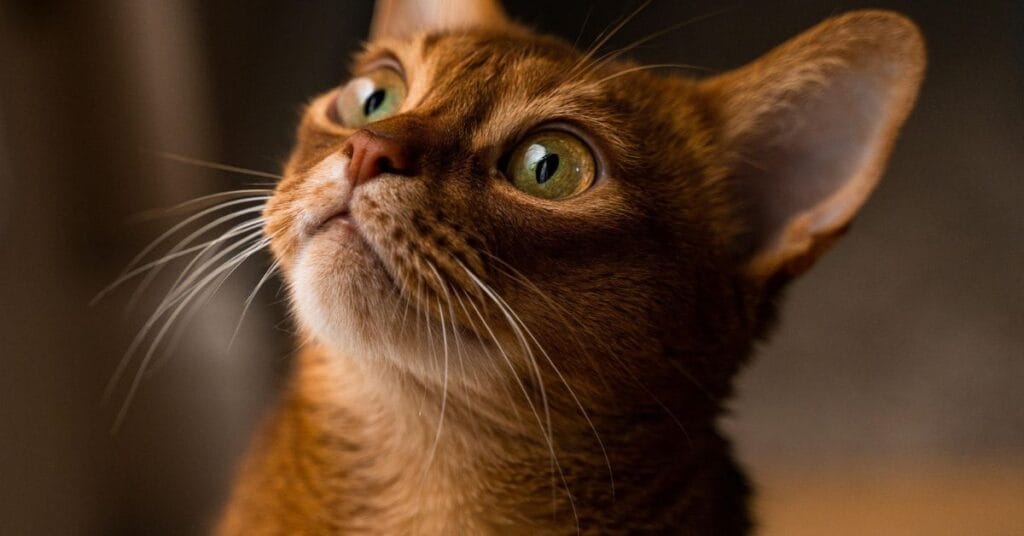
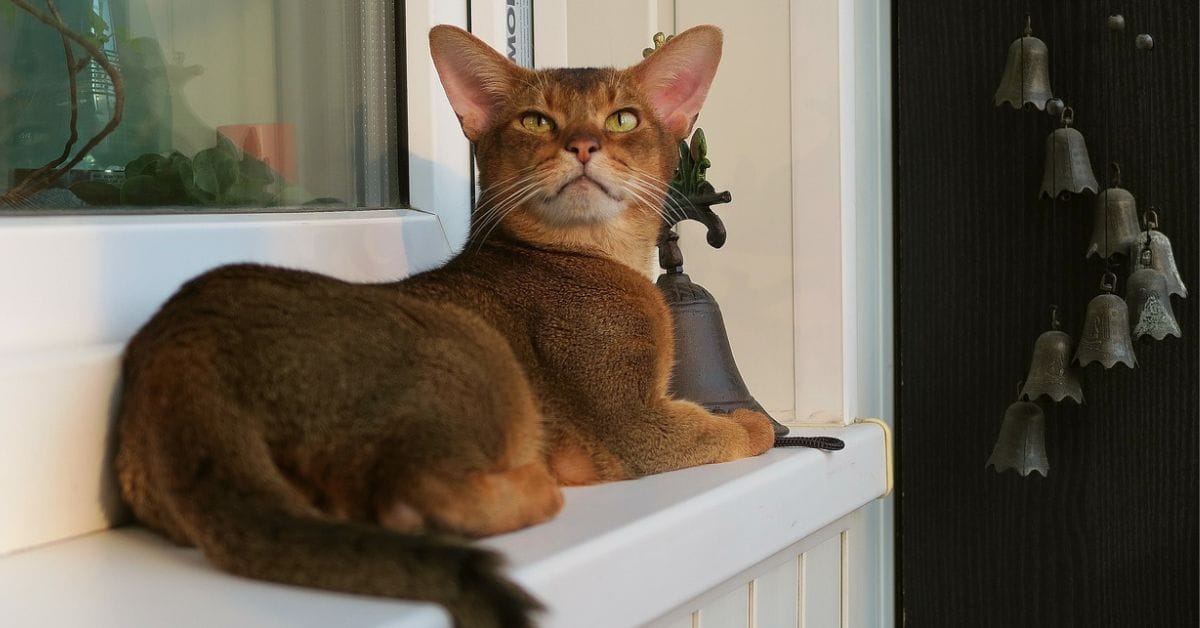
The Abyssinian Cat has a medium stature and a sleek, muscular physique, which typically reaches full maturity around the age of one year. Its notable large ears contribute to a wild look, reminiscent of the Savannah cat.
This breed features a short, dense coat that can exhibit a variety of colors, including ruddy, red, cinnamon, blue, and fawn (notably, female Abyssinians with fawn coloring are rare and highly sought after). Additionally, their prominent almond-shaped eyes can be either green or gold, enhancing their striking appearance.
Nutrition and Diet for Your Abyssinian Cat
The dietary requirements of your Abyssinian cat will largely depend on factors such as age, gender, and activity levels. It’s advisable to refer to the feeding recommendations provided by your preferred cat food brand or consult with your veterinarian to determine the appropriate portion sizes for your Abyssinian. Be cautious of overfeeding, as it can result in serious health concerns linked to obesity.
Overview of the Abyssinian Cat
Abyssinian cats are known for their energetic nature and typically do best as indoor pets in spacious environments, provided they have companionship and stimulating toys. They enjoy climbing, so having cat trees or access to elevated surfaces can enhance their playtime. Generally regarded as healthy and requiring minimal upkeep, Abyssinians make for straightforward companions throughout their average lifespan of around 15 years.
A key characteristic of this breed is their need for social interaction, both with humans and other household pets. If your lifestyle keeps you frequently away from home, it might be wise to consider getting a second cat to keep your Aby entertained.
The Abyssinian Cat is recognized for its playful demeanor and high intelligence, often regarded as one of the smartest cat breeds due to its inquisitive nature and quick learning skills.
Pros of Abyssinian Cat
- Affectionate towards children and other animals
- Highly playful with abundant energy
- Low grooming requirements
Cons of Abyssinian Cat
- Experiences seasonal shedding
- Requires regular exercise and playtime, which may be challenging for busy families
- Thrives better with a feline companion
Where to Adopt or Purchase an Abyssinian Cat
When considering an Abyssinian Cat from a breeder, you can expect prices to range between $900 and $2,800 on average.
Before finalizing a purchase, it’s crucial to do your homework on the breeder. A reputable breeder will prioritize ethical practices, maintaining breed standards, and ensuring the wellness of the cats. Watch for warning signs, such as a large number of cats on the premises or any signs of poor health. Avoid breeders who offer to ship a cat to your home or request online payments.
While it can be challenging to find a purebred Abyssinian Cat in a local animal shelter, looking into nearby rescue organizations is a good alternative. Websites like Petfinder.com are useful tools for locating pets in your vicinity and allow you to filter by specific breeds.
Explore Other Cat Breeds
If you’re interested in breeds similar to the Abyssinian Cat, consider the following options:
- Somali
- Burmese
- American Shorthair
For more information on various cat breeds, feel free to explore our detailed breed profiles.
If you appreciate the lively and smart nature of the Abyssinian Cat, you may also find the Maine Coon breed appealing.
Name Suggestions for Abyssinians
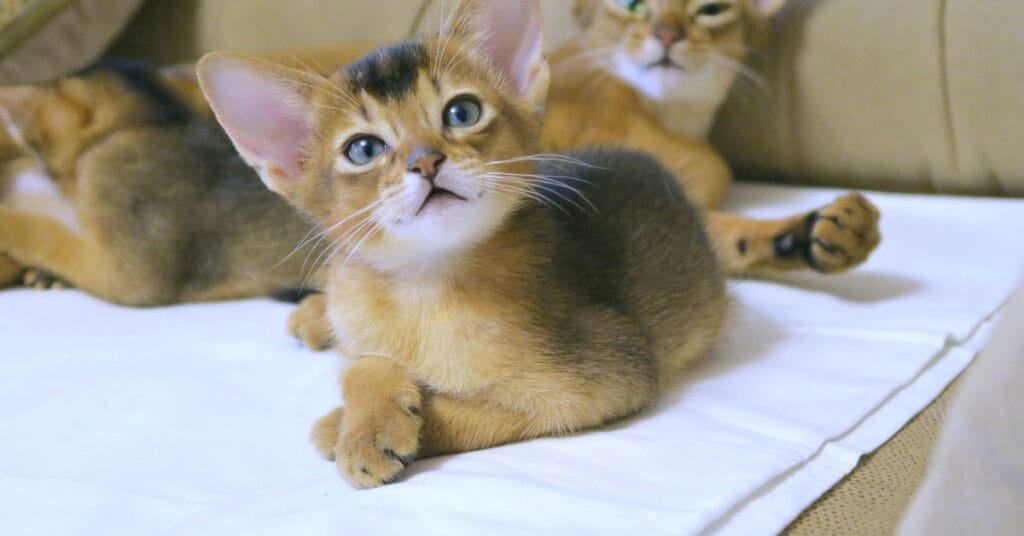
Selecting the perfect name for your Abyssinian cat reflects their unique personality and striking looks. Their beautiful coats and playful nature often inspire names that capture their spirited essence. Here are some suggestions that can resonate with their character:
- Zuri (meaning “beautiful” in Swahili)
- Sienna (for their warm, reddish-brown fur)
- Nala (symbolizing ‘successful’ in Swahili)
- Kima (meaning “the one who is clever”)
- Taz (for the little whirlwind of energy they often embody)
- Asha (which means ‘life’ in Sanskrit)
- Teak (like their rich, warm-colored fur)
When considering a name, think about your Abyssinian’s habits and quirks. Names that reference their adventurous spirit or agile movements can enhance your bond. Each name has its own flair and meaning, offering a way to celebrate your feline friend’s presence in your life. Ultimately, the best name will resonate with both you and your Abyssinian’s distinctive personality.
FAQ’s
What are the key physical characteristics of an Abyssinian cat?
Abyssinians are medium-sized cats with a muscular build, a short coat that features a distinctive ticked pattern, large ears, and expressive almond-shaped eyes.
How should I care for my Abyssinian cat?
Regular grooming, a balanced diet, and lots of playtime are essential for their well-being. They thrive in environments where they can explore and engage in activities.
Do Abyssinians get along with other pets?
Yes, Abyssinians are social and generally get along well with other cats and even dogs. Early socialization helps them adapt to various pet dynamics.
What health issues are common in Abyssinian cats?
Abyssinians can be prone to certain health issues such as gingivitis and renal amyloidosis. Regular vet check-ups can help detect these early.
Are Abyssinian cats suitable for families with children?
Absolutely! Their playful and friendly nature makes them great companions for children. Supervision and gentle handling are always recommended.
Do Abyssinian cats like being held?
Abyssinians may not enjoy being held as much as other breeds. They prefer interactive playtime and companionship while maintaining some independence.