Dog in Heat: Timeline, Duration, Symptoms and Medication
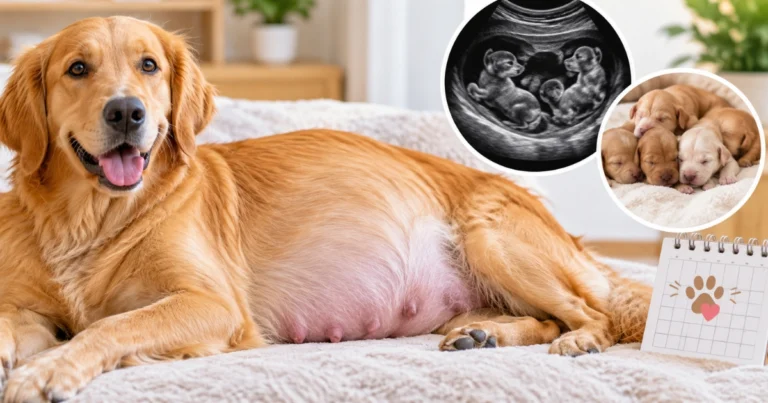
Most female dogs go into heat about twice a year, although the timing can vary by breed, age, and individual dog. Each heat cycle usually lasts around two to three weeks. Knowing what to expect when you have a dog in heat, from physical signs to behavior changes, can help you keep her comfortable and prevent an accidental pregnancy. This guide explains how often dogs go into heat, how long the cycle lasts, how to manage bleeding, and what options are available if you want to prevent future heat cycles.
How Often Does Dog Go In Heat?
Most female dogs experience two heat cycles each year, occurring roughly every six months. However, this frequency varies depending on breed size, age, and individual health:
- Small Breeds: May go into heat 3 to 4 times a year due to faster physical development.
- Large & Giant Breeds: Mature more slowly and may only go into heat once every 12 to 18 months, meaning the interval between their cycles can last up to a year or more.
How Long Are Dogs in Heat?
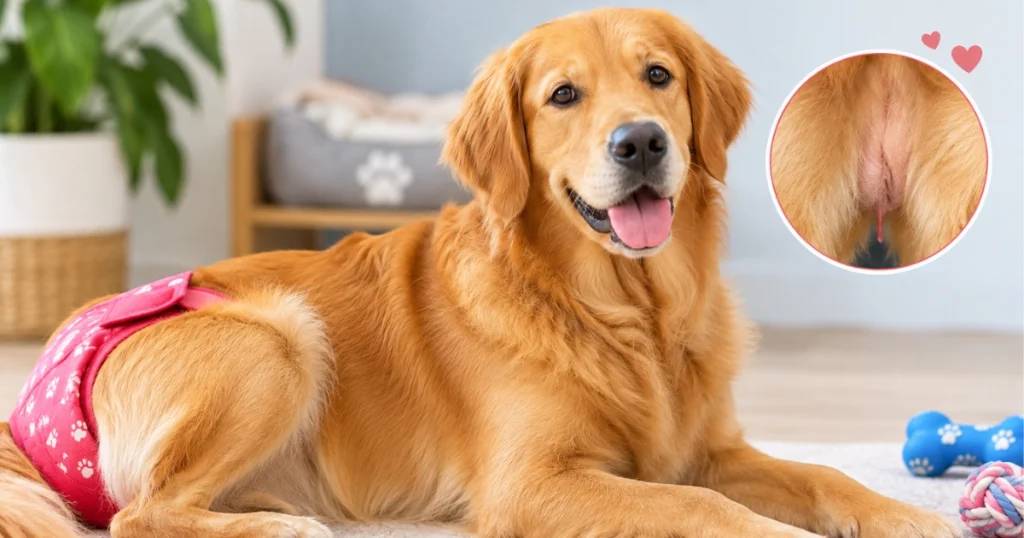
The heat cycle (estrus) usually lasts 14 to 21 days. During this timeframe, a dog progresses through 4 stages of heat:
- Proestrus (Approx. 9 Days): The onset of heat. Physical signs such as a swollen vulva, bloody discharge, and increased urination appear. She may attract male dogs during this stage, but she is not yet receptive to mating.
- Estrus (5 to 14 Days): The fertile window where she becomes receptive to males and can conceive. Discharge usually lightens to a pinkish or clear liquid.
- Diestrus (60 to 90 Days): The period immediately following estrus, where the body either maintains pregnancy or returns to its resting state. During this phase, she is no longer receptive to males.
- Anestrus (4 to 5 Months): The final resting phase of the reproductive cycle. Anestrus is a period of hormonal inactivity where the uterus heals and prepares for the next heat cycle. This quiet phase lasts until the next proestrus begins.
Note on Bleeding: A female dog usually bleeds for about 7 to 14 days during her cycle. The discharge starts out bright red during proestrus and gradually lightens to a pinkish or clear color during estrus.
What to Do When Your Dog is in Heat for the First Time
Understanding the signs is essential; look for swelling in the vulva, increased urination, and a change in behavior. You might notice her becoming more affectionate or even a bit anxious, as hormonal fluctuations can impact her mood. It’s crucial to provide a calm environment, ensuring she has a safe space where she can retreat if she feels overwhelmed.
Protection becomes paramount during this time. Consider using specially designed doggie pants or pads to manage any discharge and keep your home clean. Also, be vigilant about your surroundings; male dogs can be quite persistent when they detect a female in heat. Always keep her on a leash during walks and avoid parks or areas where other dogs may roam freely. If you’re not planning to breed her, this may be a good time to discuss spaying with your veterinarian, as it can prevent future heat cycles and certain health issues down the line.
When a female dog is in heat for the first time, her behavior can be quite noticeable. Common behaviors include increased restlessness, elevated affection, and even a bit of irritability. Some owners have found that offering special treats or engaging in gentle play can distract her from the discomfort associated with her hormonal changes.
How to Comfort a Dog in Heat
This includes providing her with a cozy space where she can feel secure, away from loud noises and other pets that might disturb her. Soft bedding and quiet companionship can make a world of difference during this time. Short walks can help release some pent-up energy, while interactive toys can serve as distractions. Remember that she may exhibit changes in her appetite and mood.
How to Stop Dog Bleeding During Her Heat
If you’re concerned about how to stop dog bleeding during her heat cycle, there are a few home remedies that can help. While it is normal for a dog to bleed during this time, you can use doggy diapers designed specifically for this purpose. If the fur on her back legs or around her vulva is getting dirty, consider gently trimming the excess hair to minimize mess and promote hygiene. A warm, damp cloth can also be used to wipe the area regularly.
Home Remedies For Dog in Heat
Herbal solutions like raspberry leaf can also be beneficial; they are known to tone the uterus and may reduce the duration of bleeding. Always consult your veterinarian before introducing any new remedies, especially if your dog is experiencing excessive bleeding or displaying unusual symptoms.
Symptoms of a Dog in Heat
- Swollen vulva
- Bloody vaginal discharge
- Frequent licking
- Appetite changes
- Restlessness or agitation
- Urine marking
- Attention-seeking
- Interest in male dogs
- Swollen nipples
Do Dogs Go Through Menopause?
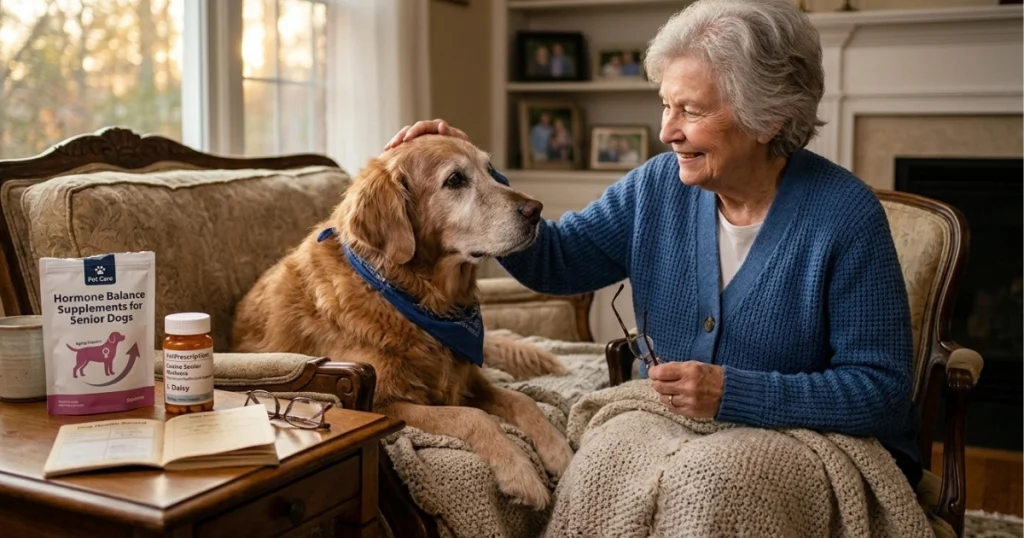
As dogs age, they experience significant changes in their reproductive health, much like humans do during menopause. While dogs don’t undergo menopause in the same way that humans do, they can have irregular cycles, indicating a shift in their reproductive systems. After reaching around six years of age, female dogs may experience longer intervals between heats, leading to periods of less frequent or even skipped cycles.
Dog Heat Cycle Medication
Progestins are the best-known option for postponing or regulating heat. These synthetic hormones imitate the body’s natural signals, which can delay or soften an upcoming season. In the United States, such medicines are generally prescribed off-label, and some older products are no longer sold. A licensed vet must decide what is appropriate and how much to give, based on age, breed, weight, and overall health.
Risks deserve equal attention. Possible side effects include increased appetite, weight gain, and personality changes. Prolonged use has been linked to serious conditions such as pyometra, mammary tumors, and diabetes. Regular checkups are therefore essential. For most families with no plans to breed, spaying offers a permanent fix. The surgery ends the cycles entirely, removes the chance of accidental litters, and eliminates the risk of uterine infection.
If you want to learn more about the causes and signs of weight loss in dogs, read our guide on why your dog may be losing weight.
Conclusion
Understanding the signs and behaviors of a dog in heat is important for pet owners. Recognizing the heat cycle can help you manage your dog’s health and prevent unwanted litters. During this time, a dog’s behavior may change, becoming more affectionate or restless, and owners should be prepared for these changes. It is important to consider spaying as a long-term solution to avoid heat cycles altogether. By staying informed and proactive, you can ensure a healthy and happy pet.
Dog in Heat FAQS
Is there a pill to stop a dog’s heat cycle?
No safe, FDA-approved pill exists in the U.S. for stopping a dog’s heat cycle. Some vets prescribe hormone drugs like megestrol acetate off-label to delay a heat, but they can cause pyometra, mammary tumors, and diabetes, so they are rarely recommended. Never give your dog human birth control. Spaying is the safest permanent solution.
How do I know dog heat is over?
Your dog’s heat is usually over when the bloody discharge stops, her vulva shrinks back to its normal size, and she no longer attracts male dogs or lets them mount her. Most heats wrap up in about three weeks, but signs can be subtle, so keep her on a leash and out of dog parks for a few extra days. If you are not sure, your veterinarian can confirm where she is in her cycle with a quick exam or hormone test.
How many days after bleeding starts is a dog fertile?
Most dogs are fertile from about day 9 to day 14 after bleeding begins, usually when the discharge turns pink or watery. Every dog is different, though, and some ovulate earlier or later. Sperm can also survive inside a female for several days, so pregnancy is possible outside that window. If you don’t want puppies, keep her away from intact males for the entire heat, and never leave her alone in a yard, even a fenced one.
Do dogs pee more when in heat?
Yes. Frequent urination is one of the most common signs that a dog is in heat. Her urine carries scent signals that tell male dogs she is ready to mate, so expect more squatting, more marking on walks, and extra potty breaks in the yard. If she also drinks much more than usual, strains to pee, or has accidents in the house, ask your vet to check for a urinary tract infection.