Dog Losing Weight
Sudden drop in your dog’s weight could signal a serious medical health issue. it can indicate underlying medical health issues that require attention. Dog losing weight can happen slowly over time, it’s important to recognize the patterns that may signal a problem, especially when these changes are not linked to appetite at all. we will discuss the common causes of dog weight loss, what patterns to watch for, and when you should seek veterinary guidance to safeguard your dog’s well-being.
Key Takeaways
- Small changes in your dog’s weight can signal underlying health issues.
- Weight loss is often slow and easy to miss; regular monitoring is vital.
- Eating their usual amount but still losing weight can indicate serious concerns.
- Ongoing or sudden weight loss may arise from dental problems, gastrointestinal disorders, or hormonal imbalances.
- Tracking changes at home, like adjusting food quantity or observing behavioral shifts, can help pinpoint issues early.
- Stress or changes in environment could lead to unwanted weight loss as well.
- Consult your vet if you notice dramatic changes; early intervention can save lives.
My Dog is Losing Weight
If weight loss is detected, a veterinarian can help formulate a tailored weight-loss plan. This may include dietary adjustments, exercise routines, or treatments for underlying health issues to ensure your dog regains a healthy weight effectively.
Common causes of weight loss in puppies include:
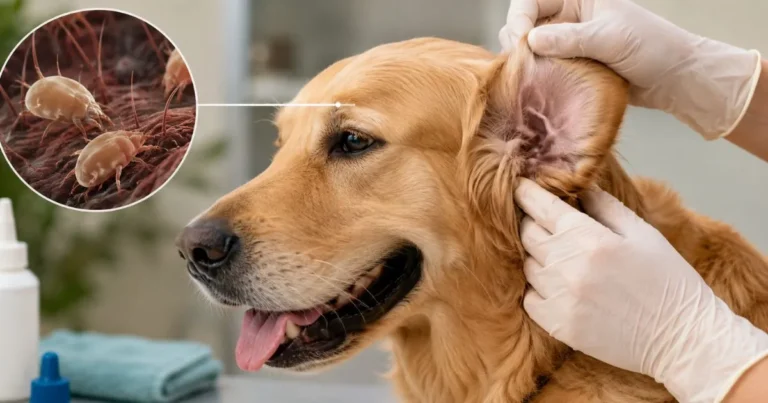
- Gastrointestinal Parasites: These unwelcome intruders can lead to significant weight loss in dogs by interfering with nutrient absorption. Common parasites like worms can cause appetite loss and digestive upset, leading to rapid weight shedding. Regular stool checks and deworming can help mitigate this.
- Viral Infections: Viruses such as parvovirus or distemper can drastically affect your dog’s ability to maintain a healthy weight. These infections often present with lethargy, vomiting, and diarrhea, making it essential to seek veterinary care quickly to prevent severe health issues.
- Poor Diet After Weaning: Transitioning from mother’s milk to solid food is crucial. An inadequate diet during this phase can lead to malnutrition, stunted growth, and serious weight loss. Ensure your dog receives a balanced, nutrient-rich diet for optimal health.
- Thyroid Issues: Hypothyroidism can result in weight loss, as the body’s metabolism becomes sluggish. An underactive thyroid can also lead to other symptoms like lethargy and changes in coat quality.
- Neurologic or orthopedic conditions can affect a dog’s ability to eat or digest food properly. Pain or discomfort may deter them from their regular feeding routine, leading to unintentional weight loss.
- Cardiac or respiratory diseases can significantly impact a dog’s overall well-being and appetite. Dogs with these conditions may struggle with energy levels, leaving them uninterested in food. It’s important to note any signs of labored breathing or fatigue during playtime.
Common causes of weight loss in adult dogs include:
- Congenital Defects: Genetic abnormalities can lead to issues like malabsorption or improper digestion, affecting your dog’s ability to gain weight.
- Poor Nutrition: Ensure your dog’s food is high-quality and appropriate for their age, size, and activity level.
- Gastrointestinal Diseases: Inflammatory bowel disease or exocrine pancreatic insufficiency (EPI) can result in weight loss. Signs may include diarrhea and vomiting.
- Metabolic or Endocrine Conditions: Disorders such as diabetes or hyperthyroidism can accelerate weight loss despite a normal or increased appetite.
- Dental Disease: Painful gums and teeth make it difficult for them to eat properly.
- Cancer: Conditions like lymphoma can cause severe weight loss. Tumors can suppress appetite or alter metabolism. If your dog is losing weight unexpectedly and shows other signs, like lethargy, it’s important to consult a veterinarian.
- Stress or Anxiety: Changes in the environment or routine may trigger stress responses in dogs, often affecting their appetite. Such changes can lead to decreased eating habits and unintended weight loss.
- Cognitive Dysfunction: Changes in behavior, confusion, or a decreased interest in food are signs of cognitive dysfunction. Weight loss in these cases may stem from the dog forgetting to eat or not recognizing food.
When To Call Your Vet About Your Dog Losing Weight
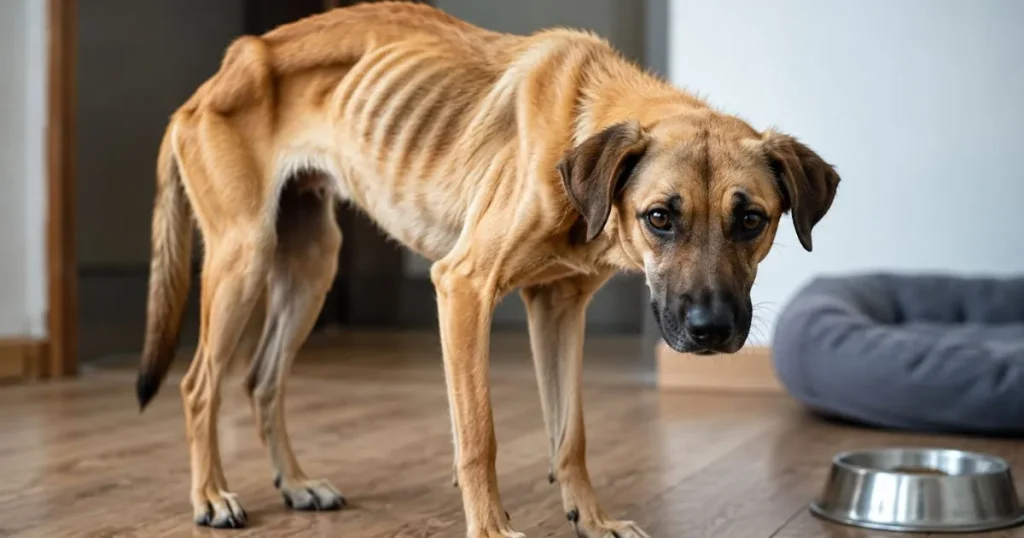
If your pet’s ribs, hips, or spine become more prominent, this might be a sign that it’s time to consult your vet. Pay attention to the condition of your dog’s coat texture, as a dull or dry coat can indicate underlying health issues. Changes in stool consistency, such as diarrhea or overly firm stools, might signal digestive problems. Increased thirst can suggest conditions like diabetes or kidney disease. A smaller-looking waist or a tucked-up belly can accompany weight loss.
When a dog is not eating as usual and dropping food during meals, along with concerning symptoms like heavy breathing or coughing, it is important to investigate further. Changes in appetite can be accompanied by other concerning signs, like muscle loss, particularly in the back legs, or a pot-bellied appearance. If your dog loses a noticeable amount of weight without an obvious reason, contact your veterinarian
Common patterns behind weight loss in dogs
Unexplained weight loss in dogs is accompanied by changes in their poop. Monitoring the quality and frequency of bowel movements can reveal underlying issues such as intestinal parasites or digestive disorders. If your dog’s stool is unusually soft, watery, or contains blood, it may indicate a need for veterinary evaluation.
Situations like Exocrine Pancreatic Insufficiency can impact a dog’s ability to absorb nutrients, leading to weight loss even with a seemingly normal appetite. Conversely, systemic illness often manifests as increased or decreased appetite alongside weight changes.
How Vets Diagnose the Cause of a Dog Losing Weight
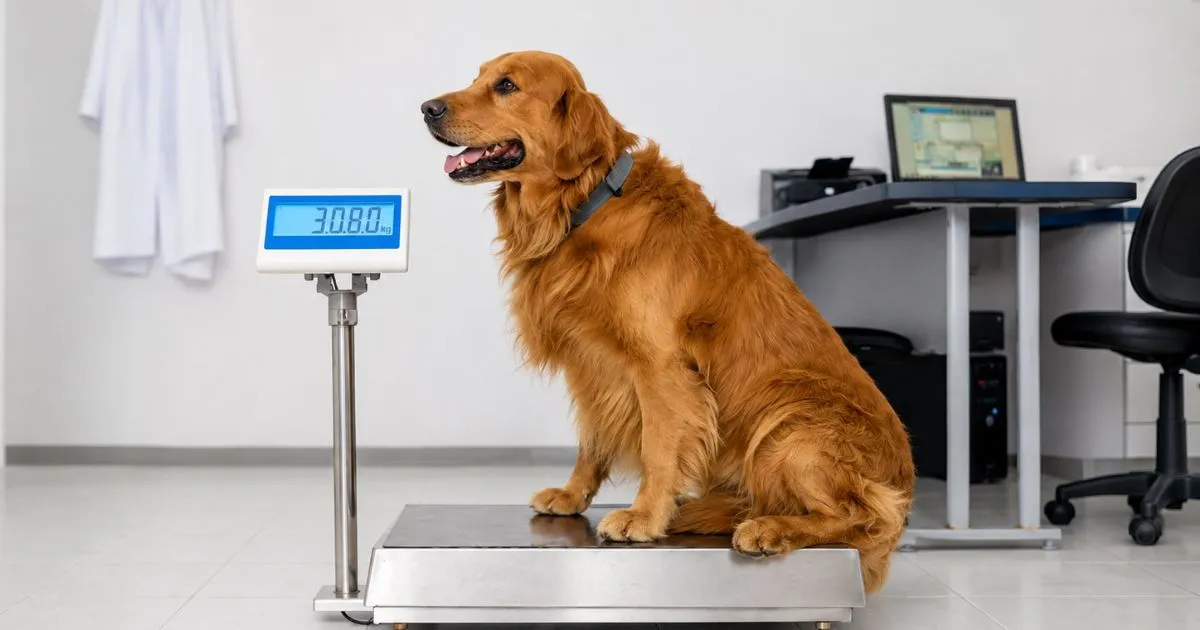
The initial step in diagnosing weight loss in dogs involves a thorough physical exam. Vets assess the dog’s body condition score (BCS), checking for muscle mass, fat deposits, and overall health. This assessment helps estimate how weight loss might impact the dog’s health.
- Urine Tests: To rule out kidney issues or diabetes, urine tests are often conducted. These tests can reveal abnormalities such as glucose or protein levels.
- Stool Tests: Fecal tests are essential for detecting parasites, harmful organisms, including bacteria and protozoa or gastrointestinal infections. By analyzing the stool, veterinarians can identify whether a parasitic load is draining the dog’s nutrients.
- X-rays and Ultrasound: Advanced imaging techniques like X-rays and ultrasounds offer a non-invasive approach to identifying structural anomalies. These tests can uncover tumors, blockages, or organ enlargement that could contribute to the dog’s inability to maintain weight.
Conclusion
A dog losing weight may indicate underlying causes like changes in diet, dental issues, or medical conditions. Understanding these factors can help you take appropriate action to ensure your pet’s health. If weight loss persists or is accompanied by other concerning signs, don’t hesitate to consult your veterinarian.
FAQs
My dog is losing weight but eating normally. Why?
Some conditions can cause body mass to decline even when meals remain unchanged, including diabetes, parasites, digestive disorders, or cancer.
Why is my dog losing weight on his back end?
Loss of muscle around the hind legs may be linked to aging, arthritis, nerve problems, or reduced mobility.
Why does my dog look skinny all of a sudden?
A sudden change in body condition can result from inadequate nutrition, fluid loss, intestinal problems, or an underlying disease.
Why is my senior dog losing weight but still eating?
Older pets can experience dental disease, digestive issues, kidney problems, diabetes, or other age related conditions that affect body condition.