
Ear Mites in Dogs: What Are They and How Do You Treat Them?
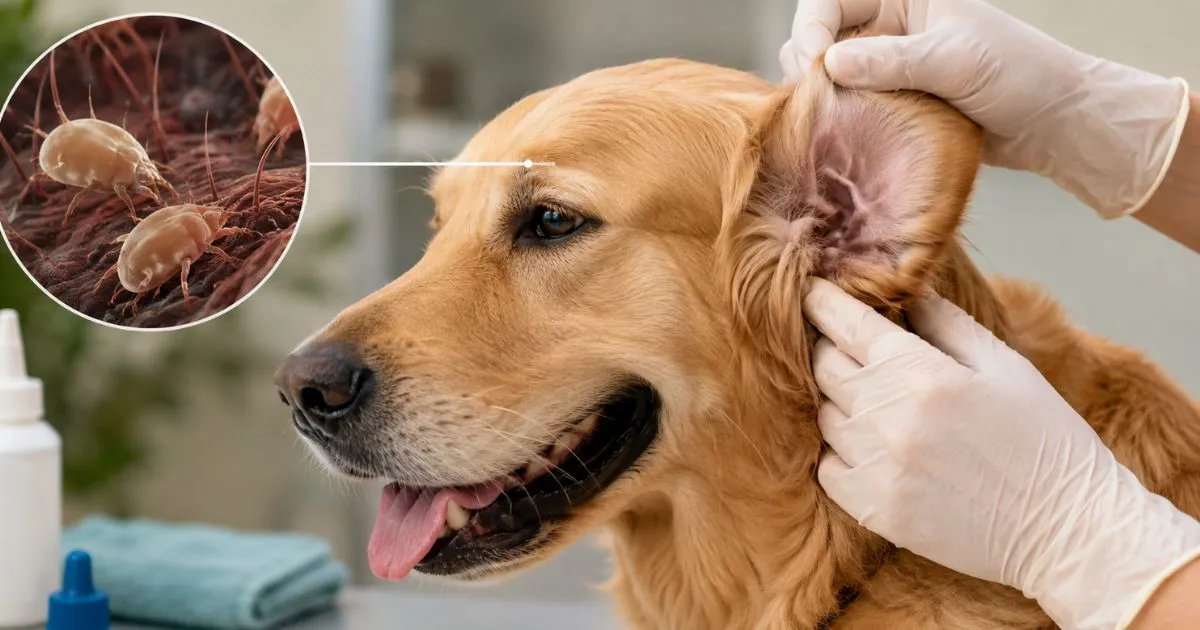
Ear mites in dogs can cause relentless itching, scratching, and significant discomfort if left untreated. Common symptoms of ear mites include hair loss, skin inflammation, head shaking, and frequent ear rubbing. These small parasites feed on the wax and oils inside your dog’s ears and can also lead to secondary ear infections if not treated promptly.
What are Ear Mites?
Ear mites, scientifically known as Otodectes cynotis, these tiny parasites reside primarily in the ear canals and the surrounding skin of dogs. Belonging to the Psoroptidae family, ear mites are surface-dwellers. Unlike other mite species that burrow deep into the skin layers, they live and feed directly on the skin’s surface, consuming natural oils, wax, and dead tissue.
Measuring a mere 1 to 2 millimeters in length, these parasites are barely visible to the naked eye. At first glance, they often look like tiny, moving white specks, making it extremely difficult to identify them as the root cause of your dog’s discomfort without veterinary tools.
Symptoms of Ear Mites in Dogs

Responsible pet owners should watch for initial indications of ear mites in their dogs. Common signs of ear mites in dogs include:
- Inflammation of the skin surrounding the ears
- Frequent scratching of the ears, head, and neck area
- Shaking of the head
- Dark, waxy discharge from the ears
- A foul smell emanating from the ears
Puppies usually show the same symptoms as adult dogs. Because they have more delicate skin and developing immune systems, they may experience more severe discomfort or develop secondary skin infections more quickly if ear mites are left untreated
How do Dogs get Ear Mites?
Your dog can pick up ear mites simply by being outdoors. These pests thrive in grassy or wooded areas. As your dog walks through these places, the mites can attach themselves and make their way to the dog’s ears.
The usual way dogs get ear mites is through contact with other infested animals, especially cats and dogs. Once one dog or puppy is infected, the mites can easily spread to bedding or be transferred directly through interaction and play.
Since ear mites are contagious, they can spread between pets. “Although ear mites are more prevailing in cats than in dogs, the process of infection is the same,” according to McDermott.
How to Diagnose Ear Mites in Dogs
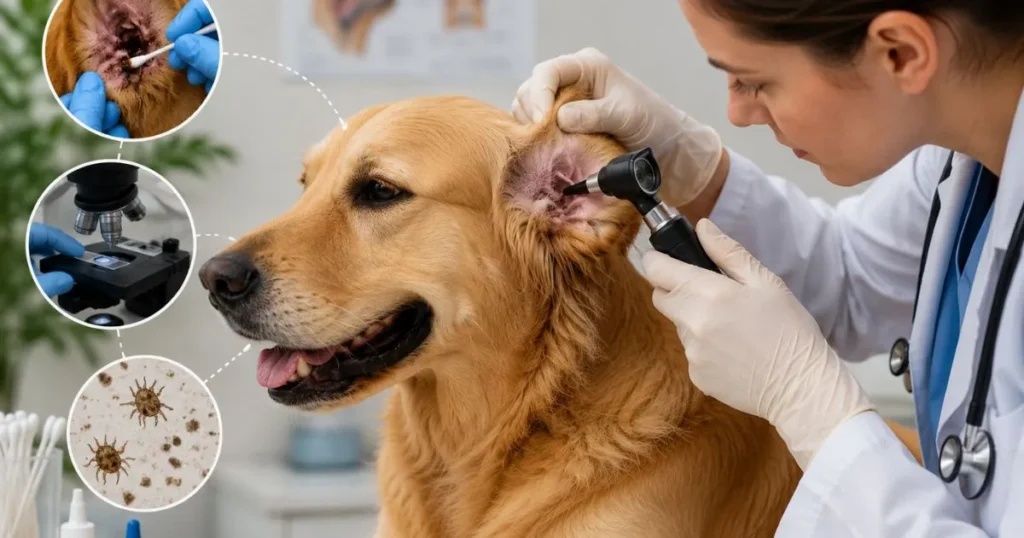
A veterinarian will begin by examining your dog, especially focusing on the ears. They will use an otoscope, a specialized instrument, to inspect the ear canals for any unusual discharge or signs of inflammation (swelling).
The veterinarian will inquire about any monthly preventive treatments your dog is receiving, when the signs first appeared, and if there are other pets in the home.
If the vet suspects the presence of ear mites, diagnostic tests may be conducted. The ear cytology test is the most effective method for identifying ear mites in dogs.
For this test, the vet will gently use a cotton swab to collect a small sample of debris from the ear canal. The collected material is then combined with a drop of mineral oil on a glass slide and examined under a microscope to detect ear mites or their eggs.
Another sample from the ear canal may be placed onto a slide, stained, and viewed under a microscope to check for yeast or bacteria, which can commonly lead to secondary ear infections in dogs affected by ear mites.
How to Prevent Ear Mites in Dogs
One of the most effective methods is to use a high-quality ear cleanser consistently. This helps keep the ears clean and creates an environment that is less favorable for ear mites. Using ear-cleaning and medicated solutions specifically designed for pets can also minimize the risk of infestations.
Daily wash bedding and toys in hot water and run them through the tumble dryer. This simple yet efficient practice eliminates any lingering pests and their eggs, providing a safer sanctuary for your dog.
Ear Mite Treatment for Dogs

Ear mites in dogs can lead to discomfort and more serious health issues if left untreated. To effectively combat these pesky parasites, it’s important to first identify the signs incessant scratching, head shaking, or a coffee grounds-like discharge from the ears. The next step is to consult a veterinarian for a proper diagnosis and treatment plan.
Over-the-counter treatments, like medicated ear drops, can sometimes be effective, but they may not address the underlying infection that often accompanies an ear mite infestation. Natural remedies, such as a diluted mixture of apple cider vinegar and water, may provide temporary relief, although they should not replace veterinary treatment. Combining prescribed medications with these remedies under veterinary guidance may improve results and expedite recovery. After treatment, regular ear cleaning and inspection can help prevent future infestations, making it important to incorporate this practice into your dog’s grooming routine.
How Long Does It Take to Get Rid of Ear Mites?
Normally, treatment can start showing results within a few days, but complete elimination usually takes about two to three weeks. Consistency in applying topical treatments, ensuring a clean environment, and following your veterinarian’s advice are key factors in speeding up recovery.
It’s essential to understand that even after the symptoms diminish, your pet may still carry microscopic eggs that can re-emerge if not addressed adequately.
Dog Recovery & Management of Ear Mites
Consider the role of nutrition in your dog’s recovery. A diet rich in omega fatty acids can enhance skin and coat health, fortifying your pet’s immune system against infections. Keep your dog’s ears clean, complete the full course of treatment, and attend any recommended follow-up visits to ensure the mites are completely eliminated.
Ear Mites in Dogs FAQs
How can I tell if my dog has ear mites?
Look for excessive scratching, dark debris in the ears, or a foul odor. A vet can confirm the diagnosis.
Can I use over-the-counter treatments for ear mites?
While some OTC treatments exist, it’s best to consult a vet for effective and safe options.
How do dogs get ear mites?
Ear mites can be transmitted through contact with infected animals or environments, such as kennels or grooming facilities.
Can ear mites cause long-term damage to my dog’s ears?
Yes, if left untreated, ear mites can lead to severe ear infections and permanent damage to the ear.
How can I prevent ear mites in my dog?
Regular vet check-ups, cleaning your dog’s ears, and avoiding contact with infected animals can help prevent infestations.
Can I use home remedies for ear mites?
While some home remedies are suggested, it is best to consult a veterinarian for safe and effective treatment.