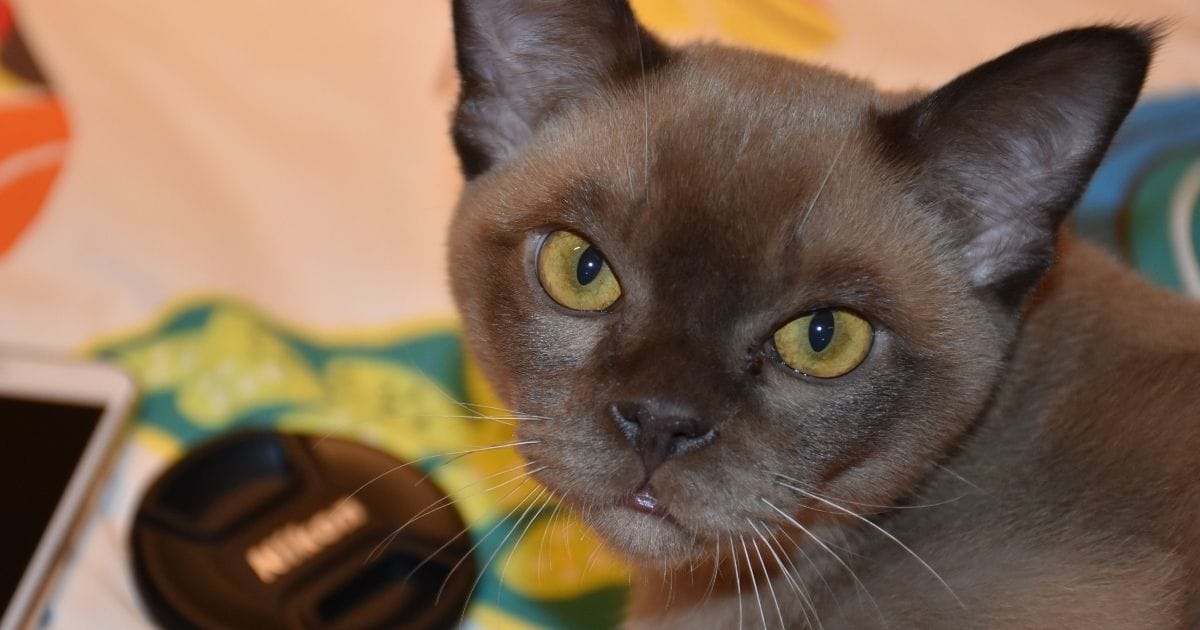
Burmese Cat Breed Health & Care Guide
Are you aware that the Burmese cat breed can be susceptible to certain genetic health issues that may surprise even the most seasoned cat owners? With their captivating personalities and loving nature, these felines deserve the utmost attention when it comes to their health and well-being. This article aims to shed light on pivotal care strategies and health concerns specific to Burmese cats. By reading on, you will arm yourself with valuable knowledge to keep your furry companion happy and healthy.
Caring for the Burmese Cat
Burmese cats are medium-sized felines typically weighing between 8 to 15 pounds. Both American and British varieties of this breed possess a muscular build, although the American Burmese tends to be a bit stockier, showcasing a wider head and shorter muzzle compared to its British counterpart. Regardless of their origin, both versions feature short, luxurious fur that requires minimal upkeep.
These sociable cats thrive in various living environments, whether it’s an apartment or a house, as their primary need is to be close to their human family members. They are also known for their friendly nature, often getting along well with children and other pets if introduced appropriately.
Common Health Problems in Burmese Cats
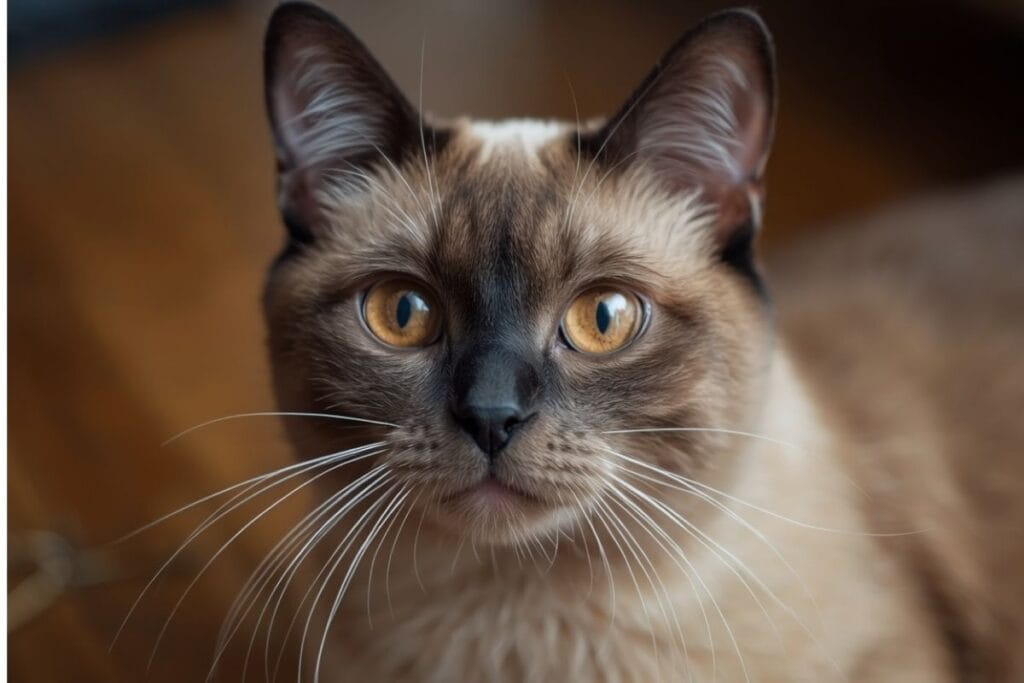
In general, the Burmese cat breed enjoys good health, with a life expectancy ranging from 10 to 17 years. However, they are still susceptible to several common health issues that affect felines. Choosing to invest in health insurance for a Burmese kitten can ease the financial strain of unforeseen medical costs.
Diabetes Mellitus
While diabetes can affect any feline, Burmese cats may be more prone to this condition, with estimates suggesting that up to 10% of them could be affected. This susceptibility is thought to have a genetic component, making it important to discuss any health issues in the kitten’s family with the breeder before making a purchase.
Common signs of diabetes in Burmese cats include:
- Unexplained weight loss
- Increased thirst
- Frequent urination, sometimes outside the litter box
- Elevated appetite (early stages)
- Diminished appetite (later stages)
- Lethargy
- Vomiting
Diabetes in cats can be effectively managed through dietary modifications, weight management, and in some cases, insulin treatment.
Feline Orofacial Pain Syndrome
Feline Orofacial Pain Syndrome (FOPS) is a condition characterized by episodes of discomfort affecting a cat’s facial and oral regions. This disorder is believed to be hereditary, with a higher incidence particularly noted in the Burmese cat breed compared to others.
The pain associated with FOPS can be quite intense and may predominantly impact one side of the face. Triggers for this pain can include activities like eating, grooming, or even simple actions such as opening the mouth.
FOPS can occur in cats of any age but is most frequently observed in kittens after they have begun teething or in those with previous dental issues. While there is no definitive cure for this syndrome, pain management is often possible. If your cat exhibits signs of distress, it’s crucial to consult a veterinarian, who can recommend an appropriate pain management strategy.
Burmese Hypokalemic Polymyopathy
Hypokalemic polymyopathy is a hereditary condition that leads to intermittent or persistent muscle weakness. It primarily affects the neck muscles and can extend to the limbs, making it challenging for affected cats to keep their heads elevated or walk normally. This condition is particularly prevalent in Burmese kittens, usually manifesting during their first year.
Previously, diagnosing this disorder posed challenges, but advancements in genetic testing now allow for the identification of carriers. If you’re considering adopting a Burmese kitten, inquire with the breeder about the genetic test findings of the kitten’s parents.
Should your kitten exhibit any signs of muscle weakness, it’s essential to seek veterinary assistance. Hypokalemic polymyopathy can be managed effectively through potassium supplementation.
What to Feed a Burmese Cat (Diet Guide)
For optimal health, Burmese cats should consume food that aligns with the nutritional standards set by the Association of American Feed Control Officials (AAFCO) pertinent to their specific life stage.
Feeding Schedule for Burmese Cats
Adult Burmese cats should ideally have two meals each day. In contrast, kittens need more frequent feedings and additional calories relative to their body weight to support their rapid growth.
Regardless of age, it’s advisable to avoid “free-feeding” practices, as cats typically struggle to manage their food intake effectively on their own.
How Much to Feed a Burmese Cat?
When determining how much to feed your Burmese cat, consider factors like their age, lifestyle, and targeted weight. According to Moss, while Burmese cats generally aren’t highly susceptible to obesity, nearly 60% of cats in the U.S. are classified as overweight. Therefore, monitoring their weight is vital!
Because Burmese cats have a naturally robust build, it can be challenging to identify when they have gained excess weight. Moss suggests consulting your veterinarian for body condition scoring to ensure your cat maintains a healthy weight range. It’s crucial to manage this, particularly since diabetes mellitus is often linked to obesity in cats, and this breed has a predisposition for such conditions.
Nutritional Guidance for Burmese Cats
To provide your Burmese cat with a well-rounded diet, opt for food that carries an AAFCO statement of nutritional adequacy. This ensures your pet receives the essential nutrients, vitamins, fats, and proteins necessary for their health. If your cat has specific medical concerns, your veterinarian may advise adding supplemental nutrients, like omega fatty acids, to enhance their skin, coat, and joint health.
Burmese Cat Behavior, Personality & Training Tips
Burmese Personality and Temperament
The Burmese cat breed is celebrated for its affectionate and loving demeanor. Often likened to dogs in their loyalty, they possess a spirited personality that makes them delightful companions. Burmese cats naturally gravitate towards their humans, often following them from room to room, showcasing their desire for interaction.
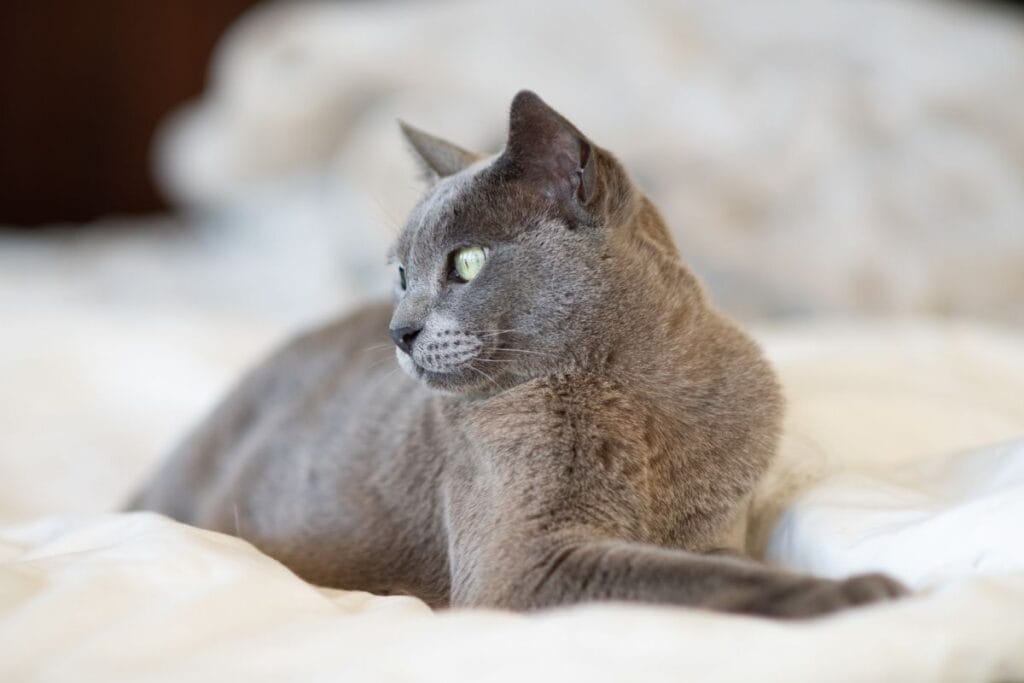
Thanks to their sociable nature, Burmese cats make excellent pets in homes with children or other friendly animals. However, it’s essential to introduce all parties correctly to ensure harmony. As cat expert Moss explains, this may involve exchanging scents and gradually allowing them to become acquainted.
Although they don’t have a strong hunting instinct, Burmese cats are incredibly inquisitive. Therefore, it’s advisable to keep them indoors, use a catio, or allow them to explore outside while secured with a harness and leash.
According to Moss, “Burmese cats adapt well to apartment living due to their smaller size and contentment with indoor life,” provided they receive the necessary attention and playtime.
Burmese Cat Behavior Insights
If a Burmese cat doesn’t get the interaction it desires, expect it to voice its concerns. As Moss points out, “Similar to Siamese cats, Burmese cats tend to be vocal.” Consequently, if you’re searching for a quiet and low-maintenance breed, you might want to reconsider the Burmese.
Owners of this affectionate breed often find their attachment endearing. However, Burmese cats are not ideal for households where they will be left alone for extended periods.
Training Your Burmese Cat
The Burmese cat breed is relatively easy to train when compared to other felines, as stated by Moss, who emphasizes, “You might find the opportunity to teach them various tricks!” It’s beneficial to identify what your Burmese enjoys most — be it playtime, treats, or cuddles — and use these preferences as motivators during training sessions to implement positive reinforcement effectively.
Engaging Activities for Burmese Cats
- Adventure walks with a harness and leash
- Clicker training sessions
- Puzzle feeders and snuffle mats for mental stimulation
- Interactive playthings
- Bird-watching opportunities
- Snuggles, gentle petting, and regular brushing
- Socializing with humans
Grooming Essentials for the Burmese Cat Breed
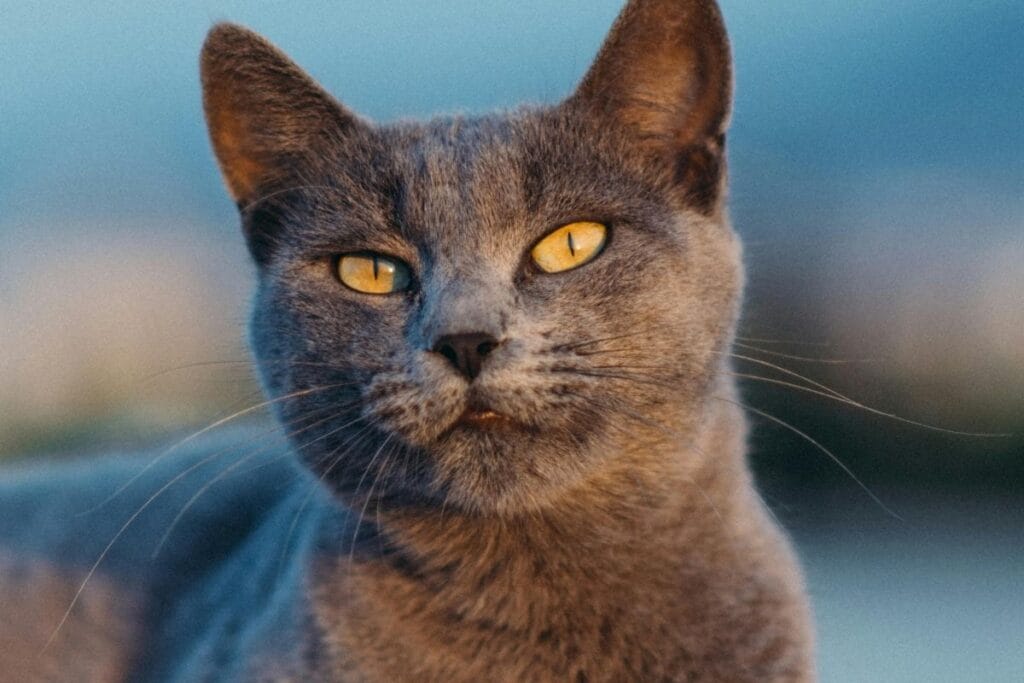
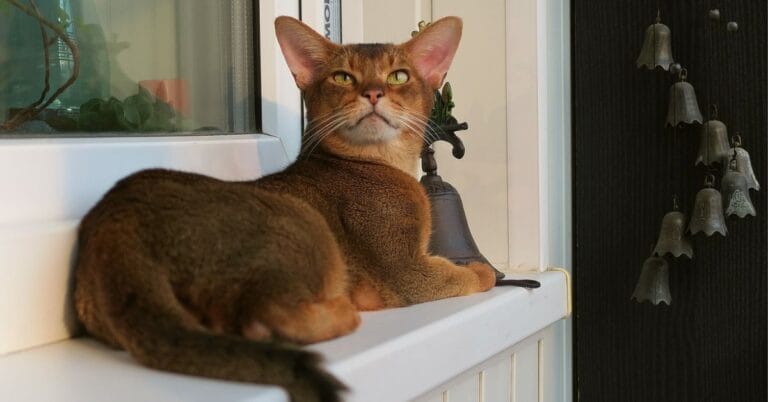
Burmese cats are known for their luxurious, sleek coat, initially seen in a rich brown hue complemented by a lighter-colored chest and belly. Nowadays, this breed showcases a variety of shades, including black, blue, lilac, and tortoiseshell. Their striking eyes are typically yellow, though, as noted by Moss, they might occasionally appear light green.
Here’s how to ensure your Burmese cat looks and feels their utmost best.
Skin Care Considerations
According to Moss, Burmese cats have a fine, short coat, which generally requires minimal grooming. While they don’t demand specialized bathing or skincare routines, it’s crucial to keep an eye out for any alterations in their grooming habits. Should you observe signs of excessive grooming, insufficient grooming, or persistent itching, it’s wise to arrange a visit to your veterinarian.
Coat Care
The Burmese cat breed tends to shed less fur compared to other cats, but they still require consistent grooming. It’s advisable to brush your Burmese cat weekly to eliminate loose hair and prevent mats from forming.
Moss emphasizes the importance of grooming sessions, noting that many Burmese cats thrive on personal attention. Starting grooming practices while they are young can enhance the experience for both you and your cat as they mature and demand more care.
Eye Maintenance
Burmese cats do not need specialized eye care, but a gentle wipe with a soft, damp cloth can help clear away normal tears and avoid accumulation around their eyes. If you observe signs of unusual discharge, redness, or crustiness, it’s best to consult your veterinarian.
Ear Health
The Burmese cat breed does not require extensive ear maintenance, but it is essential to regularly check for symptoms such as redness, unpleasant odors, unusual discharge, or dirt. These could indicate potential health issues, such as ear infections or infestations of ear mites.
Important Information for Pet Owners
The Burmese cat breed is known for its sociable nature, making it an excellent choice for individuals of all ages, as well as for families with other pets. If you’re in search of a cat that thrives on companionship, enjoys cuddling, and maintains playful, youthful energy well into adulthood, a Burmese cat might be ideal for you. On the other hand, it’s important to note that if you prefer a cat with a more independent personality, the Burmese breed may not be the right match.
In terms of grooming, Burmese cats have sleek, short coats, making them relatively easy to care for. Generally, they lead healthy lives, with a lifespan ranging from 10 to 17 years. However, they can be prone to certain health issues. Acquiring pet insurance for your new Burmese kitten can help alleviate potential financial burdens over the years you’ll share together.
FAQs
What’s the recommended frequency for vet visits for my Burmese cat?
You should schedule a visit to the vet for your Burmese cat at least once annually for a regular health assessment. If your cat has any ongoing health concerns, consider taking them to the vet more often.
What is the life expectancy of a Burmese cat?
On average, Burmese cats have a life expectancy of 10 to 15 years, but with proper care, some may live even longer. Regular veterinary care and a healthy lifestyle are key factors.
What is the typical price for a Burmese cat?
The average cost of a Burmese cat typically ranges from $600 to $2,200, depending on various factors such as breeder reputation and geographical location.
Conclusion
The Burmese cat breed is renowned for its captivating looks and lively personality, but it also has specific health needs. To ensure your Burmese cat thrives, regular vet visits, a nutritious diet, and plenty of physical activity are essential. Being aware of potential genetic issues, like dental and respiratory problems, allows for timely intervention and can enhance their lifespan. Creating an engaging environment further supports their playful spirit. By being proactive about your Burmese cat’s health, you can promote a joyful and healthy existence. Always consult a veterinarian for personalized advice regarding your pet’s well-being.