What to feed a Sick Cat that Won’t Eat
What to Feed a Sick Cat: A sudden loss of appetite in cats is a significant concern and should never be ignored. Cats are obligate carnivores, meaning they need regular protein. If they go without food for too long, they risk developing hepatic lipidosis, a serious liver condition. Providing proper nutrition during recovery can help support your cat’s health and strength. This article explores suitable food options for sick cats and helpful feeding tips, whether you have a playful kitten or an aging senior.
Food For Sick Cats
When determining what to feed a sick cat, it’s essential to choose options that are gentle on the stomach, easy to digest, flavorful, and packed with nutrients. Here are some of the best choices for nourishing an unwell feline.
Meat-Based Baby Food (Plain and Safe)
Plain chicken or turkey baby food can be a highly effective short-term solution for sick cats. Its smooth consistency is easy for weak or nauseous cats to consume, and its strong scent can stimulate appetite in those reluctant to eat.
It’s important to check ingredient labels, as many varieties contain onion or garlic, which are toxic to cats, even in small amounts. Remember, this should only be a temporary feeding option, as it lacks the complete nutrients essential for a cat’s health.
Warmed Wet Cat Food
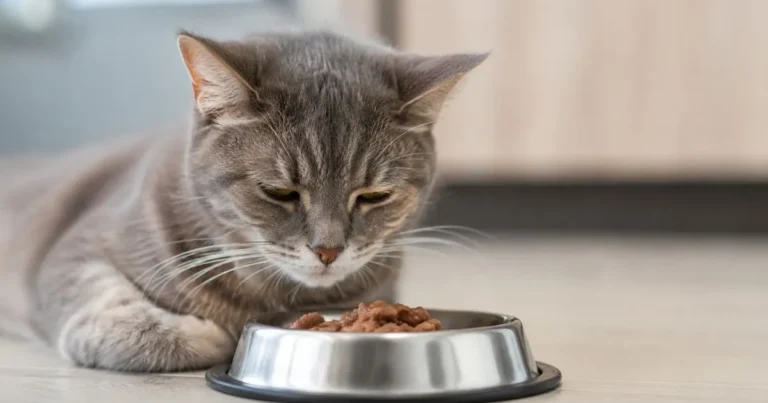
Wet cat food is often more enticing than dry kibble, making it ideal for sick cats due to its soft texture and high moisture content, which aids in chewing and digestion.
Warming the food slightly enhances its aroma, appealing to a cat’s keen sense of smell and encouraging them to eat. Adding a bit of warm water can further soften the food and improve hydration, especially beneficial if your cat isn’t drinking enough.
Boiled Chicken (Unseasoned)
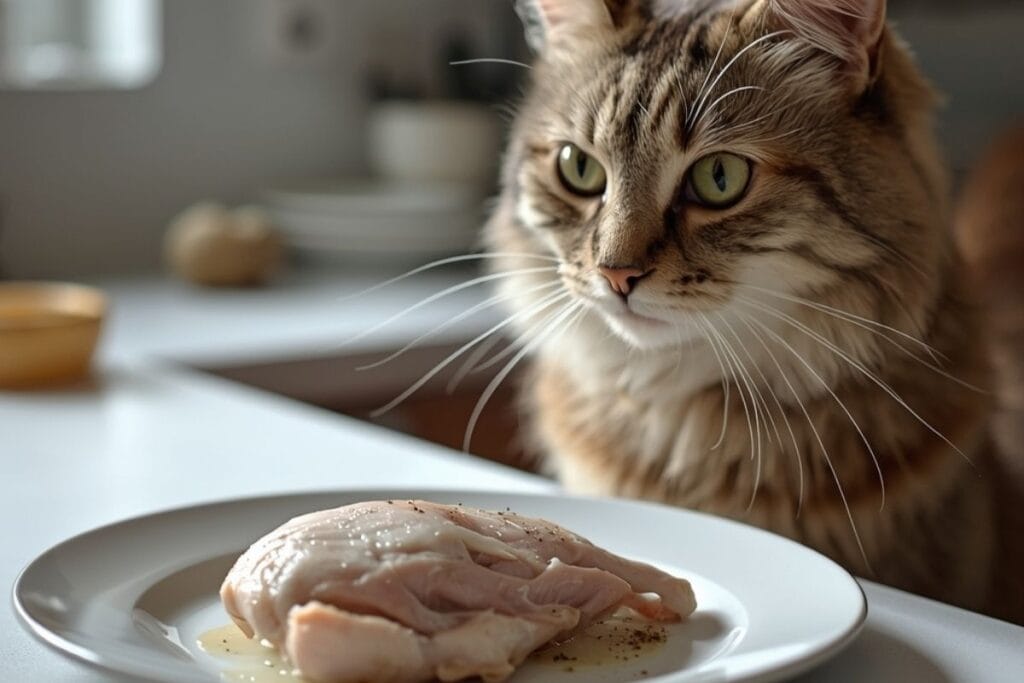
When considering what to feed a sick cat, plain boiled chicken stands out as an easily digestible protein option frequently recommended for felines in recovery.
Prepare the chicken without any salt, oil, spices, or seasonings, as these can irritate their digestive tract and lead to potential health issues. Ensure that all bones and skin are thoroughly removed before serving to avoid choking hazards or internal injuries.
To facilitate easier consumption, the chicken can be shredded into tiny pieces or mashed into a soft consistency. Given its gentle taste and high protein level, boiled chicken is generally accepted well by cats that are recovering from illness or have diminished appetites.
Tuna Water or Fish Broth
If you’re wondering what to feed a sick cat that is reluctant to eat, tuna water or fish broth can be a helpful solution. The strong aroma of fish tends to pique a cat’s interest, making it an effective appetite stimulant, particularly when a loss of appetite is due to illness, nasal congestion, or diminished sense of smell.
Using the water from canned tuna packed in water, rather than in oil, is a good choice. This tasty liquid can boost the aroma of regular cat food, making it more appealing.
Chicken and Rice Duo
A simple mix of plain boiled chicken and rice is often recommended for those with mild digestive troubles. Chicken serves as a source of high-quality protein, while rice provides easily digestible carbohydrates. This gentle pairing is designed to soothe the stomach and promote digestive stability in cats experiencing gastrointestinal upset.
It’s essential to cook both ingredients without any added seasonings. The final mixture should be soft and easy to chew, making it ideal for cats who may have a reduced appetite or sensitivities. This combination is generally intended as a short-term recovery diet, rather than a long-term feeding option.
Low-Sodium Chicken Broth:
Low-sodium chicken broth is a great choice that can promote appetite and help with hydration. This broth not only improves the scent of meals but can also be offered on its own or mixed with other foods. Its liquid form is especially suitable for cats that might be hesitant to eat solid food. Be sure to verify that the broth contains no onion, garlic, or excessive sodium, as these ingredients can be dangerous for cats.
Plain Greek Yogurt (Optional Support)
When deciding on food for a sick cat, you can occasionally offer a small amount of plain Greek yogurt as a treat. Rich in probiotics, this yogurt may support digestive health. However, keep in mind that not all cats handle dairy well, so introduce it cautiously.
If you notice any signs of stomach issues, discontinue yogurt immediately. Remember that yogurt should never replace a well-rounded diet; it should only act as a supplementary option while your cat is recovering.
Sweet Potatoes
If you have a sick cat, cooked sweet potatoes make a gentle, fiber-filled option. You can give them in small quantities. They are easy to digest and provide valuable vitamins and energy. Always serve them plain — skip the butter, sugar, and seasonings. Use sweet potatoes as a supplement alongside protein-rich foods instead of the main part of your cat’s diet.
Oatmeal
Plain, cooked oatmeal can be a good option for a sick cat. Serve it in small amounts. Its soft texture makes it easy for cats to eat. You can mix it with other foods to enhance the texture. Oatmeal offers carbohydrates for energy. However, avoid adding milk, sugar, or any other ingredients.
Applesauce (Unsweetened Only)
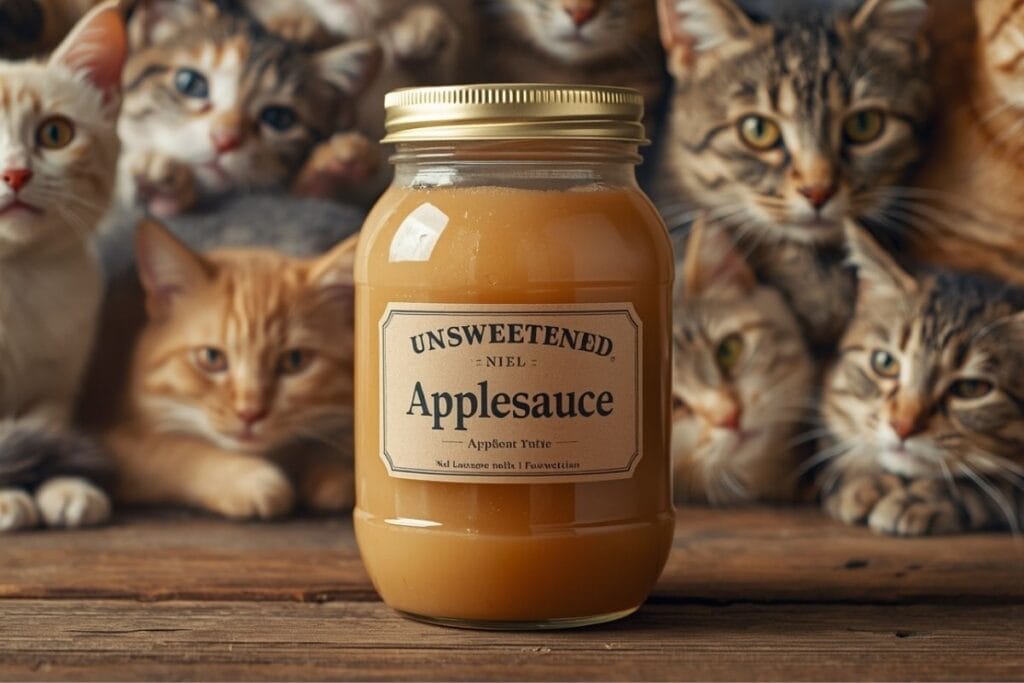
When considering what to feed a sick cat, unsweetened applesauce can be introduced in very small quantities as a supplementary treat. This option offers hydration and fiber; however, it should never replace a cat’s main diet. Only serve plain, unsweetened varieties, and do so sparingly.
Meat-Based Baby Food
As previously mentioned, plain meat-based baby food is a top choice for what to feed a sick cat, thanks to its appealing taste and smooth consistency. This type of food can be especially helpful if your cat is turning away from other options. It is crucial to ensure that the product is free from harmful ingredients like onion and garlic, and it should only be used for a short duration.
How to Encourage a Sick Cat to Eat
To promote a sick cat’s appetite, employing suitable feeding methods alongside selecting the right food can make a notable difference:
- Gently warm the food to amplify its aroma.
- Serve smaller, more frequent meals rather than larger portions all at once.
- Create a calm, quiet setting during mealtime to reduce stress.
- Add enticing food enhancers such as broth or tuna juice to improve palatability.
- Regularly clean food dishes to prevent aversion caused by leftover residues.
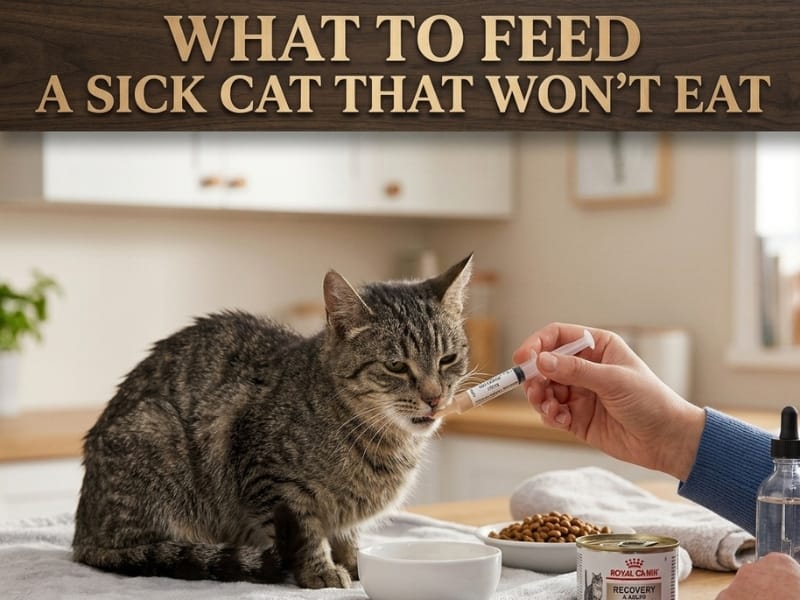
- Try hand-feeding if your cat is hesitant to eat from the bowl.
These approaches can help encourage natural eating behavior and boost overall food intake.
When to Seek Veterinary Care
Keep a close watch on a cat that is not eating. It’s crucial to consult a veterinarian if:
- The cat has gone more than 24 hours without eating.
- There are signs of vomiting, diarrhea, or unusual lethargy.
- The cat begins to show signs of dehydration or noticeable weight loss.
- Food refusal persists even after trying at-home strategies.
Prompt diagnosis and treatment are vital to avoid complications and promote recovery.
FAQ
What food options are best for a sick cat that refuses to eat?
Offer soft, digestible options like warmed wet food, boiled chicken, or plain meat-based baby food (no onion or garlic). Small, frequent meals can be more effective than larger ones.
How long can a sick cat go without eating?
A cat shouldn’t go longer than 24 hours without food. Extended fasting can lead to serious conditions like hepatic lipidosis, requiring immediate veterinary care.
Should I force-feed my sick cat?
Only force-feed under veterinary guidance. If necessary, a vet may suggest syringe feeding, but improper techniques can cause stress or complications. Always consult a vet beforehand.
Conclusion
When dealing with a sick cat that refuses to eat, it’s essential to approach the situation with a careful selection of appropriate foods, effective feeding strategies, and prompt veterinary assistance. Options such as wet food, boiled chicken, broth, and specialized diets can stimulate the cat’s appetite and meet its nutritional requirements during illness.