Dog Food Poisoning: Causes, Symptoms and Treatment
Picture your typically lively dog suddenly displaying signs of weakness, vomiting, or a refusal to eat. Such scenarios can be alarming for any dog owner. One possible cause for these troubling symptoms is dog food poisoning, which occurs when dogs ingest contaminated or hazardous food.
Dog food poisoning can escalate swiftly and may pose serious risks if not addressed promptly. Various factors, including harmful bacteria, toxins, chemicals, or spoiled food, can lead to this condition. In this guide, we will cover the causes, symptoms, treatment options, and preventative measures to ensure your dog’s safety and well-being.
What Is Dog Food Poisoning?
Dog food poisoning happens when dogs consume food that contains dangerous elements like bacteria, harmful chemicals, toxins, or mold. These harmful substances can disrupt the digestive system and may seriously impact essential organs if the situation worsens.
Common sources of this problem include tainted commercial dog food, spoiled items, poisonous human foods, or environmental pollutants. In less severe cases, dogs might only suffer from mild gastrointestinal distress, but serious instances of poisoning can result in dehydration, organ damage, or neurological complications.
Therefore, it is crucial for pet owners to identify the symptoms of dog food poisoning early and take the necessary steps to address the issue.
Common Causes of Food Poisoning
Dog food poisoning can happen for various reasons, primarily due to the ingestion of tainted or hazardous food sources.
Contaminated Dog Food
During the processes of production, packaging, or storage, commercial dog food may occasionally become tainted. If hygiene practices are not rigorously upheld, dangerous bacteria like Salmonella, Listeria, and E. coli can proliferate, potentially leading to dog food poisoning.
Mold Toxins (Mycotoxins)
Dog food made from grains has the potential to develop harmful mold toxins, particularly aflatoxin, which originates from specific types of mold. These toxins are highly toxic and pose a significant risk of liver damage in dogs, leading to what is known as dog food poisoning.
Chemical Contaminants
Inexpensive or poorly made dog food can often include dangerous additives like pesticides, rodenticides, or heavy metals. Regular consumption of these harmful chemicals can lead to gradual health issues in dogs, potentially resulting in dog food poisoning.
Toxic Human Foods

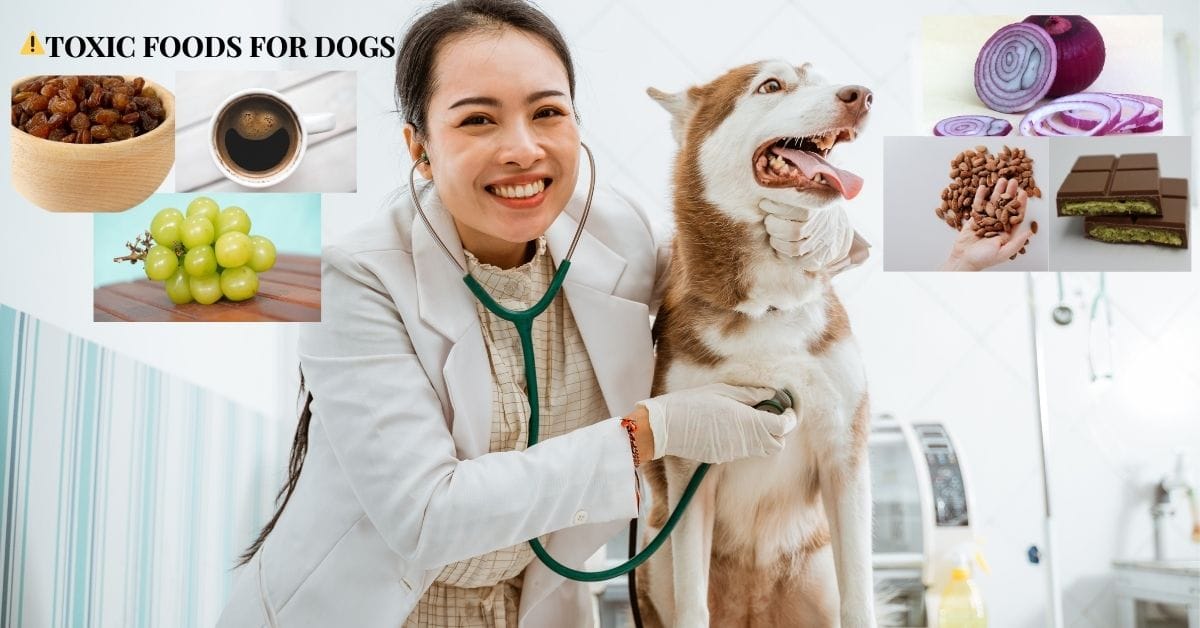
Numerous pet owners, often without realizing it, provide their dogs with foods that can be harmful. Some typical items that can lead to dog food poisoning include:
- Chocolate
- Grapes and Raisins
- Onions and Garlic
- Xylitol (a synthetic sweetener)
- Nuts
- Milk/Dairy
- Coffee
- Alcohol
Note: These items can lead to dog food poisoning.
Spoiled or Expired Food
- Bacterial Growth: Inadequate storage conditions for dog food can promote the growth of harmful bacteria.
- Environmental Factors: When food is stored in warm or humid areas, it significantly increases the risk of microbial proliferation.
- Spoilage Indicators: Look for signs of spoilage, including unusual odors, discoloration, or changed texture, as these may indicate that the food is no longer safe.
- Health Risks: Ingesting spoiled food can lead to dog food poisoning, which may cause serious health issues such as vomiting, diarrhea, or lethargy.
- Storage Tips: Always store dog food in a cool, dry place in airtight containers to minimize the risk of contamination and spoilage.
- Expiration Dates: Pay attention to expiration dates and discard any food that is past its prime to ensure your dog’s safety.
By following these guidelines, you can help prevent the risk of dog food poisoning and keep your pet healthy.
Symptoms of Dog Food Poisoning.
Signs of food poisoning typically manifest within hours of consuming spoiled or expired food, with the severity varying based on the type and quantity of toxins ingested.
The American Kennel Club notes that dogs experiencing food poisoning often show signs like vomiting, diarrhea, fatigue, and decreased appetite.
Early Symptoms
Pet owners might initially observe a few key indicators of dog food poisoning.
- Repeated vomiting
- Diarrhea, which may contain mucus or blood
- Increased salivation
- Decrease in appetite
These signs typically suggest that the dog’s digestive system is responding to potential dog food poisoning.
Advanced Symptoms

In cases where dog food poisoning worsens, further symptoms might emerge.
- Sluggishness and Lack of Energy
Your dog may exhibit lethargy, showing a significant decrease in activity levels. - Abdominal Distress
Look out for signs of abdominal pain or unease, which can manifest as whining or discomfort when touched. - Heightened Thirst
Increased water consumption can signal that your dog is trying to compensate for fluid loss. - Dehydration Symptoms
Be vigilant for signs of dehydration, including dry gums and sunken eyes, both of which can indicate a critical condition.
These symptoms may suggest your dog is suffering from food poisoning and require prompt attention.
Severe Symptoms.
In unusual yet critical situations, dog food poisoning may impact the nervous system. Key indicators to watch for are:
- Tremors
- Seizures
- Loss of consciousness
If you observe any of these symptoms, it’s essential to seek veterinary assistance without delay.
Occasionally, dogs exhibit strange behaviors when they’re not feeling well; if yours starts becoming excessively clingy, check out our guide on the reasons dogs follow their owners everywhere, especially in cases of dog food poisoning.
At-Home Care for Mild Dog Food Poisoning.
If your dog is showing mild symptoms and is otherwise stable, there are some supportive steps you can take before consulting a veterinarian. Remember, these measures are not a substitute for professional veterinary care.
Fasting
To give your dog’s digestive system a chance to rest, refrain from feeding them for 12 to 24 hours. During this fasting period, ensure they have access to small quantities of fresh water to stay hydrated.
Hydration
It’s important to encourage your dog to sip water frequently in small amounts. Occasionally, offering a diluted electrolyte solution may help keep them hydrated.
Ginger for Nausea Relief
Administering a small amount of ginger could alleviate nausea. A mild tea made from fresh ginger might be effective in soothing an upset stomach.
Pumpkin for Digestive Support
Using plain canned pumpkin (avoid spiced varieties) can provide fiber that assists in regulating digestion and improving stool formation.
Bland Diet
Once the fasting period is over, gradually reintroduce a simple diet. Boiled white rice and plain boiled chicken can be offered in small portions every few hours to help your dog’s stomach recover.
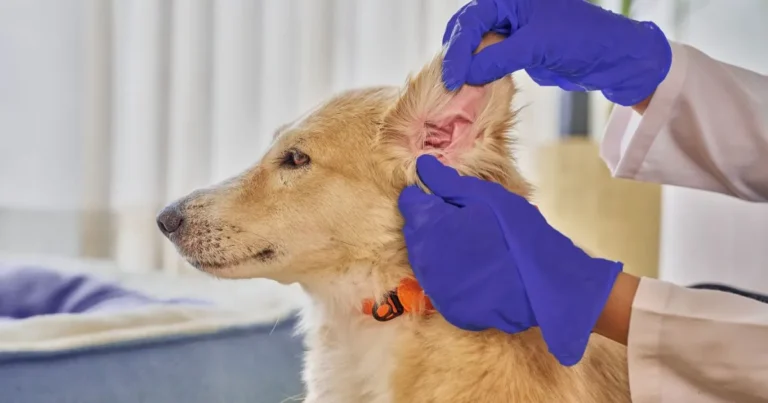
Regular grooming and hygiene are essential for your dog’s health. Check out our guide on cleaning your dog’s ears at home to ensure your pet stays comfortable and healthy. Additionally, be aware of signs of dog food poisoning to keep your furry friend safe.
Veterinary Treatment for Dog Food Poisoning
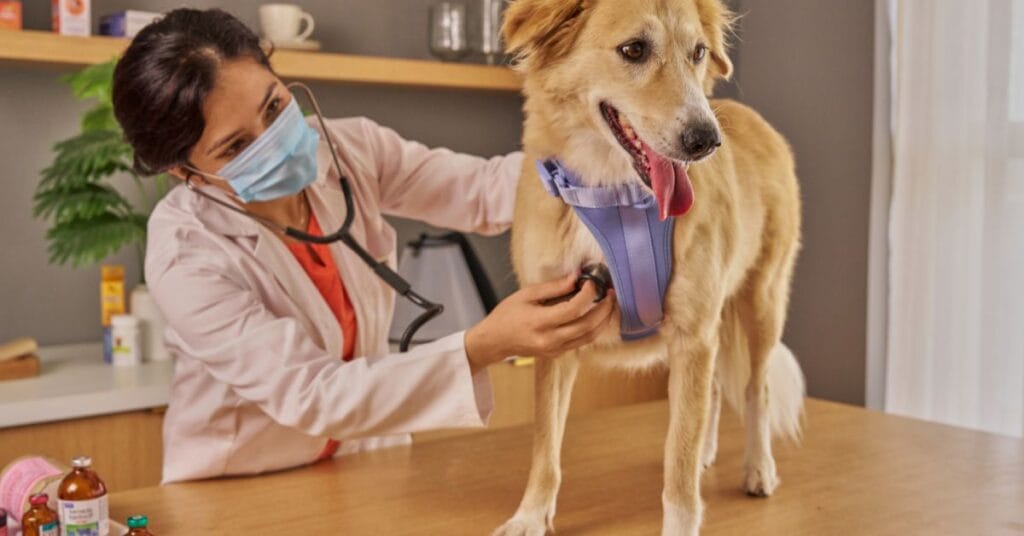
In cases where symptoms of dog food poisoning are severe or last longer than 24 hours, it is crucial to seek veterinary care immediately.
Treatment Approaches
Veterinarians may implement various treatment strategies based on the specific type and source of poisoning.
Immediate Actions
If a dog has recently ingested contaminated food, the veterinarian might induce vomiting or administer activated charcoal. This helps minimize the absorption of toxins by the body.
Fluid Therapy
To combat dehydration and help stabilize the dog’s condition, intravenous (IV) fluids are commonly administered. This is essential in cases of severe poisoning.
Medication Management
Veterinarians often prescribe medications that can help manage symptoms such as vomiting, alleviate inflammation, or safeguard the digestive tract from further irritation.
Diagnostic Procedures
To evaluate the extent of poisoning and assess any potential organ damage, diagnostic tests like blood work, X-rays, or ultrasounds may be conducted.
Importance of Timely Intervention
Prompt veterinary treatment plays a critical role in improving the chances of recovery from dog food poisoning. Early intervention can significantly reduce the risks of complications and lead to a better prognosis.
How to Prevent Dog Food Poisoning
Preventing dog food poisoning is significantly easier than dealing with its aftermath. Implementing a few straightforward practices can greatly diminish the likelihood of this serious issue.
Proper Storage of Dog Food
It is essential to store dog food in airtight containers to protect it from moisture and pests. Keep these containers in a cool, dry location, and always verify the expiration dates before feeding your pet to ensure freshness and safety.
Choose Quality Dog Food
Choose trusted dog food brands known for their quality and safety. Avoid purchasing extremely inexpensive dog food, as these products may be made with subpar ingredients that could pose risks to your dog’s health.
Avoid Toxic Human Foods
Certain human foods can be harmful or even fatal to dogs. Always avoid feeding your dog chocolate, grapes, onions, or anything containing xylitol, as these can lead to severe poisoning.
Secure Trash Bins
Dogs are naturally inquisitive and may rummage through trash in search of food. To prevent any accidental ingestion of harmful substances, ensure that your garbage bins are tightly sealed and out of reach.
Keep Informed About Food Recalls
Pet food recalls may occur from time to time due to contamination issues. Stay updated by following news from official sources, allowing you to make informed choices and avoid potentially dangerous products.
Practice Good Hygiene
Regularly clean your dog’s food and water bowls to maintain a sanitary feeding environment. Additionally, ensure that your pet always has access to fresh water, helping to promote their overall health and well-being.
By adopting these measures, the risk of dog food poisoning can be significantly minimized.
Signs Your Dog Needs Immediate Veterinary Care.
Certain circumstances necessitate urgent veterinary intervention.
It is crucial to reach out to a veterinarian immediately if your dog displays any of the following symptoms:
- Continuous vomiting
- Diarrhea containing blood
- Extreme fatigue or lethargy
- Seizures or tremors
- Symptoms persisting beyond a 24-hour period
Timely medical attention is essential in preventing further complications, such as dehydration or potential organ damage, especially in cases like dog food poisoning. Staying vigilant and recognizing these warning signs can make all the difference in your pet’s health.
Recovery and Long-Term Care.

Once your dog has overcome food poisoning, it may take several days for them to rebuild their energy levels.
In the recovery phase, keep the following in mind:
- Offer a bland diet for a duration of 3 to 5 days.
- Make sure your dog always has clean and fresh drinking water available.
- Slowly start to reintroduce their regular dog food.
- Think about incorporating probiotics to aid in digestive recovery.
Additionally, scheduling regular veterinary visits is essential to monitor your dog’s ongoing health and well-being.
Conclusion
In summary, dog food poisoning is a serious concern that can arise from various sources, including contaminated ingredients and improper storage. Understanding the common causes, symptoms, and available treatments is essential for every dog owner.
Quick recognition of poisoning signs can make a significant difference in recovery outcomes, emphasizing the importance of staying vigilant. Regular consulting with a veterinarian about your dog’s diet can help prevent such emergencies before they occur.
Make sure to prioritize your pet’s safety by educating yourself and maintaining open lines of communication with your veterinarian.
As your dog begins to heal from food poisoning, gradually reintroducing normal activities is crucial; refer to our guide on recognizing when your dog is not getting sufficient exercise to better assess their activity requirements.