Maine Coon Cat: Complete Breed Guide
If you’re curious about the Maine Coon cat and why it’s known as the “gentle giant” of the feline world, you’re in the right place. The Maine Coon cat is one of the largest and most affectionate domestic breeds, loved for its impressive size, playful demeanor, and strong loyalty.
This guide will offer key insights into Maine Coon characteristics, temperament, size, lifespan, grooming needs, and care tips. Whether you’re thinking about adopting one or simply want to learn more, you’ll discover why the Maine Coon cat is such a cherished, family-friendly companion.
Maine Coon Cat Overview
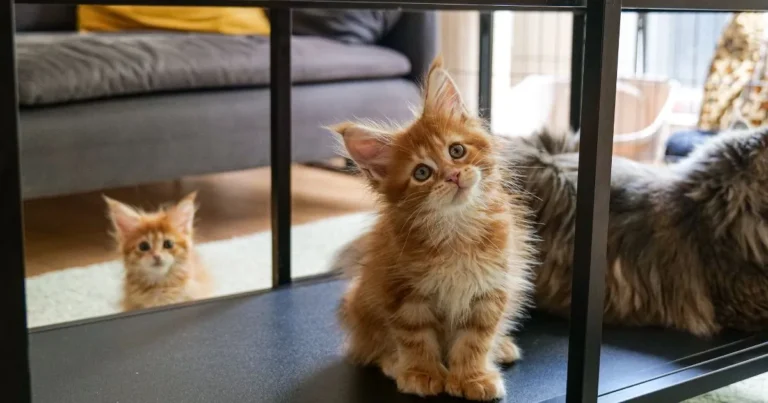
The Maine Coon cat is one of the largest and most cherished domestic cat breeds in the world. Originating from Maine, USA, it has the distinction of being the official state cat. Known as the “gentle giant,” this breed is characterized by its impressive size, long fluffy coat, tufted ears, and friendly nature.
Adult Maine Coon males typically weigh between 13 and 20 pounds, while females are usually 8 to 15 pounds. This breed matures slowly, often taking 3 to 5 years to reach full size. With a lifespan of 12 to 15 years, Maine Coons are celebrated for their intelligence and affectionate personalities. They tend to get along well with children and other pets. Their thick, water-resistant coats are beneficial in colder climates but require regular grooming to stay healthy and prevent matting.
Maine Coon Physical Characteristics & Temperament
| Aliases: Gentle Giant Temperament: The Maine Coon cat is known for its friendly, gentle demeanor, often displaying traits reminiscent of a dog’s behavior. Weight Range: 13-20 pounds(males), 8-15 pounds ( females) Length: Measures around 19 to 30 inches in total length. Fur Description: The coat is thick and fluffy, featuring a silky texture that hangs smoothly. Coat Colors: Available in a variety of hues including solid colors (white, black, blue, red, and cream), tabby patterns (classic, mackerel, and ticked), bi-colored combinations (black and white, blue and white, red and white, cream and white), and parti-colored options (tortoiseshell and blue-cream). Additionally, color variations can include shaded and smoke patterns, as well as combinations with white such as calico and tortoiseshell. Eye Colors: Eye color can vary with the coat and may range from green, gold, and copper to blue or even odd-eyed appearances. Lifespan: The Maine Coon cat typically enjoys a lifespan of 12 to 15 years. Hypoallergenic Status: Not considered hypoallergenic. Origin: This breed hails from the United States. |
Main Coon Cat Appearance and Size
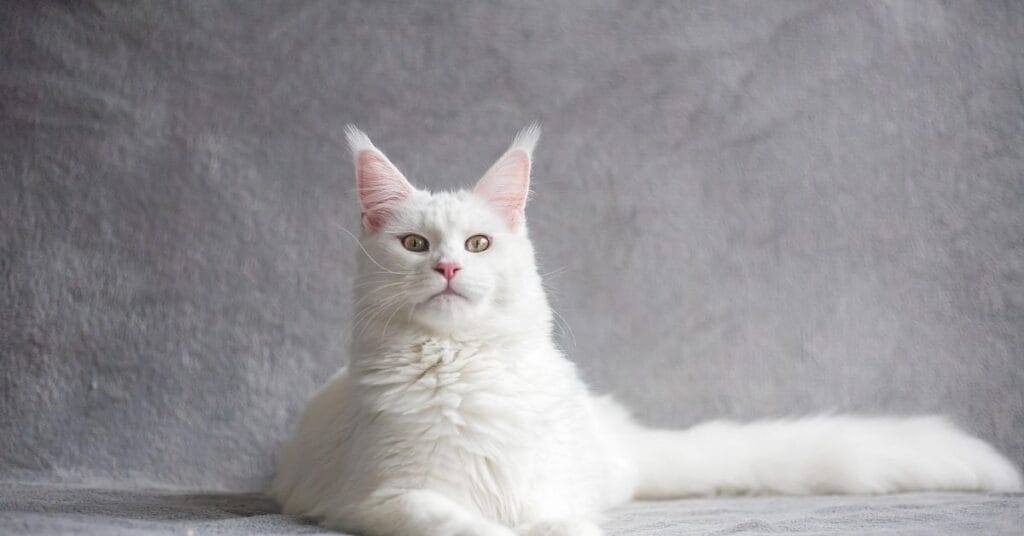
The Maine Coon cat is often considered one of the largest domestic cat breeds. Known as the “gentle giant,” this breed blends size, a calm temperament, and friendliness. With a long, rectangular body supported by sturdy legs and a broad chest, Maine Coons exude a powerful yet graceful presence.
Maine Coon males typically weigh between 13 and 25 pounds, while females range from 8 to 14 pounds. Unlike many other cat breeds, Maine Coons mature more slowly, often taking three to five years to reach their full size.
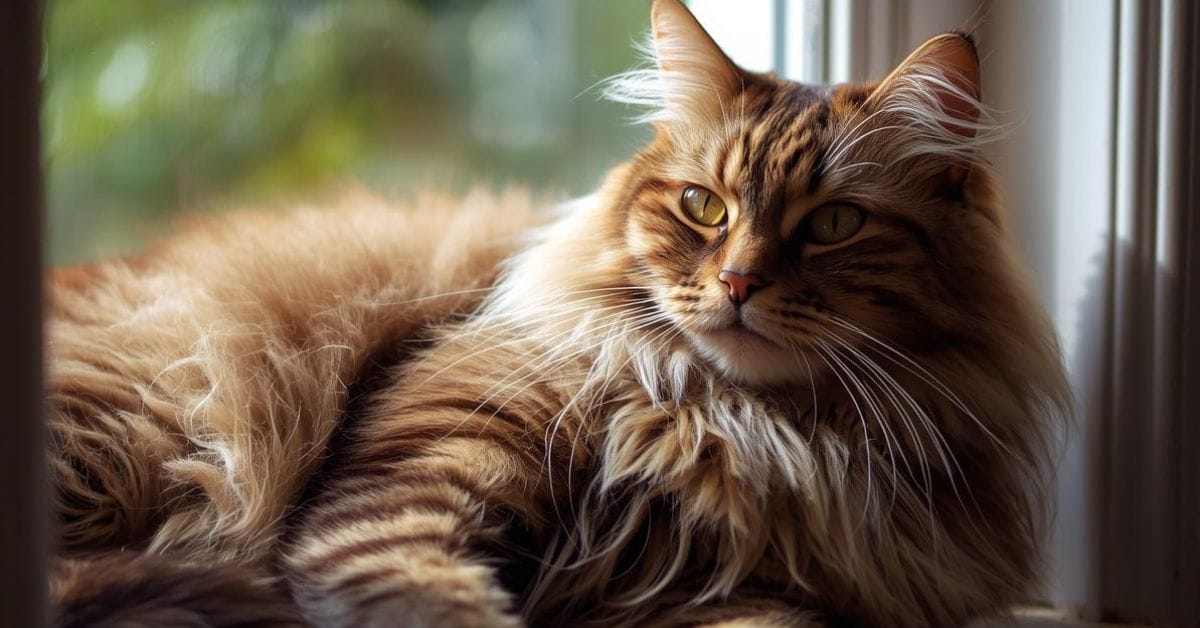
A key feature of the Maine Coon cat is its long, bushy tail, which can be almost as long as its body. This breed has large ears set high on its head, often with tufts similar to a lynx. Their striking eyes and pronounced cheekbones add to their unique look. Their thick, water-resistant double coat helps them thrive in colder climates, and large, tufted paws improve their stability in snowy conditions.
Additionally, some Maine Coons exhibit polydactylism, having extra toes, a trait more common in this breed than others.
Maine Coons are known for their remarkable intelligence and sociable nature. They frequently rank as some of the most intelligent cat breeds, making them fast learners and relatively simple to train.
History of the Maine Coon Cat
The Maine Coon cat is thought to have developed naturally in the northeastern U.S. Despite common myths suggesting they are hybrids of bobcats or raccoons, Maine Coons are completely domestic cats. They originated from felines that early settlers brought with them. These cats are notable for their large size and strong structure, featuring a thick, shaggy coat that keeps them comfortable in harsh winter weather.
These cats likely enjoyed popularity throughout New England, but they became especially notable in Maine. Starting in the 1860s, farmers began to exhibit their “coon cats” at the Skowhegan Fair, the oldest continuously running agricultural fair in the U.S., which began in 1818. At this fair, the ancestors of today’s Maine Coons competed for the title of Maine State Champion Coon Cat.
A famous Maine Coon, a female brown tabby named Cosey, won America’s first cat show at Madison Square Garden in New York City on May 8, 1895. The Cat Fanciers’ Association included the Maine Coon in its first stud book and breed registry in 1908, labeling it as a foundational breed (then known as “Maine Cats”). The International Cat Association also recognizes this breed. In 1985, the Maine Coon was officially named the state cat of Maine.
Maine Coon Cat Care
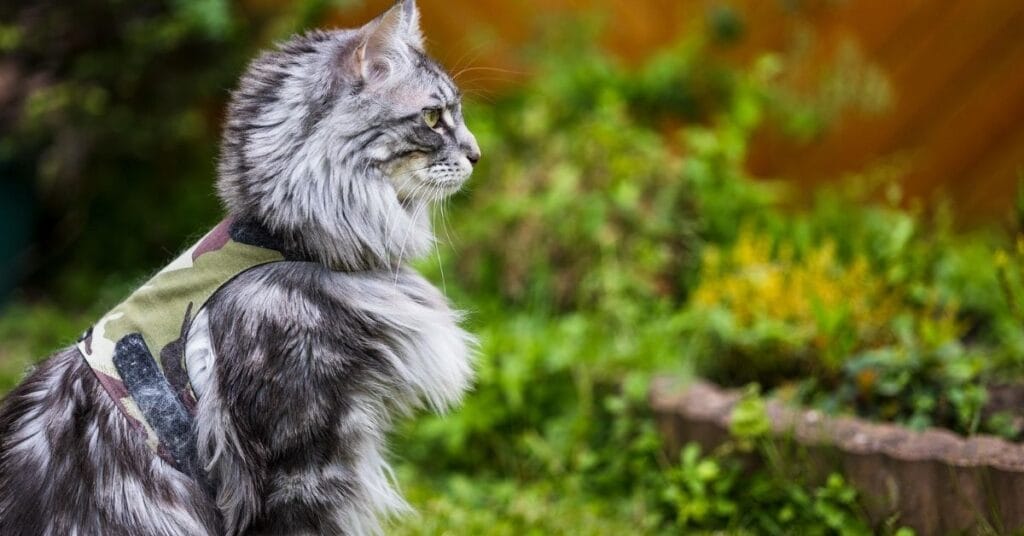
The Maine Coon cat features a lengthy, water-repellent fur that provides excellent protection against chilly and damp conditions. Although their dense coat can lead to shedding, a weekly brushing is usually sufficient to manage it, while infrequent baths can keep their fur clean. It’s essential to incorporate regular nail trimming and check their ears weekly as part of their grooming routine.
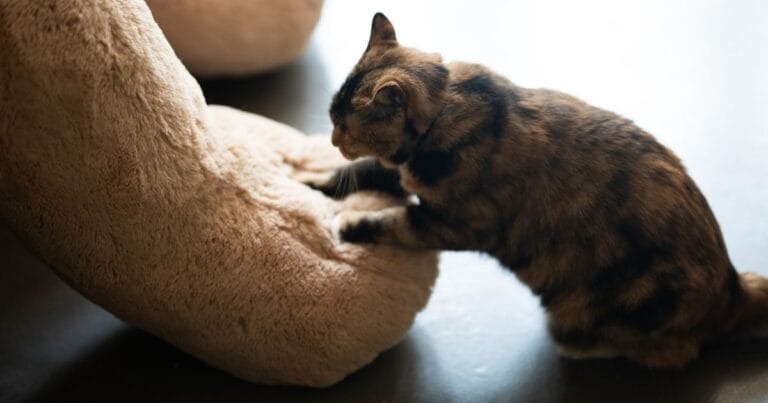
Maine Coons are playful in nature but tend not to be overly hyper; they thrive on interactive play and appreciate stimulating toys. To cater to their inherent scratching behaviors, it’s important to offer both vertical and horizontal scratching posts, which also helps to protect your furniture.
Common Health Issues
Certain purebred cats, including the Maine Coon cat, may have a higher risk of inheriting genetic health issues. While Maine Coons can be susceptible to specific medical conditions, ethical breeders implement careful selective breeding practices to mitigate these risks.
Some common health concerns include:
- Hypertrophic cardiomyopathy
- Hip dysplasia
- Spinal muscular atrophy, which is a genetic condition leading to spinal cord degeneration and muscle wasting in the hind limbs.
Genetic testing can help tackle spinal muscular atrophy. This allows breeders to spot and avoid breeding cats that have the condition or carry the gene. Responsible Maine Coon breeders make sure their adult cats receive health checks for this and other possible issues before breeding.
Nutrition for Maine Coon Cats
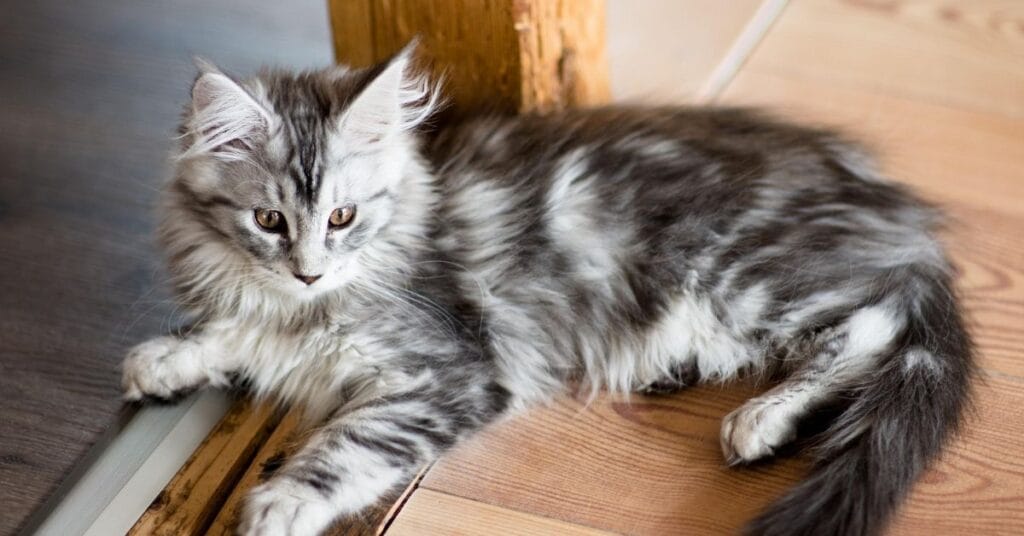
Maine Coon cats, like many strong breeds, need weight monitoring to avoid obesity. This issue usually occurs when they have constant access to food. Instead, it’s better to feed them controlled meals twice daily.
Maintaining a healthy weight is essential for all felines, but for Maine Coons — who are susceptible to hip dysplasia — keeping a trim figure may help avert or mitigate joint issues. For guidance on suitable food choices and daily portion sizes, consult your veterinarian or breeder.
The Cat Fanciers’ Association (CFA) states that Maine Coons need consistent grooming…
Maine Cone Cat Price
The price of a Maine Coon cat varies widely around the world. In the U.S., costs typically range from $2,500 to over $6,000, depending on factors such as pedigree, the breeder’s reputation, location, and the cat’s quality. Registered breeders often charge higher prices, as their kittens usually come with essential health screenings, vaccinations, documentation, and early socialization, which enhance temperament and lifespan.
The Maine Coon’s impressive size and friendly nature make them a popular pet choice. However, potential owners should also factor in ongoing expenses like food, grooming, and veterinary care.
In Pakistan, the Maine Coon is a popular breed and is seen as a luxury pet. Prices differ depending on whether the kitten is imported or born locally. Imported Maine Coons with pedigree papers usually sell for PKR 230,000 to PKR 450,000. On the other hand, locally bred or semi-pure Maine Coons cost around PKR 50,000 to PKR 150,000.
Several factors affect pricing, including the cat’s age, lineage, and location. Additionally, having vaccinations and health records can also impact the cost. Mixed-breed Maine Coons tend to be more affordable, but they may not possess the distinctive traits of purebred cats.
FAQ’s
What is the price range for a Maine Coon cat in the United States?
In the U.S., purchasing a Maine Coon kitten from a credible breeder generally ranges from $2,500 to $6,000. This price can vary based on factors such as the cat’s lineage, the breeder’s standing, and the overall quality of the kitten.
What is the price of a Maine Coon cat in Pakistan?
In Pakistan, locally bred Maine Coons usually range from PKR 50,000 to PKR 150,000, while imported purebreds can cost between PKR 230,000 and PKR 450,000.
Are Maine Coon cats good for families?
Maine Coons have a reputation for being gentle, friendly, and sociable. These traits make them great companions for families.
Do Maine Coon cats require special grooming?
Yes, due to their long, thick coat, they require regular brushing at least two to three times a week.
Why are Maine Coon cats expensive?
They are expensive because of their large size, pedigree value, health testing, breeder standards, and high demand.
Conclusion
In conclusion, the Maine Coon cat stands out as an incredible breed. These cats attract many fans due to their friendly and loyal nature. Often called “gentle giants,” they are large yet gentle. Anyone considering adopting one should know that they need regular grooming and social interaction to stay happy and healthy.
As you consider welcoming a Maine Coon into your home, remember that they not only bring joy but also require love and care in return. Explore reputable breeders and rescue organizations to find your perfect feline companion today!