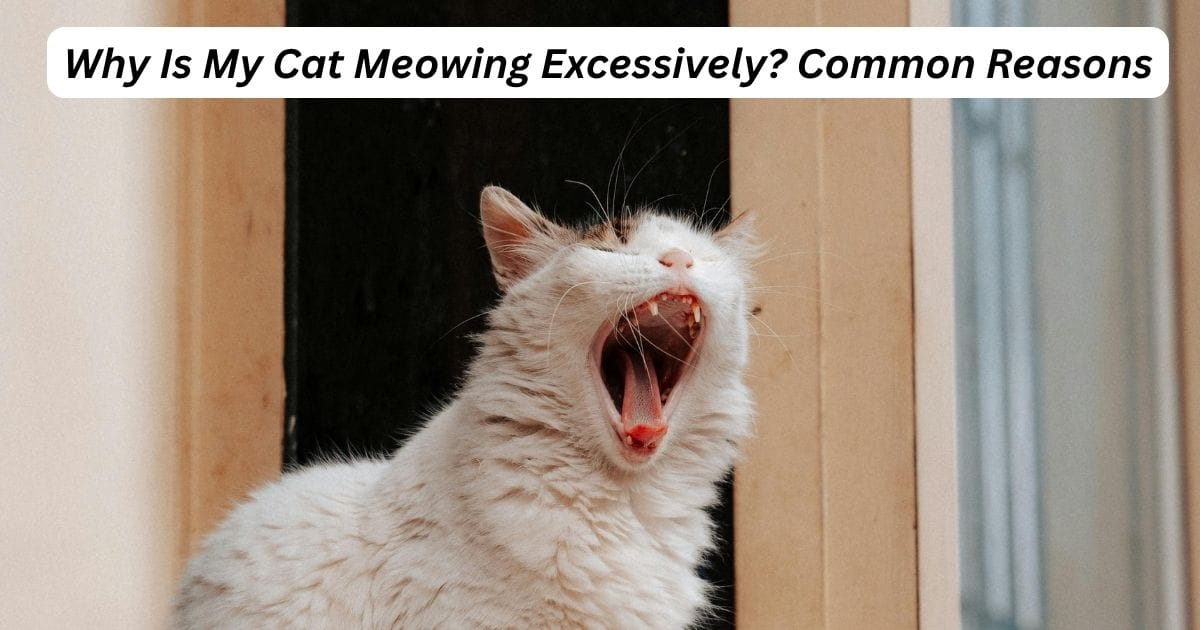
Why Is My Cat Meowing Excessively? Common Reasons
Is your cat meowing more than usual? Many cat owners encounter this common situation, as frequent vocalizations can signal various needs or issues. Understanding why your cat is meowing is essential, not only for your own peace of mind but also for your pet’s well-being and satisfaction. This article will explore the different reasons behind your cat’s vocalizations, providing insights into their communication and ensuring that they feel recognized and cared for.
Why Is My Cat Meowing: Common Reasons
There are multiple factors that could explain why your cat is meowing frequently. Investigating the situation might help you answer the question, “Why is my cat meowing?” and identify their needs.
Here are some potential factors to consider:
- Discomfort or Pain: Cats experiencing discomfort may vocalize often. If they’re in considerable pain, their meows might be sharp or high-pitched.
- Urinary Concerns: While some cats vocalize after using the litter box, others may meow near it if they feel discomfort while doing their business.
- Kidney Issues: Though less common, cats with kidney disease can become more vocal than they were in better health. Look for other signs like increased thirst or urination and decreased appetite.
- Hyperthyroidism: This disorder is prevalent in older cats and can cause them to be restless and vocal. These cats may also suffer from high blood pressure.
- Hypertension: Felines with elevated blood pressure might meow more frequently and incessantly than their healthy counterparts.
- Cognitive Dysfunction: Senior cats can experience conditions akin to Alzheimer’s, leading to unusual behaviors such as persistent meowing.
- Loss of Senses: Cats that lose their hearing or sight might become more vocal as they rely on sound to communicate and navigate their environment.
- Hunger: Cats often meow to signal their hunger, sometimes guiding their owners to food bowls.
- Water Issues: If a water bowl is empty or dirty, a cat may meow at it to indicate their thirst or urge for cleanliness.
- Loneliness or Boredom: Although less common than barking in dogs, some cats will meow to seek companionship or attention.
- Stress or Fear: Cats may vocalize out of stress, particularly during car rides, for visits to the vet, or other anxiety-inducing situations.
- Natural Instincts: Certain breeds, like Siamese or Sphynx, are naturally more vocal than others. This trait can be prominent in mixed breeds as well.
- Mating Behavior: Cats in heat can be extremely loud, with vocalizations like caterwauling during mating season.
- Seeking Attention: Many cats will meow as a way to garner attention from their owners, often expecting a response.
- Learned Behavior: Sometimes, cats learn to meow more often because they associate it with receiving what they want.
- Dirty Litter Box: Some cats will vocalize their annoyance when their litter box is unclean, effectively alerting you that it needs to be attended to.
- Desire to Play: Younger cats may bring toys to their humans alongside cheerful meows to initiate playtime.
Understanding the various reasons behind why your cat is meowing so much can help you address their needs effectively.
Why Is My Cat Meowing at Night
Cats primarily exhibit crepuscular behavior, meaning they are most lively during the dawn and dusk periods. This instinctual trait can result in your cat waking you up with loud cries, particularly around 4 a.m. Many cats meow at night due to reasons like boredom, frustration, or a need for companionship or food.
If you’ve been asking yourself, “why is my cat meowing” during the night, it’s important to refrain from reacting to their vocalizations unless there’s a true emergency. While you may want to quiet them down, responding can reinforce their meowing. Your cat might begin to link meowing with getting attention or fulfilling needs, which can lead to ongoing nighttime disturbances.
Furthermore, frequent meowing at night can sometimes suggest underlying health issues. Conditions such as hypertension, hyperthyroidism, or cognitive dysfunction syndrome are often associated with excessive vocalization in cats.
Why Is My Kitten Meowing So Much?
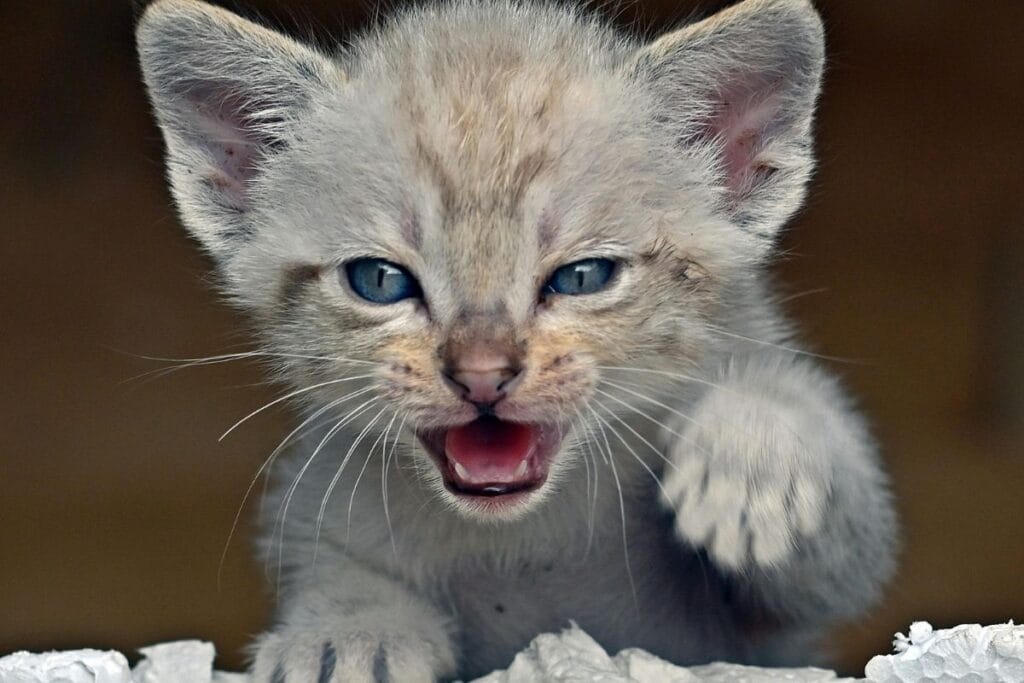
Kittens tend to be noisier than adult cats, primarily because they are in the process of developing their communication abilities. Their meows usually express a variety of needs, including hunger, a request for attention, or an urge to play.
Additionally, a kitten that is stressed or agitated is likely to vocalize more than an older cat. If your kitten is still distressed after being fed, hydrated, and played with, and you’re asking, “why is my cat meowing?”, consider consulting a veterinarian for guidance. They can help rule out any underlying pain or health issues.
Hunger and Cat Meowing
If you’ve noticed that your cat is constantly meowing for food and appears to be losing weight, this behavior could indicate a potential health problem. This is particularly common in cats that are middle-aged or older and may be associated with conditions like hyperthyroidism, diabetes, kidney disease, or high blood pressure. If you’re curious about “why is my cat meowing,” it’s important to consult a veterinarian for a comprehensive assessment.
Changes in Meowing Patterns
An observable shift in your cat’s meow, like a hoarse tone, may indicate an issue. The most frequent cause is an upper respiratory infection, which can give your cat a scratchy voice, similar to a human experiencing a cold. Other common symptoms may include:
- Watery eyes
- Nasal discharge
- Sneezing
- Decreased appetite
In some instances, inflammation of the larynx can lead to laryngitis, which might cause a temporary loss of voice. More serious issues could entail laryngeal paralysis or tumors. Therefore, any noticeable change in your cat’s vocalization warrants a visit to the vet for evaluation.
Loud Meowing in Male Cats
Unneutered male cats frequently vocalize through meowing or yowling as part of their mating behavior, which is influenced by hormonal activity. This behavior typically diminishes after the cat is neutered. Additionally, spayed females may sometimes yowl to indicate their readiness to mate. If your male cat’s persistent meowing raises the question of “why is my cat meowing,” it could largely be due to his intact status.
How to Reduce Excessive Cat Meowing
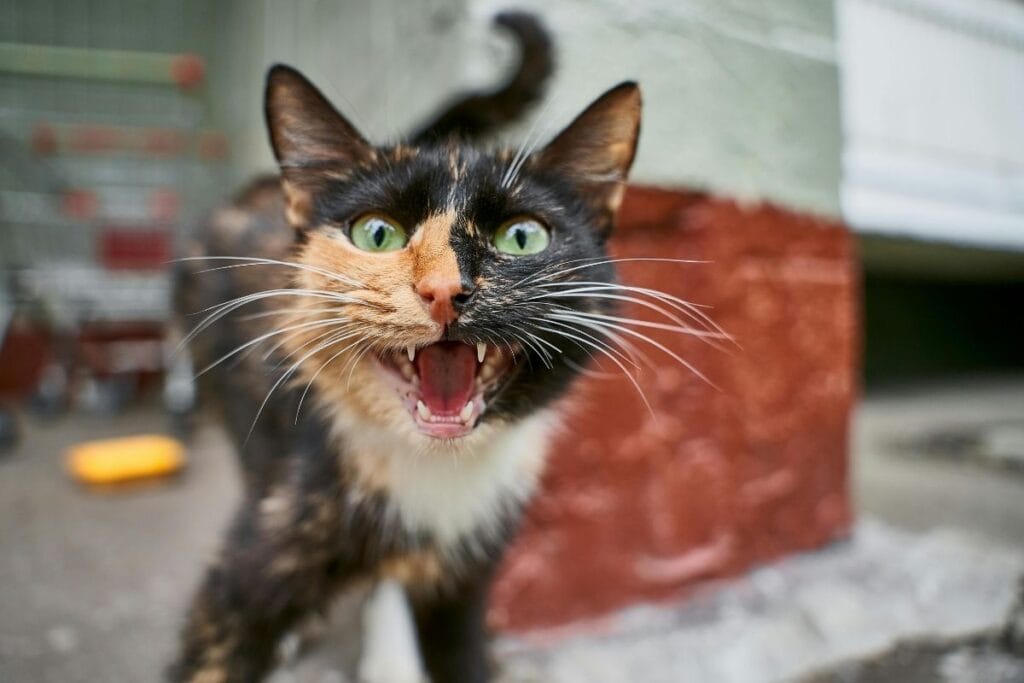
Wondering why is my cat meowing excessively? It’s important to delve into the underlying reasons for this vocal behavior.
Cats often meow to express specific needs or important messages.
Ensure All Needs Are Addressed: Start by confirming that your cat’s basic requirements are being met. This includes providing adequate food, fresh water, a clean litter box, regular attention, playtime, and sufficient exercise. If dirty water is an issue, consider investing in a water fountain to maintain freshness.
Look for Signs of Stress or Pain: Pay attention to any indications that your cat may be experiencing stress or pain. A noticeable shift in their behavior, including increased meowing, warrants a visit to the veterinarian.
Avoid Encouraging the Behavior: Once you have determined that your cat is neither in distress nor lacking in their needs, try not to reward their meowing for attention. Instead, focus on distractions until they settle down and are quiet.
Questions to Consider
Reflect on the context of your cat’s meowing:
- Timing: Is there a specific trigger, like someone returning home, or does it occur at night?
- Location: Is your cat meowing in particular spots, like the litter box or doorway?
- Spaying/Neutering Status: Is your cat altered? Hormonal influences can encourage vocalization.
- Breed: Cats like Siamese are known for being vocal. Is your cat part of a chatty breed?
- Litter Box Condition: A dirty litter box can lead to clear signs of dissatisfaction.
- Food and Water: Ensure your cat’s food and water are sufficient and clean.
- Desire to Play: Cats may meow to initiate playtime or while presenting a toy.
When to Consult a Veterinarian
Figuring out the right moment to consult a veterinarian can be difficult. Here are some guidelines:
- If your male cat struggles to urinate while meowing, it could indicate a serious urinary blockage — seek immediate care.
- If your cat is meowing and showing signs of pain, discomfort, or rapid breathing, it’s essential to get veterinary help right away. Understanding why is my cat meowing could be crucial for their health.
- If you observe changes in weight, appetite, or behavioral aspects, a prompt vet appointment is advisable.
- If it’s unclear why your cat is meowing excessively, don’t hesitate to call your vet — trust your instincts regarding your pet’s wellbeing.
Veterinary Diagnosis for Excessive Meowing
Sometimes, the question of why is my cat meowing could indicate health problems that necessitate a visit to the vet. It’s crucial to recognize that various reasons may contribute to this vocal behavior.
A veterinarian will typically take a comprehensive approach, starting with an in-depth questionnaire followed by a physical examination of your cat. The vet will compare your pet’s current weight and vital signs against historical records. If a medical issue is suspected, further tests such as blood tests and urinalysis might be advised. This can help determine why your cat is meowing.
On the other hand, if the behavior seems more likely to stem from non-medical reasons, the vet might still suggest lab tests to rule out any health concerns and ensure appropriate handling. After a diagnosis is reached, a customized treatment strategy can be developed, which may include calming pheromones, dietary changes, medication, behavior modification techniques, or enhancing your cat’s environment.
Conclusion
If you’ve noticed your cat meowing more frequently, consider various factors like potential health issues or changes in their environment. Keep an eye on other behaviors and any recent changes to their daily schedule to help identify the cause. While some degree of vocalization is typical, frequent meowing could indicate a desire for attention or signs of distress. Should this behavior persist or become worrisome, consulting a veterinarian is advised to rule out any underlying health concerns.