Why Do Cats Knead? Adorable Behavior Explained
Have you ever watched your cat rhythmically push their paws against a soft surface and wondered, “Why do cats knead?” This endearing behavior, often referred to as “making biscuits,” is more than just a quirky cat trait; it reveals deep-seated instincts and emotional connections. Understanding the reasons behind kneading can enhance your relationship with your feline friend and provide insights into their behavior. In this article, we’ll explore the science behind cat kneading, its significance in their lives, and what it means for you as a pet owner.
Why Do Cats Knead?
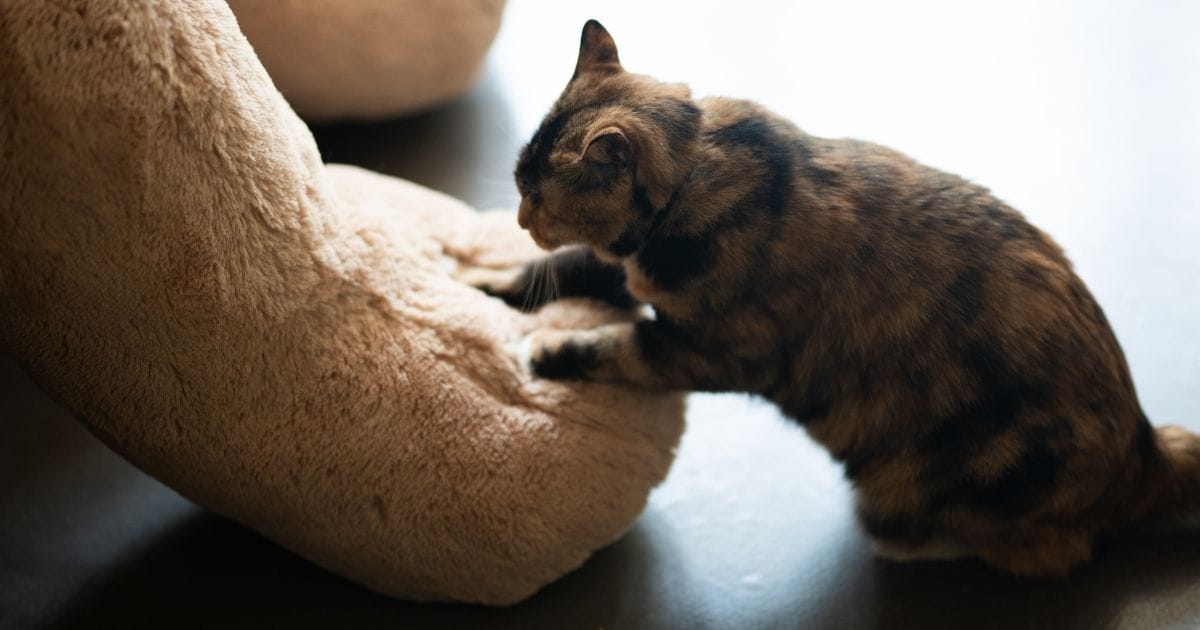
Exploring why do cats knead sheds light on their instincts and emotional behavior. This kneading behavior is largely tied to a comforting instinct rooted in their early kittenhood. When kittens knead their mother’s belly, they help stimulate milk flow while nursing. This behavior often continues into adulthood as a way to self-soothe, echoing those early nurturing moments. The repetitive motion resembles a massage, promoting feelings of safety and relaxation for your cat.
Moreover, kneading acts as a method of marking territory. Cats have scent glands in their paws, and by kneading, they spread their scent, signifying ownership and inviting familiarity. This action is most noticeable when they knead soft surfaces, such as blankets or human laps, which provide comfort. In essence, observing your cat knead reveals a mix of instinct, affection, and communication, offering insight into their emotional landscape.
Why Do Cats Knead Their Paws?
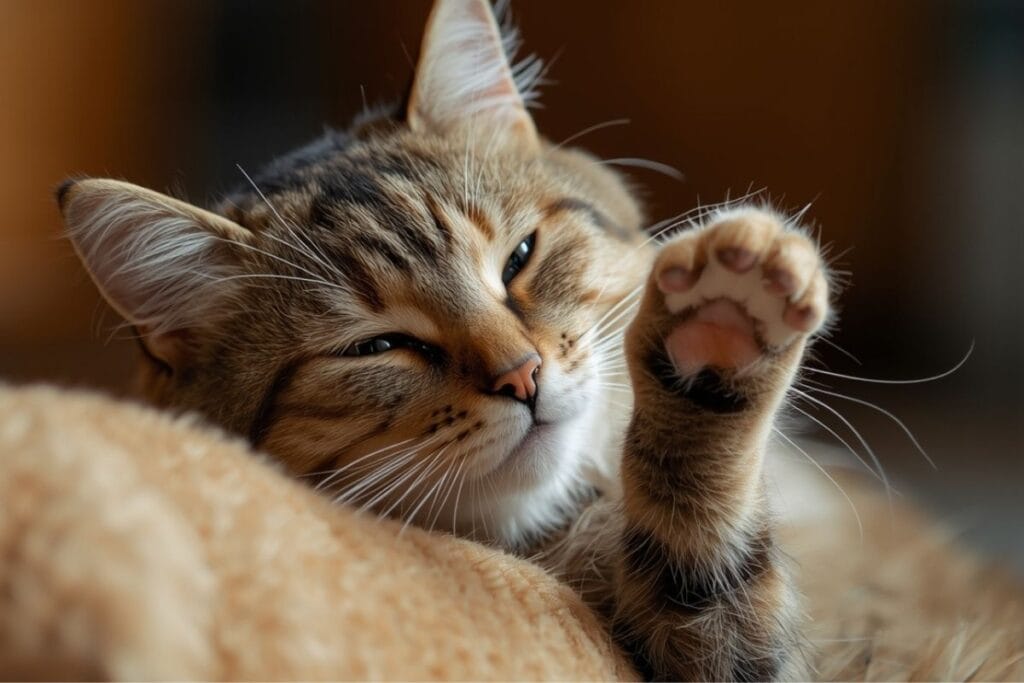
Cats exhibit a behavior known as kneading, and several theories have emerged to explain this fascinating action.
Kneading as a Nostalgic Behavior from Kittens
The kneading instinct in cats often traces back to their early development. Kittens knead to stimulate milk flow while nursing from their mother. This behavior, accompanied by the soothing presence of their mother’s pheromones, fosters a sense of security and relaxation in young felines. Many adult cats retain this behavior as a comforting ritual, effectively recreating that same feeling of tranquility from their formative years.
Kneading and Preparation for Sleep
Kneading extends beyond mere nostalgia; it also serves a functional purpose. In the wild, feline species frequently knead soft grasses or suitable bedding as a prelude to sleeping. Similarly, domestic cats engage in this behavior on their beds, blankets, and preferred spots, helping them relax and settle in for a restorative nap.
In summary, kneading is both a comforting remnant of kittenhood and a natural behavior that aids cats in preparing for sleep. Understanding why cats knead can deepen our appreciation for these charming and complex creatures.
Why Do Cats Scent Mark?
Cats, which are descendants of a solitary ancestor, have adapted their behavior to minimize conflicts with other animals, favoring communication over longer distances. This adaptation has limited their visual signaling capabilities, prompting them to rely more on scent as a means of expressing themselves.
Scent marking serves several key purposes for cats:
- Territorial Claim: Marking territory is a significant aspect of a cat’s daily routine, both indoors and outdoors. This behavior helps them establish and maintain their personal space.
- Mate Attraction: Both male and female cats may engage in spraying as a way to attract potential mates, particularly if they have not been neutered. This is a common occurrence during mating cycles.
- Social Recognition: Cats use scent to identify and connect with other members of their social group. This is often observed through behaviors such as grooming, cuddling, nuzzling, and tail wrapping.
As for the question, Why do cats knead? Kneading is a behavior that originates from kittenhood, when they knead their mother’s belly to stimulate milk flow. Adult cats often continue this behavior as a source of comfort, marking their territory, or expressing contentment.
Marking Their Territory
Cats possess scent glands located between their paw pads, which play a crucial role in how they establish their territory. When cats knead on various surfaces — whether it’s furniture or a person — they transfer their distinctive scent onto these areas. This behavior serves as a method for cats to signal ownership, especially if other felines come by in search of resources.
Relieving Muscle Tension
Another perspective offered by experts suggests that kneading allows cats to stretch their limbs and alleviate tension. This natural behavior may help maintain muscle health and promote overall comfort.
Why Do Cats Knead Blankets and Soft Objects?
Cats often knead on blankets and other soft materials for several reasons:
- Relaxation and Stress Relief: Kneading on plush surfaces can evoke memories of nursing, allowing cats to experience a sense of calm. This action may also trigger the release of soothing chemicals, contributing to their relaxation.
- Preparing Their Sleeping Area: This behavior mimics actions seen in wild cats, where they manipulate bedding materials to create a comfortable sleeping environment.
- Claiming Ownership: By kneading soft objects, cats can mark these items with their unique pheromones. The scent deposited from their paw glands serves to establish their personal territory.
If you’d like to discourage kneading on your own blankets, providing designated cat blankets may help satisfy your feline’s instinctive behavior.
Why Do Cats Knead on You?
Cats commonly engage in a behavior called kneading, which serves several purposes. When your feline kneads on you — much like they do on soft surfaces — it can be a way to relax, relieve stress, or prepare their resting area.
You might see your cat kneading your lap or stomach before settling down to sleep, showcasing their comfort with you. This action also reflects affection, reminiscent of their kittenhood when they kneaded their mother’s belly for milk. It indicates that your cat feels safe and secure in your company.
Additionally, cats have scent glands in their paws, allowing them to mark you with their unique scent while kneading, reinforcing their territorial bond with you.
Understanding why cats knead highlights that this action involves relaxation, affection, security, and marking territory, deepening your bond with your pet.
How To Stop a Cat From Kneading?
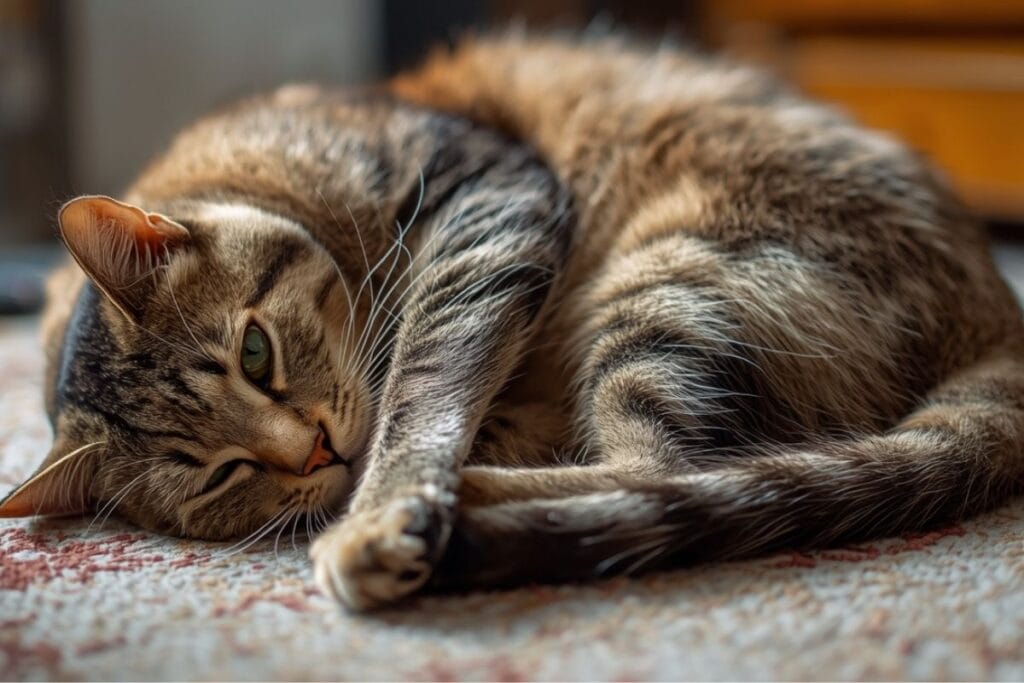
Many cats engage in kneading, a behavior often referred to as “making biscuits,” which involves pushing their paws in and out against a surface. While it’s a natural instinct for cats, it can sometimes lead to discomfort if your cat kneads on your bare skin or your furniture. Here’s how to encourage this behavior in a safe way.
Reasons Why Cats Knead?
Kneading is a primal behavior that originates from kittenhood, where it helps stimulate milk flow from their mother. Adult cats may knead for comfort, contentment, or to mark their territory with scent glands in their paws. However, kneading can sometimes stem from stress or anxiety.
Consult Your Veterinarian
If you notice that your cat’s kneading is excessive or appears related to anxiety, consulting your veterinarian is essential. They can evaluate your cat for any underlying health issues or anxiety disorders. Options such as medications, calming supplements, or pheromone diffusers like Feliway may be recommended to help manage anxiety.
Don’t: Punish Your Cat
It’s crucial to refrain from punishing your cat for kneading. Yelling, hitting, or using squirt bottles can lead to stress and fear, potentially exacerbating the problem. Remember, kneading is a normal cat behavior, and punitive actions will not effectively resolve it.
Encourage Positive Kneading
To help redirect your cat’s kneading to appropriate places, provide suitable surfaces like a soft blanket or a designated cat bed. When your cat kneads in these areas, consistently offer praise and rewards. Positive reinforcement will encourage them to use these designated spots instead of your skin or furniture.
Refrain from Declawing
Declawing is not a viable solution for managing kneading behavior. This painful procedure removes the tips of the cat’s toes and can result in long-term complications, including pain and mobility issues. Instead, focus on other solutions that maintain your cat’s well-being.
Maintain Claw Care
Trimming your cat’s claws is crucial to prevent discomfort and protect your skin and furniture when they knead. Start nail trimming while they’re young, using treats for a positive experience.
If your cat’s kneading is painful, try using a blanket on your lap to shield yourself. This way, your cat can express their natural behavior without causing you discomfort.
Cat Kneading FAQs
Why do cats knead with their paws?
Cats knead as a natural instinct, often inherited from kittenhood. It’s a comforting behavior that mimics their early nursing days, providing them a sense of security.
Is kneading a sign of happiness in cats?
Yes, kneading typically indicates that a cat is feeling relaxed and content. It’s often seen when they are cozy or in a comfortable environment
Is it normal for older cats to knead more often?
Yes, older cats may knead more often as they seek comfort and reassurance, especially if they are experiencing changes in their environment or health.
Do all cats knead?
Not all cats knead, but many do. The behavior varies between individual cats and can depend on their history and temperament.
Conclusion
Kneading is an intriguing behavior observed in cats, rooted in their early experiences as kittens. This action serves various purposes throughout their lives, signifying not only contentment but also aiding in territory marking and sleep preparation. Each cat engages in kneading for unique reasons, shedding light on their emotional states and instincts. By paying attention to this ritual, you can deepen your bond with your pet and gain a greater appreciation for their behavior. Understanding why do cats knead enriches the experience of witnessing this expressive action.
Explore More: Why Is My Cat Meowing? | Why Is My Cat Not Eating?