
White German Shepherd: Price, Temperament, Training & Care
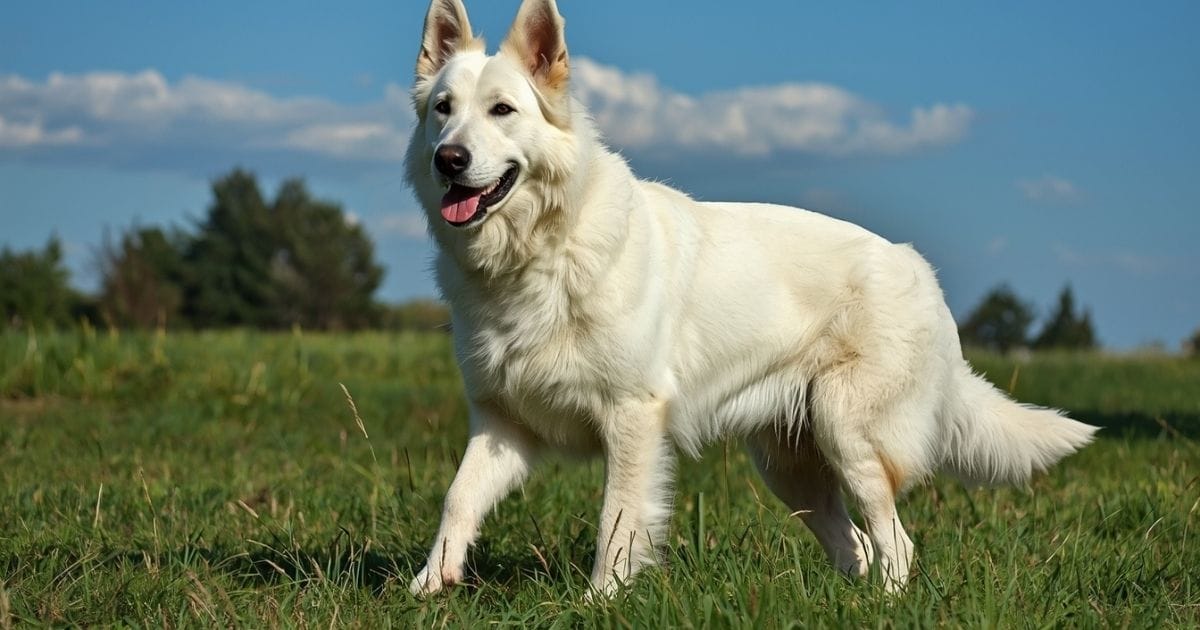
If you have ever observed a large dog with a striking white coat, standing confidently and gazing alertly, you are likely familiar with the White German Shepherd. Their impressive appearance and strong demeanor make them one of the most visually appealing dog breeds.
It is essential to note that the White German Shepherd is not a distinct breed; rather, it is a color variation of the popular German Shepherd Dog. In this informative guide, we will delve into various aspects of the White German Shepherd, including their history, temperament, care requirements, dietary needs, health considerations, and costs associated with ownership.
Consider the Black German Shepherd, a distinctive breed known for its sleek all-black coat.
History and Origins: The Story of Greif and Max von Stephanitz
The White German Shepherd has its origins in the formative years of the German Shepherd breed. This breed was established by Max von Stephanitz, who aimed to create the quintessential working dog.
A significant ancestor, Greif, possessed the gene responsible for the breed’s white coat, playing a vital role in its early genetic makeup.
Key Points:
- The white coat is a naturally occurring genetic trait, not a mutation.
- Many early German Shepherds carried this gene.
- In certain breed standards, the white color was eventually discouraged.
- The gene remains present in the contemporary breed.
Today, White German Shepherds are valued for their grace and loyal demeanor.
Physical Appearance
The White German Shepherd shares the same physical framework as the typical German Shepherd, but their distinctive coloration makes them unique.
Distinctive Characteristics:
- Features a double coat
- Possesses a dense undercoat
- Outer coat can be straight or slightly wavy
- Exhibits a pure white hue, which can vary from vivid white to cream
- Characterized by a black nose and dark eyes, enhancing their facial contrast
- Displays a strong and athletic physique, optimized for both endurance and agility
Size Overview:
- Males typically measure between 24 and 26 inches tall
- Females usually range from 22 to 24 inches
- Weight spans from 50 to 90 pounds
These dogs embody a blend of strength, elegance, and balance through their physical presence.
Temperament & Personality: Are They Good Family Dogs?

White German Shepherds are recognized for their serene and loving disposition. Compared to traditional German Shepherds, they tend to exhibit a softer demeanor.
Key personality characteristics include:
- Highly intelligent and quick to grasp new concepts
- Deeply loyal and protective of their families
- Calm and sociable, making them great family companions
- Generally good with kids when properly socialized
- Alert yet not excessively aggressive
These dogs develop strong connections with their owners and flourish in a family setting. Early socialization is crucial to help them become well-mannered pets.
Exercise and Training Requirements for a Healthy Lifestyle
White German Shepherds are energetic dogs that thrive on consistent training and physical activity.
Training Recommendations:
- Implement positive reinforcement strategies.
- Use treats and verbal praise to acknowledge good behavior.
- Begin training sessions at an early age.
- Maintain consistency and demonstrate patience throughout the process.
Exercise Guidelines:
- Aim for 60 to 90 minutes of physical activity each day.
Recommended Activities:
- Walking or jogging
- Playing fetch
- Engaging in agility training
- Participating in mentally stimulating games
Without adequate exercise, White German Shepherds may resort to behaviors linked to boredom, such as excessive chewing or barking.
Grooming and Maintenance
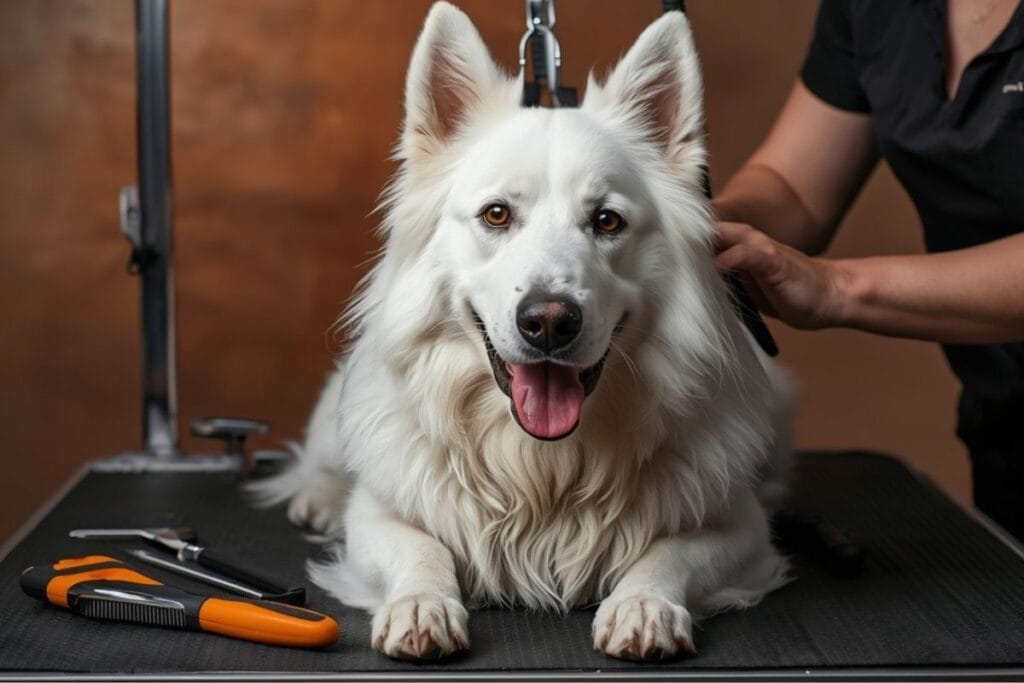
To ensure your White German Shepherd has a clean and vibrant coat, regular grooming is essential.
Grooming Schedule:
- Brush your dog 3 to 4 times each week.
- Increase brushing to daily during periods of significant shedding.
- Bathe your White German Shepherd every 4 to 6 weeks.
Care Recommendations:
- Always use a shampoo that’s safe for dogs.
- Clean your dog’s coat after outdoor activities to remove dirt and debris.
- Keep nails properly trimmed.
- Regularly check and clean ears and teeth.
Due to their tendency to shed, particularly during seasonal transitions, maintaining a consistent grooming routine helps manage loose fur and ensures your White German Shepherd’s coat remains bright and healthy.
Diet & Nutrition
A nutritious diet serves as the cornerstone for a vibrant and active White German Shepherd. Given their large, energetic, and muscular build, these dogs have elevated nutritional requirements compared to many other breeds. The right food, offered in appropriate portions, significantly influences their energy levels, coat health, immune function, and longevity.
Protein
High-quality protein stands out as the most crucial nutrient for a White German Shepherd. It plays a vital role in muscle growth, tissue repair, and maintaining an active, strong physique. When selecting dog food, ensure that a real meat source — like chicken, beef, lamb, or fish — appears as the primary ingredient.
Healthy Fats
In addition to protein, healthy fats are essential. Omega-3 and Omega-6 fatty acids, which can be found in fish oil and flaxseed, enhance coat luster, mitigate inflammation, and promote cognitive health.
Carbohydrates
Nutritious carbohydrates from options such as brown rice, sweet potatoes, and oats offer sustained energy while helping to prevent unwanted weight gain.
Vitamins and Minerals
Essential vitamins and minerals, including calcium, phosphorus, and vitamin E, contribute to strong bones, joint well-being, and a robust immune system. This is particularly crucial for a breed that is at risk for conditions like hip and elbow dysplasia.
It’s important to steer clear of low-quality fillers, artificial additives, and ingredients such as corn syrup or animal by-products, as these can provide empty calories and may lead to allergies in sensitive dogs.
Food and Feeding Guide
Ensuring your White German Shepherd receives appropriate nutrition is crucial. Another key aspect to consider is understanding the optimal timing and methods for feeding a White German Shepherd. These elements play a crucial role in ensuring their long-term health and overall well-being.
Feeding Schedule by Age
| Age | Meals Per Day | Portion Size |
|---|---|---|
| 8 weeks – 3 months | 4 meals/day | Small portions (1/2 to 3/4 cup) |
| 3 – 6 months | 3 meals/day | Medium portions (3/4 to 1 cup) |
| 6 – 12 months | 3 meals/day | Larger portions (1 to 1.5 cups) |
| 1 – 7 years (Adult) | 2 meals/day | 1.5 to 2.5 cups per meal |
| 7+ years (Senior) | 2 meals/day | 1 to 2 cups per meal (lower calorie) |
Recommended Nutritional Sources
| Food Type | Best Sources |
|---|---|
| Protein | Chicken, Beef, Lamb, Fish |
| Healthy Fats | Fish Oil, Flaxseed, Omega-3 Supplements |
| Carbohydrates | Brown Rice, Sweet Potatoes, Oats |
| Fruits & Vegetables | Carrots, Apples (seedless), Spinach, Blueberries |
Foods to Avoid
| Harmful Food | Risk |
|---|---|
| Chocolate | Toxic to dogs; may be fatal |
| Onions & Garlic | Damages red blood cells |
| Grapes & Raisins | Can lead to kidney failure |
| Alcohol | Highly dangerous |
| Processed Junk Food | Can cause obesity and digestive issues |
Hydration and Treats
White German Shepherds are a unique variation of the standard breed, easily recognizable due to their striking white fur. They share the same high level of intelligence and physical prowess as their traditional counterparts, making them excellent choices for service roles and as loyal companions.
Renowned for their steadfast loyalty and protective instincts, White German Shepherds are also appreciated for their calm demeanor and adaptability. Their eye-catching appearance, combined with these admirable traits, has made them a popular choice among dog lovers globally.
Common Health Issues and Lifespan
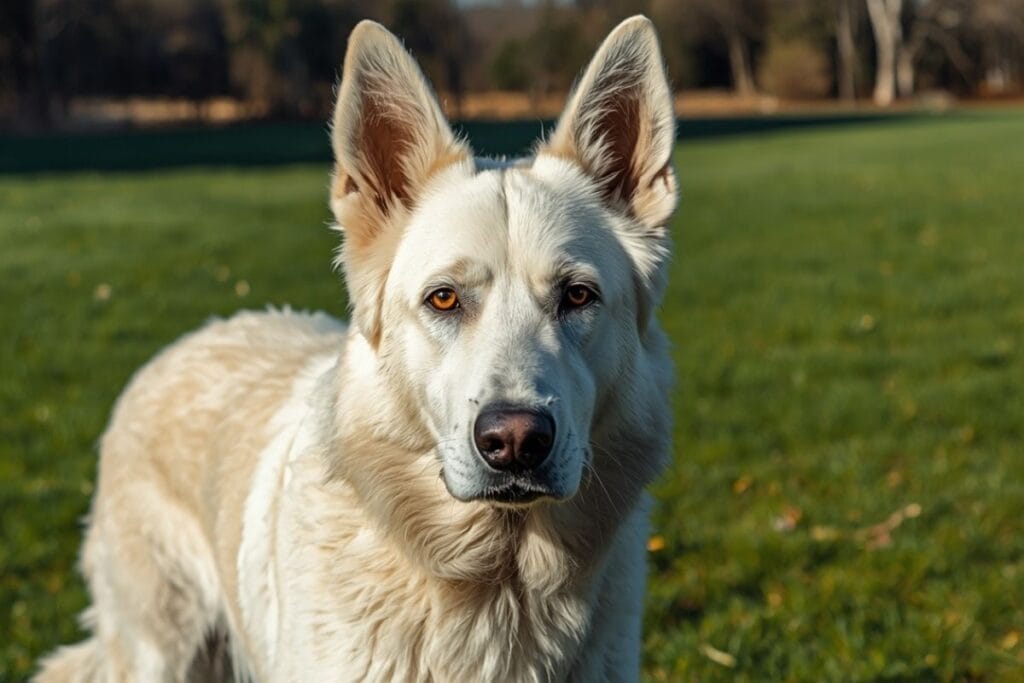
With proper care and attention, White German Shepherds typically live between 12 to 14 years.
Common Health Issues
- Hip Dysplasia: This inherited condition involves improper formation of the hip joint, potentially leading to pain and mobility difficulties.
- Elbow Dysplasia: Like hip dysplasia, this genetic issue affects the elbow joint and may result in discomfort and a decrease in physical activity.
- Bloat (Gastric Torsion): This severe and life-threatening condition occurs when the stomach twists, causing gas accumulation and restricting blood circulation.
- Skin Allergies: Allergic reactions can cause skin irritation and discomfort, often requiring veterinary intervention.
- Degenerative Myelopathy: A progressive disorder that impacts the spinal cord, leading to difficulties with movement and coordination.
By being aware of these health issues, owners of White German Shepherds can take preventive steps and seek prompt veterinary assistance when necessary.
Preventive Measures
- Regular Veterinary Checkups: Routine visits to the veterinarian can help in detecting problems early on.
- Maintaining Healthy Weight: Keeping your White German Shepherd at a healthy weight is crucial for their overall wellbeing.
- Daily Exercise: Consistent physical activity is essential for promoting good health and maintaining fitness levels.
- Choosing a Trustworthy Breeder: Selecting a reputable breeder can lessen the risk of genetic health conditions.
Utilizing proactive measures and emphasizing early detection are vital for managing health concerns in your White German Shepherd.
White German Shepherd Price Guide 2026 (USA, UK, Pakistan, India)
| Country | Price Range (USD) |
|---|---|
| USA | $800 – $2,500 |
| UK | $900 – $2,800 |
| Pakistan | $150 – $600 |
| India | $200 – $700 |
White vs Standard German Shepherd: Key Differences
| Feature | White German Shepherd | Standard German Shepherd |
|---|---|---|
| Coat Color | White | Black & tan, sable, etc. |
| Temperament | Slightly calmer | More intense and driven |
| Recognition | Limited in some clubs | Widely recognized |
| Purpose | Companion dog | Working dog |
| Popularity | Less common | Very common |
Conclusion
In conclusion, the White German Shepherd is an outstanding breed worthy of consideration regarding costs, personality, training, and overall care. With their striking looks and a caring but alert demeanor, they make great companions for families and individuals alike. Prospective owners should note their need for regular exercise and mental engagement. If you believe a White German Shepherd suits your way of life, reach out to breeders or shelters for information on bringing one into your home.
For those who prefer smaller dogs, consider the Mini Australian Shepherd — an intelligent and energetic companion.
FAQ’s
What character traits define a White German Shepherd?
White German Shepherds are recognized for their loyalty, intelligence, and loving nature. They strike a balance between being protective and sociable, which makes them wonderful companions for families.
What is the trainability of White German Shepherds?
White German Shepherds are remarkably trainable, thanks to their sharp intellect and desire to make their owners happy. Early socialization and consistent training approaches are essential for optimal results.
Do White German Shepherds get along well with kids?
Absolutely. They are generally affectionate, fun-loving, and protective, which makes them great companions for families.
What health problems frequently affect White German Shepherds?
These dogs may have a tendency towards hip and elbow dysplasia, along with various inherited conditions. Ensuring regular veterinary visits and maintaining a healthy lifestyle can help prevent these issues.
Are White German Shepherds effective guard dogs?
Absolutely, their loyalty, intelligence, and innate protective instincts make them superb guardians of their families and homes.






One Comment