How Much Does a Ragdoll Cat Cost? (2026 Price & Care Guide)
Ragdoll cats rank among the most favored breeds of domestic cats in the U.S., thanks to their mellow disposition and loving characteristics. Their distinctive trait is their tendency to go limp when held, which is how they got their name, “Ragdoll.”
These felines are well-suited for families, those living in apartments, and individuals new to cat ownership. They possess a gentle and laid-back nature, making them highly sociable. Contrary to many cats that prefer solitude, Ragdolls thrive on interaction with humans and relish the company of their owners.
Ragdoll cats are both loving and remarkably intelligent, ranking among the smartest cat breeds available.
Average Ragdoll Cat Cost in USA
The price of a Ragdoll cat in the United States can fluctuate based on various factors including the reputation of the breeder, the cat’s lineage, and overall quality.
- Pet-quality kittens typically range from $1,200 to $2,200.
- Breeder/show-quality cats often cost between $2,500 and $4,500 or more.
- Those with a high pedigree or rare lineage can be priced from $5,500 to $8,200 or above.
- Adoption fees generally fall within the range of $150 to $650.
Breeders tend to set higher prices due to the investments made in:
- Health testing
- Vaccinations
- A suitable breeding environment
- Documentation of pedigree
While adoption offers a more economical option, purebred Ragdolls are generally obtained through breeders.
Factors Affecting Ragdoll Cat Price
The price of a Ragdoll cat is determined by various key factors:
Pedigree and Bloodline
Cats that belong to distinguished bloodlines, particularly those with champion ancestry, typically command higher prices. These cats are bred to adhere closely to established breed standards.
Quality of the Cat
There are two main classifications for Ragdolls: show quality and pet quality. Show quality cats boast flawless markings and exhibit the ideal traits sought in competitive settings, resulting in a higher price. In contrast, pet quality cats may present minor imperfections but are still healthy companions and often available at a lower cost.
Geographical Location
The location of the purchase can significantly impact pricing. In urban areas, where demand is generally higher and the cost of living escalates, Ragdoll cats often sell at elevated prices compared to rural regions.
Breeder Credentials
The reputation of the breeder plays a crucial role in determining the cost. Well-regarded breeders invest time in providing proper care and socialization for their kittens, which directly contributes to the overall health and temperament of the cats they produce. As a result, kittens from reputable sources often come with a higher price tag.
Ragdoll Cat Colors (Seal, White, Black)
Ragdoll cats exhibit a variety of colors, though not all are officially recognized within established breed standards.
Seal Ragdolls
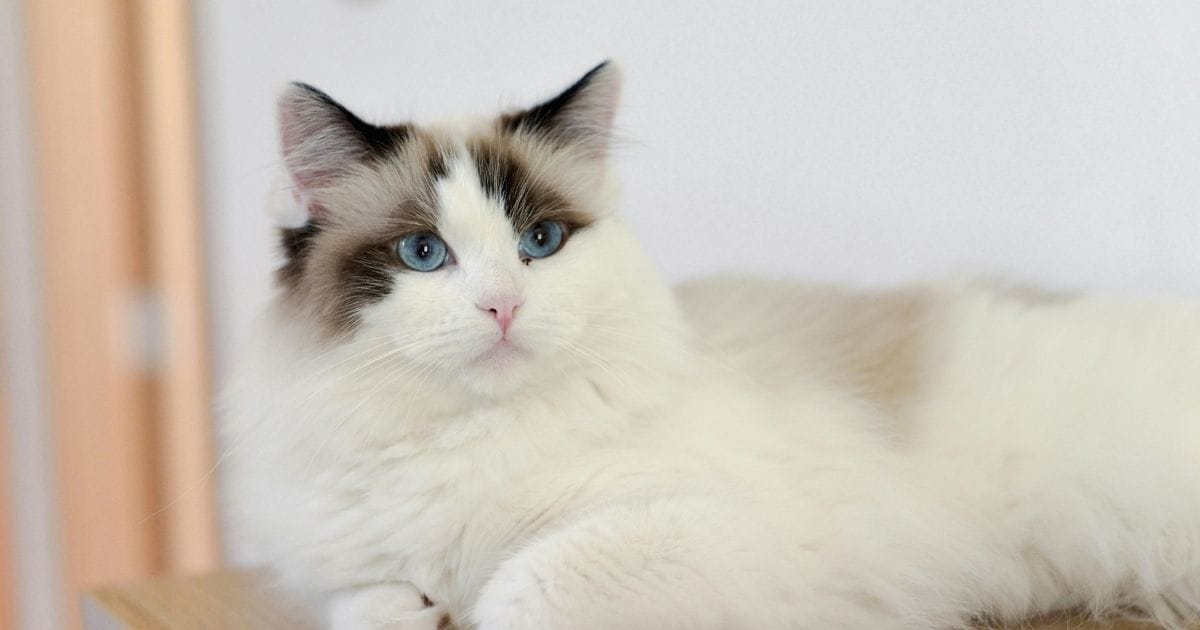
The most prevalent color among Ragdolls is seal, characterized by deep brown points on their ears, face, paws, and tail, paired with a lighter-colored body. This color combination is widely acknowledged and favored among Ragdoll enthusiasts.
White Ragdolls
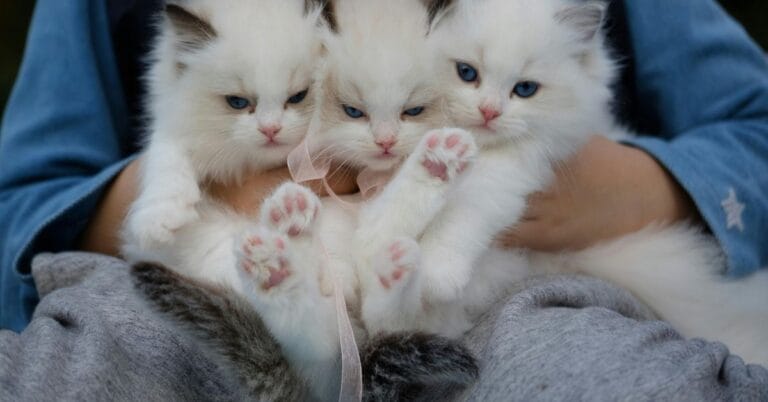
White Ragdolls are exceptionally rare and may undergo changes in coloration as they mature. True, pure white specimens are uncommon within the breed, making them highly sought after.
Black Ragdolls
According to official breed guidelines, authentic black Ragdolls are not recognized. Cats that may seem black are often a result of misidentification or can be mixed breed, lacking the qualities associated with purebred Ragdolls.
Additional Color Variations
Ragdolls can also be found in several other colors, including:
- Blue (Gray): A soft, grayish-blue tone.
- Chocolate: A warm, rich brown shade.
- Lilac: A pale, soft gray with lavender undertones.
- Flame: A bright, orange-red hue.
- Cream: A light, buttery color.
These variations contribute to the allure and diversity of the Ragdoll breed, appealing to a wide range of cat lovers.
Are Black Ragdoll Cats Real?
The inquiry regarding the existence of black Ragdoll cats is common among enthusiasts. However, it is essential to note that black Ragdolls are not officially recognized within breed standards.
If you encounter a cat that appears completely black, consider the following possibilities:
- Not Purebred: It is unlikely to be a purebred Ragdoll.
- Mixed Breed: The cat may belong to a different breed or a mix.
- Misidentification: There might be confusion regarding its breed classification.
To ensure you are acquiring a true Ragdoll, always purchase from a reputable breeder who can confirm the cat’s lineage.
Why White Ragdoll Cats Are Rare
White Ragdoll cats are notably uncommon and often subject to misconceptions. At birth, many Ragdoll kittens exhibit lighter fur, which tends to develop darker points — characteristic of the breed — as they mature.
Genuine white cats with blue eyes may resemble Ragdolls but do not conform to the standard breed criteria. Due to their rarity, white Ragdolls can be more expensive and challenging to locate.
Brown Ragdoll Cats and Their Popular Patterns
Among Ragdoll cats, brown (seal) Ragdolls are the most prevalent and widely accepted variants.
Common patterns include:
- Seal Point: Darker extremities with a lighter body.
- Seal Mitted: Similar to seal point, but with white markings on the paws.
- Seal Bicolor: A combination of dark points with a predominantly white body.
These patterns are integral to the classic Ragdoll aesthetic, characterized by their contrasting darker points and lighter body coloration. Consequently, seal Ragdolls are highly sought after by both breeders and prospective pet owners.
Ragdoll Cat Size and Weight
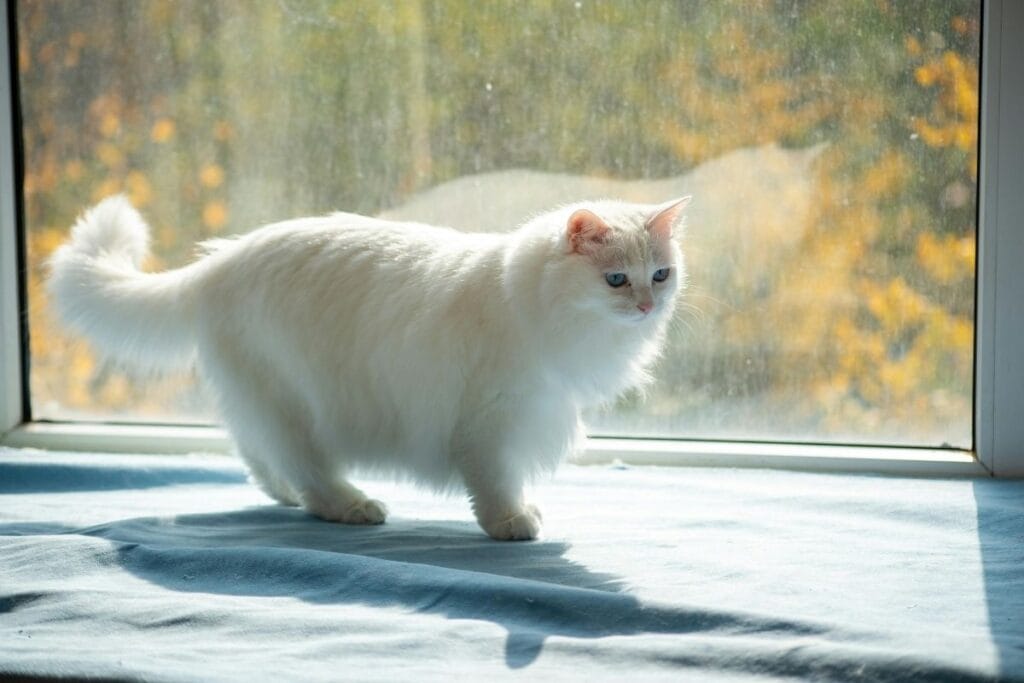
Ragdoll cats rank among the largest breeds of domestic cats.
- Males typically weigh between 15 and 20 pounds.
- Females generally range from 8 to 15 pounds.
These felines have a slow growth rate, often taking around 3 to 4 years to achieve their full size. Their impressive stature is complemented by a muscular build and luxuriously soft fur, which together create a striking yet graceful appearance.
Ragdoll Cat Temperament
Ragdolls are celebrated for their serene, affectionate, and gentle demeanor.
Key traits include:
- An affinity for human interaction: These cats thrive on companionship and enjoy spending time with their owners.
- Friendliness with children and other pets: They are generally sociable and adapt well to family settings.
- Following their humans: Ragdolls often shadow their owners, displaying a loyal disposition.
- Enjoyment of physical affection: They love to be held and cuddled, making them wonderful lap cats.
These cats are non-aggressive and prefer tranquil surroundings, which makes them an ideal choice for indoor environments.
Additional Insights
Ragdolls also tend to have a playful side, with some enjoying interactive toys and games. Their social nature means they often need regular engagement and mental stimulation to remain happy and healthy. Grooming is essential, as their longer fur can require consistent brushing to prevent matting. These gentle giants can make perfect companions, fostering a loving bond with their families.
Ragdoll Cat Diet
A balanced diet is vital for the health and well-being of a Ragdoll cat. Here’s what their meals should consist of:
- High-Protein Dry Food: Look for brands that list meat as the first ingredient.
- Wet Food: This helps keep them hydrated and adds variety to their diet.
- Fresh Meat: Options like chicken or turkey are excellent choices.
- Healthy Treats: Offer these sparingly to avoid overindulgence.
Since Ragdolls are obligate carnivores, it’s important for their diet to primarily consist of meat to support their growth and overall health.
Foods to Avoid for Ragdoll Cats
Some foods can be harmful to your cat and should always be kept away from them:
- Chocolate: Extremely toxic to cats.
- Onions and Garlic: Can damage their red blood cells.
- Caffeine: Found in coffee and tea; harmful to cats.
- Alcohol: Even small amounts can be dangerous.
- Processed Human Food: Often contains ingredients that are not safe for cats.
Steering clear of these foods is crucial to prevent serious health problems in your Ragdoll cat.
Ragdoll Cat Grooming
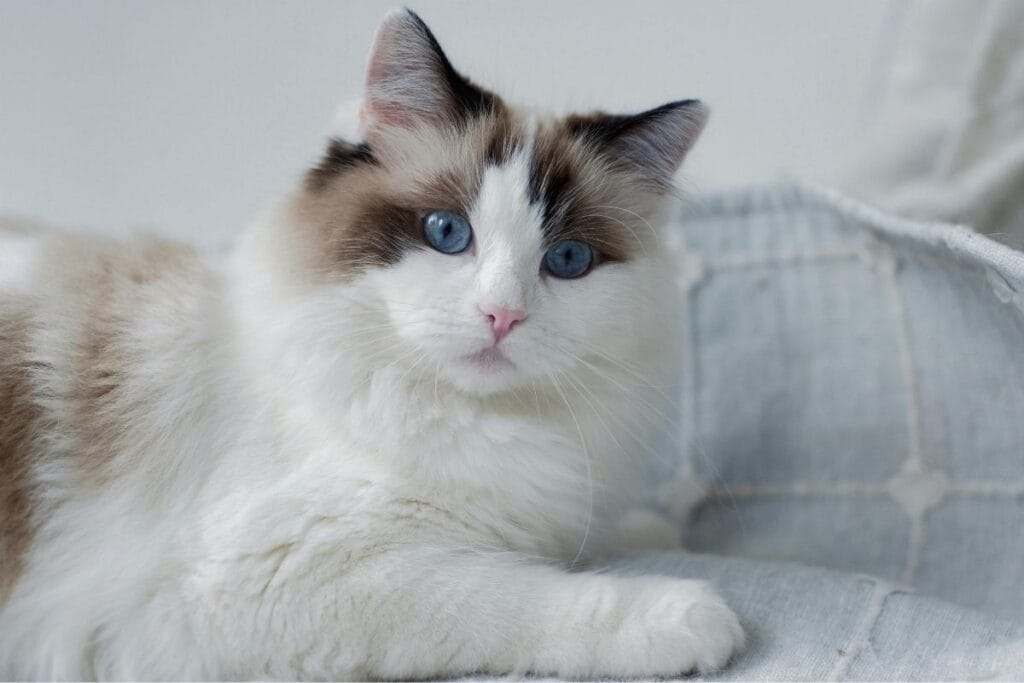
Ragdoll cats possess luxurious, long fur that requires regular maintenance to look its best.
Grooming Tasks Include:
- Brushing: Aim for 2–3 sessions each week
- Nail Trimming: Keep their claws short
- Occasional Baths: To ensure cleanliness
- Ear Care: Regular cleaning of the ears
Consistent grooming helps to avoid matting and maintains a soft and pristine coat.
Ragdoll Cat Health & Lifespan
While Ragdoll cats are typically robust, they can encounter specific health issues.
Common Health Concerns:
- Heart Disease: Monitor for symptoms
- Obesity: Maintain a balanced diet and exercise
- Dental Issues: Regular dental care is essential
With appropriate attention and care, Ragdoll cats have a lifespan of 12 to 17 years, and sometimes even longer. Regular veterinary visits are crucial for early detection of any potential health problems.
Ragdoll Cat Monthly Expenses
Owning a Ragdoll cat entails certain recurring costs.
Estimated Monthly Expenses:
- Food: Ranges from $40 to $100
- Litter: Between $20 and $50
- Veterinary Care: Approximately $30 to $70
- Grooming: Costing around $20 to $50
Total Monthly Cost: Approximately $110 to $270+
Is a Ragdoll Cat the Right Companion for You?
A Ragdoll cat is ideal if you:
- Seek a gentle, affectionate pet
- Can dedicate daily time for interaction and play
- Prefer indoor companions
However, Ragdolls may not be the best fit if:
- You desire a low-maintenance pet
- You cannot commit to daily attention and care
Conclusion
In 2026, the price of a Ragdoll cat can vary greatly, influenced by breeder reputation, location, and lineage. Initial costs range from $800 to $2,500, but ongoing expenses for food, vet care, and grooming should also be considered. Potential owners should evaluate their budget and lifestyle before deciding. Alternatively, adopting from shelters can be a cost-effective and compassionate choice. For more details, refer to our comprehensive guide.