
Dog Exercise Guide:5 Essential Signs your Dog Isn’t Getting Enough
As a loving pet owner, you want to ensure your pet is healthy by maintaining a regular dog exercise routine. But have you ever stopped to consider whether you’re providing enough exercise for your furry friend? This article, “Is Your Dog Getting Enough Exercise? Find Out Now,” will help you evaluate your dog’s current fitness routine and why it matters. Expect to uncover the signs of an under-exercised dog and learn strategies to keep your pup thriving.
Dog Exercise Requirements
We will offer general recommendations regarding a dog’s exercise needs, but it’s crucial to recognize that every dog is unique. Factors such as breed, age, health issues, and individual temperament all influence how much physical activity your dog requires.
How Dog Breed Affects Exercise Needs
The breed of your dog can greatly influence their exercise needs. For instance, while pugs and mastiffs may be perfectly happy lounging for long periods, more energetic breeds such as Siberian huskies or Jack Russell terriers may develop behavioral problems if they don’t get enough physical activity.
Additionally, specific traits related to breed can determine the intensity of their exercise. Brachycephalic dogs, like pugs, may face breathing difficulties and be at risk of overheating if exercised too vigorously. In contrast, dogs with longer snouts, such as huskies, typically breathe more easily during high-energy activities.
A pug might be satisfied with a leisurely 20-to-30-minute walk, whereas a husky could require three brisk half-hour walks to expend their excess energy.
How Age Affects Your Dog’s Exercise Needs
The age of your dog plays a crucial role in determining their need for exercise. Young puppies tend to thrive on short episodes of play. Some vets suggest that owners should give puppies about five minutes of exercise for every month of their age, ideally once or twice daily. Therefore, when a puppy reaches six months, their exercise sessions could be around 30 minutes long.
| Warnings: Strenuous physical activities can harm the growth plates of young dogs. Puppies shouldn’t engage in high-impact exercises such as running, jogging, or hiking until they reach certain age milestones: Small breeds: 6 to 8 months Medium breeds: 12 months Large or giant breeds: 12 to 24 months It’s advisable to consult your veterinarian to find out when your dog’s exercise limitations can be eased. |
Don’t overlook older dogs! Halting exercise for them just because of age is a misstep. It’s important to assess their health for any conditions, such as arthritis, and modify activities as needed. Senior dogs typically thrive with gentler exercises, such as leisurely strolls.
Health Issues That Affect Dog Exercise
Certain medical issues can reduce your dog’s ability to tolerate exercise. Conditions that might affect your dog’s exercise requirements include:
- Arthritis
- Respiratory problems
- Heart conditions
- Obesity
- Conditions such as hypothyroidism or Cushing’s disease fall under the category of endocrine disorders.
If your dog is dealing with a long-term health issue, it’s wise to consult your veterinarian before making any exercise plans for them.
According to the American Kennel Club, most dogs need at least 30 minutes of daily exercise.
How Your Dog’s Personality Affects Exercise Needs
Keep in mind that each dog has its own personality! While some Labrador retrievers might prefer lounging around, others may love jumping off docks. It’s important to take into account your dog’s requirements for social engagement, mental challenges, and activity when determining their exercise needs.
General Exercise Recommendations for Dogs
Here are some broad recommendations for keeping any dog active:
- Daily exercise is essential for your dog.
- Consistent short sessions are more beneficial than one lengthy workout each week.
- For a low-energy adult dog, aim for at least a 20 to 30-minute gentle walk each day. For a high-energy adult dog, try for two brisk 30-minute walks.
- Consult your veterinarian for tailored exercise advice and limitations for your growing puppy.
Take the weather into account; some dogs may struggle with extreme temperatures, and hot or icy ground can harm their paws.
Always have water available on warm or humid days.
Keep in mind that walking and running aren’t the only forms of exercise for your dog. Here are additional activities you can try:
- Hiking
- Engaging in games like fetch, tug-of-war, or hide-and-seek
- Swimming in safe locations
- Participating in advanced training such as agility
- Navigating a DIY obstacle course in your yard
- Dock diving
- Interacting with other friendly dogs
Indicators That Your Dog May Be Under-Exercised
To determine if your dog is sufficiently active, observe its behavior and overall health for clues.
Addressing Behavioral Issues Through Dog Exercise
Insufficient exercise in dogs can lead to various behavioral problems, particularly anxiety. This anxiety may appear as whining, barking, pacing, destructive behavior, inappropriate elimination, and self-harm. If your dog frequently chews on forbidden items, constantly brings you toys, or persistently requests to go outside, it may be a sign that they require more exercise and engagement. Prioritizing dog exercise is crucial for their well-being.
Occasionally, insufficient physical activity can influence your dog’s behavior. If you notice your dog showing excessive clinginess or frequently trailing you, this could be a sign of boredom or anxiety. For further insight, check out our article on why your dog follows you everywhere.
Health Issues
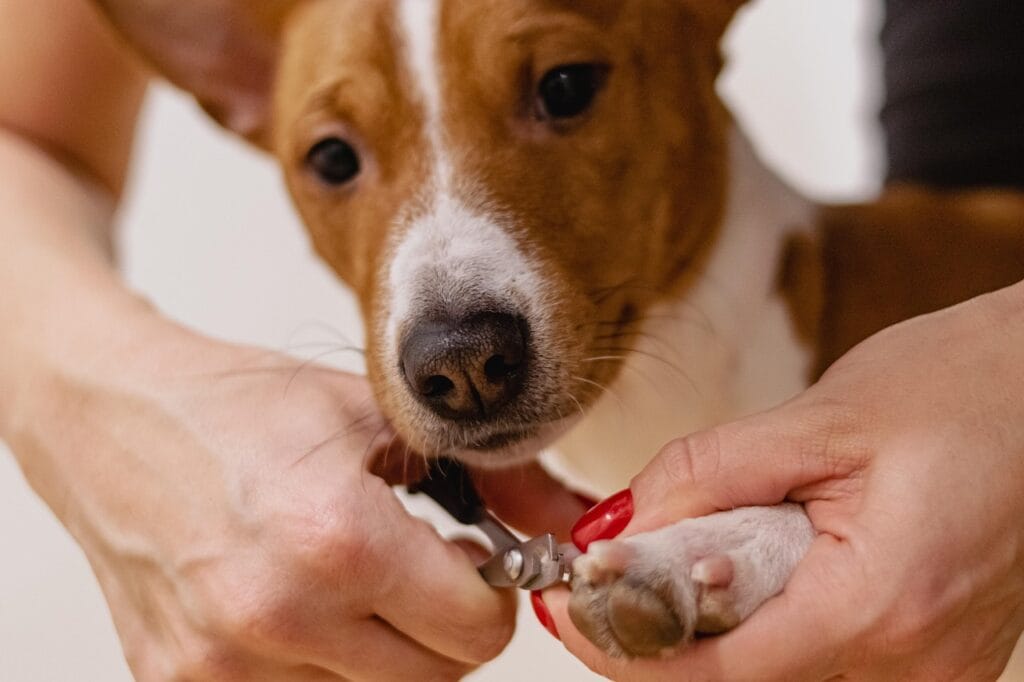
Insufficient dog exercise can lead to various health issues, such as obesity and arthritis. If you observe your dog showing signs of health concerns, it’s essential to consult a veterinarian rather than simply concluding that they require more physical activity.
Indicators That Your Dog Might Be Overexerted
When it comes to dog exercise, it’s crucial to recognize the signs that your furry friend may be getting an excess amount.
If your dog is showing signs of distress during exercise, such as attempting to halt and rest, heavy breathing, drooling excessively, or having red gums or tongue, as well as stiffness or limping afterward, it’s crucial to recognize these symptoms of heat exhaustion. Being aware of these indicators will enable you to take action if your dog becomes overheated during physical activity.
Final Thoughts
In conclusion, ensuring your dog receives adequate exercise is crucial for their overall health and well-being. Regular physical activity not only helps maintain a healthy weight but also contributes to good behavior and mental stimulation. Consider incorporating a variety of activities into their routine, such as walks, playtime, and even dog sports, to keep things engaging. Remember that each dog has different exercise needs based on their age, breed, and health conditions. Taking the time to assess and enhance your dog’s activity level will lead to a happier, healthier companion. So, get out there and enjoy some active quality time together!



4 Comments