
Why Is My Cat Not Eating? 10 Common Causes and Solutions
When cats stop eating, it can indicate significant health issues, as they tend to mask their illnesses. Various factors, such as dental problems, stress, or organ diseases, may cause a cat not eating. Below are the top 10 causes of feline anorexia, along with key symptoms and effective home remedies. We also outline when a cat not eating becomes an emergency (after 24–48 hours) and the importance of seeking immediate veterinary care to avert serious complications, like hepatic lipidosis.
If your cat hasn’t eaten for over a day, observe for other symptoms and try gentle home remedies. If your cat isn’t eating, consult a vet within 24–48 hours to avoid serious health issues.
1. Dental Pain or Abscesses
A frequent cause of a cat not eating is the presence of dental issues or infections in the mouth. Dental problems are a leading cause for a cat not eating. Conditions like tooth pain, gum disease, or abscesses can make chewing painful. Cats with mouth injuries or heavy tartar may only lick food or entirely avoid hard kibble.
Signs: Look for bad breath, drooling, bleeding gums, or reluctance to eat hard food. Cats may also paw at their face or shake their heads.
Solutions: Switch to soft or canned food to make eating easier. Offer dental-friendly treats or gels as advised by your vet. If possible, gently brush your cat’s teeth. Schedule a dental exam for cleaning or extractions as necessary, and monitor for pain; your vet can provide pain relief.
When to see a vet: Any signs of oral pain or swelling require prompt veterinary attention. Untreated dental issues can lead to serious health problems, so it’s best to consult a vet for severe cases.
2. Stress and Environmental Changes
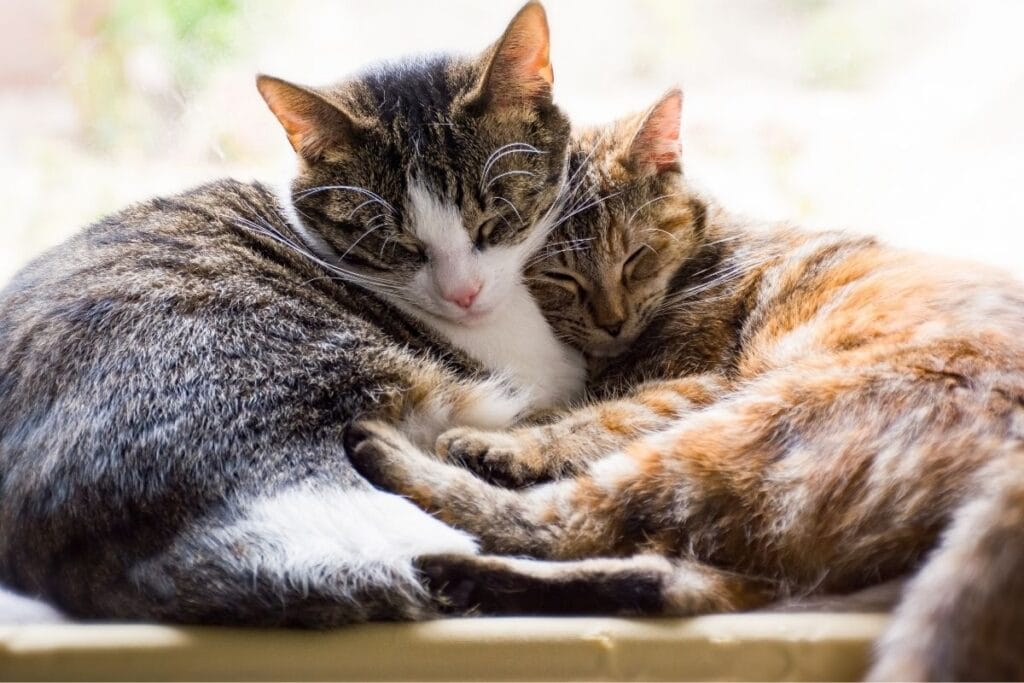
Cats thrive on routine, and changes such as moving, new pets, or loud noises can cause stress, resulting in a cat not eating. Even small adjustments, like new food bowls or rearranged furniture, may upset a sensitive cat.
Signs of Stress: Look for behaviors such as hiding, increased or decreased vocalization, unusual litter box habits, or avoidance of the feeding area. Excessive grooming or urination outside the litter box may also indicate stress.
Solutions: Maintain consistent feeding times and locations. Set up a quiet, calm feeding area away from disturbances. Using feline pheromone diffusers or calming sprays can help ease anxiety. Introduce new pets gradually and provide separate food bowls. Hand-feeding favorite treats can also provide reassurance.
When to Consult a Vet: If your cat continues to avoid food for over 24 hours despite efforts to reduce stress, it’s important to seek veterinary advice. Your vet may recommend anti-anxiety medications or further assessments.
3. Gastrointestinal (GI) Upset or Nausea
Stomach issues can lead to a cat not eating. Common reasons include hairballs, indigestion, or consuming something irritating like spoiled food. Nausea can make food unappealing.
Signs: Look for vomiting, diarrhea, constipation, or excessive drooling. A cat may sniff food and walk away or frequently lick its lips.
Solutions: Provide a bland diet, such as boiled chicken and rice or a vet-approved GI formula, in small amounts. Ensure access to fresh water or consider adding unflavored broth. If hairballs are suspected, use hairball remedies, and keep the litter box clean for prompt treatment of bowel issues. If vomiting occurs, withhold food for a few hours before reintroducing bland options.
When to see a vet: If vomiting or diarrhea lasts over 24 hours or if there’s visible pain, seek veterinary care, as this could indicate conditions like obstruction or pancreatitis.
4. Dislike of New Food or Texture
Cats can be quite particular when it comes to food. A sudden change in a cat’s diet, such as a new brand, flavor, or texture, can result in the cat not eating. Some may prefer pate over chunks, while others may shy away from dry food due to dental discomfort. Even stale food or unclean dishes can deter them.
Signs of a cat not eating include sniffing food and walking away, leaving some uneaten, or suddenly preferring wet food over dry, or the opposite. If they’re otherwise healthy but not eating, this behavior can be concerning.
Solutions: To help your cat accept new food, gradually mix their old and new diets over 5–7 days. Provide different textures (such as canned pâté, chunks, or a bit of tuna water) and slightly warm the wet food to boost its aroma to entice a cat not eating. Ensure bowls are cleaned daily and consider using different materials (like ceramic or stainless steel). High-value treats, such as freeze-dried meat or baby food, can also entice them.
When to see a vet: If your cat hasn’t eaten in a day or two despite these strategies or rejects their usual favorite food, consult a veterinarian to check for underlying health issues.
5. Upper Respiratory Infection (URI)
A cat suffering from a cold or flu may lose its appetite. A stuffy nose makes food smell unappetizing, leading to reduced intake.
Symptoms: Look for sneezing, a runny nose or eyes, coughing, congestion, or fever. Your cat might also breathe through its mouth or paw at its nose.
Solutions: To encourage a cat that’s not eating, try offering fragrant wet foods such as warm chicken or tuna. Warm the food slightly to enhance the smell (ensure it’s safe temperatures). Use a humidifier or gently steam the air to ease nasal congestion. Keep the resting area warm and calm, and clean any discharge from the eyes or nose. Administer any prescribed medications as directed.
When to consult a vet: If symptoms are severe, including difficulty breathing, high fever, or if your cat hasn’t eaten for 24-48 hours, seek veterinary care. Some upper respiratory infections can lead to complications like eye ulcers or the need for fluids.
6. Kidney Disease
Chronic kidney disease (CKD) is commonly found in senior cats, often leading to issues such as decreased appetite or cat not eating. As kidney function declines, toxins accumulate, leading to symptoms like nausea and reduced appetite, making a cat not eating common.
Symptoms: Increased thirst and urination, weight loss, dull fur, and foul breath (often uremic). Vomiting and diarrhea frequently occur.
Solutions: Encourage eating with tasty, easy-to-digest kidney-friendly diets (low in phosphorus). Offer small, wet meals or add water to food. If advised, provide subcutaneous fluids to help flush toxins and boost appetite. Supplements like potassium may be necessary, and appetite stimulants can be used as prescribed by your veterinarian.
When to visit a vet: Any signs of CKD warrant a vet visit for blood tests and treatment. If your cat suddenly stops eating, seek veterinary advice quickly, as dehydration can be serious in kidney failure.
7. Pancreatitis
Pancreatitis, or inflammation of the pancreas, can lead to severe nausea and abdominal pain, causing your cat not to eat. This condition can arise from a high-fat meal, recent surgery, or other illnesses.
Signs: Look for repeated vomiting, diarrhea, lethargy, or a hunched abdomen. Your cat may also lick its lips or drool.
Solutions: Veterinary care is essential, including IV fluids, anti-nausea medications, and a low-fat diet. At home, ensure hydration by offering small amounts of water or broth. Once your vet approves, introduce a bland, low-fat diet in small portions, avoiding fatty foods.
When to see a vet: If vomiting persists or your cat appears to be in severe pain, seek immediate veterinary assistance, as pancreatitis can escalate quickly.
8. Dirty Food/Water Dishes or Unpleasant Feeding Setup
Cats are inherently clean creatures. They may shun stale food or dirty bowls, and some can be averse to plastic or narrow dishes due to whisker fatigue.
Signs: You might observe your cat eating old food off the ground while ignoring the bowl, or avoiding the feeding area altogether, without any illness symptoms.
Solutions: Clean bowls daily and opt for wide, shallow dishes made of ceramic or stainless steel to be more whisker-friendly. Keep food and water in separate, clean bowls, away from the litter box, and consider feeding in a quiet spot, far from other pets. If you have multiple cats, set up various feeding stations to minimize competition.
When to see a vet: If changes to the environment don’t help and your cat has not eaten for a day or more, consult your vet to rule out any medical issues.
9. Medication Side Effects
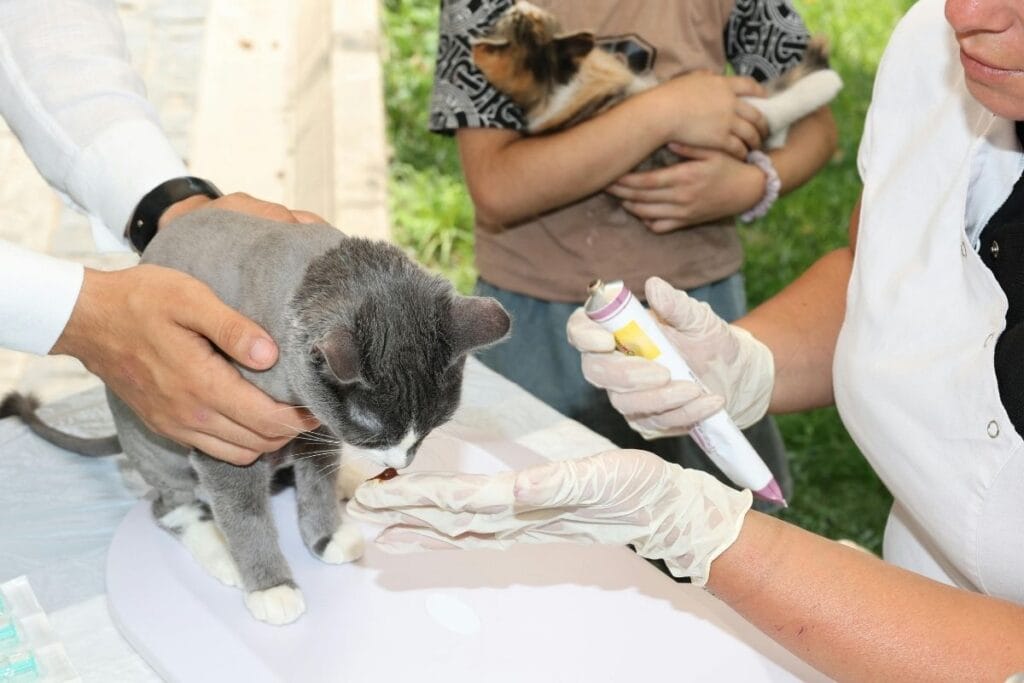
Various medications can lead to decreased appetite in cats. Antibiotics, anti-inflammatories, dewormers, and particularly chemotherapy or pain relief medications may induce nausea.
Signs to Watch For: If your cat stops eating shortly after starting a new med, shows lethargy or restlessness, or experiences vomiting or diarrhea.
What to Do: Consult your veterinarian before discontinuing any medication. They may adjust the dosage, change the medication, or prescribe an anti-nausea drug. Consider giving pills with food (if safe) and entice your cat with favorite treats or flavored pill pockets. Always ensure access to fresh water.
When to Contact Your Vet: If your cat’s appetite doesn’t improve within a day after stopping meds, or if severe side effects like vomiting blood or extreme lethargy occur, reach out to your vet. They might recommend appetite stimulants.
10. Aging and Cognitive Decline
Older cats often face multiple health challenges, such as arthritis, organ decline (heart, liver), dental issues, and cognitive dysfunction, which can affect their appetite or eating habits.
Signs: Look for behaviors like hiding, increased nighttime vocalization, confusion, difficulty reaching food due to joint pain, and general weakness. Watch for signs of weight loss, dehydration, or jaundice (yellowing of gums or eyes).
Solutions: Simplify feeding by elevating food bowls or using ramp feeders. Offer nutrient-rich, warmed wet food to boost aroma, and consider finely chopped or pate textures for easier chewing. Maintain a calm environment and regular routine, and provide gentle hand or syringe feeding of high-calorie gruel as needed. Senior supplements like B12 and omega fatty acids may also support appetite.
When to see a vet: If your senior cat is not eating for 24 hours, seek veterinary advice. Routine checkups are crucial for the prompt handling of chronic health problems.
If your cat isn’t eating, choosing the right food is equally important for recovery. Check out our guide on what to feed a sick cat that will not eat to help boost their appetite.
When It Becomes an Emergency
If a cat not eating lasts for more than 24–48 hours, it can quickly turn into a serious and life-threatening emergency.
Critical Timing: Cats should not remain without food for more than 24-48 hours. Exceeding this period increases the risk of hepatic lipidosis, a serious condition where fat deposits damage the liver. Notably, over 90% of hepatic lipidosis cases occur after extended periods of not eating.
Warning Signs: If your cat is not eating and exhibits any of the following symptoms, seek veterinary assistance immediately:
- Lethargy/Weakness: Severe tiredness or fainting.
- Persistent Vomiting/Diarrhea: Especially if bloody; this can lead to dehydration.
- Jaundice: Yellowish coloration in gums, eyes, or skin, signaling liver issues.
- Breathing Difficulties: Struggling to breathe, including open-mouth breathing.
- Dehydration: Signs include sunken eyes, dry mouth, or skin that doesn’t bounce back.
- Blood in Vomit or Stool: Any presence of blood is an emergency.
Contact your vet if your cat has not eaten in 24 hours, and especially if this extends to 48 hours.
Safety Warning
If a cat not eating continues, it can become fragile quickly. An overweight cat may face liver failure in just 2-3 days without food. Avoid force-feeding; instead, try gentle encouragement. While home remedies can help, they shouldn’t substitute for professional veterinary care if your cat’s health is at risk.
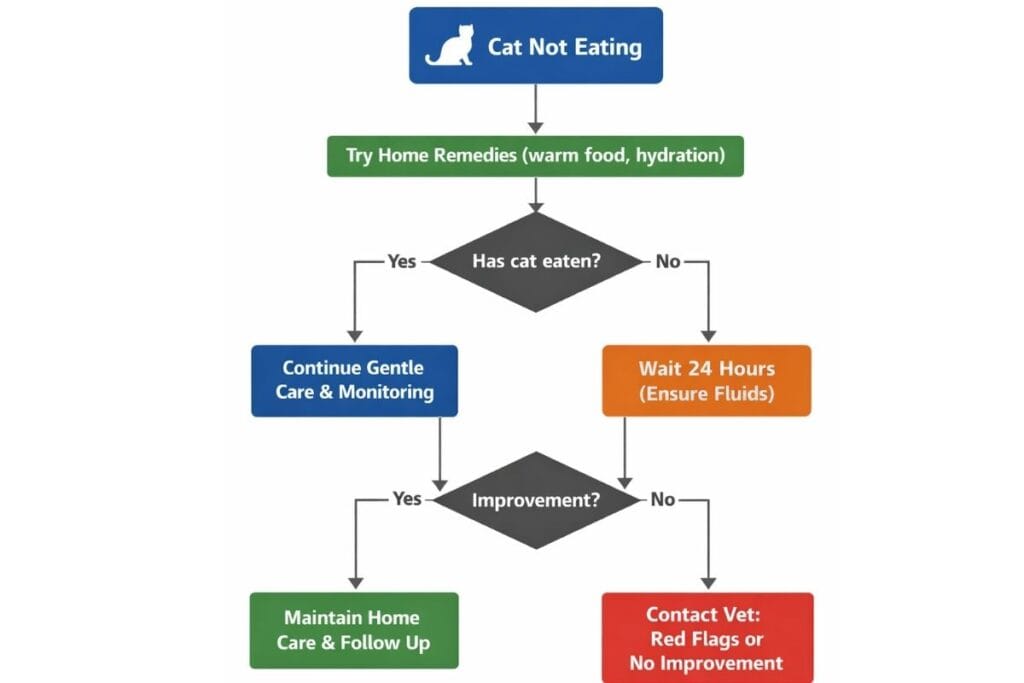
This flowchart outlines steps to take if your cat is not eating and highlights when to consult a veterinarian.
FAQ’s
My cat isn’t eating but drinks water. Should I be worried?
Yes, it’s a concern. If your cat isn’t eating for over 24 hours, this can lead to serious health issues like hepatic lipidosis. Try offering warm, strong-smelling wet food or tuna water. If the refusal lasts beyond 24 hours or if your cat seems unwell, contact your vet.
Can I syringe-feed or force-feed my cat at home?
Only with veterinarian guidance. Force-feeding can lead to complications like aspiration pneumonia. Instead, encourage eating with hand-fed favorites or tasty gravies. If your cat refuses all food, inform your vet for potential solutions like a feeding tube or appetite stimulants.
Q: How long can a cat go without eating?
A cat shouldn’t be left without food for more than 24 hours. Missing meals for 24–48 hours can result in serious liver issues. Don’t hesitate — contact your vet if your cat hasn’t eaten for a day.
Conclusion
A cat not eating can arise from various factors, including health problems or environmental stress. Identifying the reasons is crucial for addressing the issue. Monitor for any other symptoms and consult your veterinarian if the refusal to eat continues. Timely intervention ensures your cat’s health and happiness.
Trusted Sources: Key References: We relied on trusted veterinary organizations, including the American Veterinary Medical Association (AVMA), Cornell Feline Health Center, VCA Animal Hospitals, and PetMD. These resources provide current advice and maintain a professional tone regarding cats not eating.


2 Comments