

Black German Shepherd: Price, Lifespan & Care
Essential Information on the Rare and Stunning Black German Shepherd Breed.
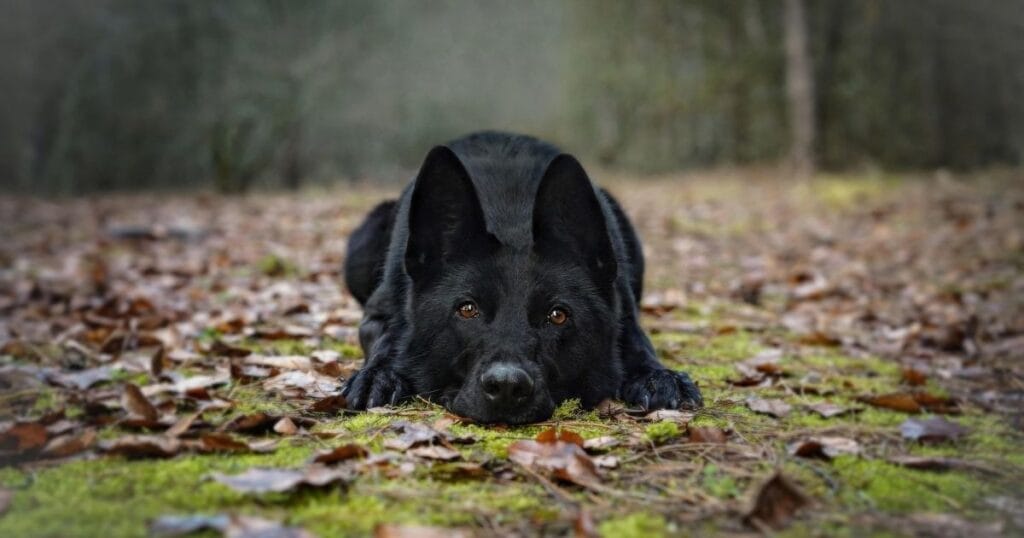
When many encounter a black German Shepherd for the first time, they can’t help but admire its stunning, sleek appearance. With an athletic physique completely cloaked in deep black fur, these dogs are truly captivating. However, questions often arise: Is a black German Shepherd a distinct breed? Are they more aggressive or harder to find? This guide addresses all your inquiries, covering their temperament, health, training, lifespan, and what daily life with a black German Shepherd entails.
For a stylish coat option, consider the White German Shepherd, which is admired for its serene nature and graceful look.
What is a Black German Shepherd?
A black German Shepherd is not a separate breed but rather a purebred German Shepherd Dog (GSD) exhibiting a recessive gene that results in a solid black coat. The American Kennel Club officially recognizes this color, allowing registration and breeding like other purebreds. Due to the need for both parents to carry the recessive black gene, only 6 to 8 percent of German Shepherds possess this unique coloration, making them relatively rare.
How is the Black Coat Different From Standard GSD Coloring?
The typical German Shepherd features a “saddle” pattern, characterized by a black marking on its back and sides, complemented by tan or red on the legs, chest, and face. In contrast, the black German Shepherd boasts an entirely black coat, including the undercoat. There are no hidden tan hairs that emerge with age, and the coat retains its rich black hue throughout the dog’s life.
Black German Shepherds vs Standard German Shepherds
Many wonder about the distinctions between black German Shepherds and their standard counterparts, and the truth is that most differences are superficial. Both types belong to the same breed and share identical histories, intelligence, drive, and temperament.
Here are some key observations:
- Larger Build: Black German Shepherds typically have a sturdier frame, often stemming from working bloodlines that prioritize size and strength over aesthetic features favored in show dogs.
- Straight Back: Most black German Shepherds, being from working lines, exhibit a straighter back, promoting better joint health and mobility compared to show-line varieties.
- Equal Intelligence: The black coat has no impact on cognitive abilities; black German Shepherds are just as trainable and perceptive as any other GSD.
- Similar Shedding: Don’t be misled by their dark coats; black German Shepherds shed as much as standard-colored ones, experiencing significant seasonal shedding and moderate year-round loss.
Temperament of Black German Shepherds
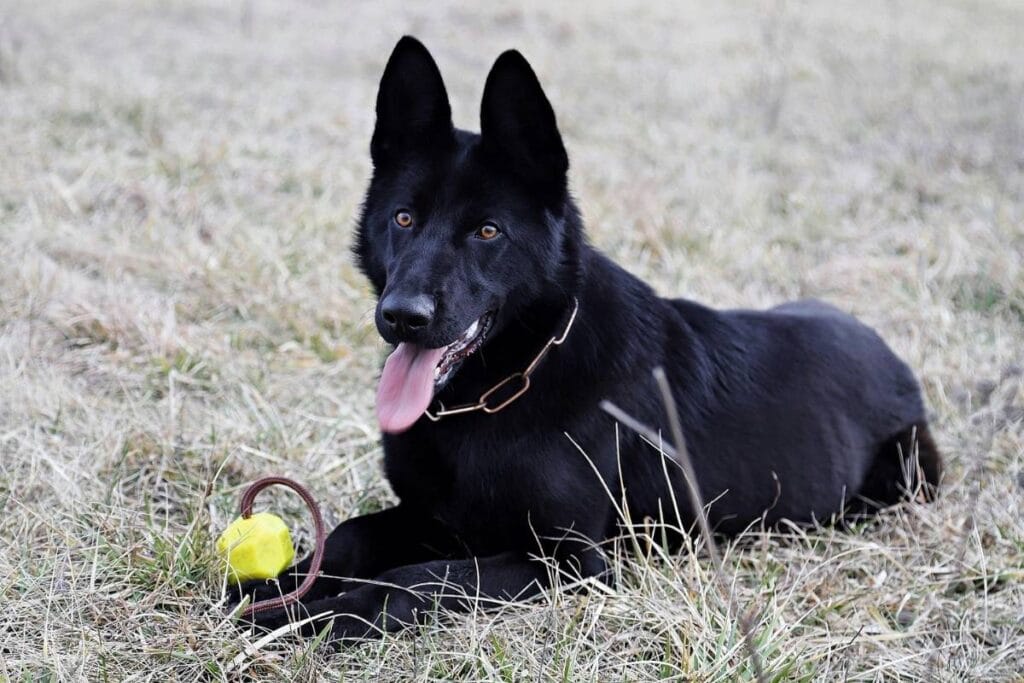
A common misconception about black German Shepherds is that their darker fur indicates a more aggressive demeanor. This notion lacks scientific support and contradicts the experiences of thoughtful breeders and pet owners. Coat color is influenced by distinct genetic factors unrelated to behavior.
When raised in a nurturing, well-structured environment with adequate socialization and training, a black German Shepherd exemplifies the breed’s true traits: loyalty, protectiveness, strong family bonds, and responsiveness to commands.
Core Personality Traits
Deep Loyalty: Black German Shepherds forge strong attachments to their owners, often being described as “shadow dogs” that follow their caregivers closely and may feel anxious when left alone for long periods.
Instinctive Protectiveness: This breed has a natural guarding instinct. Black German Shepherds instinctively place themselves between their owners and perceived threats, vocalizing when strangers approach. This protective nature requires proper training to channel effectively, preventing overreactions.
High Intelligence: Ranking third in intelligence among dog breeds, black German Shepherds learn commands quickly and adapt to their environment. However, if left bored, they may entertain themselves in ways that owners might find undesirable.
Emotional Sensitivity: Despite their strong exterior, black German Shepherds are emotionally perceptive. They can pick up on their owners’ moods and may experience anxiety if treated harshly. Negative training methods can lead to fear and diminish the bond between dog and owner.
Are Black German Shepherds Good Family Dogs?
Absolutely, but they thrive best in the right family environment. These dogs flourish with consistent exercise, mental challenges, and regular human interaction. They don’t do well in solitary settings or with owners who are less active.
Interaction with Children
Black German Shepherds usually bond well with children they grow up with. They are protective and patient, making them gentle companions. However, supervision is vital to avoid accidental bumps during playtime due to their larger size.
The Mini Australian Shepherd is a smart and family-oriented option for those seeking a smaller dog.
Compatibility with Other Pets
Socializing a black German Shepherd early is crucial for harmonious pet interactions. Introducing them to cats and small dogs while they are still puppies helps them learn to coexist peacefully. For adult dogs, slow and careful introductions are essential for successful integration.
Black German Shepherd Puppy: First-Year Expectations

Welcoming a black German Shepherd puppy brings both excitement and responsibility. Unlike some breeds, these pups are born fully black, with their coat color remaining constant throughout life — what you see at eight weeks is what they’ll have.
Key Socialization Period (3 to 14 Weeks)
This crucial phase shapes your puppy’s future. Their brain is especially receptive to new experiences, so it’s essential to introduce them to a variety of stimuli.
- Meet various people of all ages and appearances.
- Expose them to common sounds like traffic, sirens, and thunderstorms.
- Encourage exploration on different surfaces such as grass and tile.
- Arrange safe interactions with calm, vaccinated dogs.
- Guide them to retail locations, recreational areas, or lively streets where interactions with unfamiliar dogs can be easily controlled.
Ensure plenty of enriching experiences during this vital time!
Black German Shepherd Training — From Puppy to Polished
Training a black German Shepherd is incredibly fulfilling for dog owners, as this breed not only accepts training but thrives on it. Without a purpose or skills to hone, they can become unfulfilled, similar to a gifted student without a subject to engage in. Mental stimulation is as crucial as physical activity.
Fortunately, black German Shepherds are among the most trainable large breeds. They quickly learn commands, remember them well, and actively seek guidance from their owners. The key challenge lies in maintaining consistency and meeting their eagerness to learn.
The Golden Rules of Training a Black GSD
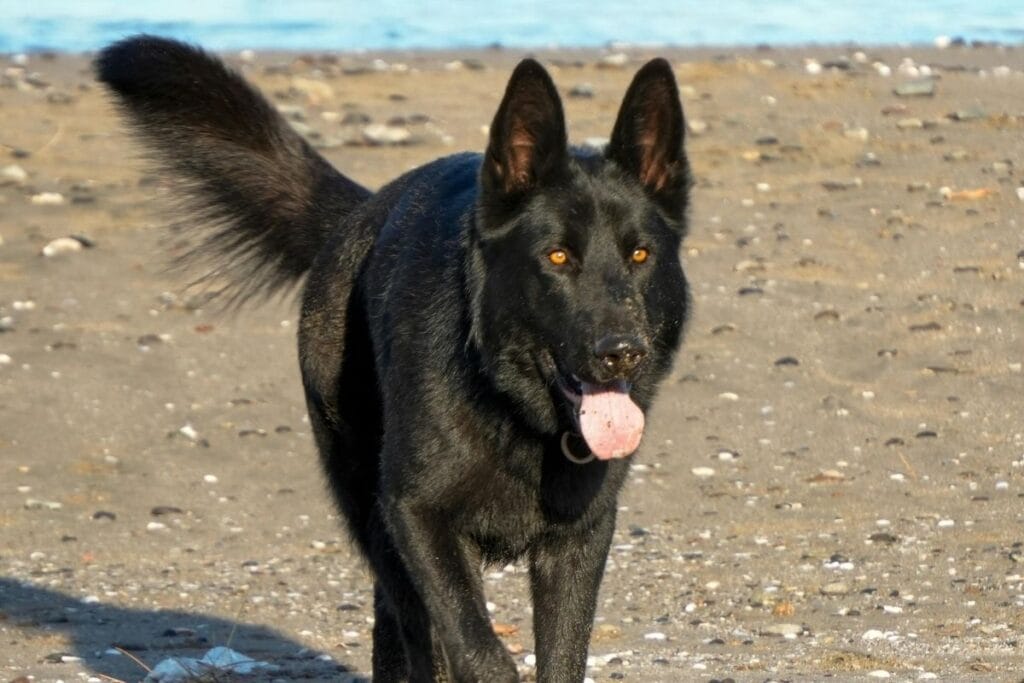
Emphasize Positive Reinforcement: Reward-based training strengthens your relationship with your black German Shepherd. Given their sensitivity, incentives promote cooperation, while punishment can cause anxiety and distrust.
Be Consistent: Ensure that everyone in the household follows the same rules without exception. If jumping is prohibited, it should always be enforced. Inconsistency can lead to confusion and behavioral issues, as intelligent dogs interpret mixed signals logically.
Keep Training Sessions Brief: Aim for 10 to 15 minutes of focused training twice daily for better results. Short sessions maintain your dog’s enthusiasm and attention. Always conclude with a successful command to provide a positive experience.
Progress Gradually: Start teaching commands in a quiet setting. Once your black German Shepherd responds reliably at home, gradually introduce distractions by practicing in the backyard, on quiet streets, and eventually in busier parks. This strategy ensures your dog can follow commands in various environments.
Foundation Commands — Master These First
Here’s a summarized interpretation of your guidelines with an informative tone:
Sit is the initial command for black German Shepherd puppies. To instruct them, present a treat close to their nose and then raise it above their head. As the puppy gazes upwards, their back end will naturally lower. When they achieve a sitting position, immediately say ‘yes’ or click, and reward them with the treat.
Down follows sit. From the sitting position, lower a treat towards the ground to encourage the puppy to lie down. Avoid pushing them, as this can damage trust.
Stay develops impulse control. Begin with the puppy in a sit, show an open hand, and give the command. Take a step back, then return to reward. Gradually increase the distance, duration, and distractions.
Come (Recall) is crucial for safety. Practice in a secure area by calling their name followed by “come.” Always reward with high-value treats or play, and avoid using the command for negative situations.
Leave it teaches the puppy to ignore unwanted items. Put a treat on the ground, cover it with your hand, and praise them for not trying to get it. This helps protect against hazards.
Loose leash walking is vital for controlling a strong German Shepherd. Start early, rewarding them for walking calmly beside you. If they pull, change direction immediately to reinforce that pulling does not lead to forward movement.
Intermediate and Advanced Training
Once foundational commands are mastered, black German Shepherds can tackle more intricate tasks. This breed excels in diverse activities such as obedience, agility, scent tracking, protection sports, and therapy.
- Obedience Trials: These competitions evaluate the dog-handler bond, focusing on precision and reliability.
- Agility: A challenging sport requiring speed and skill to navigate obstacle courses, where black GSDs excel.
- Schutzhund/IPO/IGP: A specialized three-phase sport emphasizing tracking, obedience, and protection, tailored for working German Shepherds.
- Scent Work/Nose Work: Utilizing their keen sense of smell, these activities allow dogs of any age or condition to locate specific scents.
- Therapy Dog Certification: With appropriate training and temperament assessments, many black GSDs become outstanding therapy animals in healthcare and educational settings.
Common Behavioral Challenges
- Excessive Barking: Determine the trigger — boredom, alertness, demand, or anxiety — and address it. Increase physical and mental stimulation for boredom. For alert barking, train a “quiet” command and reward calm behavior after a few barks.
- Jumping Up: Puppies often learn that jumping gains attention. To discourage this, immediately turn away and ignore the dog when it jumps. Reward greetings when all four paws are on the ground. Consistent reactions from all handlers are essential.
- Leash Reactivity: Reactivity on a leash, such as lunging or barking, can arise from frustration or anxiety rather than aggression. Collaborate with a professional trainer for counter-conditioning and desensitization.
- Separation Anxiety: This breed builds strong bonds and may have difficulty when alone. Begin prevention with short separations and reward peaceful behavior. For existing anxiety, seek guidance from a certified behaviorist for a customized desensitization plan.
Lifespan of Black German Shepherds: An Overview
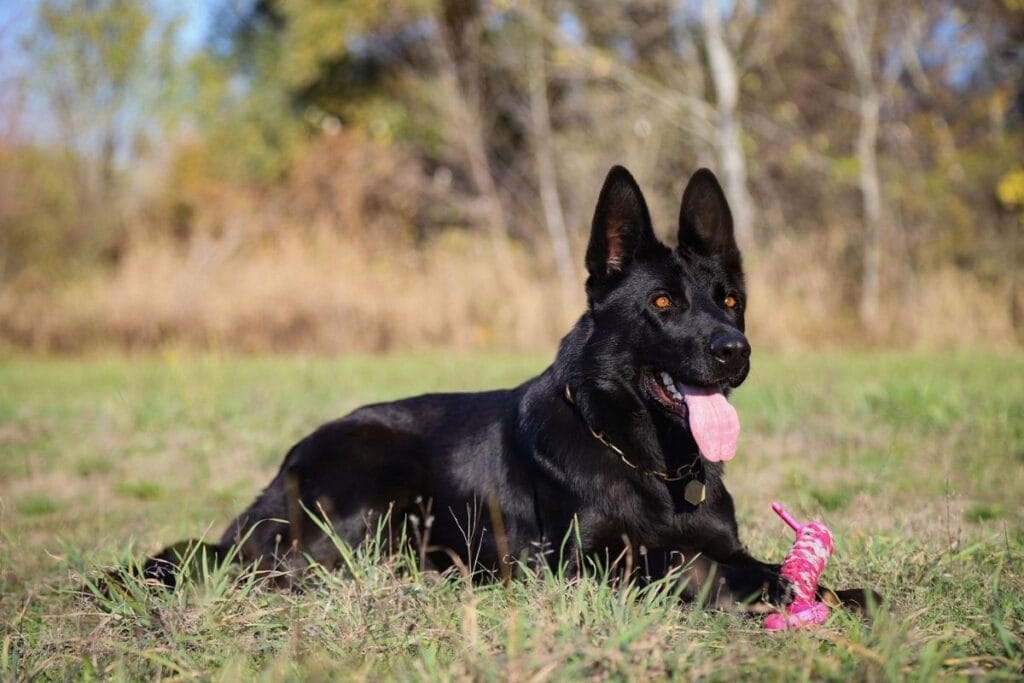
Black German Shepherds generally have a lifespan of 9 to 13 years, akin to standard ones, with care playing a significant role. Working-line varieties often outlive show-bred dogs due to breeders prioritizing health over appearance. The extreme physical traits of some show-line GSDs can cause chronic stress on their hips and spines, shortening their overall lifespan.
Life Stages of a Black German Shepherd
Puppy (Birth to 2 Years)
During the first two years, a black German Shepherd undergoes significant physical and mental growth. It’s crucial to limit high-impact activities since growth plates close between 18 to 24 months. Socialization and training during this time are vital, as they influence the dog’s lifelong personality.
Young Adult (2 to 4 Years)
At this stage, the black German Shepherd is in peak physical shape. Between ages two and four, they are energetic and mentally sharp. Well-trained and socialized dogs become confident companions, while those lacking training may exhibit challenging behaviors due to pent-up energy.
Prime Adult (4 to 7 Years)
Early adulthood transitions into stable maturity. Owners often find this stage most enjoyable, as the dog is now experienced, responsive, and deeply bonded. Routine veterinary checkups are essential for early detection of breed-related health issues.
Senior (7 to 10 Years)
Entering seniority brings noticeable changes. Recovery time increases, and joints may stiffen, especially in colder weather. Some dogs may also show graying. Veterinary visits should rise to twice a year, and diets may need adjustment to include joint-supporting nutrients.
Geriatric (10+ Years)
A black German Shepherd over ten years old benefits from good genetics and care. Focus shifts to ensuring comfort and quality of life with softer bedding, ramps, and gentler exercise. Regular veterinary check-ups are important, and each additional year is a significant milestone.
What Shortens a Black German Shepherd’s Life?
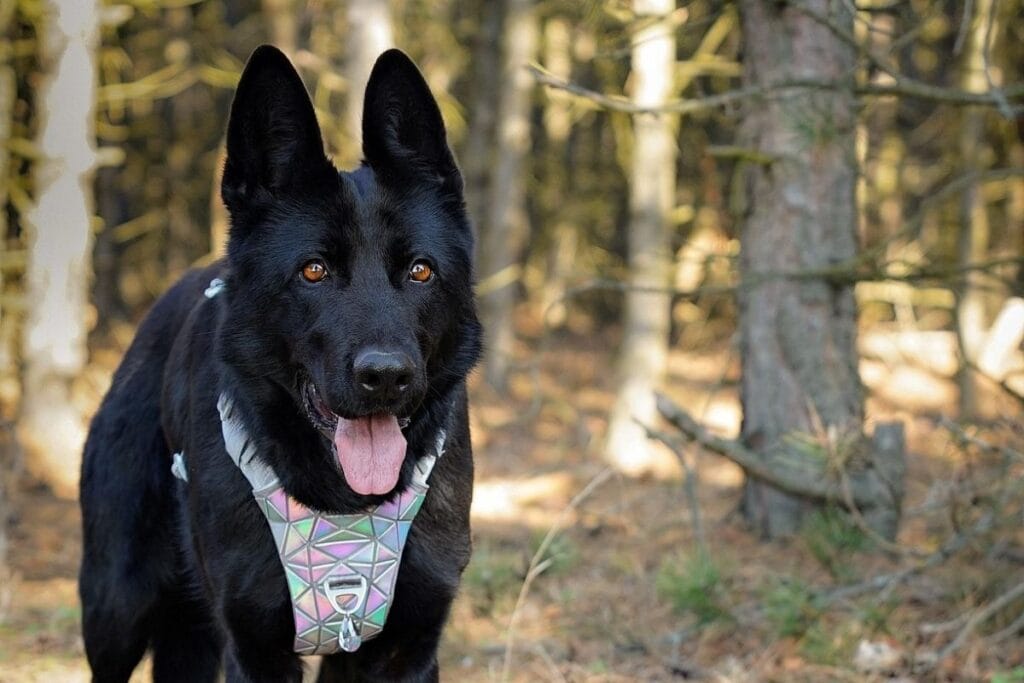
To help your Black German Shepherd live a longer life, it’s important to understand key risk factors:
- Obesity: This is the most preventable cause of shortened lifespan. Overweight German Shepherds are prone to joint issues, heart strain, and higher cancer rates. You should be able to gently detect their ribs with a soft touch.
- Bloat (GDV): This condition can be fatal within hours. Implement preventive strategies such as controlled feeding and avoiding exercise right after meals.
- Delayed Veterinary Care: Ignoring health issues can lead to life-threatening conditions. Annual blood work is crucial for dogs with known health risks.
- Chronic Stress: Isolation, poor treatment, or an unstable environment can weaken the immune system and speed up aging. A dog with a healthy mindset lives longer.
- Vaccination Management: Collaborate with your vet to establish a titer-testing schedule post-puppy vaccinations. This helps avoid unnecessary shots while ensuring your dog remains protected.
By focusing on these factors, you can help ensure a healthier, longer life for your Black German Shepherd.
Black German Shepherd Lifespan Tips
Encourage Purposeful Activities: Trained black German Shepherds thrive when they have tasks, leading to better overall health.
Provide Quality Nutrition: Ensure your black German Shepherd receives a diet suited to their age and activity level.
Maintain Healthy Weight: Keep your dog at a lean weight throughout their life.
Consistent, Age-Appropriate Exercise: Even senior dogs need daily, gentle activity.
Daily Mental Stimulation: Engage your dog’s mind to promote cognitive health.
Regular Dental Care: Brush teeth frequently and arrange for professional cleanings as advised.
Routine Vet Visits: Schedule annual checkups until age seven, then biannual visits.
Cozy Sleep Spaces: Invest in orthopedic mattresses and pillows to provide support for aging joints.
Exercise and Mental Stimulation Needs
The black German Shepherd is a high-energy working breed disguised as a family pet. With a lineage of herding and guarding, it’s essential to channel their physical and mental energy daily.
Physical Exercise Requirements
- Adults (2+ years): At least 60 to 90 minutes of vigorous exercise each day.
- Adolescents (6 to 18 months): Require significant activity, but limit high-impact exercises until growth plates mature.
- Puppies (under 6 months): Engage in short play sessions — five minutes for each month of age, twice a day.
Mental Stimulation Activities
- Puzzle Feeders/Snuffle Mats: Encourage the dog to work for its meals.
- Obedience Training: Teach new commands and refine existing ones to keep the mind sharp.
- Scent Work: Hide treats and allow the dog to use its nose to find them.
- Dog Sports: Participate in agility, obedience trials, tracking, or Schutzhund for structured challenges.
Health Issues in Black German Shepherds
Black German Shepherds have the same health issues as all German Shepherds; their color does not influence their susceptibility to specific conditions.
Hip and Elbow Dysplasia
This is the most common genetic issue in the breed, where hip or elbow joints develop improperly, leading to arthritis and mobility challenges. Always choose breeders who provide OFA certifications for both parents.
Bloat (Gastric Dilatation-Volvulus)
A severe condition where the stomach twists after filling with gas. Symptoms include a swollen abdomen, nonproductive gagging, and agitation. Seek emergency veterinary care immediately.
Degenerative Myelopathy
This progressive neurological disorder weakens the hind limbs, typically appearing after age seven. DNA testing can help identify carriers.
Skin and Coat Issues
Black German Shepherds may suffer from hot spots, dry skin, and allergies. Regular grooming can help detect skin problems early.
Grooming a Black German Shepherd
- Brushing: Brush three to four times weekly; daily in shedding season.
- Bathing: Bathe every six to eight weeks; avoid excessive washing to preserve natural oils.
- Nail Trimming: It’s recommended to trim your nails every three to four weeks..
- Ear Cleaning: Inspect weekly and clean as required.
- Teeth Brushing: Brush teeth at least three times a week.
Black German Shepherd Price
| Source | Price Range |
|---|---|
| Reputable breeder (OFA-tested parents) | $1,000 – $3,000 |
| Show-quality or titled lineages | $3,000 – $6,000+ |
| Rescue or shelter adoption | $50 – $500 |
| Backyard breeder (not advisable) | $300 – $800 |
Identifying a Trustworthy Black German Shepherd Breeder
- Request OFA certifications for parents (hips, elbows, heart, eyes)
- Conduct an in-person visit – check facility and meet the mother
- Inquire about temperament assessments for puppies
- Anticipate an interview – reputable breeders prioritize placements
- Obtain a written contract with a health guarantee
- Steer clear of breeders with frequent puppy availability – responsible breeders plan litters effectively.
Frequently Asked Questions
Are black German Shepherds more aggressive than standard GSDs?
Coat color, including that of black German Shepherds, does not influence temperament; aggression stems from inadequate socialization, mistreatment, or irresponsible breeding.
Are black German Shepherds recognized by the AKC?
Yes. Black is a fully recognized and accepted coat color in the AKC German Shepherd Dog breed standard
At what age is a black German Shepherd fully grown?
They typically achieve their maximum height by 12 to 18 months, but increase in muscle and weight until about 2 to 3 years old. Growth plates close fully between 18 and 24 months.
How long do black German Shepherds live?
Typically, these dogs live between 9 to 13 years, but with optimal care — including balanced diet, regular exercise, veterinary visits, and a calm environment — some can live up to 14 or 15 years.
Final Thoughts.
The Black German Shepherd is a breed that demands both time and dedication, alongside a significant financial investment for care and training. Their lifespan typically ranges from 9 to 13 years, and understanding their unique characteristics will contribute to a rewarding companionship. By addressing their health, training, and socialization needs, owners can help these intelligent dogs thrive. As you consider welcoming one into your home, ensure you’re ready to commit to their lifelong well-being. Take the first step towards responsible ownership today!





One Comment