

Best Food For Kittens 2026: Complete Feeding Guide
Did you know that 80% of a kitten’s growth occurs during the first six months of life? Choosing the best food for kittens is crucial for their development and overall health. In this complete feeding guide, we’ll explore the essential nutrients your furry friend needs to thrive, along with tips for selecting the right diet for their growth stage. By the end of this article, you’ll feel confident in providing optimal nutrition for your adorable new companion.
For a deeper insight into cat behavior and care, check out our guide on Bengal Cats, characteristics, profiles, and care guide, including the best food for kittens.
What is the Best Food For Kittens
Once kittens transition from their mother’s milk, it’s time to introduce them to a diverse and nutritious diet. If you’re curious about the best food for kittens, it’s essential to look for products tailored specifically for young felines. Opt for high-quality options that are rich in vital nutrients to support their growth.
Kittens require a balanced diet filled with:
- Protein: Protein is essential for building muscles and supporting healthy growth in young kittens.
- Calcium: calcium plays an important role in developing strong bones and healthy teeth.
- Docosahexaenoic Acid (DHA): Supports brain development and vision.
- Taurine: Important for heart health.
Since kittens are still growing, their food should contain higher levels of protein, fat, minerals, and calories compared to adult cat food. According to the Association of American Feed Control Officials (AAFCO), kitten food should have at least 30% protein to adequately support their development, while adult cat food typically has a minimum of 26% protein.
By choosing the right food, you’ll be ensuring your growing kitten gets all the nutrients they need for a healthy start in life!
Best Dry Food For Kittens
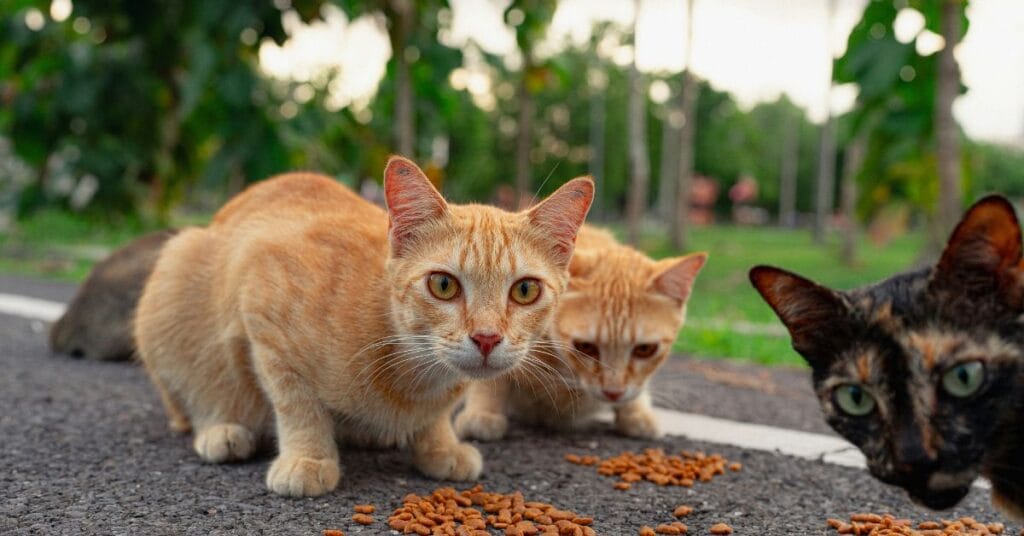
Tiki Cat Born Carnivore Chicken & Egg Kitten Food is an excellent option for kitten dry food, featuring an impressive protein level of approximately 47% on a dry matter basis. This formulation includes deboned chicken, chicken meal, and eggs, along with additional DHA to aid brain and eye development. It is calorie-rich, containing over 24% fat to support healthy growth, and is baked without any artificial additives.
Another noteworthy choice is FirstMate Chicken Meal with Blueberries, which is recognized for its limited and wholesome ingredient list.
Top Recommendations for the Best Food for Kittens
| Brand | Key Benefits | Protein (Dry Matter) |
|---|---|---|
| Tiki Cat Born Carnivore Chicken & Egg | High protein, DHA for development, highly palatable | ~47% |
| FirstMate Chicken Meal with Blueberries | Limited ingredients, wholesome formula | High (varies) |
| Nulo (kitten formulas) | Good quality ingredients at an accessible price | High |
These options are among the best food for kittens, providing essential nutrients for their growth and development.
Key Considerations
When selecting the best food for kittens, it’s essential to choose dry formulas that are rich in protein, fat, and key nutrients such as DHA, promoting healthy growth — look for those labeled for kittens by AAFCO. In Pakistan, explore local options through websites like AllAboutPets.pk to find grain-free or high-protein choices. Transition to new foods gradually, ensuring that wet food remains a priority for adequate hydration. Always seek veterinary advice tailored to your kitten’s individual requirements.
How much dry food to feed a kitten daily by age and weight
The best food for kittens varies in serving sizes based on age, weight, brand calorie density (usually 350-450 kcal/cup), and their activity level. Always refer to the packaging instructions and consult your veterinarian.
Kitten Feeding Guide Based on Age and Weight
This general guideline is designed for dry food only. For kittens under six months, divide their daily intake into 3-4 meals, gradually decreasing to 2-3 meals as they mature. To ensure proper hydration, consider mixing in wet food.
| Age | Weight Range | Daily Dry Food (cups) |
|---|---|---|
| 6-8 weeks | 0.5-1.5 lbs | 1/4 – 1/3 |
| 2 months | 1.5-2.5 lbs | 1/4 – 1/3 |
| 3 months | 2.5-4 lbs | 1/3 – 1/2 |
| 4 months | 3.5-5 lbs | 1/2 – 2/3 |
| 5-6 months | 4.5-6 lbs | 2/3 – 3/4 |
| 7-10 months | 6-10 lbs | 3/4 – 1 |
Dry food amount for neutered kittens after 6 months

Neutered kittens over 6 months require fewer calories than unaltered ones, as their metabolism slows and growth decreases. Offering 10-25% fewer calories can help prevent obesity. Choosing the best food for kittens is essential for their health.
Adjusted Feeding Chart
To ensure your kitten receives the best food for kittens, it’s advisable to decrease the recommended portion sizes based on standard guidelines and divide the daily intake into 2-3 meals. Always refer to the food label and keep an eye on their weight.
| Age Range | Weight Range | Daily Dry Food (cups) |
|---|---|---|
| 6-9 months | 4-7 lbs | 1/3 – 2/3 (reduced from 2/3-3/4) |
| 10-12 months | 6-9 lbs | 1/2 – 3/4 (beginning transition to adult food) |
Key Adjustments
Focus on high-protein dry options, such as Tiki Cat, mixing in wet food for hydration since neutering raises urinary risks. Weigh your kitten weekly; ribs should be palpable but not visible. For tailored calorie requirements (approximately 300-450 kcal/day depending on activity), consult your veterinarian.
These tips are part of finding the best food for kittens.
Wet Food For Kittens
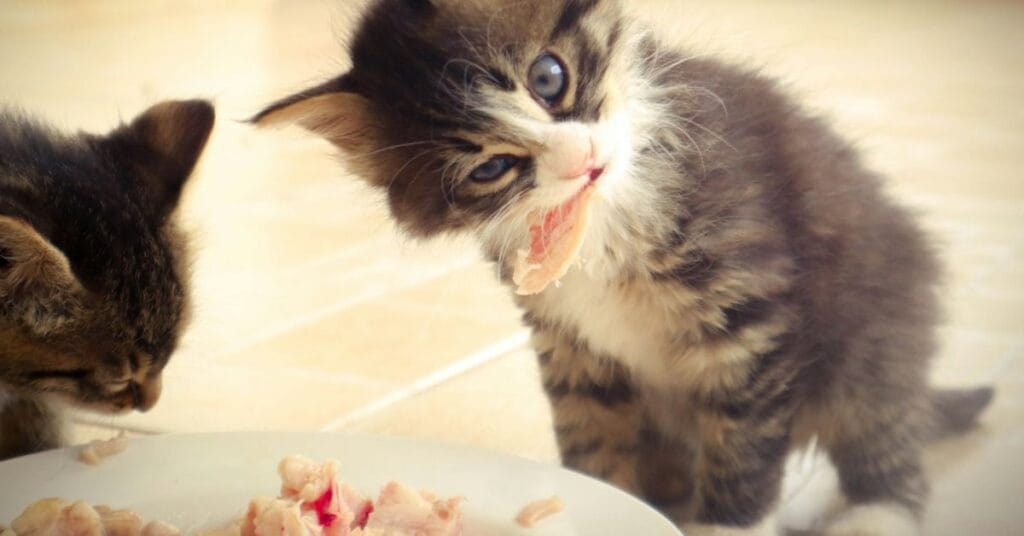
Tiki Cat Baby Ground Bird is considered one of the best foods for kittens due to its nutrient-rich formula featuring real shredded chicken and liver, providing over 48% protein for healthy muscle development. It also includes DHA from cod liver oil, supporting brain and vision growth. Other top options like Purina ONE Healthy Kitten and Wellness CORE Chicken & Turkey Pate also meet AAFCO standards and offer high protein content for optimal kitten growth.
Top Recommendations
| Best Food for Kittens | Key Benefits | Protein (Dry Matter) |
|---|---|---|
| Tiki Cat Baby Ground Bird | Shredded chicken/liver, DHA, high energy (40 kcal/oz) | ~48% |
| Purina ONE Healthy Kitten | Chicken-based, antioxidants support immunity | ~47% |
| Wellness CORE Pate | High meat content, rich in taurine | 45-50% |
Key Considerations
Wet food, containing 70-80% moisture, is crucial for hydration, especially for neutered kittens. It pairs well with dry options like Tiki Cat. Offer 2-4 small meals daily, referencing age/weight charts and checking calorie content on can labels. In Pakistan, you can find the best food for kittens through Chewy or local sites such as AllAboutPets.pk.
Wet Food Feeding Chart
For optimal kitten nutrition, choose wet food with 80-100 kcal per 3-oz can. Feed in 3-4 meals a day for those under 6 months. Always check calorie density on labels and consult your vet for tailored advice.
| Age | Weight Range | Daily Wet Food (3-oz cans) |
|---|---|---|
| 6-8 weeks | 0.5-1.5 lbs | 1 – 1.5 cans |
| 2 months | 1.5-2.5 lbs | 1.5 – 2 cans |
| 3 months | 2.5-4 lbs | 2 – 2.5 cans |
| 4 months | 3.5-5 lbs | 2.5 – 3 cans |
| 5-6 months | 4.5-6 lbs | 3 – 3.5 cans |
| 7-10 months | 6-10 lbs | 3.5 – 5 cans (for neutered: reduce by 10-25%) |
This table outlines the best food for kittens based on their age and weight range.
Neutered Adjustments
For neutered kittens over 6 months, reduce food portions by 10-25% (e.g., 3-4 cans daily for those weighing 6-9 lbs) to accommodate a slower metabolism, as shown in your dry chart. Combine wet and dry food (e.g., 70% wet/30% dry) to ensure optimal hydration and nutrition from your selected Tiki Cat options.
Keep an eye on their weight closely to ensure healthy growth. When choosing the best food for kittens, consider these adjustments.
Wet Vs Dry Food Comparison
Both wet and dry cat foods, when AAFCO-approved, provide complete nutrition, but they vary in moisture content, convenience, and health benefits for kittens and adults.
Key Differences
| Aspect | Wet Food (Canned/Pouches) | Dry Food (Kibble) |
|---|---|---|
| Moisture Content | Contains 70-80% moisture; enhances hydration and supports urinary health | Contains 6-12% moisture; necessitates increased water intake |
| Caloric Density | Lower calorie count per volume; requires larger portions for energy | Higher calorie count; smaller serving sizes are adequate |
| Carbohydrate/Fat Levels | Lower in carbohydrates (under 10%) and moderate in fat | Higher in carbohydrates (25-35%) and elevated fat content |
| Cost and Shelf Life | More expensive; needs refrigeration after opening | More affordable; can be stored for an extended period without spoiling |
When selecting the best food for kittens, consider these key distinctions to meet your young cat’s nutritional needs effectively.
Pros for Kittens
For young kittens, the best food is wet kibble, offering easy chewing, hydration in dry climate, and appealing to selective eaters. Feed 1-5 cans daily in meals. While dry kibble aids dental health, it can lead to dehydration and obesity if left out. After 8 weeks, mix 75% wet and 25% dry food.
Usage Tips
Start all-wet under 6 months, transition gradually; aim 10% calories from treats. Vet-check for urinary issues favors wet.
Cost comparison wet vs dry kittens food per month

Wet kitten food is 3-5 times pricier monthly than dry kibble in both Pakistan and the USA, based on 2026 prices. For example, in Pakistan, a Whiskas 85g pouch costs around PKR 280 ($1), while in the USA, a Fancy Feast 3-oz can ranges from $1 to $1.50. Feeding estimates for a 3-month-old kitten suggest 2-2.5 cans daily or an equivalent dry kibble amount, using mid-tier brands like Royal Canin or Whiskas. Prices may vary based on weight and activity, with premium options in the USA being 20-30% higher. For the best food for kittens, consider these factors.
Monthly Cost for 3-Month-Old Kitten (~3 lbs, 2-2.5 cans/day wet)
Here’s the information rewritten in an informative style and presented in a table format:
Monthly Expenses for a 3-Month-Old Kitten (~3 lbs, 2-2.5 cans of wet food daily)
| Food Type | Daily Amount | Daily Cost (USD) | Monthly Cost (USD) | Example Brands |
|---|---|---|---|---|
| Wet Food | 2-2.5 pouches (approximately 85g each) | $2.15 – $3.05 | $64 – $91 | Whiskas: ~$1/can; Royal Canin: $1.65 – $1.85 |
| Dry Kibble | 50-80g | $0.36 – $0.71 | $11 – $21 | Bonnie 1kg: ~$3.60 (lasts 15 days); Diamond: ~$10/bag |
| Mix (50/50) | Half of each type | $1.25 – $1.90 | $38 – $57 | Ideal for budget and hydration needs |
This table details the monthly costs associated with feeding a 3-month-old kittens.
Dry vs Wet: Health Benefits
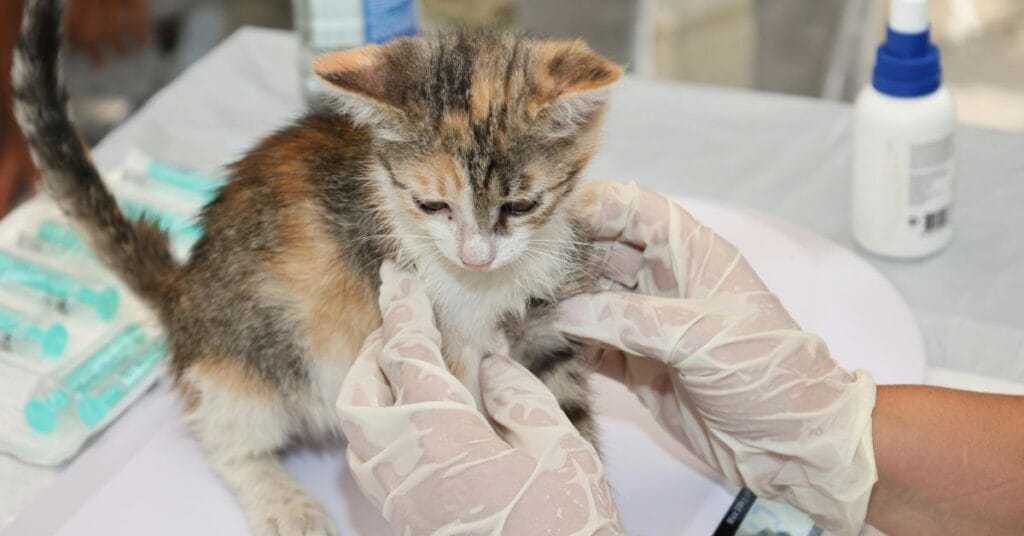
The best food for kittens includes wet food, which offers 78% moisture, helping to keep them hydrated and minimize urinary crystals — a key consideration in hot and dry arid climate. Dry kibble aids in dental care by reducing tartar buildup. While wet food is easier on young kittens’ digestion and lowers diarrhea risk, dry kibble provides essential fiber for gut health. However, excessive dry food can lead to obesity due to its higher carbohydrate content..
Benefits Comparison
| Aspect | Wet Food | Dry Food |
|---|---|---|
| Hydration | High moisture content; supports kidney health | Low moisture; requires added water |
| Dental Health | Provides minimal assistance; soft consistency | Crunchy texture helps reduce plaque |
| Digestion | Gentle on sensitive stomachs | High in fiber; may be carb-heavy for digestion |
Recommendation: Start kittens on wet food (up to 6 months, as indicated in your chart), then gradually incorporate dry food for optimal growth. Wet food helps maintain hydration.
Smooth Switching Guide (Plagiarism-Free Version)
To avoid digestive issues and maintain regular stools, gradually transition to the best food for kittens over a period of 7-10 days, tailored to your blog’s feeding guide.
Step-by-Step Plan
- ays 1-4: Start by combining 75% of your kitten’s previous food with 25% of the new food (for instance, add a small amount of dry food to wet cans).
- Days 5-7: Adjust the mixture to a 50/50 ratio of old to new food, ensuring it aligns with the recommended 2-3 servings of wet food per day according to your feeding chart.
- Days 8-10: Shift the blend to 25% old food and 75% new food before transitioning to entirely new food..
Kitten Special: To ensure the best food for kittens, focus on wet food for the initial 4-6 months, then slowly add dry food; soaking kibble in warm water aids hydration for picky eaters, with weekly weight checks targeting a gain of 0.5-1 lb monthly.
FAQ’s
Wet or Dry Food: Which is Best for Kittens?
Wet food wins for kittens under 6 months due to high moisture (78%) for hydration and easy digestion. Mix with dry after 4 months for dental health. Best: 75% wet + 25% dry.
How Much Wet Food for a 3-Month-Old Kitten?
Follow the chart: 2-2.5 cans (3-oz/85g) daily, split into 4 meals. Adjust by weight—2.5-4 lbs needs ~250-350 calories total
Why is Wet Cat Food So Expensive?
3-5x pricier monthly ($64-91 USD vs $11-21 dry for 3-month kitten). Higher protein, moisture, and packaging costs—but worth it for urinary health
Can Kittens Eat Dry Food Only?
Not ideal under 6 months—low moisture risks dehydration and constipation. Soak kibble in warm water first; transition gradually post-8 weeks.
Is Dry Food Better for Kitten Teeth?
Yes—crunchy texture scrapes tartar like natural brushing. Wet food is softer but pair with dental treats for balance
Where to Buy Quality Kitten Food Cheap?
hewy/Amazon (USA), Zooplus (Europe), Daraz.pk (Pakistan). Look for AAFCO-approved: Royal Canin Kitten (~$1.50/can), Whiskas pouches (~$1), Bonnie dry (~$3/kg).
For insights on various cat breeds and their care, including the best food for kittens, explore our article: Facts about Siamese Cat – Overview, Traits, and Care.
Conclusion
Choosing the best food for kittens is vital for their growth and overall health. A well-rounded diet rich in high-quality protein, essential nutrients, and suitable fats lays the groundwork for an energetic life. Always opt for age-appropriate formulas and consult your veterinarian to provide optimal nutrition. Make informed choices now to help your kittens flourish!