Why Does My Cat Follow Me Everywhere? Surprising Reasons
Ever notice how your feline friend seems to be your shadow, always following you from room to room? Understanding the question, “Why does my cat follow me everywhere?” reveals intriguing insights into feline behavior and the bonds we share with our pets. This article will explore the surprising reasons behind this attention-seeking behavior, shedding light on your cat’s instincts and emotions. By the end, you’ll not only understand your cat better but also strengthen your connection with them.
So, why does my cat follow me everywhere? Let’s explore the key reasons behind this behavior.
Key Insights:
Cats frequently trail their owners for various reasons, including attachment, curiosity, or established habits.
Typical motivations for this behavior may involve hunger, a desire for attention, or the need for security.
An uptick in clinginess can occasionally indicate underlying health issues or stress.
Identifying the specific cause of this behavior is essential in determining whether to promote or redirect it.
Why Does My Cat Follow Me Everywhere?
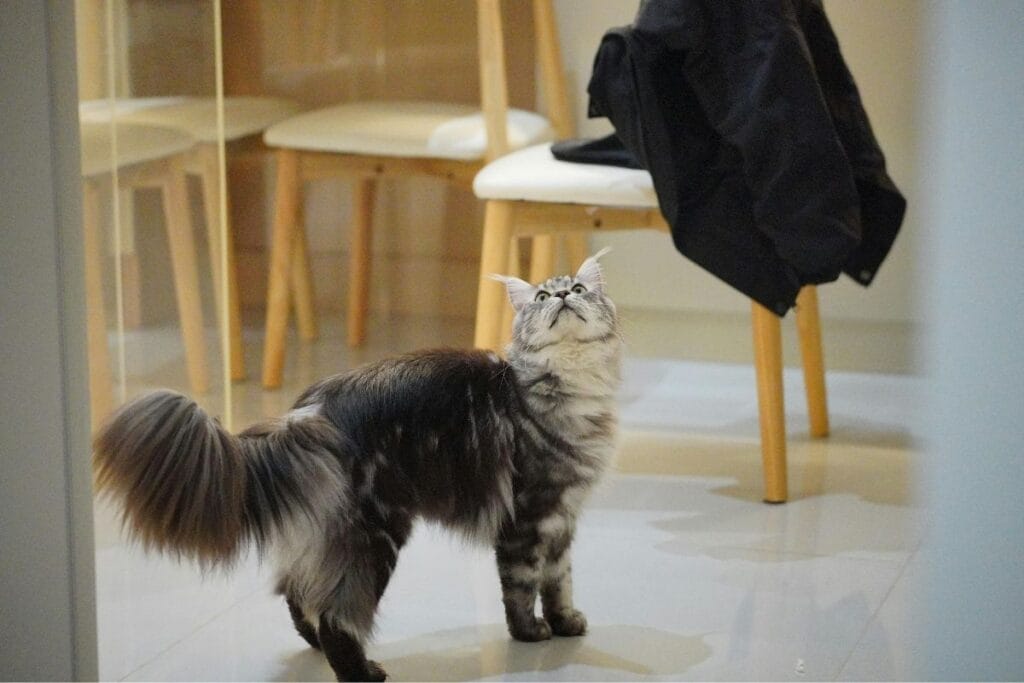
There are several explanations for why your cat follows you around constantly.
1. Hunger Cues
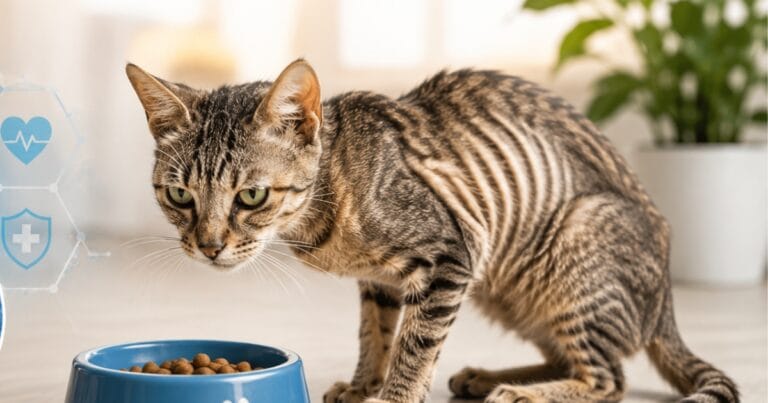
Wondering, “Why does my cat follow me everywhere?” One possibility is that it’s hungry. Your cat may be seeking food or anticipating you to refill its bowl, particularly if it connects you with mealtime. Some cats with bigger appetites may require more frequent meals. If your cat has realized that you’re the one who fills his bowl, he might stay close by, eagerly awaiting his next feeding.
To help maintain a consistent feeding routine, consider getting an automatic pet feeder. Even if he’s just eaten, your cat might still be on the lookout for more food, which could explain why he follows you so closely, hoping for treats or extra portions.
2. Desire for Attention
Your cat may lack mental stimulation if your daily schedule doesn’t include enough playtime. If you have other pets or a busy lifestyle, your cat might express his need for companionship and interaction by staying close to you.
Engaging your cat in play with toys, like a wand or feather toy, can be a great way to redirect this attention-seeking behavior.
3. Natural Curiosity
Cats are inherently inquisitive creatures. If you enter a new area or open a door to a space your cat isn’t accustomed to exploring, he may follow you to satisfy his curiosity about what you’re doing and discover new surroundings.
4. Desire for Companionship
Cats are social animals and often thrive within a tight-knit family structure that includes both other cats and humans. Following you could be his way of seeking comfort and social interaction, showing he values your presence and feels safest when close to you.
5. Signs of Illness
When a cat is unwell, it may become more attached and follow you around more frequently. This behavior can stem from a cat’s instinct to seek security within its family unit during vulnerable times. Feeling fragile could make your cat cling to you for safety, especially in the face of potential threats.
6. Stress and Anxiety
During stressful or anxious moments, cats might look for your company. If they feel overwhelmed by their environment, they often look to their human for reassurance. Your presence might help release oxytocin, a hormone associated with bonding, which can provide them with comfort in times of distress.
Understanding these behaviors can enhance your bond with your cat while addressing their needs effectively.
Why Does My Cat Keep Following Me into the Bathroom?
Many cat owners notice their feline companions following them into various spaces, especially the bathroom. This phenomenon, often termed “Why does my cat follow me everywhere,” is quite common and can be explained by a variety of practical reasons.
One significant factor is the instinctual behavior related to safety. When cats go to the litter box, they enter a vulnerable state. Remaining stationary while eliminating can make them more susceptible to potential threats, as the scent of their waste might attract predators. Consequently, your feline may feel the need to accompany you to the bathroom as a protective measure, seeking safety in numbers.
Additionally, your cat’s actions may reflect curiosity about your activities or a desire for companionship. Cats often enjoy the presence of their human caregivers and seek to engage in whatever you’re doing, regardless of the room you are in.
Recognizing these behaviors can provide valuable insights into the close bond between you and your cat, highlighting their instincts and emotional needs. Understanding “Why does my cat follow me everywhere” can deepen your appreciation for this unique companionship.
How to Stop Your Cat from Following You.
To better understand your cat’s desire to follow you, it’s important to recognize the motivations behind their behavior if you wish for some extra personal space.
If Your Cat Is Hungry…
If your cat is shadowing you due to hunger, consider offering several small meals throughout the day. Utilizing puzzle toys or food-dispensing gadgets can also engage cats that may be feeling bored or under-stimulated. An automatic cat feeder is another option; with scheduled feedings, your cat will gradually learn that their meals come from the feeder, reducing their need to seek you out for food.
If Your Cat Desires Attention…
If your cat spends a lot of time alone during the day, it might need more engagement. To support its well-being, consider increasing playtime. Use toys that both you and your cat find enjoyable. Good options include wand toys, puzzle toys, and food-dispensing toys. This will help enhance your cat’s social interaction and overall happiness.
Understanding why your cat follows you everywhere can not only strengthen your bond but also improve their overall well-being..
Recognizing Signs of Illness in Your Cat
If you’ve noticed that your cat is more frequently shadowing your movements, this could be indicative of potential health issues. Pay attention to various symptoms such as alterations in appetite, variations in water consumption, vomiting, diarrhea, respiratory difficulties, or challenges in walking. These signs warrant a visit to your veterinarian to investigate any underlying medical conditions that might be affecting your cat’s behavior.
For instance, an increase in your cat’s appetite or persistent begging for food might suggest a problem like hyperthyroidism, which requires veterinary evaluation.
Understanding Cat Stress and Anxiety
Cats can also experience stress or anxiety, which may manifest in their behavior. If you suspect that your cat is feeling anxious, consider using calming products like supplements or pheromone diffusers designed to soothe felines.
Engaging in regular playtime or providing additional grooming and affection can alleviate stress and improve your cat’s emotional well-being. In more severe situations, prescription medications may be necessary to manage your cat’s anxiety. It’s advisable to consult with your veterinarian if you have concerns regarding your cat’s stress levels.
Managing Behaviors for Your Cat’s Well-Being
If there are specific areas in your home where you prefer your cat not to follow, consider closing doors or installing gates to restrict access. This approach not only keeps your cat safe but also allows you to maintain your personal space when needed.
In summary, paying attention to your cat’s health and emotional state is crucial. If your cat is persistent in following you, it might be a signal of underlying issues that merit further examination.
Conclusion
In essence, several factors explain why your cat follows you everywhere. As social creatures, cats often seek companionship and reassurance, especially when they view you as their caregiver. Your presence offers them a sense of safety and comfort, encouraging them to stay nearby. By understanding why your cat follows you, you can strengthen your bond and provide them with the mental and physical engagement they need. So, the next time you wonder, “Why does my cat follow me everywhere?” recognize their loyalty and connection to you.
Explore More: Why Do Cats Kneads? | Why Is My Cat Not Eating?